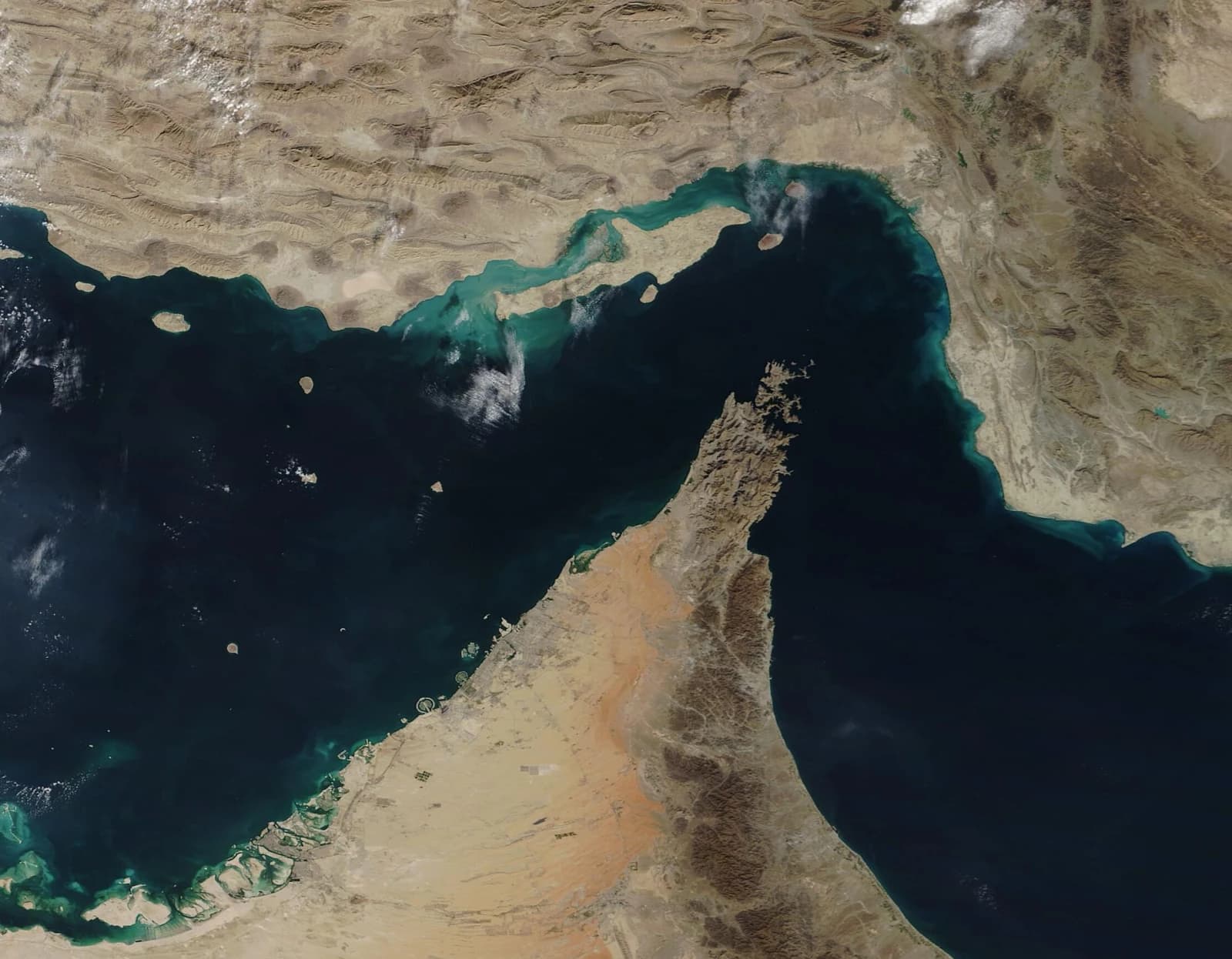
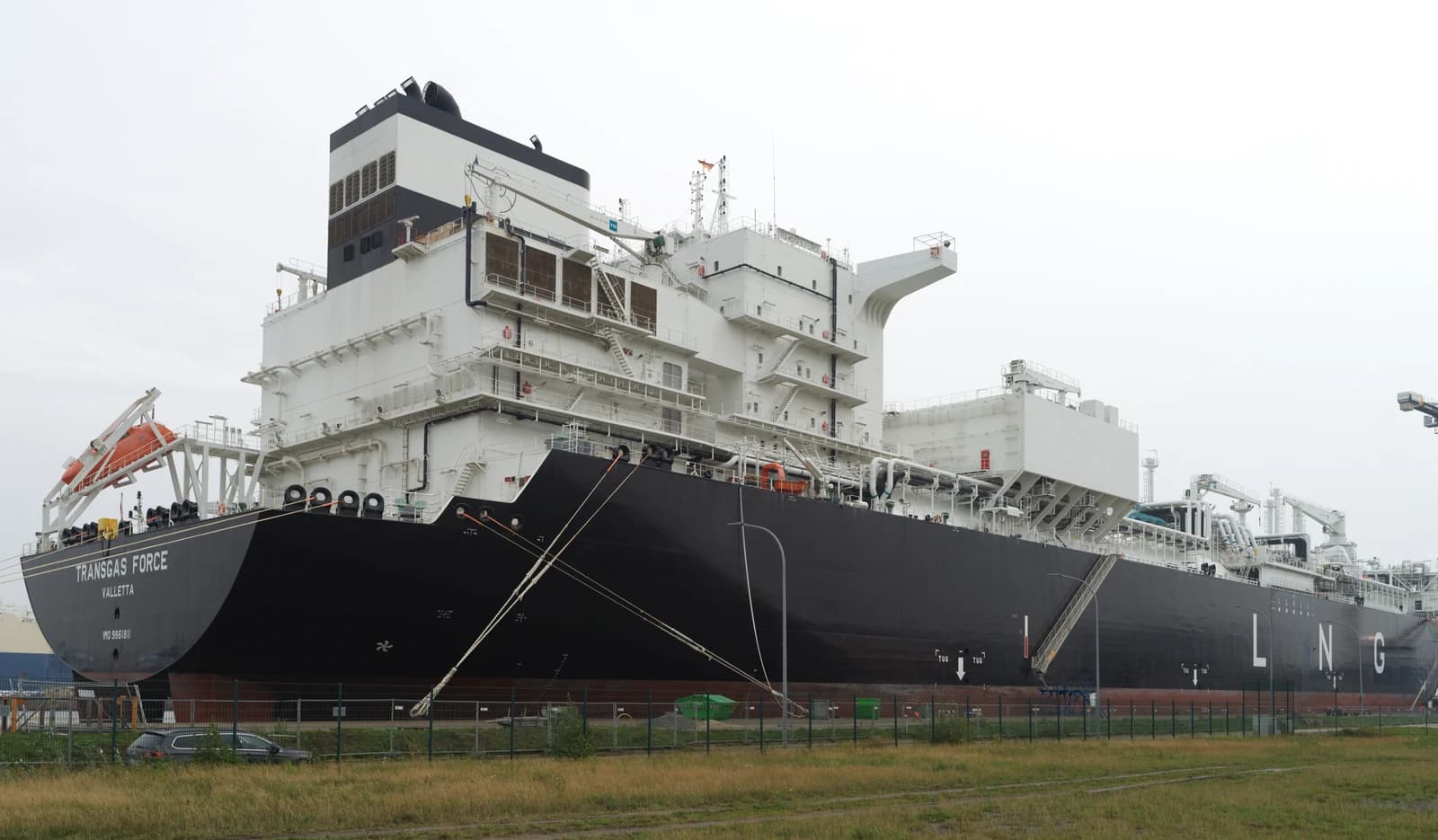
LNG cargoes are moving back through the Strait of Hormuz, a small but economically important sign that the world’s gas market is starting to recover from a supply shock that pushed European and Asian prices to their highest levels since late 2022.
LNG cargoes resume transit through Strait of Hormuz
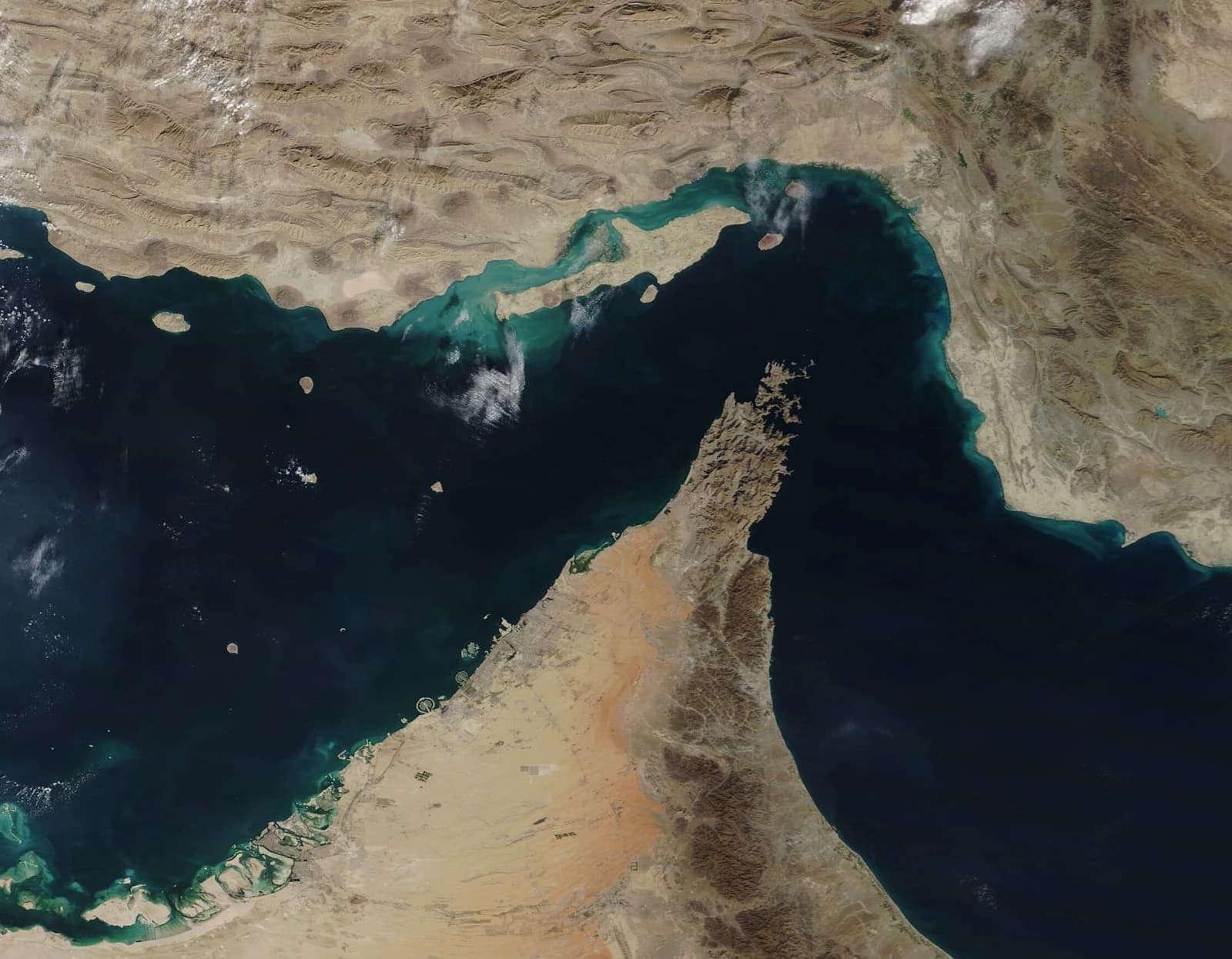
At least three LNG shipments have passed through the waterway since late last week, according to vessel-tracking data from Kpler, extending a rebound that began in September. That is still far below prewar norms — flows remain less than 75% of earlier levels — but the direction matters. The Strait is the artery for a large share of the world’s LNG exports, and even a partial restoration of traffic can help ease the tightness that has left importers scrambling for cargoes before winter demand rises in the Northern Hemisphere.
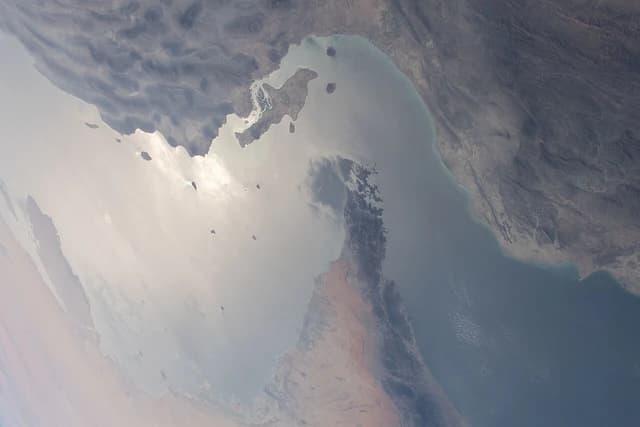
For investors, this is less about one headline and more about the balance of power in the global energy market. When LNG flows through Hormuz are restricted, the pain spreads quickly: utilities, industrial users and households in Europe and Asia face higher costs, while producers and shipping-linked exporters gain leverage. A sustained recovery could take some heat out of spot gas prices and reduce the risk premium embedded in energy contracts. That would be a relief for buyers, but it would also temper the urgency that has recently supported LNG names and related shipping plays.
The backdrop is still fragile. Security risks in and around the strait remain elevated, which means any improvement in traffic can reverse quickly if tensions flare. That keeps the market in a holding pattern: traders want evidence that volumes are normalizing, but they are not ready to price out geopolitical risk. In other words, the recent pickup in shipments is constructive, yet it is not the same as saying the crisis is over.
That tension helps explain why LNG has become such a compelling long-term investment theme. Global demand is still rising, winter is approaching, and supply remains vulnerable to chokepoints and project delays. The result is a market that rewards diversified exposure to exporters, shipping infrastructure and North American supply growth, while punishing overreliance on any single route. Recent technical trends in LNG-linked stocks have been mixed, but the bigger story is that the industry is still being reshaped by energy security, not just commodity pricing.
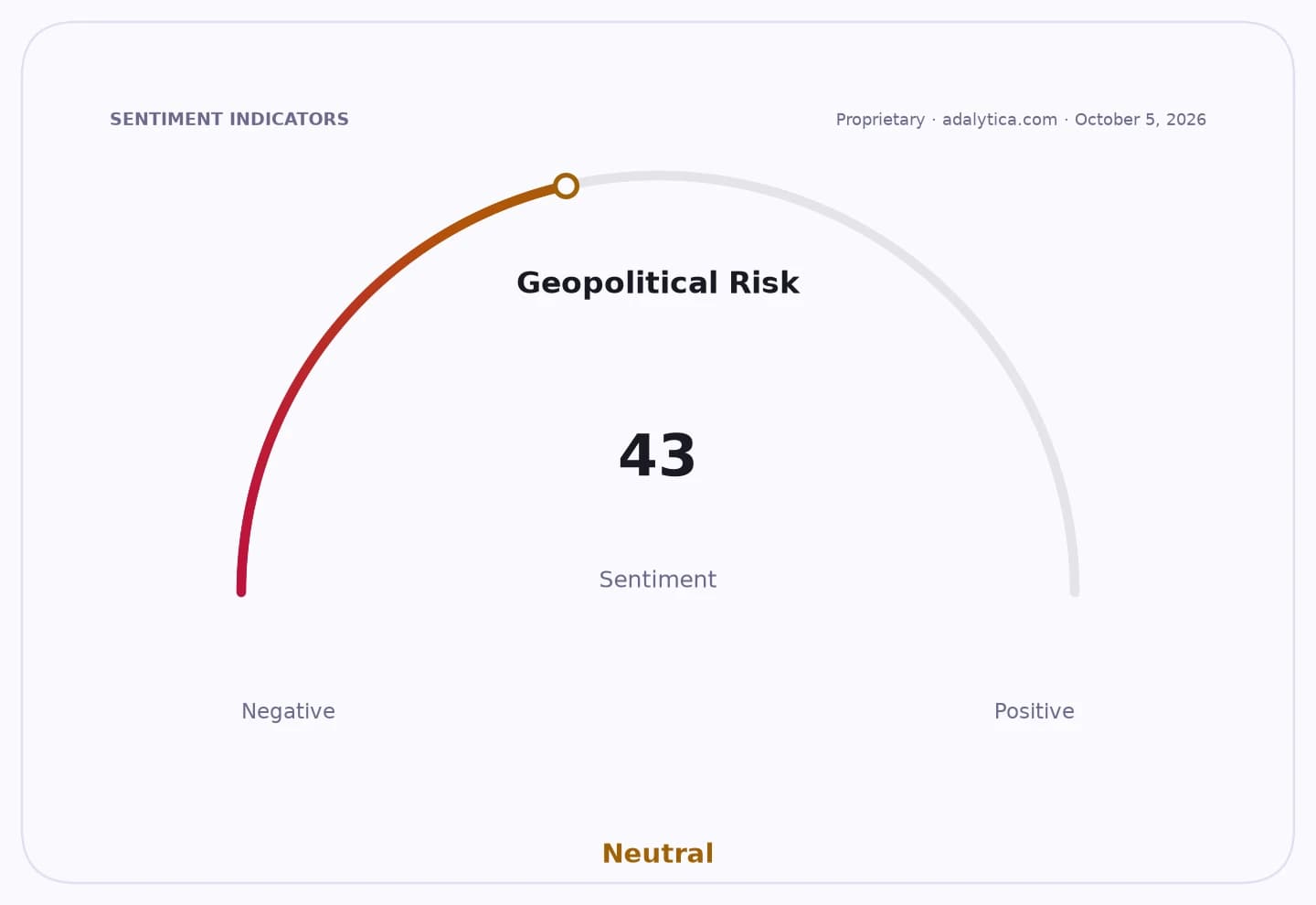
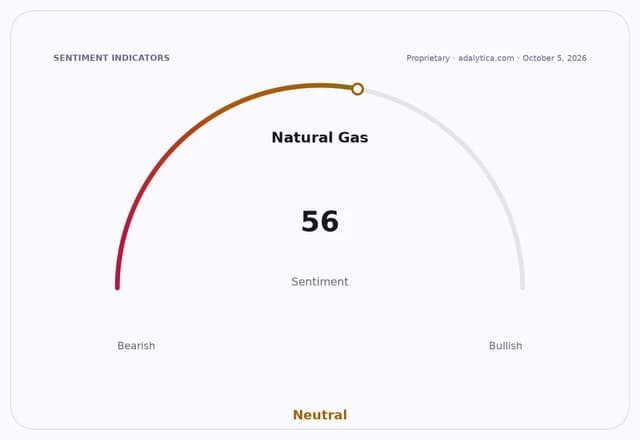
Adalytica’s natural gas market signals remain neutral, while its global stability gauge still shows elevated fear — a reminder that even as flows improve, investors are not yet in a risk-free environment. The next move will likely depend on whether the recovery in Hormuz traffic broadens and whether Europe and Asia can rebuild inventories before the coldest months arrive. For long-term investors, LNG remains worth watching as a resilient, secular energy story.
| Entity | Gains | Losses |
|---|---|---|
| LNG exporters | ▲More cargoes moving | ▼Less scarcity pricing |
| LNG buyers/importers | ▲Easier winter supply | ▼Less bargaining pressure |
| Shipping-linked energy firms | ▲Higher route activity | ▼Lower crisis premiums |
| Consumers in Europe and Asia | ▲Softer gas prices | ▼Fewer upside gains for suppliers |