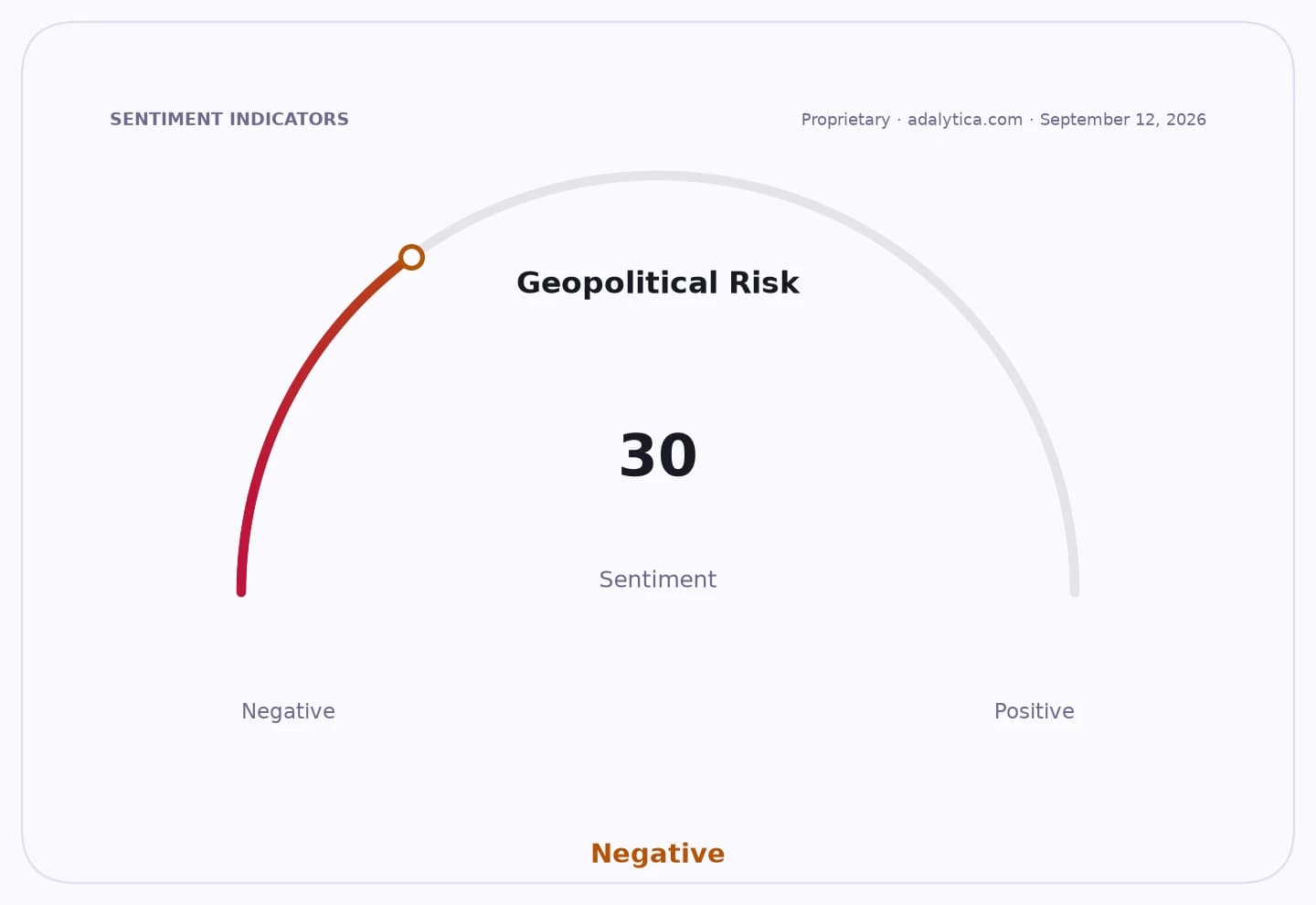
LNG cargoes are flowing through the Strait of Hormuz at their fastest pace since the war began, a welcome sign for global gas markets that have spent months pricing in the risk of a major supply shock.
LNG Cargoes Through Hormuz Hit Post-War High
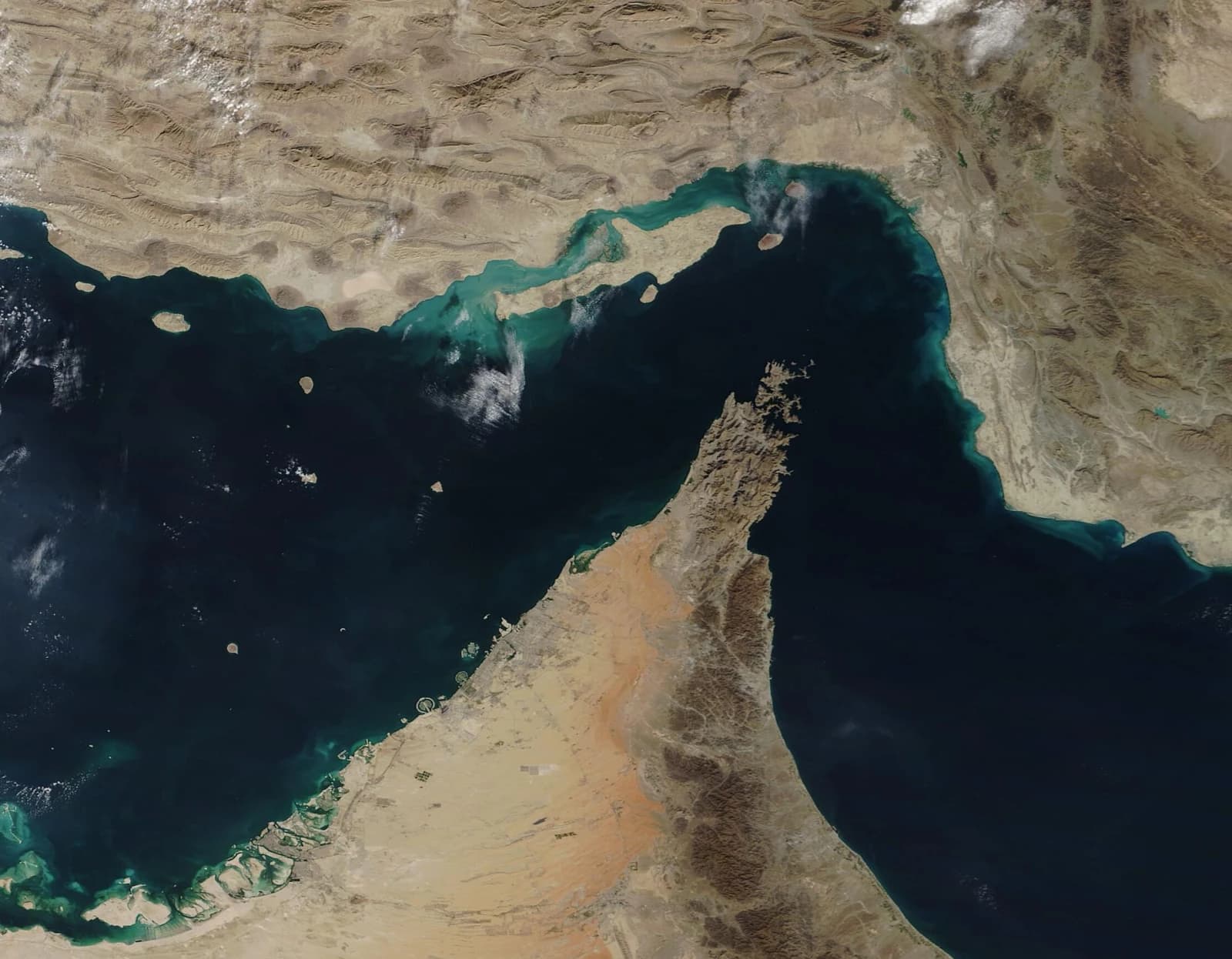
That matters because Hormuz is not just another shipping lane. It is the narrow gate for a huge share of the world’s seaborne energy trade, and any sustained disruption can quickly ripple into gas prices, power costs and inflation expectations. If the latest pickup holds, it would suggest the LNG market is proving more resilient than many feared, even as the region remains tense.
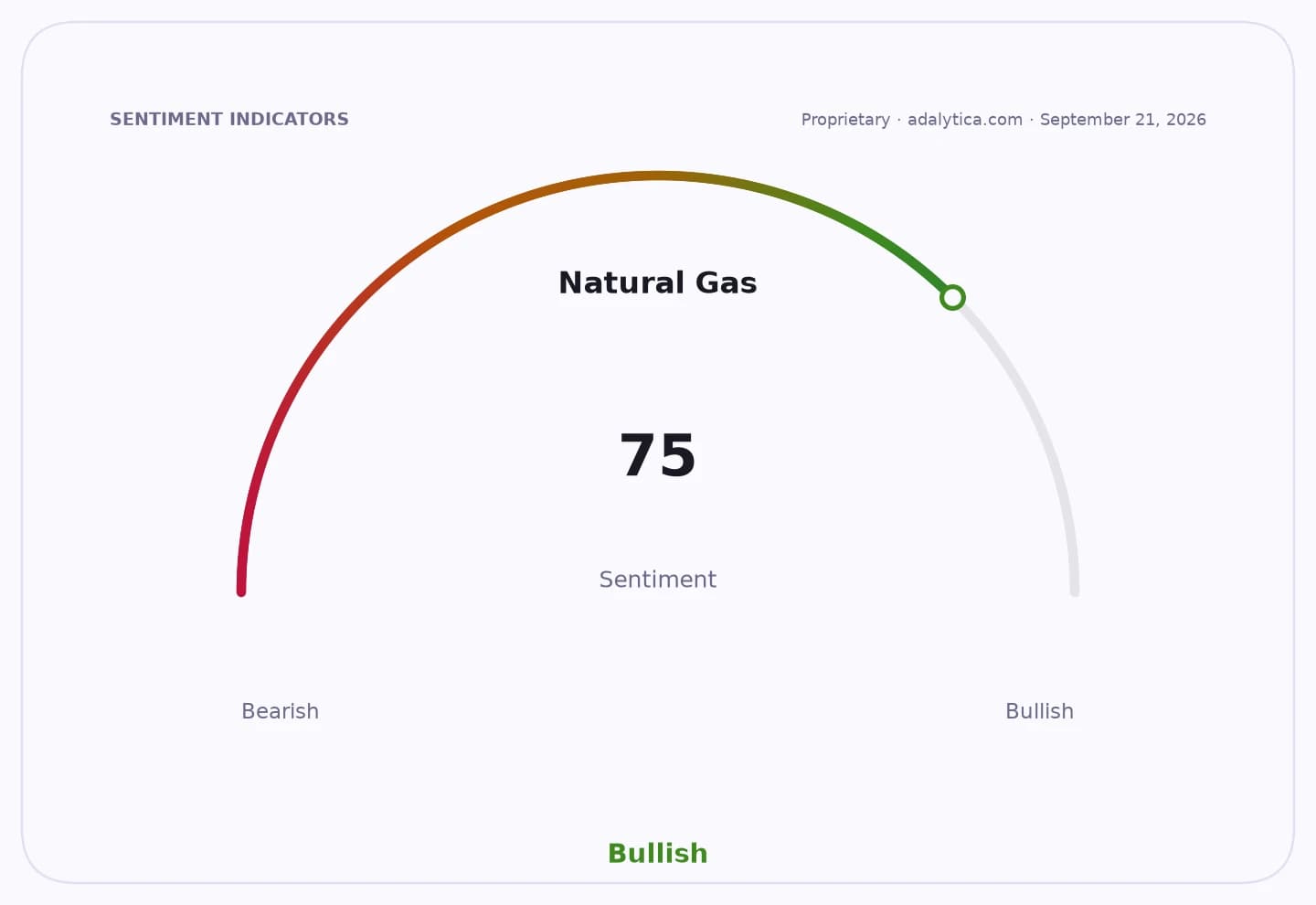
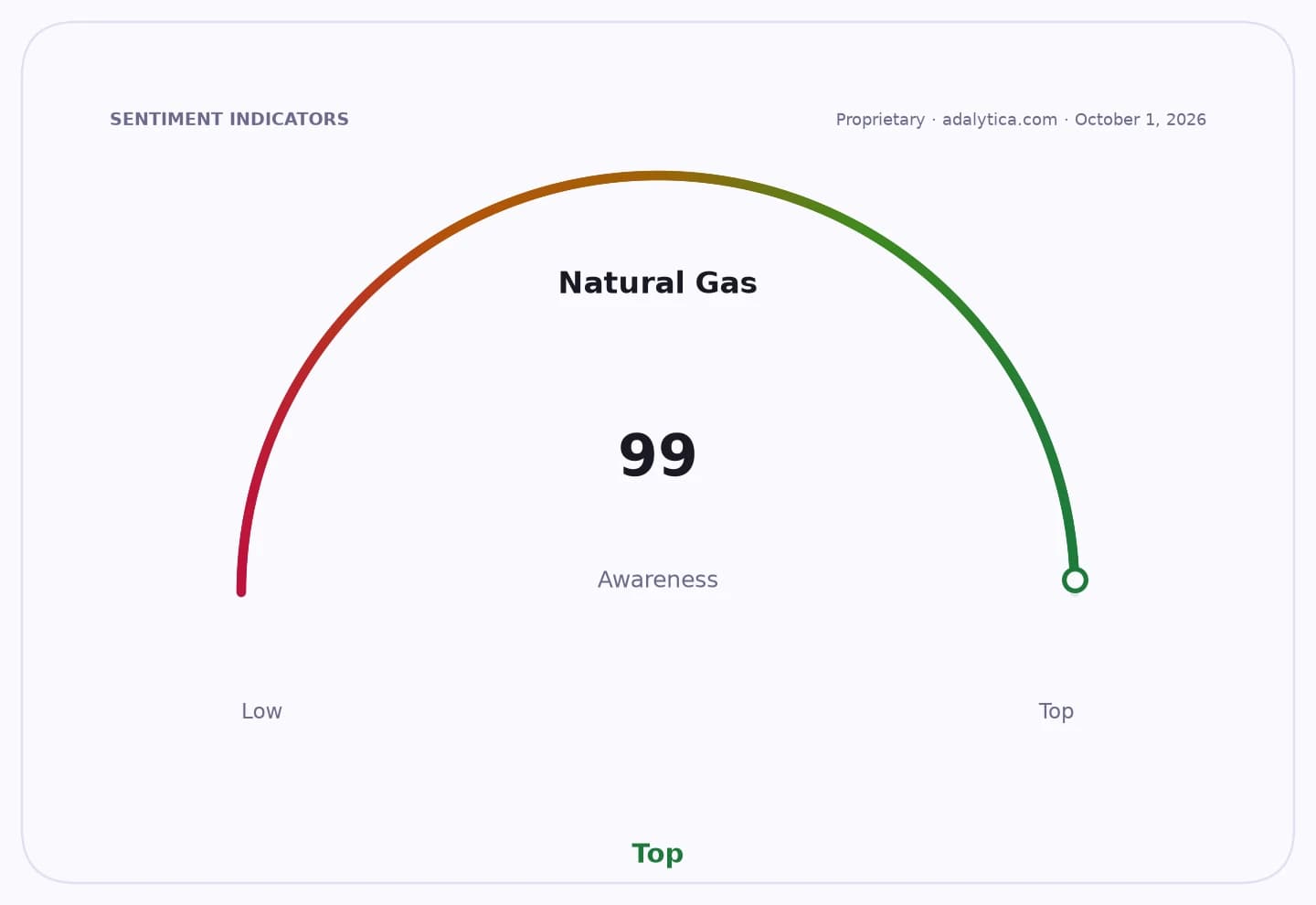
Sentiment IndicatorsⓘProprietary · adalytica.com · October 3, 2026
This is a snapshot — live sentiment, awareness and momentum for 130+ markets update continuously in the dashboard.Open AlphaPulse
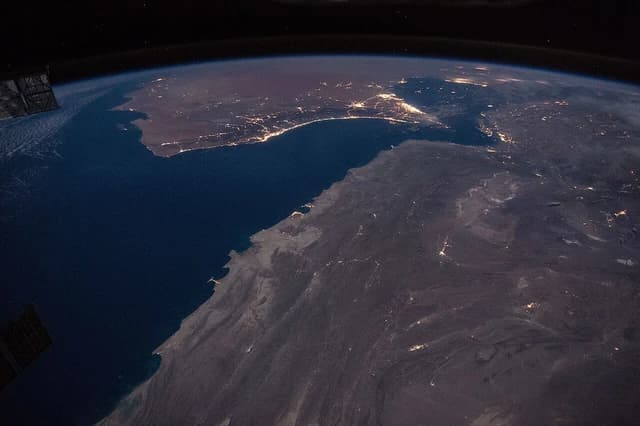
Data from S&P Global Energy showed 19 LNG cargoes crossed the waterway in September, the highest monthly total since the conflict started, including 13 from Qatar and six from the United Arab Emirates. Kpler put the figure at 21 cargoes, also up from 15 in June. Either way, the direction is clear: flows are recovering, and not slowly.
For investors, that is a double-edged development. More reliable LNG transit reduces the odds of an immediate supply crunch, which is constructive for utilities, industrial users and importing countries in Asia and Europe. It also lowers the chance of a sharp spike in spot LNG prices that would squeeze demand and force buyers back into the market at far less favorable terms.
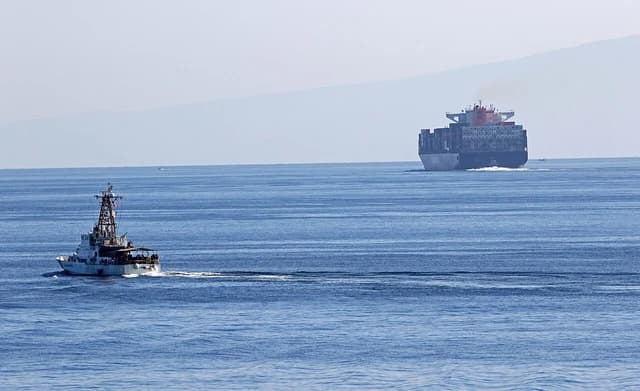
But the bigger takeaway is that the market’s central geopolitical risk has not gone away. S&P’s Eric Yap said a key question is whether this pace can last through the winter, when gas demand is seasonally stronger and any disruption would have an outsized effect. He also pointed to the possibility that Iran could react if it believes freer shipping weakens its leverage over the strait.
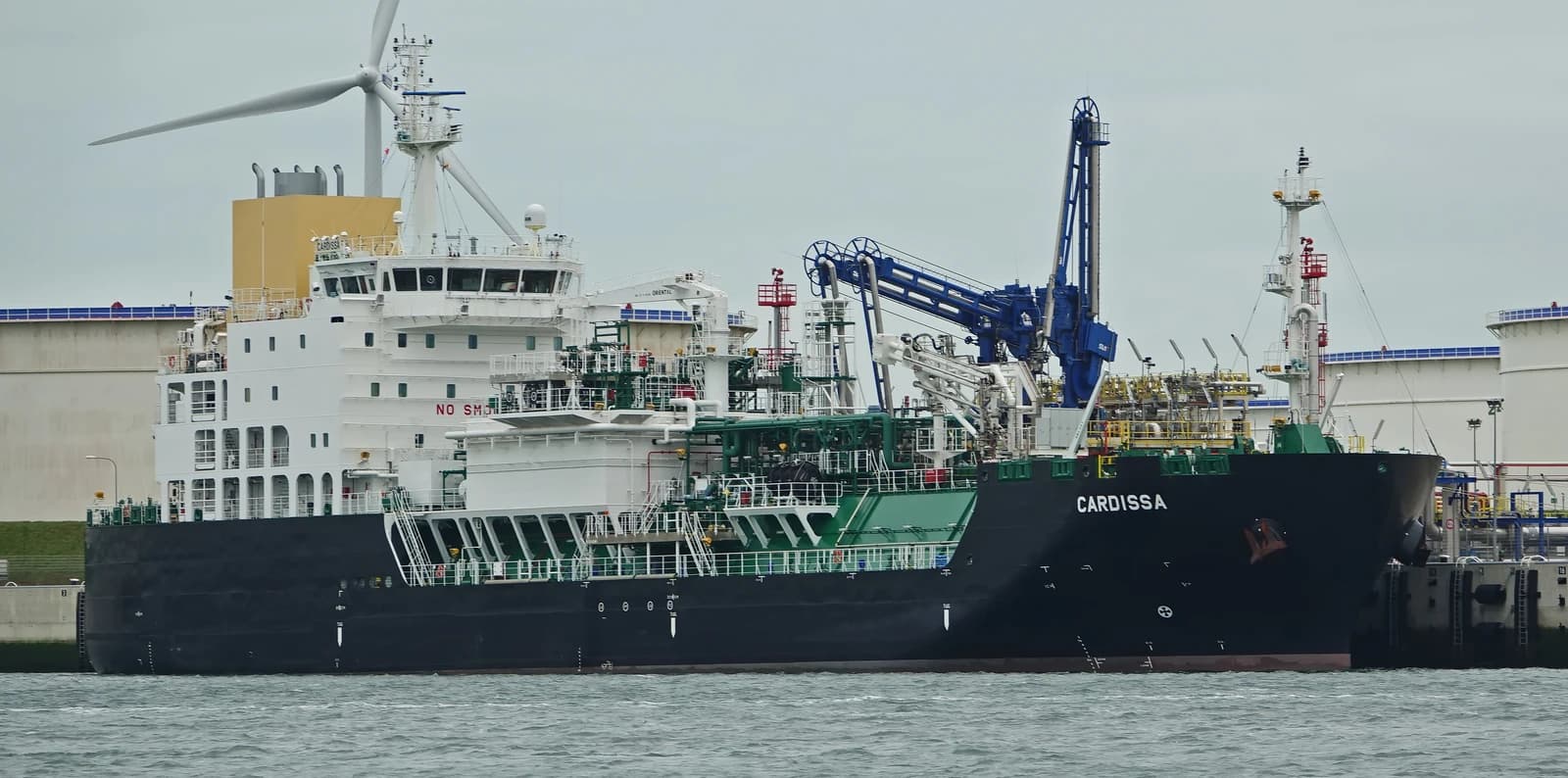
The shipping details underscore both progress and fragility. Some vessels linked to QatarEnergy were seen crossing the strait more than once in recent days, including tankers that later reappeared off India and Sri Lanka. Several LNG ships have also been moving with their transponders switched off, a reminder that so-called “dark” transits remain part of the playbook in a contested corridor.
That uncertainty is exactly why the latest data matters for long-term investors. LNG remains one of the clearest secular stories in global energy, supported by electrification, data-center demand and the push to replace coal and Russian pipeline gas. But the business still depends on chokepoints such as Hormuz, where geopolitics can quickly overpower fundamentals.
For companies with exposure to LNG shipping, liquefaction and contracted gas sales, steadier flows are a near-term positive. For buyers and policymakers, the message is more sobering: diversification still matters, because a single passage can still sway a global market. The best interpretation for investors is simple — the LNG trade is proving durable, but not invulnerable, and that is worth keeping on the watchlist.
| Entity | Gains | Losses |
|---|---|---|
| LNG exporters | ▲steadier cargo flows | ▼less leverage from disruption risk |
| Importers and utilities | ▲lower supply shock risk | ▼less chance to hedge cheaply |
| QatarEnergy and UAE shippers | ▲higher transit volumes | ▼continued security uncertainty |
| Iran | ▲fewer immediate leverage gains | ▼reduced chokepoint pressure |