Pakistan received its second liquefied natural gas cargo from Qatar this month, underscoring how vital long-term supply contracts have become for keeping the country’s power system and broader economy supplied with fuel.
Pakistan Receives Second Qatar LNG Cargo This Month
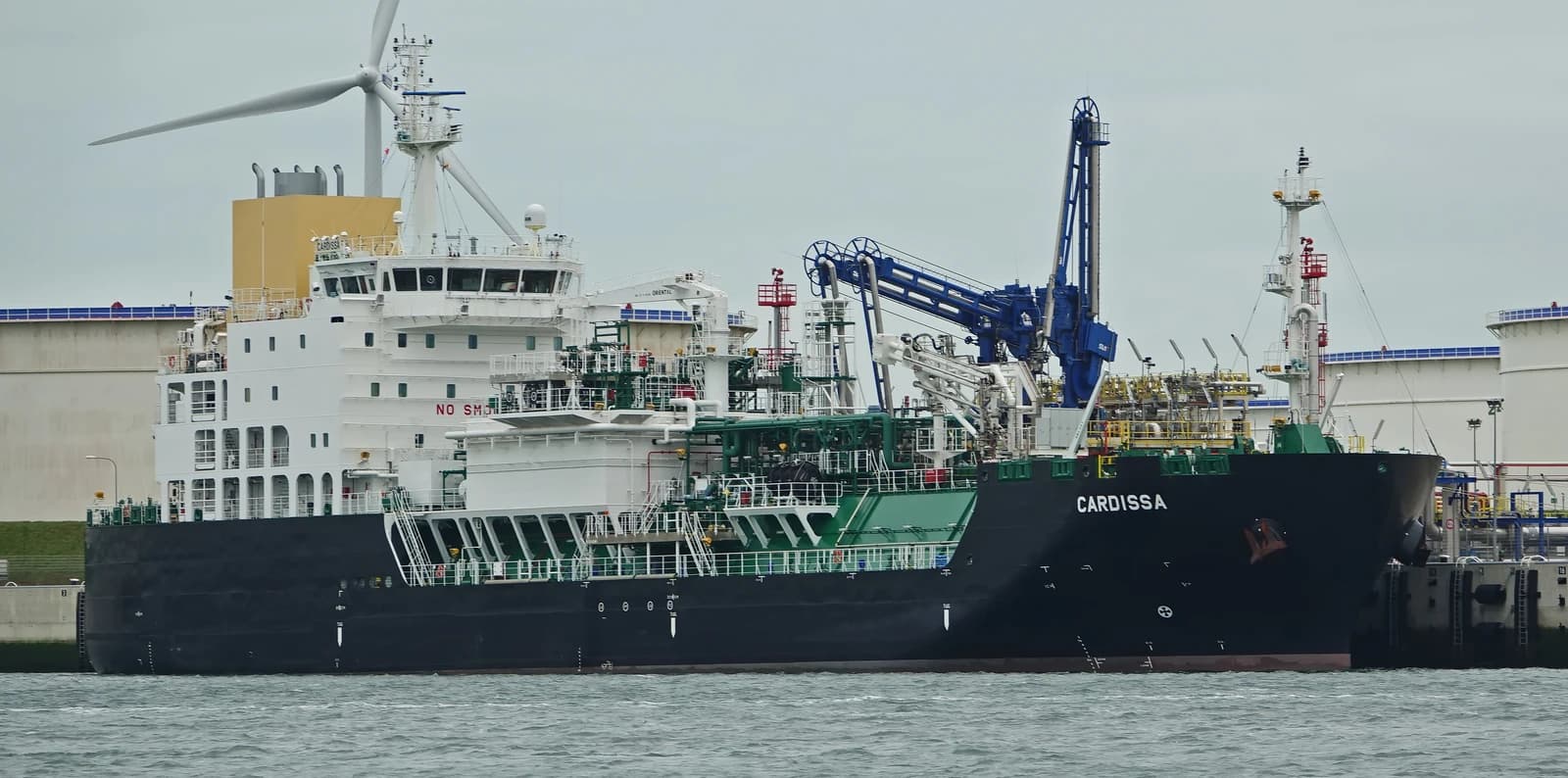
The shipment, carried by the LNG vessel Shandong Redwood and docked at the PGPL terminal on Wednesday morning, arrived under a long-term contract priced at 13.37% of Brent crude. That matters because Pakistan, like many import-dependent economies, needs predictable fuel costs and reliable deliveries far more than it needs spot-market bargains that can vanish in a crisis.
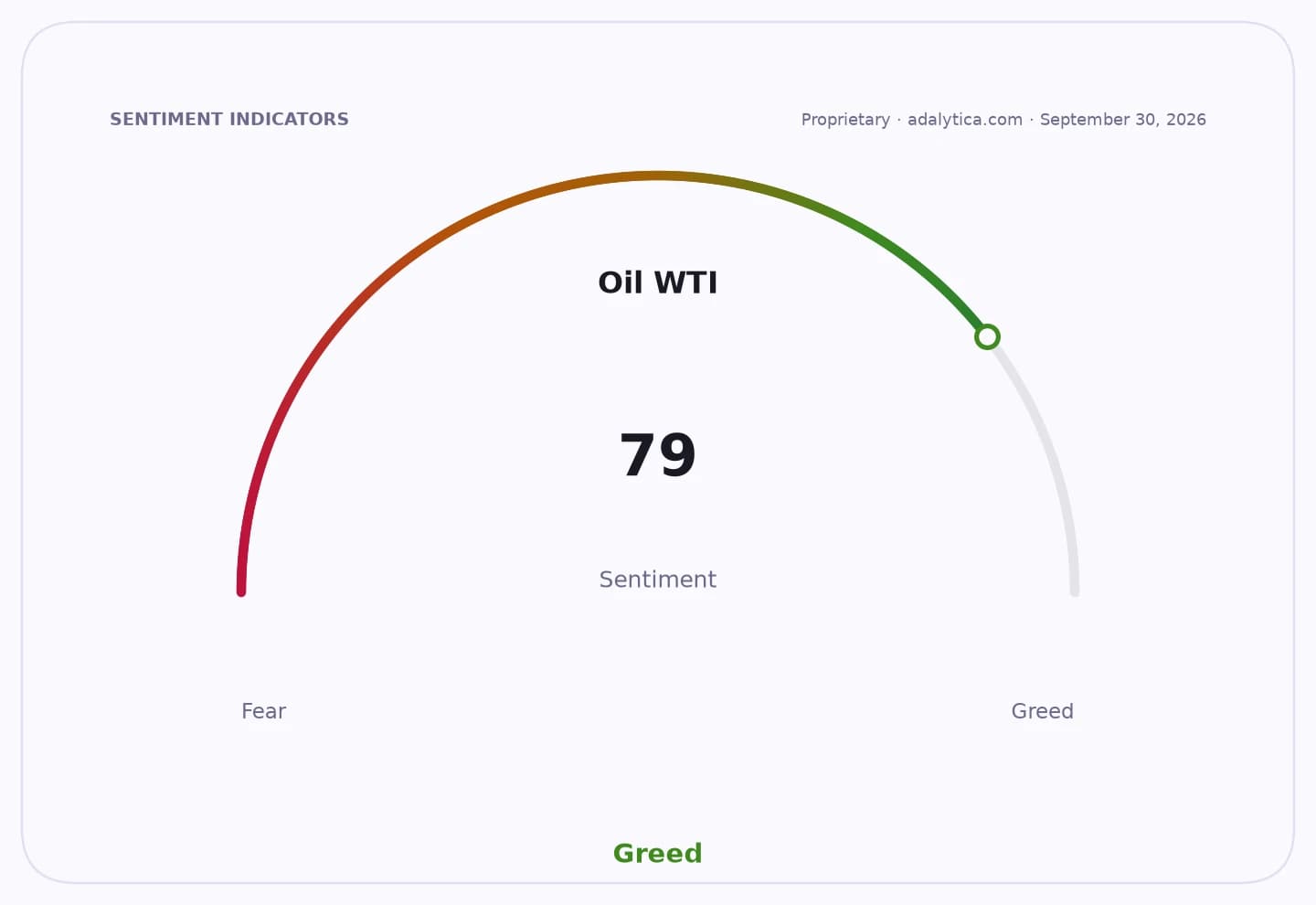
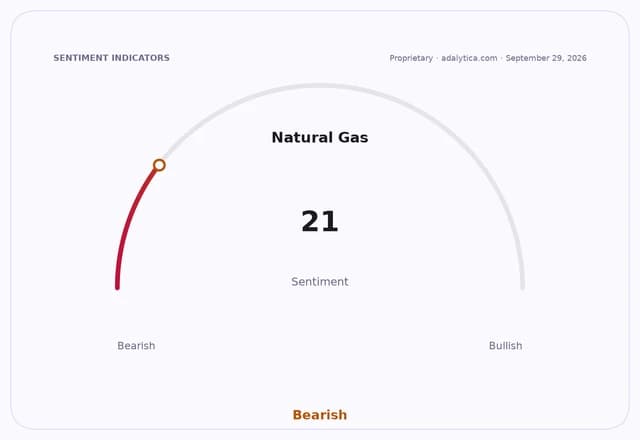
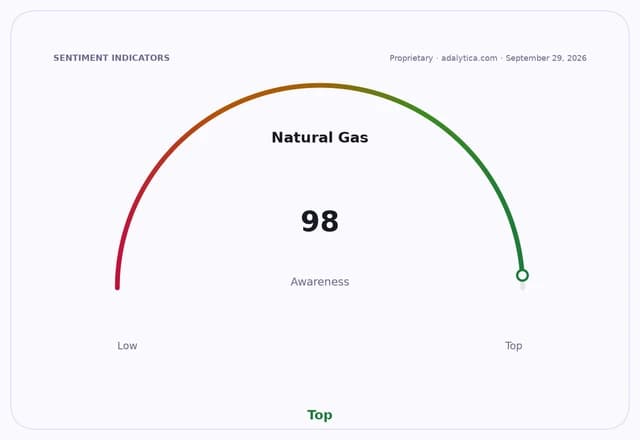
Sentiment IndicatorsⓘProprietary · adalytica.com · September 29, 2026
This is a snapshot — live sentiment, awareness and momentum for 130+ markets update continuously in the dashboard.Open AlphaPulse
For investors, the bigger story is not just one cargo but the system behind it. A steady flow of contracted LNG can ease pressure on Pakistan’s electricity sector, where fuel shortages and expensive alternatives often feed into power costs, industrial output and inflation. In a country that already spends heavily on imported energy, every secured shipment helps reduce the risk of emergency purchases at punishing prices.
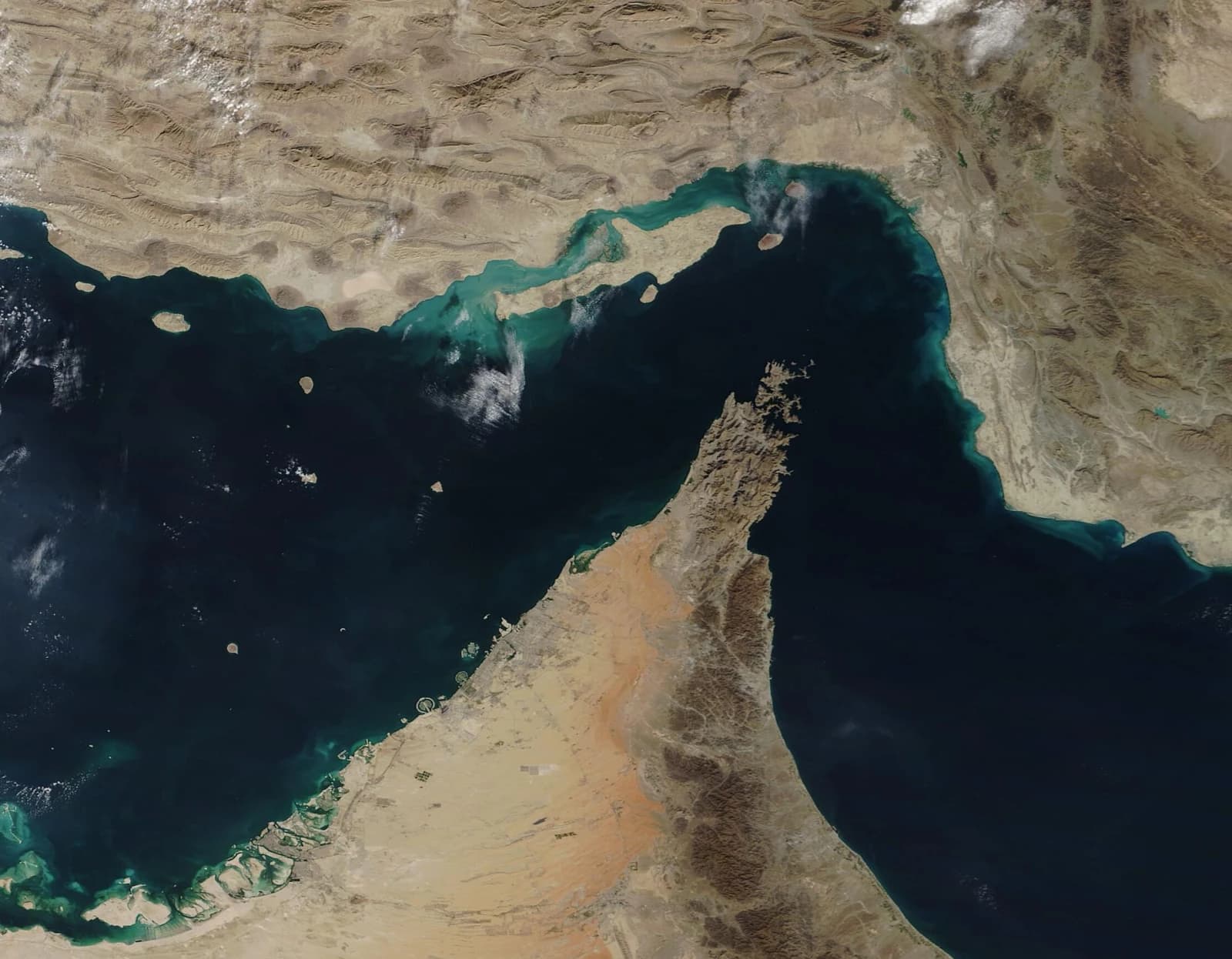
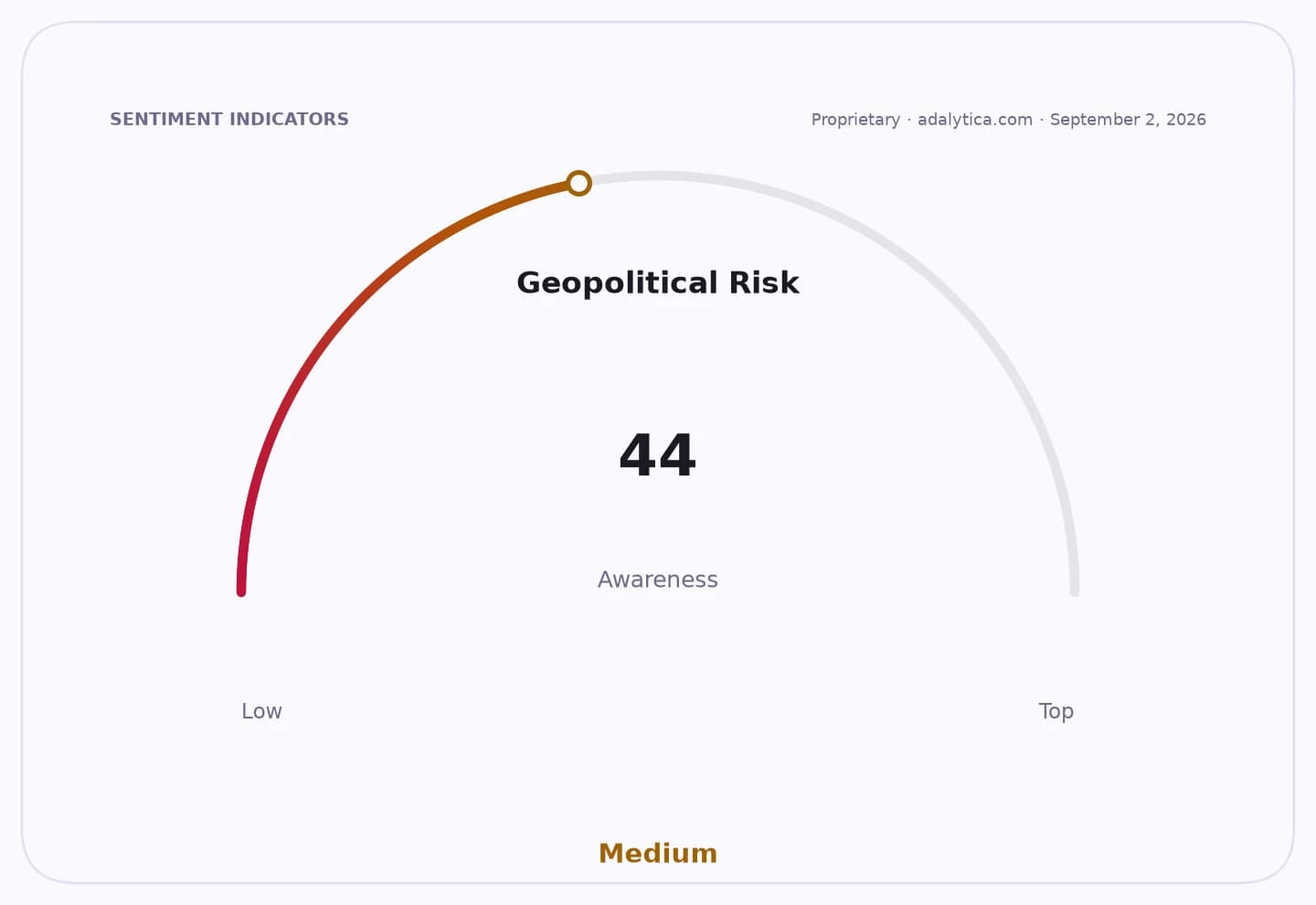
The timing also matters. LNG markets remain tight as geopolitical risk around the Gulf and the Strait of Hormuz keeps supply chains fragile. The fact that Pakistan has reportedly reached out to Iran to help ensure safe passage shows how exposed LNG importers remain to regional tensions. Even when cargoes are contracted, they are not truly delivered until they clear one of the world’s most strategically sensitive shipping lanes.
That is why Qatar remains such an important supplier. The country is one of the world’s most reliable LNG exporters, and long-term deals like Pakistan’s are becoming increasingly valuable as buyers in Europe and Asia compete for limited supply. For Pakistan, locking in volumes through Qatar is less about chasing the lowest price than about avoiding the kind of fuel shock that can ripple through power tariffs, industrial production and the government budget.
The investment takeaway is straightforward: LNG is still the fuel of resilience for energy-importing economies, but it is also a reminder of how geopolitics can determine economic stability. Pakistan’s repeated receipts from Qatar suggest a degree of near-term supply discipline, which is supportive for power availability, but the country’s heavy dependence on imported gas means the risks are still structural. Long-term investors should watch LNG infrastructure, shipping routes and contract durability, because those factors will shape energy costs for years, not weeks.
| Entity | Gains | Losses |
|---|---|---|
| Pakistan power sector | ▲More reliable fuel supply | ▼Less exposure to emergency spot purchases |
| Qatar LNG exporters | ▲Stable long-term demand | ▼Less pricing flexibility |
| Pakistan consumers and industry | ▲Lower outage risk | ▼Still vulnerable to import costs |
| Spot LNG sellers | ▲Fewer premium crisis sales | ▼Lost share to contracted cargoes |