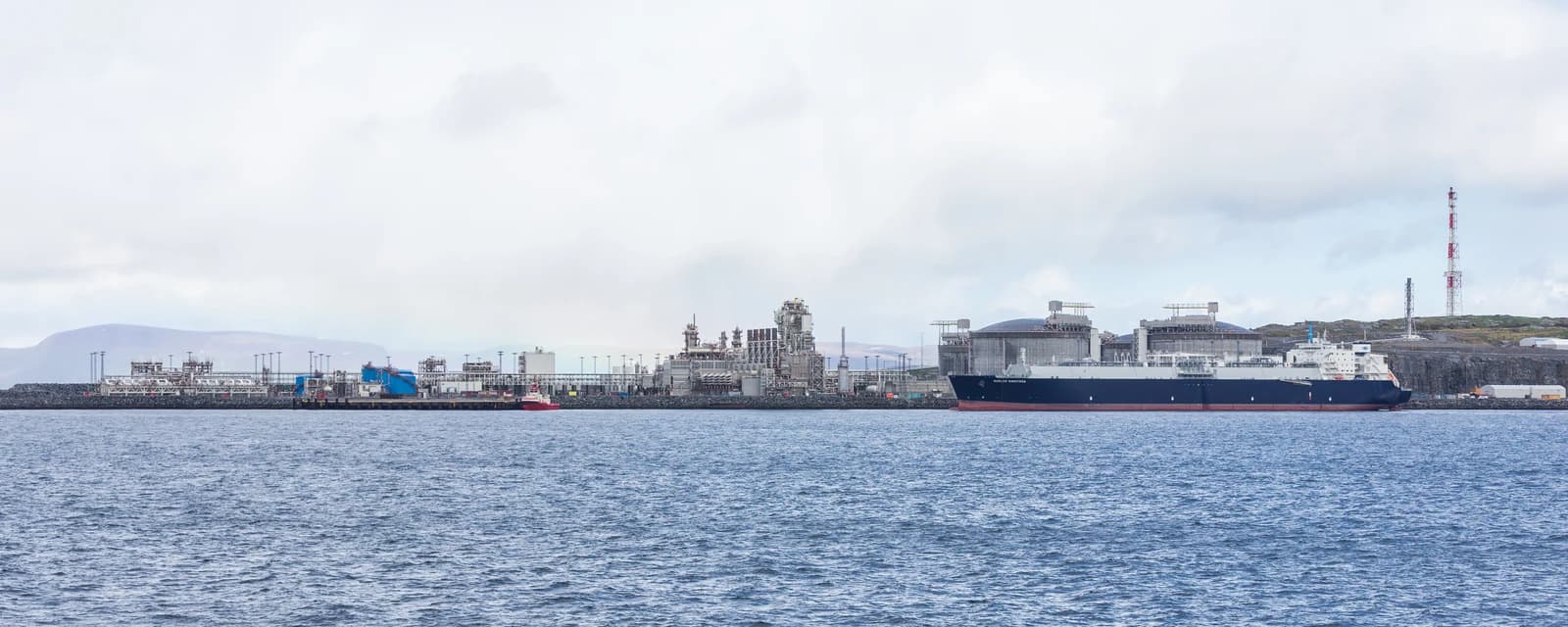
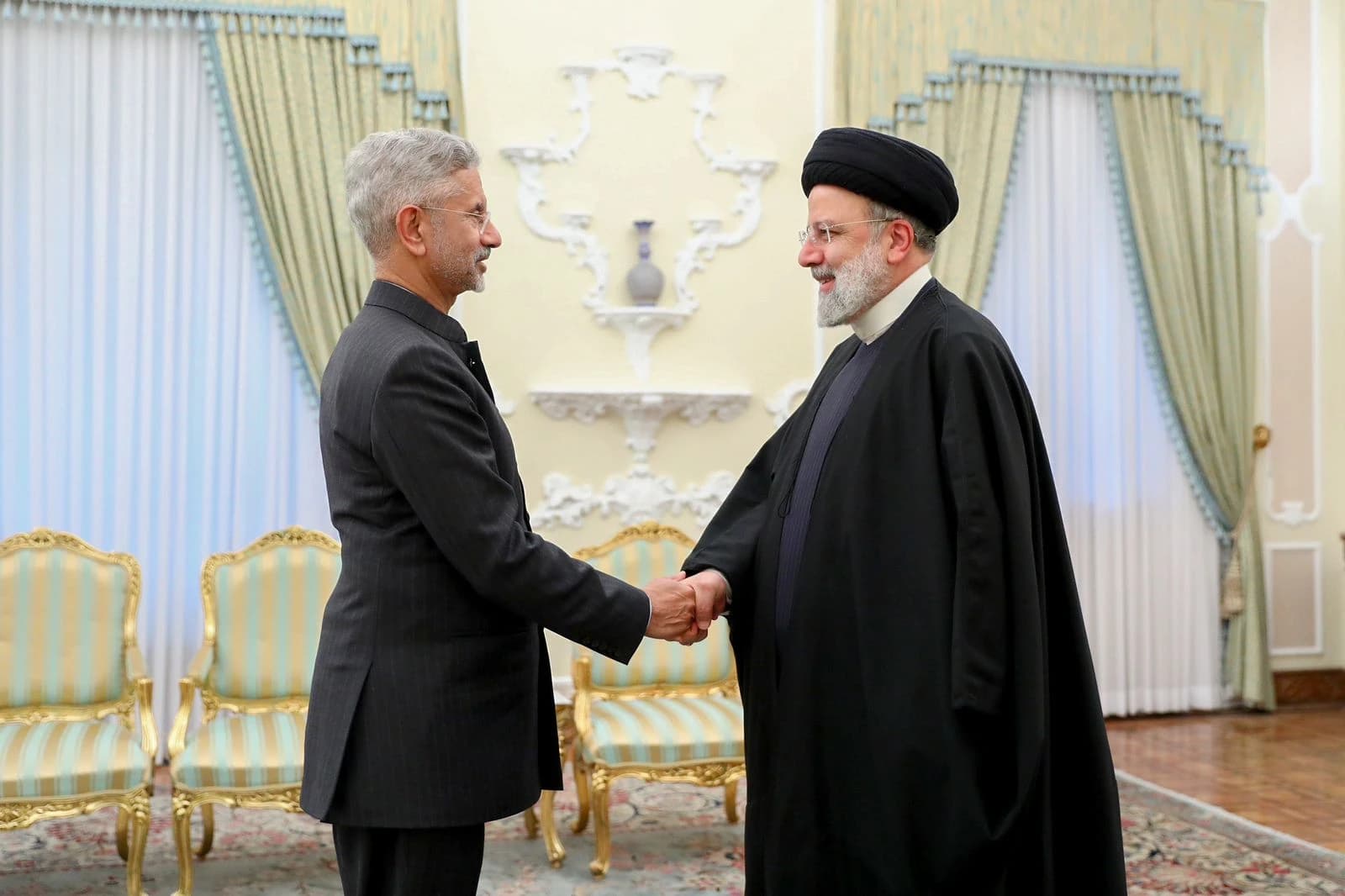
A Trump-Xi agreement to lower China’s tariff on U.S. liquefied natural gas could restore about 14 million tons a year of blocked American exports, giving U.S. producers a major new outlet while weakening Iran’s leverage over Beijing’s energy security.
China LNG Tariff Cut Could Revive U.S. Exports
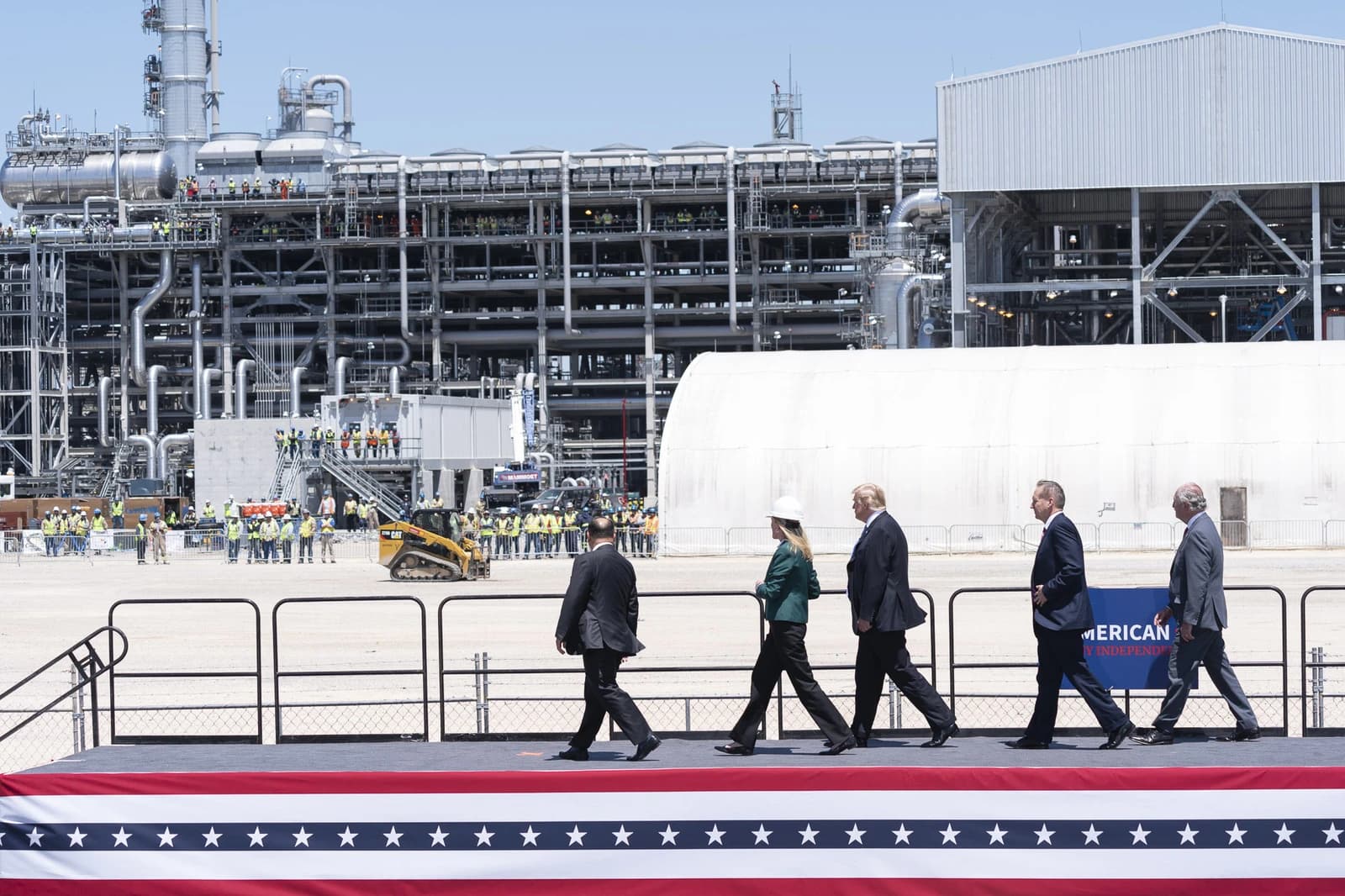
The economic stakes are larger than a narrow trade truce. For the U.S. LNG industry, a political green light from Beijing would turn existing contracts back into revenue-generating cargoes after shipments collapsed from 64 vessels in 2024 to effectively zero this year, following China’s 15% tariff on American LNG. Bloomberg estimates the stranded contract book at roughly $6 billion at long-term prices, a scale big enough to matter for exporters expanding capacity and for the broader U.S. balance of trade.
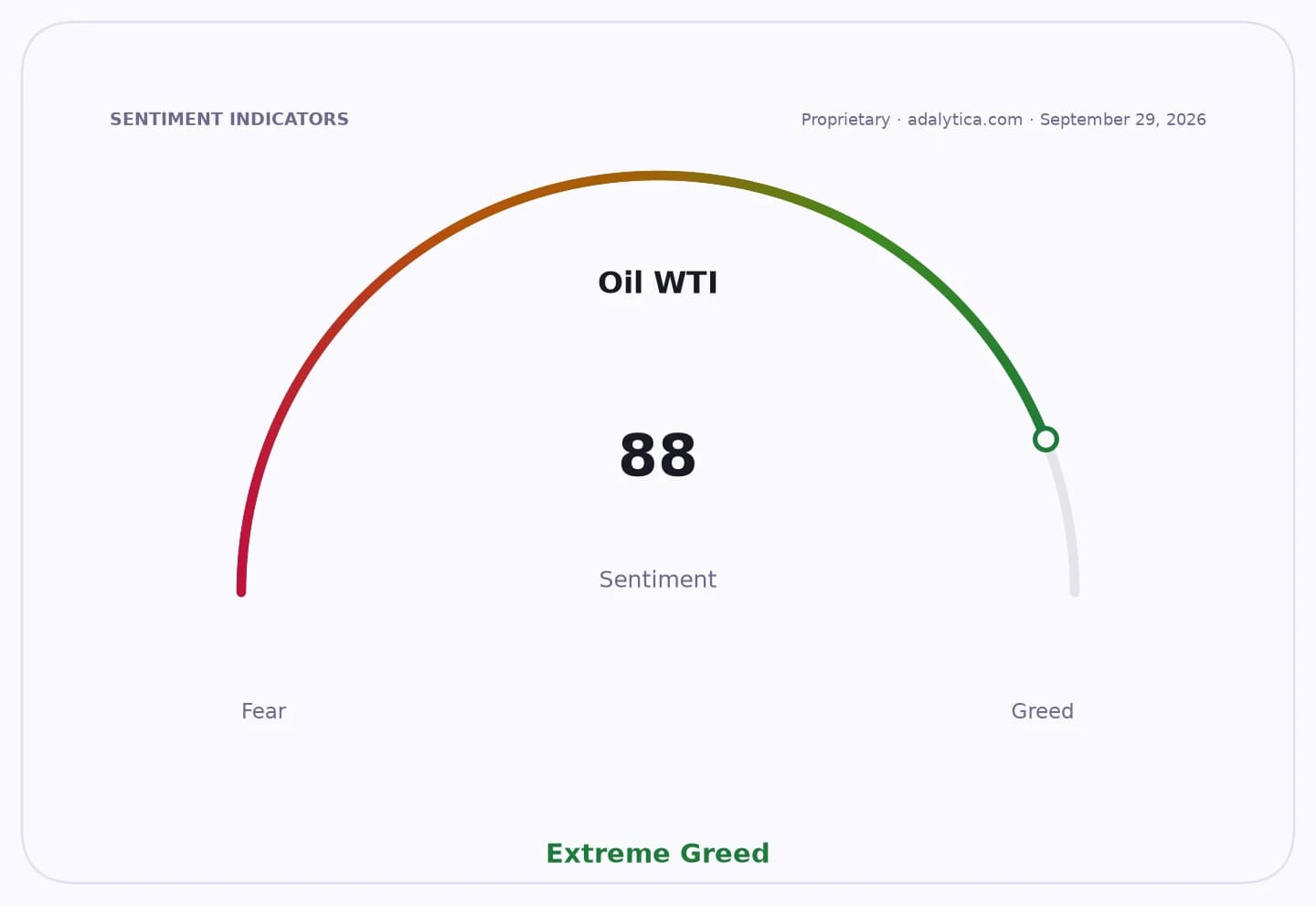
Sentiment IndicatorsⓘProprietary · adalytica.com · September 30, 2026
This is a snapshot — live sentiment, awareness and momentum for 130+ markets update continuously in the dashboard.Open AlphaPulse
For China, the appeal is strategic as much as commercial. A return to U.S. LNG would give Beijing a hedge against disruptions in the Gulf, where sanctions, war and attacks on the Strait of Hormuz have made Middle Eastern supply less reliable. Columbia University’s Center on Global Energy Policy said China sourced about one-third of its LNG from the Middle East in 2025, with Qatar alone providing roughly 28%. When Hormuz was effectively closed after U.S. and Israeli strikes on Iran in late February, Asian LNG imports fell to a six-year low, underscoring how exposed China’s import system remains to geopolitics.
That vulnerability is why the proposed deal would matter far beyond tariff arithmetic. China has already shown it is willing to keep buying Russian and Iranian energy when convenient, but the data suggest those supplies are neither sufficient nor dependable enough to displace a stable U.S. LNG flow. Reuters reported that Chinese purchases of Iranian crude fell from around 1.4 million barrels a day last year to as low as half a million this summer as sanctions tightened and a U.S. naval blockade bit. Iran’s oil may still matter at the margin, but it cannot substitute for the liquefied gas China needs, and sanctions have prevented Tehran from building the LNG export capacity that would let it compete directly.
The market response has been consistent with the strategic reading. Cheniere Energy’s shares have held well above their 200-day moving average, while the United States Natural Gas Fund has seen a sharp pickup in volume and prices that recently moved above the 50-day average, reflecting renewed interest in the export theme. Energy-linked sentiment gauges from Adalytica also show strong grease in oil and broader geopolitical stress, a sign that investors are still pricing supply risk even as trade talks raise the prospect of a different kind of rerouting: from the Middle East to the U.S. Gulf Coast.
For Iran, that is the most damaging part of the story. If China secures American LNG on longer-term terms, it reduces its exposure to a Gulf chokepoint Tehran can threaten and becomes less reliant on sanctioned Iranian barrels sold at steep discounts. That would erode one of Tehran’s few remaining economic bargaining chips and make sanctions pressure more effective, not less.
The talks are unfinished and officials have been careful not to overstate the outcome. But the outline is already clear: cut or eliminate the Chinese LNG tariff, revive the U.S.-China contract book, and let a new commercial bridge form just as geopolitical risk is pushing buyers to value reliability over price. If that happens, the winners are likely to be U.S. LNG exporters and Chinese importers seeking security; the losers are Iran and the Middle Eastern suppliers that have benefited from China’s search for alternatives.
| Entity | Gains | Losses |
|---|---|---|
| U.S. LNG exporters | ▲Restored China access | ▼No tariff relief delay |
| China | ▲Energy security hedge | ▼Reliance on Gulf supply |
| Iran | ▲Discounted oil sales | ▼LNG leverage |
| Qatar/Middle East suppliers | ▲Short-term demand fallback | ▼Market share to U.S. gas |