Xi Jinping’s call for Donald Trump to return the U.S. to negotiations with Iran and take a clearer stance on Taiwan underscores how Beijing is trying to shape the next phase of Washington’s foreign policy before it hardens into a more confrontational line.
Xi Urges Trump on Iran Talks, Taiwan Stance
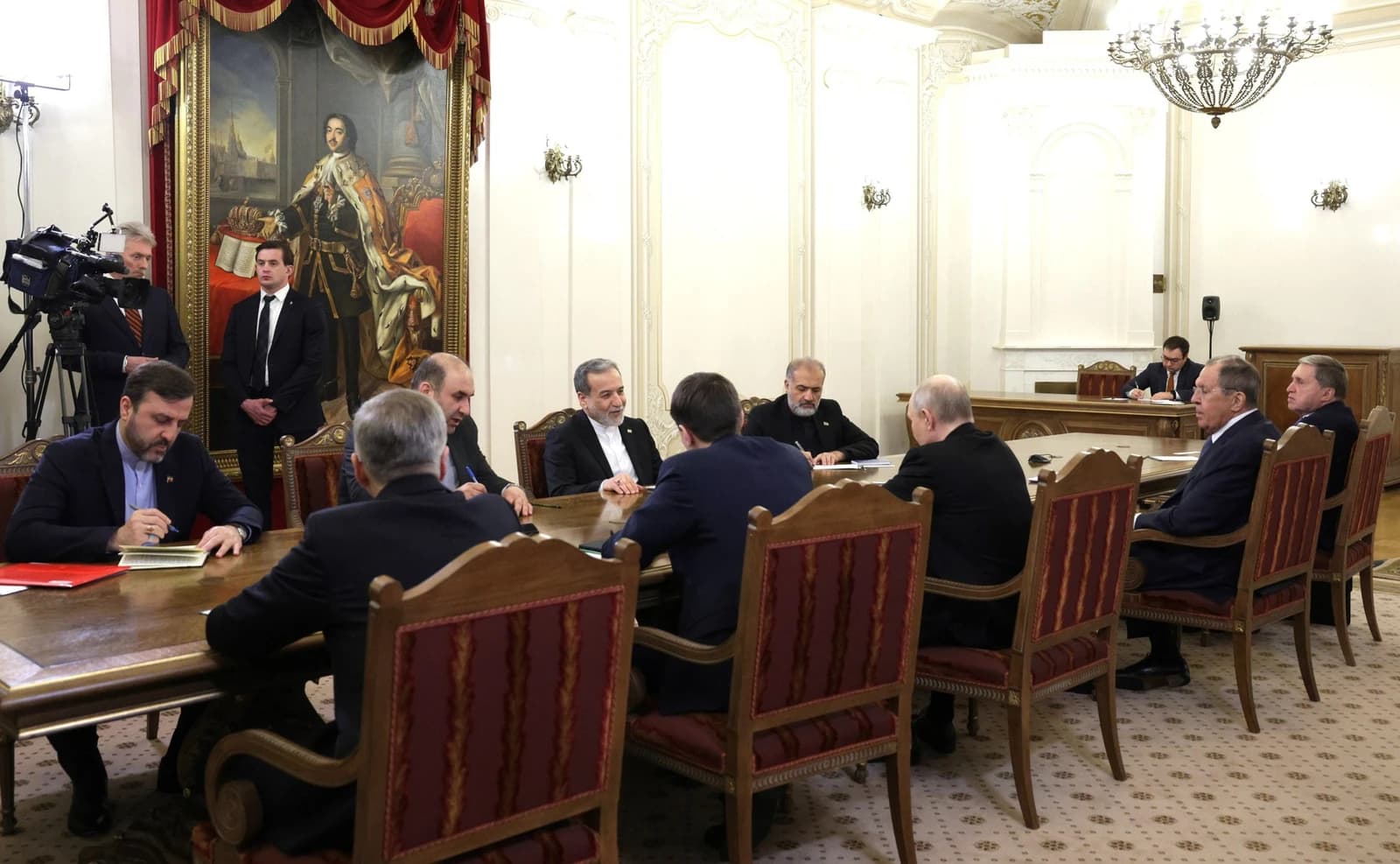
The message matters because Iran and Taiwan sit at the center of two of the most destabilizing fault lines in global markets: Middle East security risks that can jolt oil and shipping, and U.S.-China tensions that can reverberate through trade, semiconductors and defense spending. Xi’s appeal, carried by state media Xinhua, is aimed at lowering the odds of miscalculation on both fronts while also pressing Washington to acknowledge Beijing’s red lines.
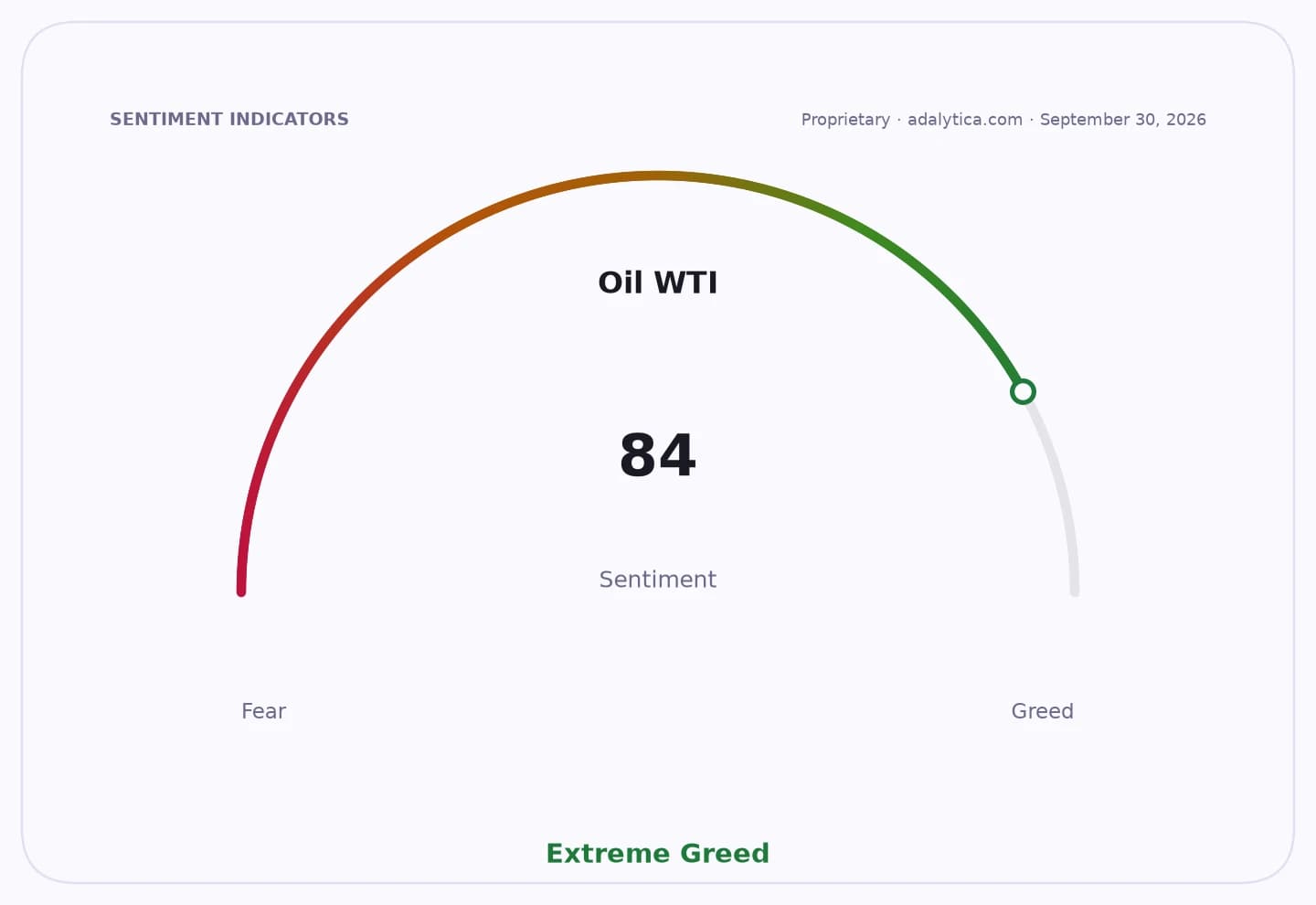
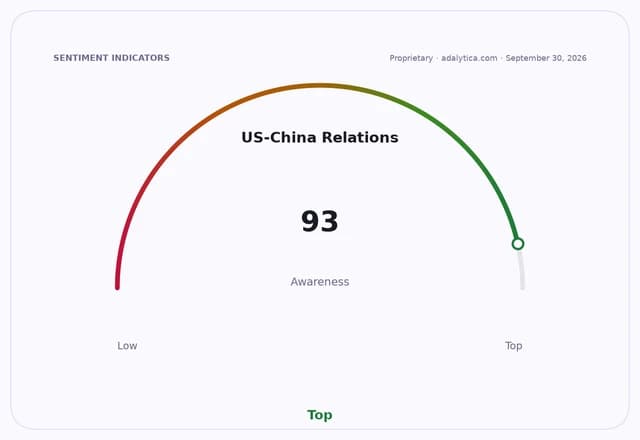
Sentiment IndicatorsⓘProprietary · adalytica.com · September 30, 2026
This is a snapshot — live sentiment, awareness and momentum for 130+ markets update continuously in the dashboard.Open AlphaPulse
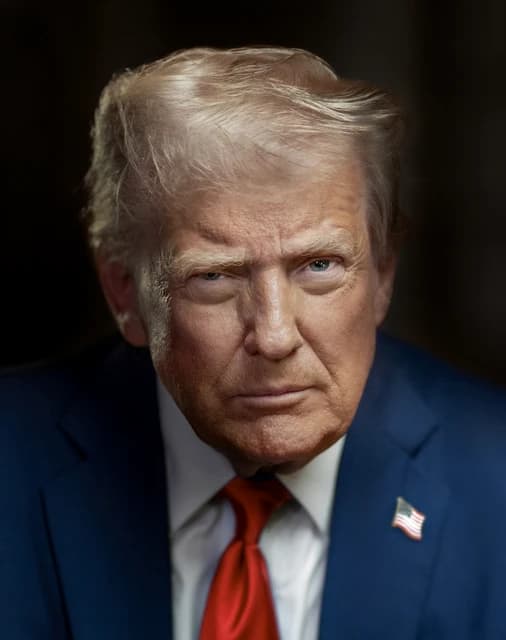
For investors, the significance is less about the diplomatic language than about what it implies for policy risk premiums. A renewed push for U.S.-Iran engagement would be read as modestly bearish for energy prices if it eases sanctions pressure or reduces the chance of escalation, though any progress would likely be slow and politically fragile. On Taiwan, by contrast, Beijing’s demand for an “appropriate” U.S. position reinforces the idea that the island remains the most market-sensitive flashpoint in U.S.-China relations, with implications for defense contractors, Asian supply chains and semiconductor-linked assets.
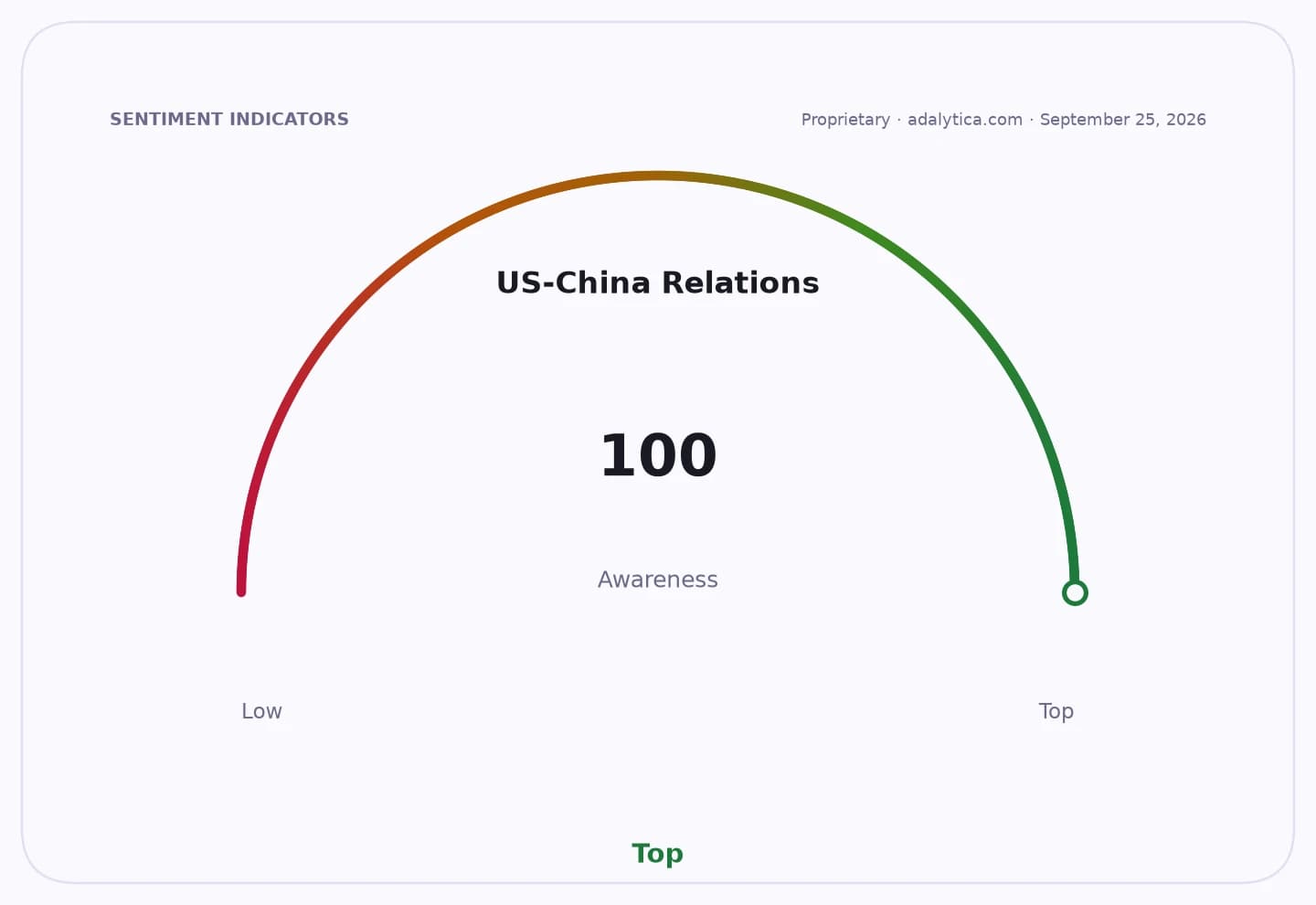
That geopolitical backdrop has already fed through to markets. The Bloomberg-style global stability gauge from Adalytica shows sentiment at 86, in “Extreme Greed,” while awareness remains at 4, or “Extreme Fear,” suggesting investors are pricing in optimism even as underlying vigilance stays low. The U.S.-China relations gauge is even more elevated, with sentiment at 89 and awareness at 93, both in “Extreme Greed,” indicating that the market is acutely attuned to the relationship even if it is not yet pricing a major shock. By contrast, the energy proxy XLE has retreated to $61.54 from a recent high of $65.54, while sitting above its 200-day moving average, leaving the sector still in an uptrend but vulnerable if diplomatic rhetoric around Iran eases crude-risk premiums.
The defense complex has also reflected the swing in geopolitical risk. Lockheed Martin has fallen to $512.21 from an August peak of $668.17 and is now below both its 50-day and 200-day moving averages, while RTX has slid to $186.94 from $225.49 and is trading under its 200-day average as well. That does not mean long-term defense demand is fading; rather, it shows how sensitive the group remains to changing expectations around conflict intensity, procurement visibility and the pace of budget recognition.
The bull case for Beijing’s message is that it opens a narrow path toward de-escalation if Washington is willing to engage on Iran and avoid sharper language on Taiwan. The bear case is that the call hardens the perception that China is seeking concessions on core sovereignty issues while offering little in return, making compromise with Trump politically difficult and leaving markets exposed to further rounds of tariff, technology and security friction.
For now, the key investor takeaway is that Xi’s comments are a reminder that geopolitical risk is not fading; it is becoming more concentrated around a few high-impact issues. If Trump responds by leaning into talks with Iran or softening his Taiwan posture, the immediate beneficiaries would likely be oil-sensitive sectors and broader risk assets. If he does the opposite, the first market response would probably be felt in energy, defense and the Asia-linked supply chain.
| Entity | Gains | Losses |
|---|---|---|
| Iran diplomacy backers | ▲Lower escalation risk | ▼Sanctions hardliners |
| Taiwan status quo | ▲Near-term stability | ▼Beijing hawks |
| Energy consumers | ▲Softer oil-risk premium | ▼Oil producers |
| Defense stocks | ▲Higher conflict risk | ▼De-escalation trades |