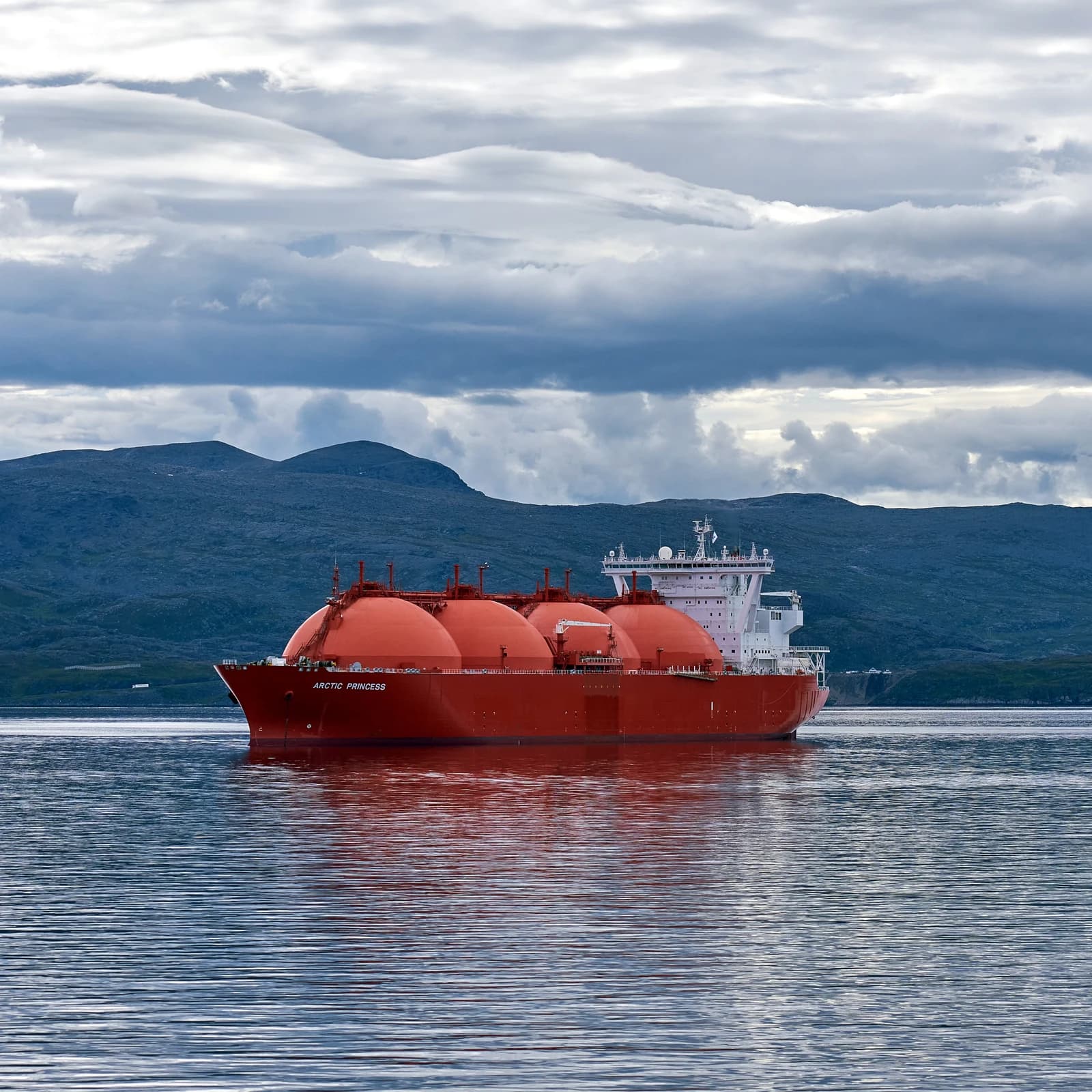
SPEC LNG’s corrective maintenance on its Cartagena floating storage and regasification unit matters because it is being done without taking the terminal offline, preserving a key import route for Colombia’s gas supply at a time when LNG infrastructure is becoming more strategically important across global energy markets.
SPEC LNG Cartagena terminal stays online during maintenance
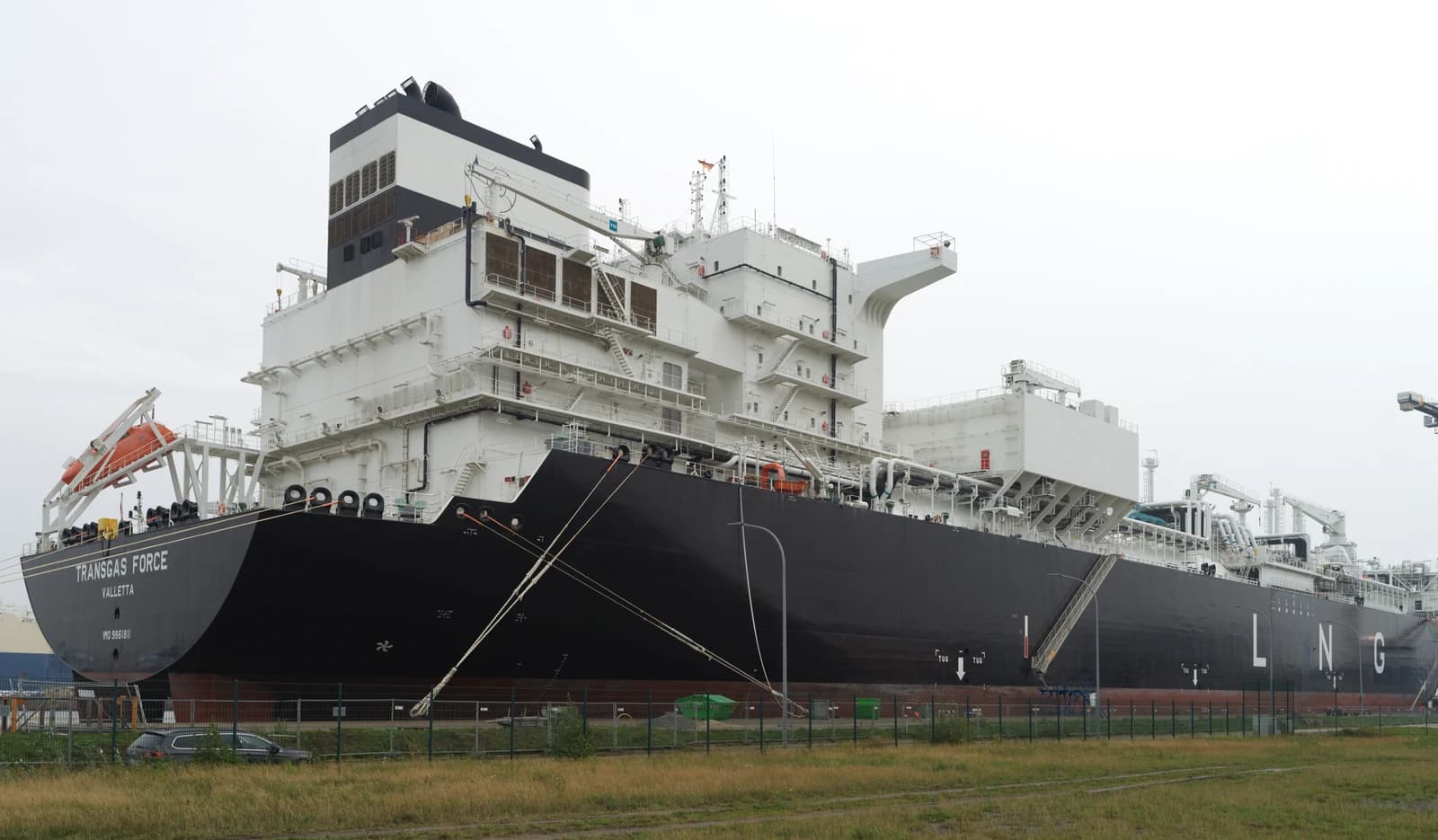
The company said one of the four trains on the FSRU is undergoing work after an unexpected operating condition, with full capacity expected to be restored within seven days. Even so, the terminal is still operating safely at 400 million cubic feet per day, a level that should ease immediate concerns over supply disruption in a country that relies on regasification infrastructure to help balance domestic gas demand.
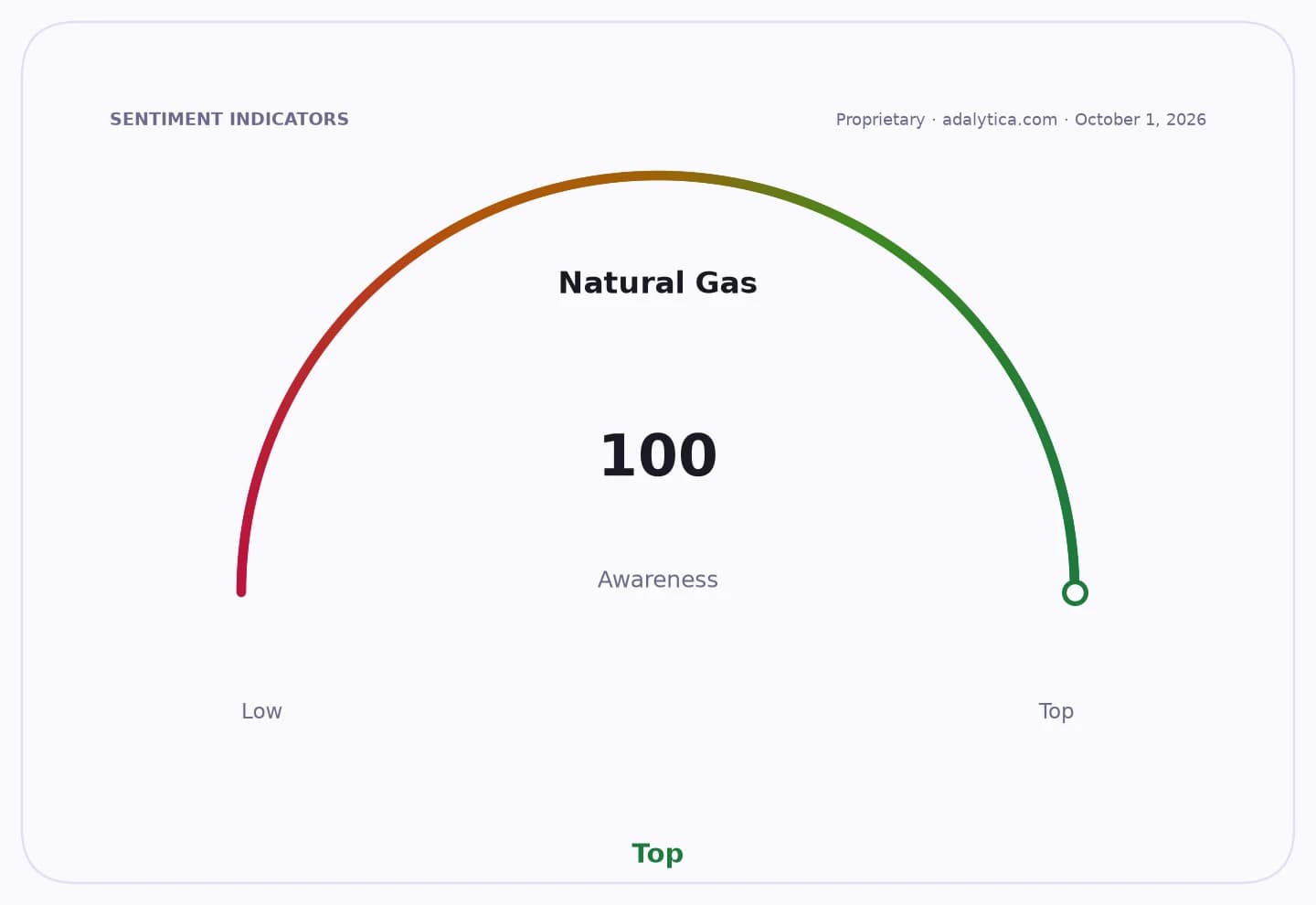
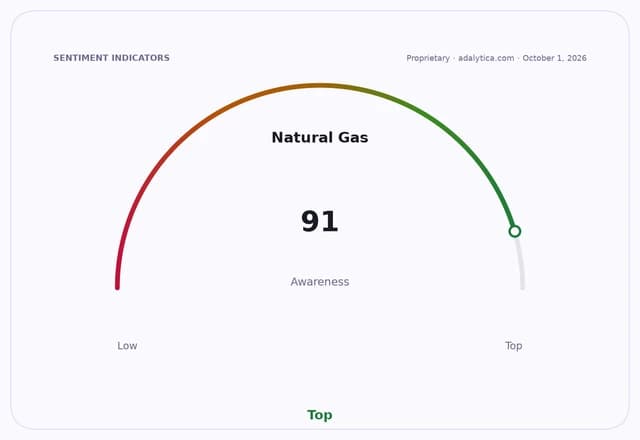
Sentiment IndicatorsⓘProprietary · adalytica.com · October 1, 2026
This is a snapshot — live sentiment, awareness and momentum for 130+ markets update continuously in the dashboard.Open AlphaPulse
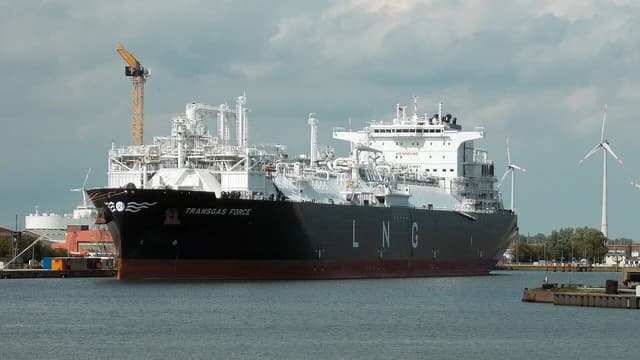
For investors, the story is less about a short maintenance window than about the resilience of LNG infrastructure and the value of assets that sit on the critical path between global gas supply and local consumption. That makes the issue relevant not only to Colombia’s energy system, but also to LNG-linked operators and shipping names that benefit from rising demand for flexible regasification capacity. The market has increasingly treated these assets as toll roads in the energy transition: boring when they work, highly valuable when supply tightens.
The backdrop is supportive. LNG markets remain tight enough that any operational hiccup gets attention, while new capacity is still being built to meet longer-term demand growth. Bloomberg News has reported that expansion work on LNG Canada is moving ahead, reinforcing the view that the industry remains in a multi-year capex cycle tied to energy security, not just commodity prices. In that environment, maintenance events like SPEC LNG’s are a reminder that reliability can matter as much as headline capacity.
Technical signals in FLNG, a peer in the liquefied natural gas shipping and infrastructure space, also point to a market that has been volatile but remains firm above both the 50-day and 200-day moving averages. The stock closed at $30.76 on Sept. 30, above its 50-day average of $30.75 and 200-day average of $28.37, while RSI readings cooled to 37.2 after a recent overbought stretch. That suggests investors are still pricing the sector as an earnings and cash-flow beneficiary, even as the near-term momentum pauses.
The bigger thesis is straightforward: the market underestimates the strategic premium on LNG infrastructure that can keep operating through maintenance, disruptions and geopolitical stress. Colombia’s Cartagena terminal is a small part of that global picture, but it sits in exactly the kind of asset class that should remain in demand as countries pay up for energy security.
For investors, the takeaway is to stay focused on LNG infrastructure owners, transporters and suppliers with exposed but durable cash flows. Temporary maintenance is not the story; the real story is the scarcity value of reliable regasification capacity in a world that still needs more gas, not less.
| Entity | Gains | Losses |
|---|---|---|
| SPEC LNG / Cartagena terminal | ▲Maintains operations | ▼Short-term maintenance burden |
| Colombia gas consumers | ▲Supply continuity | ▼Less immediate spare capacity |
| LNG infrastructure owners | ▲Higher strategic value | ▼Higher scrutiny on reliability |
| Spot LNG buyers / importers | ▲Flexible supply access | ▼Operational disruption risk |