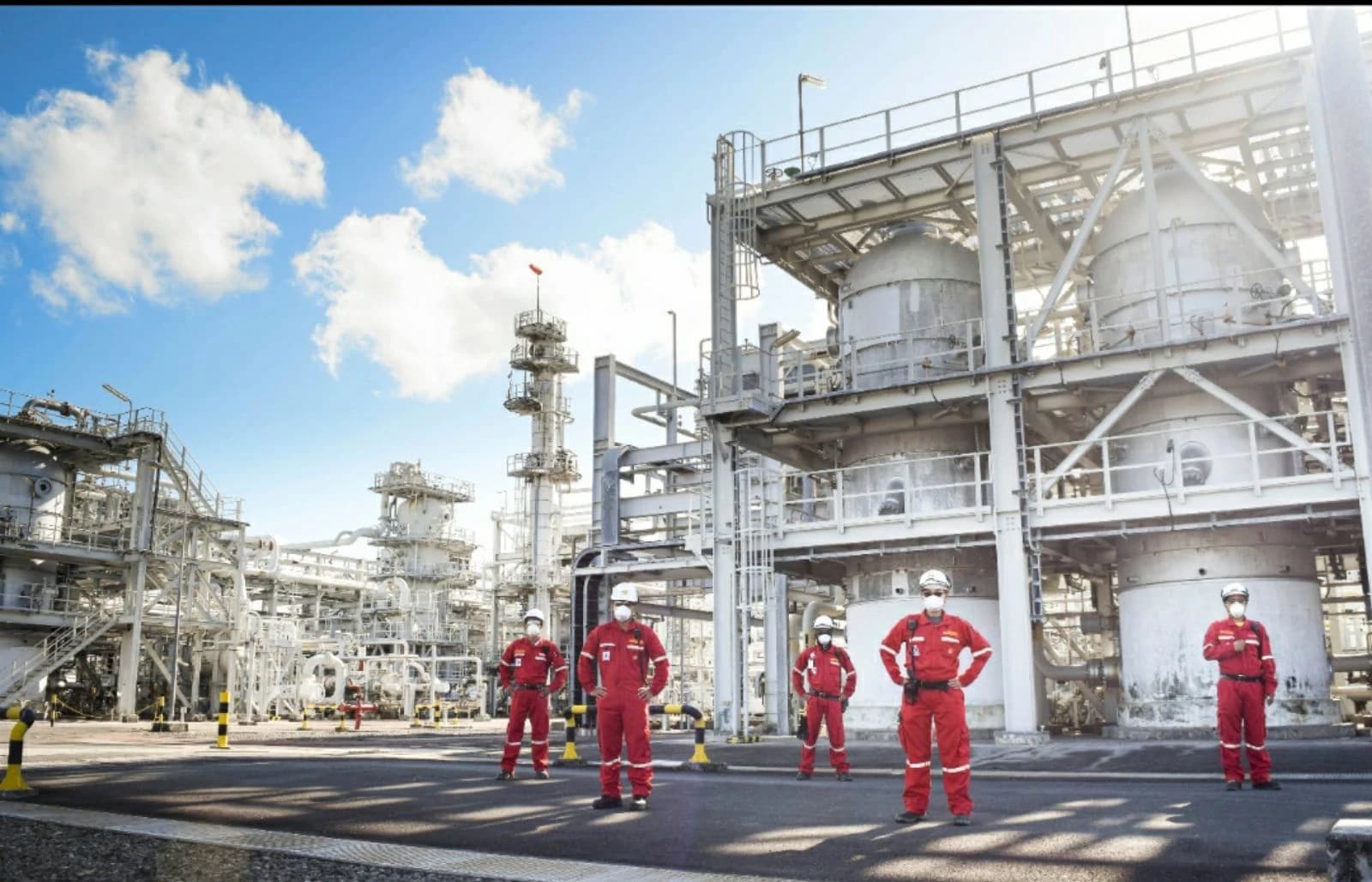
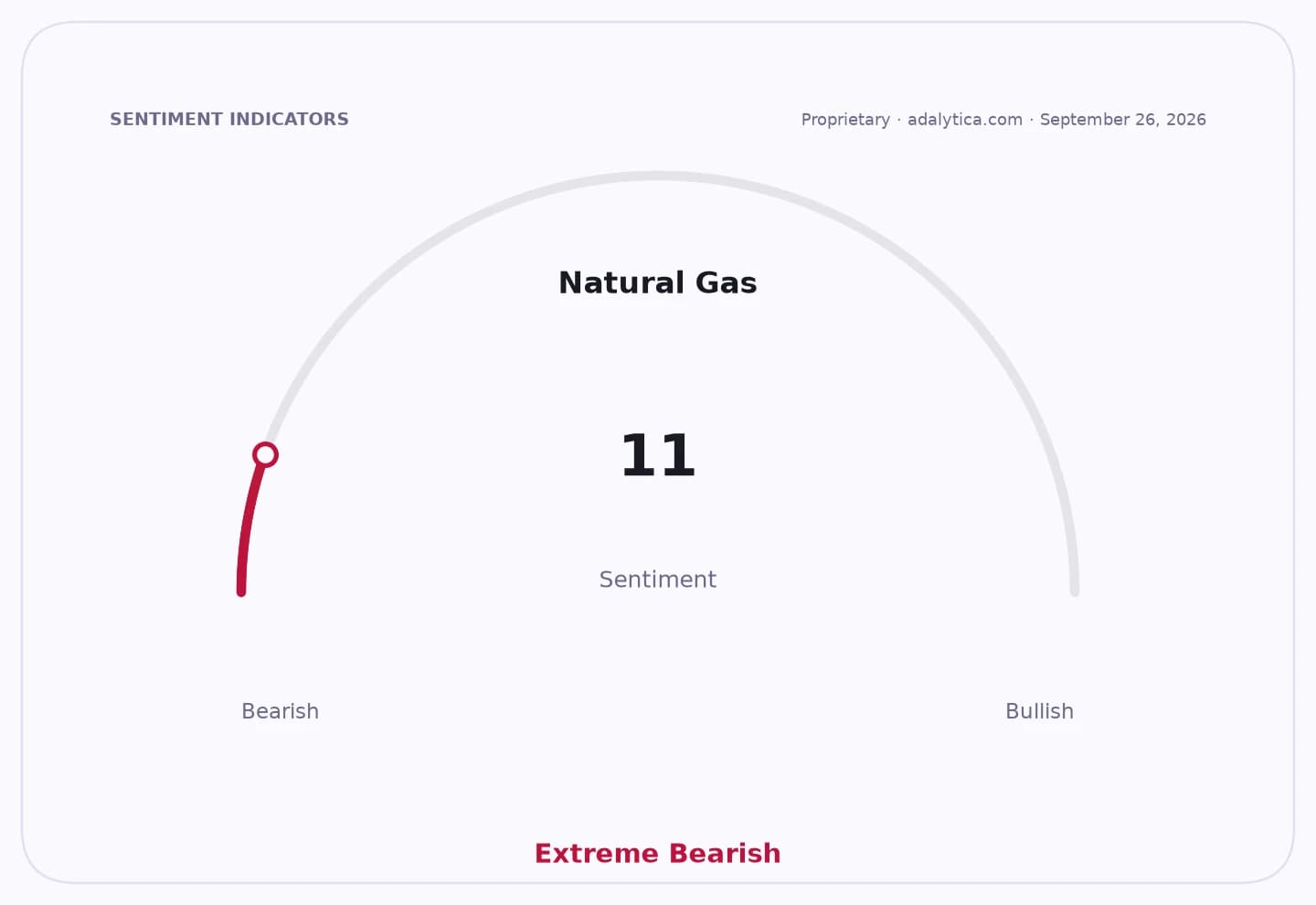
Indonesia's state-owned PLN Energi Primer Indonesia is accelerating a broad LNG buildout that could reshape how the archipelago powers homes and industry for years to come.
PLN EPI Accelerates Indonesia LNG Buildout
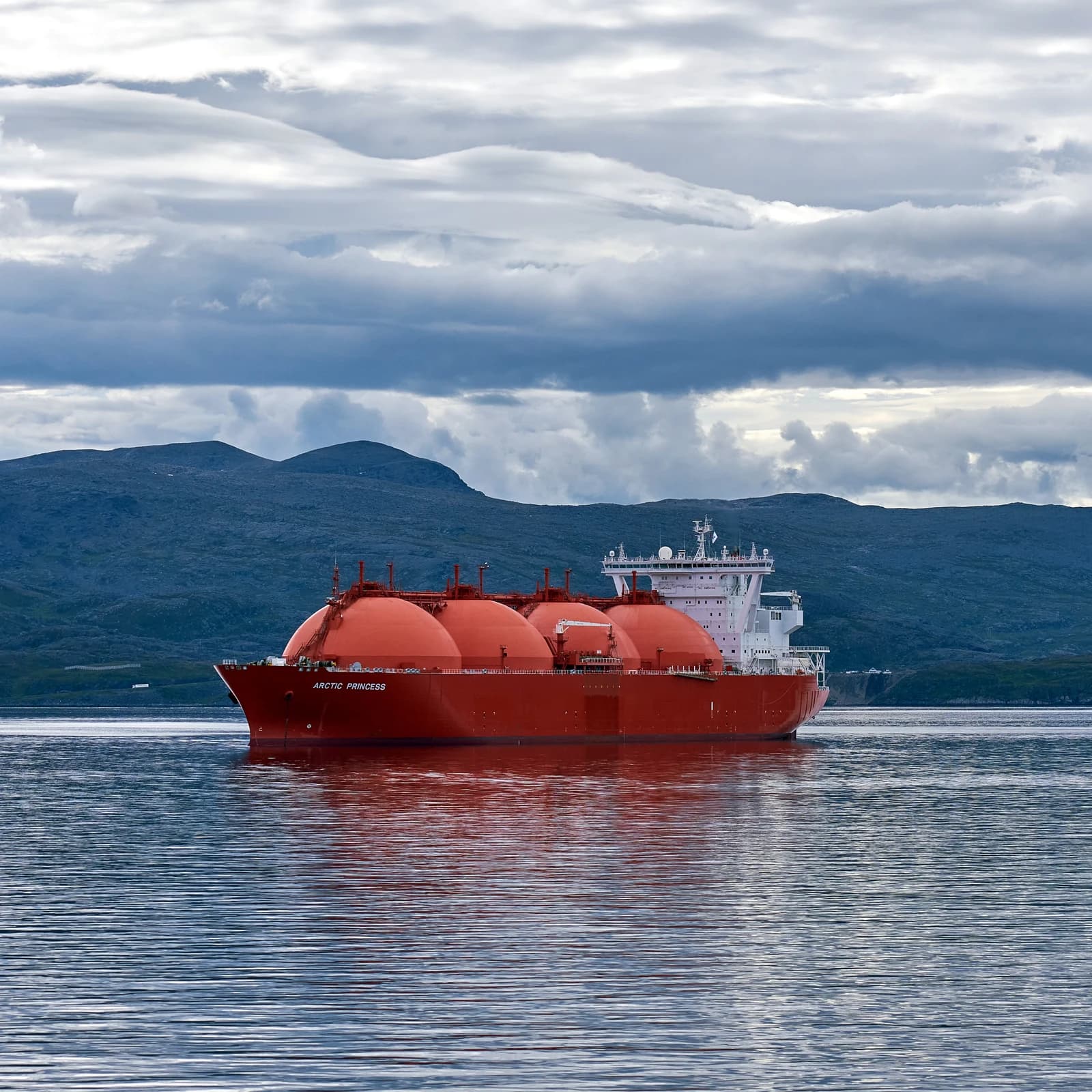
The big investment story is not just that PLN EPI wants more LNG infrastructure. It is that the company is trying to build it fast enough to reduce diesel dependence, improve grid reliability and avoid getting caught in a global bottleneck that has already stretched shipyards, equipment suppliers and contractors well into the end of the decade.
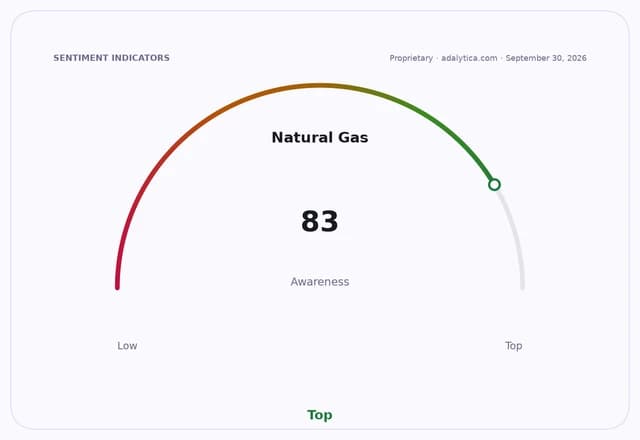
Sentiment IndicatorsⓘProprietary · adalytica.com · September 30, 2026
This is a snapshot — live sentiment, awareness and momentum for 130+ markets update continuously in the dashboard.Open AlphaPulse
That matters economically because Indonesia's electricity system still leans on expensive, polluting liquid fuel in remote areas. Replacing diesel with LNG can lower fuel costs over time, improve supply stability and support a more resilient power network across an island nation where logistics are always a challenge. In the long run, that should help free up capital for more productive uses and make power generation less vulnerable to imported fuel swings.
PLN EPI said it has been speeding up midstream LNG projects at about 25 locations since 2023 to support PLN's dedieselization program. It is now targeting nearly 20 more satellite LNG receiving terminals by 2029, spread across Nias, Sulawesi, Nusa Tenggara and Papua Utara through four joint-development clusters.
The scale of the plan underscores why execution is becoming the real constraint. PLN EPI says global shipbuilding capacity for large LNG vessels in South Korea and China is expected to be about 85 ships a year in early 2026, while the LNG orderbook had already reached 268 vessels as of March 31. Some cargo and infrastructure deliveries ordered this year are not due until 2029. In other words, having the money is no longer enough; securing a slot in the supply chain is now a strategic advantage.
For investors, that dynamic is important because it shows LNG is no longer just a commodity theme. It is becoming an infrastructure and logistics theme. That can support companies tied to terminals, regasification, floating storage and shipping capacity, while also favoring contractors and suppliers that can standardize designs, mobilize early and lock in long-cycle projects. It also explains why the LNG supply chain remains attractive even when spot prices soften: the bigger money may be in building the system, not just selling the gas.
PLN EPI is responding by managing its projects as one integrated portfolio rather than a collection of separate assets. The company is coordinating FSRUs, LNG carriers, regasification facilities, storage tanks, pipelines and power-plant connections in sync, while considering conversions of existing LNG ships into floating storage and regasification units if newbuild capacity stays tight.
That is a sensible playbook for a market where industrial bottlenecks can be as important as financing. It also fits a broader emerging-market pattern: countries want LNG not as a luxury fuel, but as a bridge to energy security and better grid reliability. The result is a demand base that can be surprisingly durable, especially in regions where diesel imports are costly and local supply is uneven.
The opportunity, of course, is not without risk. Conversions may not always be faster or cheaper than newbuilds, and Indonesia will still need foreign technology for specialized work. But PLN EPI's emphasis on domestic fabrication, tanks, piping, electrical systems and maintenance suggests a second payoff: over time, a larger project pipeline could help Indonesia build a stronger local energy-services ecosystem.
For long-term investors, the takeaway is straightforward. PLN EPI's LNG push is a reminder that the energy transition is not just about renewable power. It is also about building the infrastructure that keeps grids reliable today. That makes LNG-linked assets, shipping capacity and equipment providers worth watching, especially for investors willing to think in years rather than quarters.
| Entity | Gains | Losses |
|---|---|---|
| PLN EPI | ▲stronger grid resilience | ▼higher execution risk |
| Indonesian households and industry | ▲better power reliability | ▼continued infrastructure strain |
| LNG shipyards and contractors | ▲more long-cycle orders | ▼tighter capacity and delays |
| Diesel suppliers | ▲lower demand over time | ▼lost market share |