Pertamina Gas is signaling that Indonesia’s midstream energy system is not just holding up — it is operating above plan, with LPG output, regasification and gas transport all running ahead of targets. For investors, that matters because the story is no longer about whether energy demand exists, but whether the infrastructure and logistics backbone can keep monetizing it without disruption.
Pertagas H1 2026 Gas Output Beats Targets

Through the first half of 2026, Pertagas distributed 1,606 MMSCFD of natural gas and 151,881 barrels per day of oil, while LPG production through subsidiaries and joint ventures reached 479.78 tons per day, 6.5% above the company’s 2026 work-plan target. Regasification also came in 13% above target at 163.27 BBTUD, underscoring stronger-than-expected throughput across the chain.
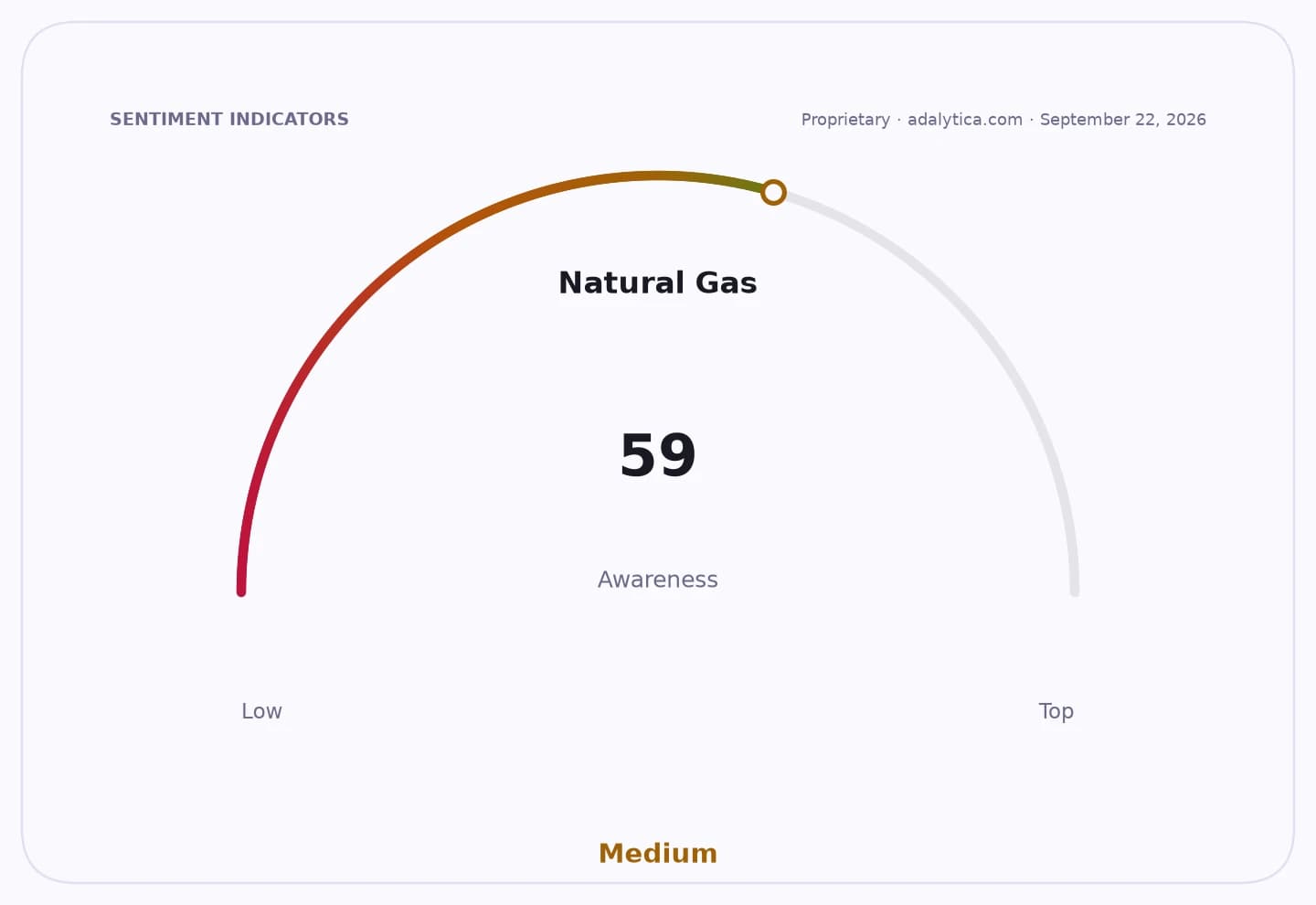
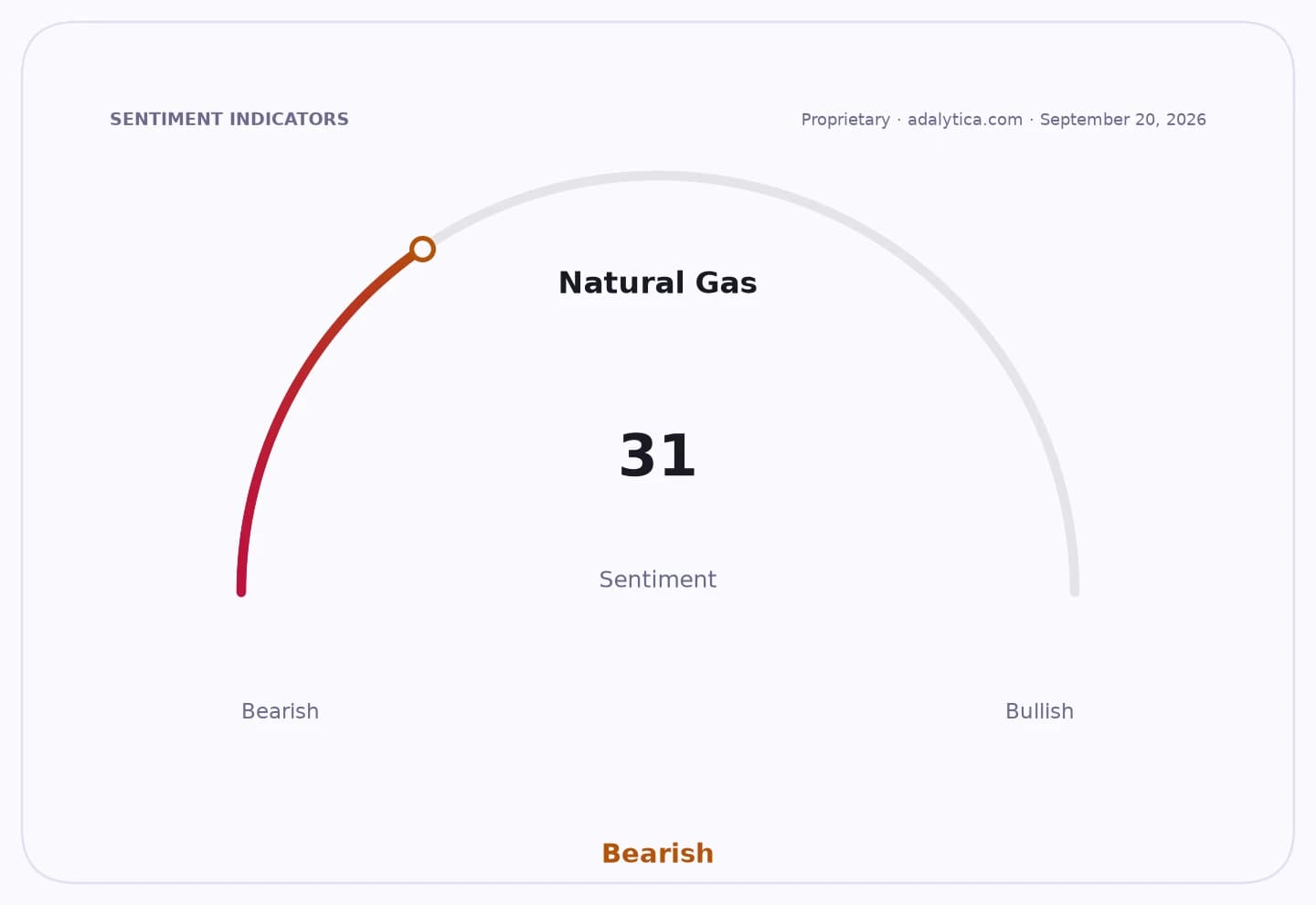
Sentiment IndicatorsⓘProprietary · adalytica.com · September 6, 2026
This is a snapshot — live sentiment, awareness and momentum for 130+ markets update continuously in the dashboard.Open AlphaPulse
That is economically significant in a country where industrial power users, fertilizer plants and city gas networks depend on reliable fuel delivery. Pertagas said its biggest customers come from power generation and fertilizers, followed by petrochemicals, oleochemicals, steel, ceramics, glass and municipal gas networks — sectors that sit at the center of Indonesia’s manufacturing base and domestic supply chain resilience. When gas transport and regasification outperform, it eases bottlenecks for those end users and supports steadier energy pricing and output.
The company’s infrastructure footprint gives it leverage in a supply-constrained market. Pertagas operates 2,991 kilometers of gas pipelines and 605 kilometers of oil pipelines, a network that functions as a toll road for Indonesia’s energy flows. That makes the company’s revenue profile less about commodity volatility and more about volume, uptime and contract execution — the kind of business the market often undervalues until reliability becomes scarce.
Customer satisfaction is also improving, with Pertagas posting a customer satisfaction index of 4.46 in 2026, up 2.53% from a year earlier and rated “very satisfied.” That may sound soft, but in midstream energy it is a hard competitive advantage: better service usually translates into stickier contracts, stronger renewal rates and lower operational friction.
The investable takeaway is straightforward. The market continues to treat energy infrastructure as a boring utility layer, but the numbers here show a strategic asset base benefitting from rising throughput and stronger service metrics. For investors looking for asymmetric exposure to Southeast Asia’s energy buildout, the winners are the pipeline and regasification operators, while the losers are the industrial users and power customers that would be first in line if reliability weakened.
| Entity | Gains | Losses |
|---|---|---|
| Pertagas | ▲Higher throughput, better service metrics | ▼Little if volumes stay high |
| Indonesian industrial users | ▲More reliable fuel supply | ▼Less room for disruption |
| Fertilizer and power sectors | ▲Steadier gas deliveries | ▼Exposure to bottlenecks if supply tightens |
| Alternative fuel suppliers | ▲Weaker competitive pressure | ▼Share if gas logistics improve |