Pakistan’s electricity demand rebounded 5.1% in August from a year earlier, a sign that lower tariffs and industrial incentives are finally pulling load back onto the grid even as fuel costs continue to squeeze utilities and threaten higher consumer bills.
Pakistan electricity demand rebounds in August
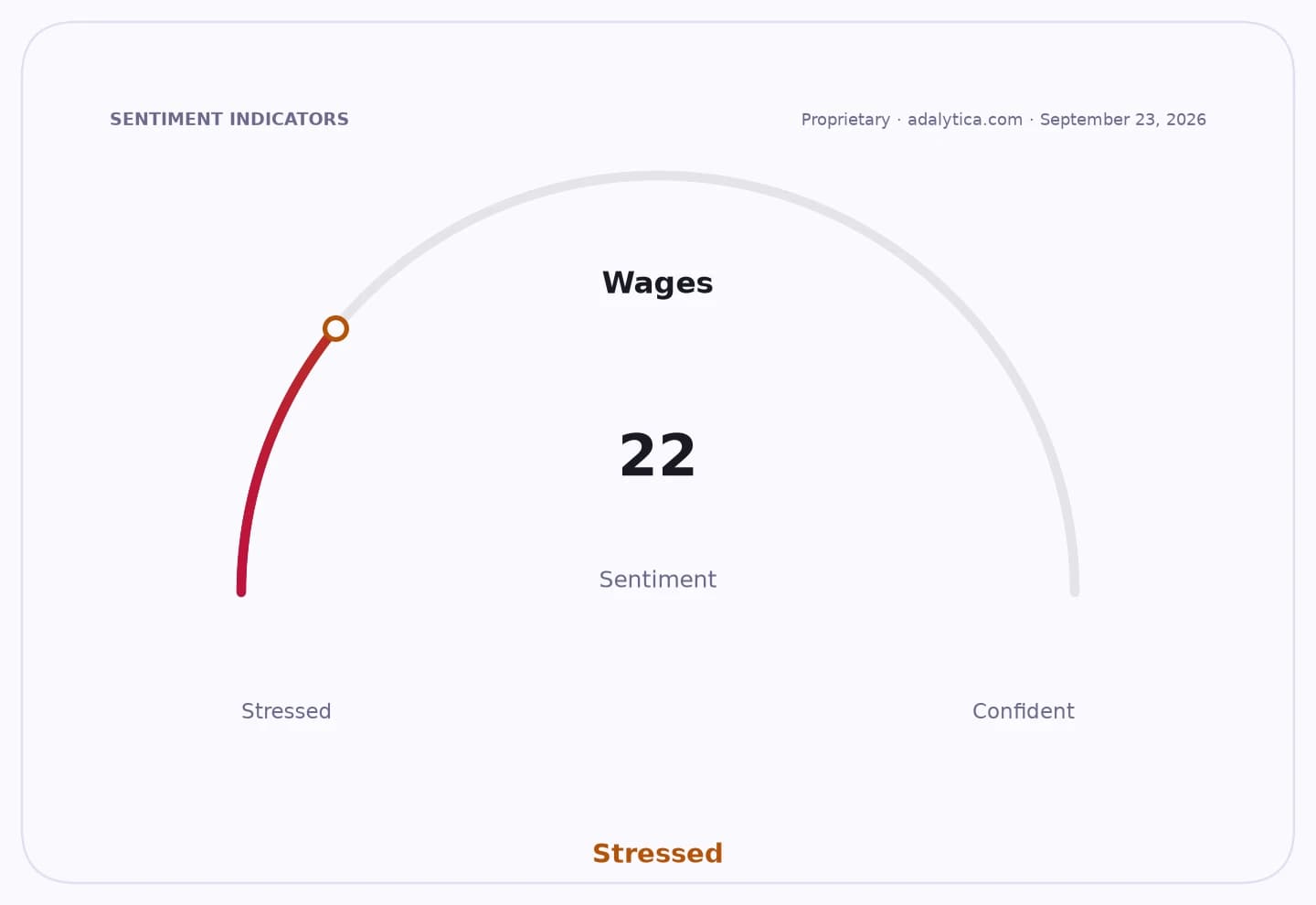
That matters because power use is one of the cleanest real-time gauges of industrial activity in Pakistan, and the August reading suggests the economy is getting a modest lift from policy support. Demand rose to 14,943 megawatts, 1.4% above the seven-year August average, after industrial consumers shifted back from captive generation and incremental packages for factories and farms encouraged more grid consumption. Large-scale manufacturing also rose 3% in July, reinforcing the idea that the recovery is not just statistical noise.
Sentiment IndicatorsⓘProprietary · adalytica.com · September 25, 2026
This is a snapshot — live sentiment, awareness and momentum for 130+ markets update continuously in the dashboard.Open AlphaPulse
For investors, the message is mixed but actionable. Higher grid demand is supportive for utilities, fuel suppliers and generators tied to regulated tariff pass-throughs, but it also exposes how fragile the system remains. The gap between adjusted fuel cost and the reference cost widened to Rs8.83 per kilowatt-hour from Rs7.10, pushing distribution companies to seek a positive fuel cost adjustment of Rs1.73 per kWh. That sets up pressure on household and business tariffs, which can quickly temper demand if the relief proves temporary.
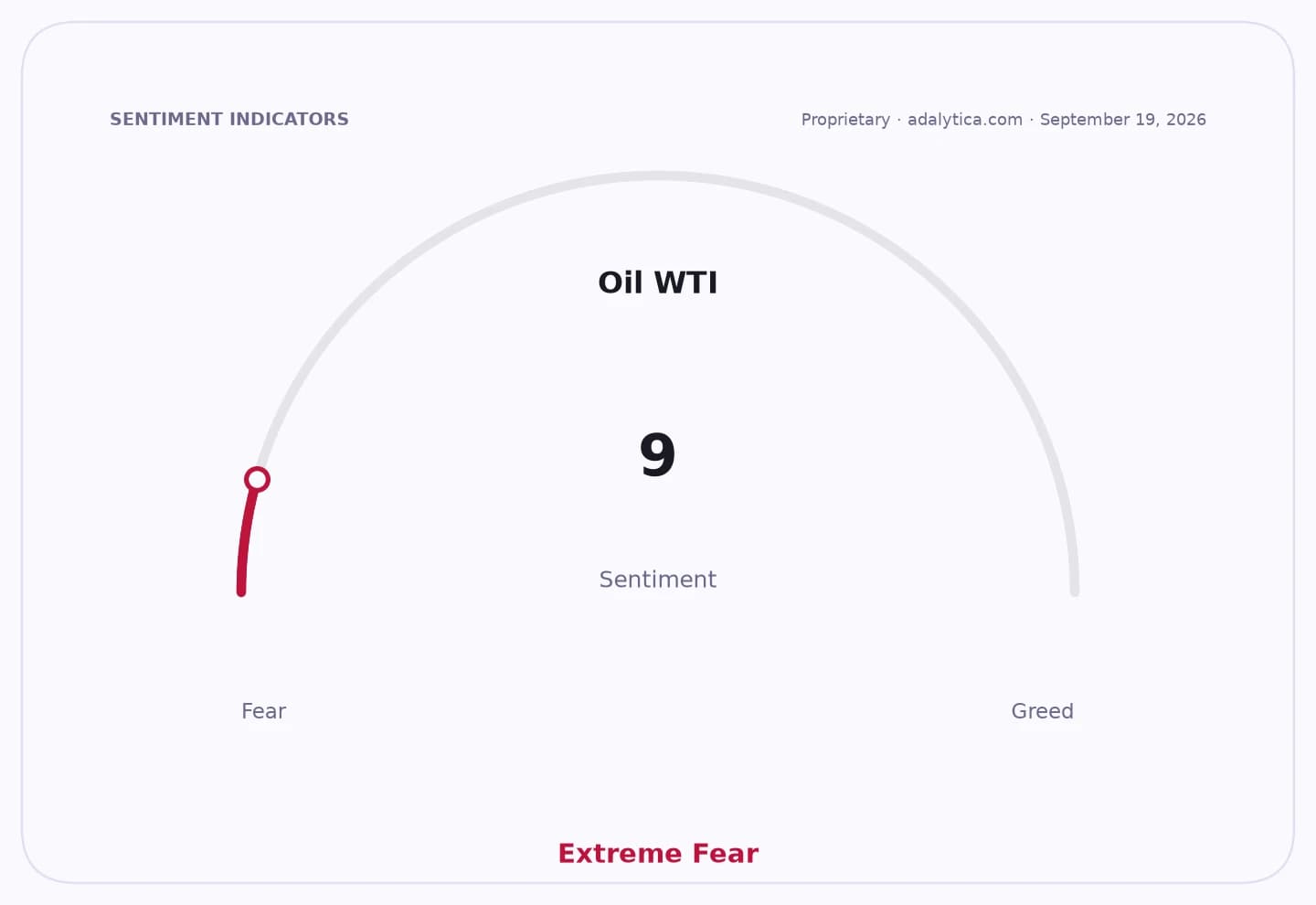
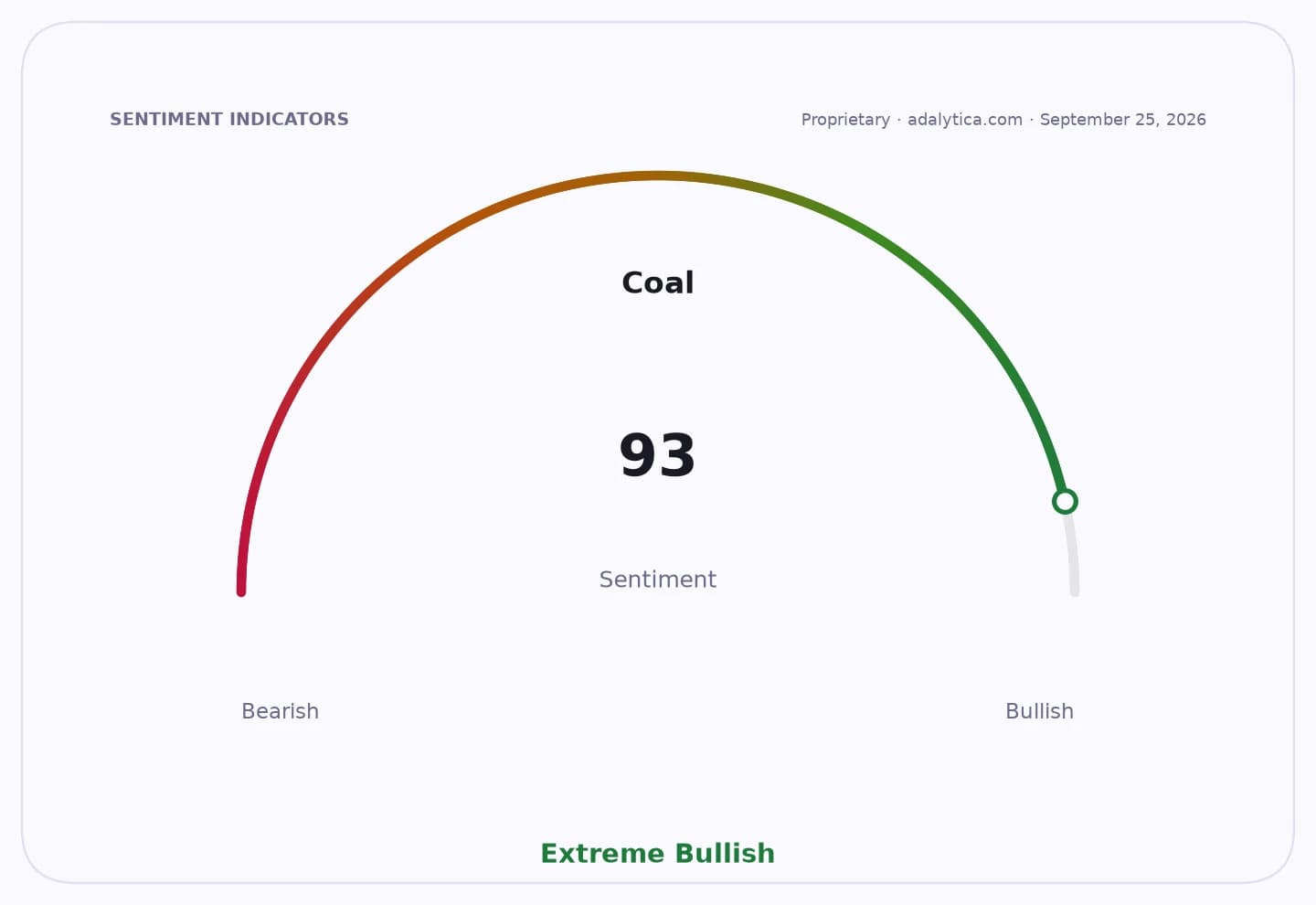
The generation mix tells the real story. Hydel output rose 2.5% year on year and coal generation jumped 53% to a record August level, while LNG-based generation fell 51.7% as imports were disrupted and long-term cargo cover thinned sharply. Furnace oil generation also surged 49% month on month. In other words, Pakistan is meeting demand with more expensive and more volatile fuels, a combination that may help near-term plant utilization but worsens the affordability problem and keeps the sector dependent on regulatory adjustments.
That is why the market should focus less on the headline recovery and more on the next round of tariff decisions. If demand keeps improving, quarterly tariff adjustments should get support. But if RLNG supply stays tight and international oil prices remain elevated, the relief from incentives could be offset by higher bills, weaker industrial margins and continued stress across the distribution network. Our thesis is that the current rebound is real, but it is still too early to call it durable without cheaper fuel or a cleaner generation mix.
| Entity | Gains | Losses |
|---|---|---|
| Power generators | ▲Higher utilization | ▼Fuel-cost volatility |
| DISCOs | ▲More billable demand | ▼FCA pressure |
| Industrial users | ▲Lower tariffs, grid access | ▼Higher future bills |
| LNG importers | ▲None | ▼Lower cargo volumes |