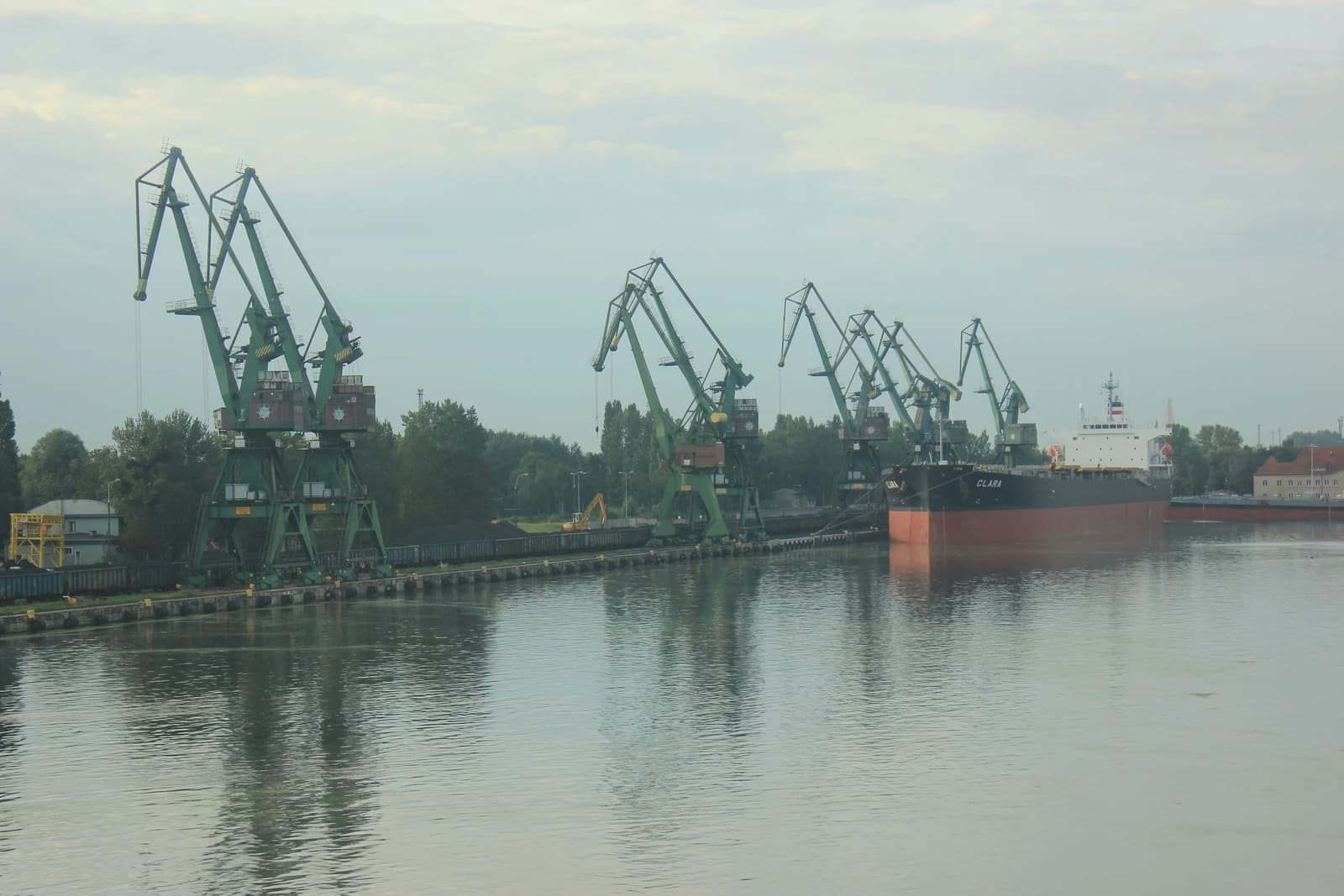
India’s coal crunch is the immediate market catalyst, but the bigger story for investors is that quality now matters more than quantity in a market already being squeezed by disrupted supply and volatile energy prices. Heavy rains in Jharkhand have left only four to five days of coal stock at 57 power plants, forcing the coal ministry and miners to race to refill inventories and avert blackouts. That is a near-term demand shock for the wrong kind of coal and a potential tailwind for miners that can deliver higher-quality product into a strained system.
India Coal Crunch Hits Power Plant Inventories

The seed headline’s focus on “too high quality coal” fits a market where low-grade domestic material may not be enough to keep some thermal plants running efficiently. If Indian utilities are being told local coal is unsuitable for current fleets, the result is not just operational stress; it is a sign that the country’s power system remains structurally dependent on imported and seaborne coal grades when supply is tight. That is economically important because India is one of the world’s most important swing buyers, and any forced change in procurement flows can ripple through thermal and metallurgical coal pricing far beyond South Asia.
Sentiment IndicatorsⓘProprietary · adalytica.com · September 9, 2026
This is a snapshot — live sentiment, awareness and momentum for 130+ markets update continuously in the dashboard.Open AlphaPulse
For investors, the setup is more interesting than the usual “coal is dead” narrative. The market is missing the bifurcation inside the coal trade: not all coal benefits equally from shortages. Low-quality supply constraints can hit domestic generators, but premium miners with the right product and logistics can see pricing support, especially if utilities and steelmakers are pushed toward imports or higher-grade blends. That is why the current dislocation matters for names like GCM and for better-positioned U.S. miners such as Peabody and Arch Resources’ peer group, where the value is in quality, not just tonnage.
The broader commodity backdrop reinforces the point. U.S. West Texas Intermediate crude has rebounded above $91 a barrel, while coal fear gauges tracked by Adalytica show extreme fear in thermal coal and only neutral-to-greedy conditions in broader global stability readings. In plain English, energy markets are not calm, and that usually favors producers with advantaged assets, cleaner grades and pricing power. The global coal market also continues to feel pressure from disrupted Indonesian supply and policy shifts in Australia and Colombia, which leaves fewer easy substitutes when India needs immediate barrels of fuel.
GCM shares have already shown the kind of volatility that comes with a commodity inflection point, but the stock’s 50-day and 200-day moving averages now sit close together around the current price, suggesting the market is still deciding whether this is a short-lived spike or the start of a more durable rerating. In a sector where operational quality, mine mix and export access matter more than broad coal beta, that decision can create mispricing. If India’s power utilities keep needing emergency supply, the winners will be the miners that can move the right coal at the right time.
My view: this is an early-positioning opportunity in coal quality, not a blanket bet on thermal coal. The best upside likely sits with producers that can serve shortage markets with premium grades and reliable logistics, while weaker domestic suppliers and import-dependent utilities absorb the pain. For investors willing to own the ugly part of the energy transition, the next catalyst is simple: another inventory drawdown, another weather disruption, or another forced import cycle could send the right coal names sharply higher.
| Entity | Gains | Losses |
|---|---|---|
| Premium coal miners | ▲Stronger pricing power | ▼ |
| Indian power plants | ▲ | ▼Inventory stress, blackout risk |
| Low-grade domestic suppliers | ▲ | ▼Displacement by imports/blends |
| Coal buyers in shortage markets | ▲ | ▼Higher fuel costs |