JERA is preparing to invest about 310 billion yen in a liquefied natural gas-fired power plant in Hawaii, a move that would speed the island’s shift away from oil and give the Japanese utility a foothold in one of the most supply-constrained energy markets in the Pacific.
JERA Plans 310 Billion Yen Hawaii LNG Plant
The project matters because Hawaii remains heavily dependent on imported fuel oil, leaving electricity costs exposed to volatile crude prices and long shipping chains. A gas-fired plant offers a lower-emissions bridge fuel as the state tries to build a fully renewable system, while also reducing the vulnerability of a grid that has been shaped by high-cost oil generation for decades.
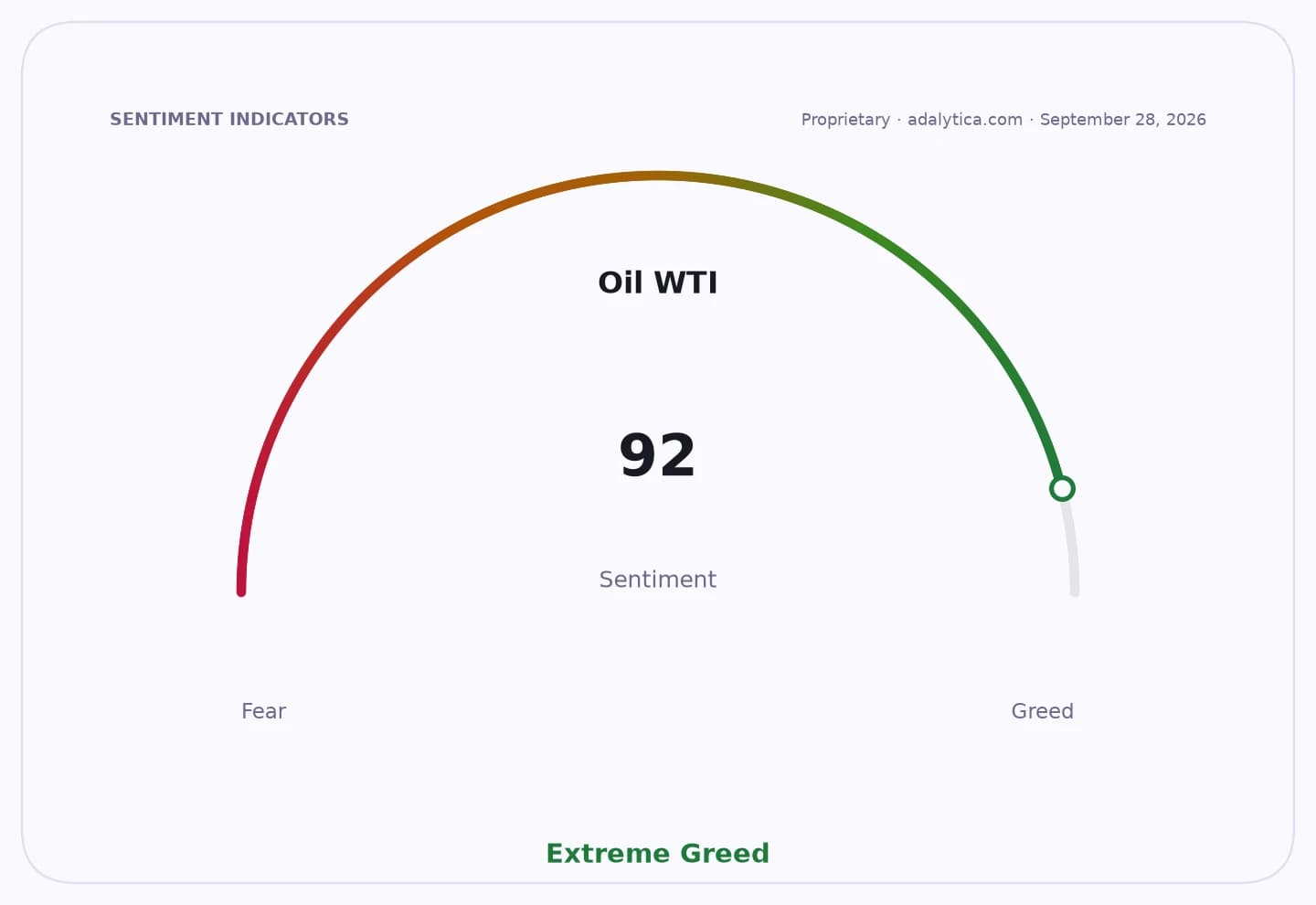
Sentiment IndicatorsⓘProprietary · adalytica.com · September 28, 2026
This is a snapshot — live sentiment, awareness and momentum for 130+ markets update continuously in the dashboard.Open AlphaPulse
JERA’s plan builds on a March proposal to modernize Oahu’s energy system with roughly 500 megawatts of hybrid combined-cycle and simple-cycle capacity backed by offshore liquefied natural gas. Hawaiian Electric, which has been under pressure to improve resilience and lower customer costs, has pointed to LNG as a transition option as the state looks to phase out low-sulfur fuel oil. The company’s filings also indicate a fuel cost-sharing structure that keeps most of the risk with ratepayers, underscoring how any replacement fuel decision will ripple through household and business power bills.
For JERA, the investment is strategically significant beyond the project economics. Japan’s biggest power producer has been seeking growth outside its home market as domestic electricity demand stagnates, and the Hawaii project would extend its LNG and utility expertise into a market where energy security is increasingly central to policy. The timing also aligns with a broader scramble for LNG infrastructure across Asia and Europe, where buyers are trying to secure supply before winter and amid tighter global availability.
Investors will likely focus on whether the project can convert policy support into durable returns. The bull case is that Hawaii needs firm capacity, LNG is the least disruptive option, and a regulated or quasi-regulated structure can provide predictable cash flow. The bear case is that LNG prices remain volatile, permitting and execution risk is high, and Hawaii’s long-term push toward renewables could limit the plant’s economics if clean-energy buildout accelerates faster than expected.
The project also has implications for the wider LNG market. If Hawaii moves ahead, it would reinforce the view that LNG remains the preferred transitional fuel for island grids and remote markets with limited domestic energy resources. But it would also add another source of demand in a market already facing competition from Europe and Asia for cargoes and infrastructure.
For investors in JERA and Hawaiian Electric, the key question is whether this becomes a template for balancing decarbonization with grid reliability — or another expensive stopgap in a market where fuel costs, regulation and energy transition timelines rarely align neatly.
| Entity | Gains | Losses |
|---|---|---|
| JERA | ▲Overseas growth | ▼Capital commitment |
| Hawaiian Electric | ▲Firm generation | ▼Transition risk |
| Hawaii ratepayers | ▲Lower oil exposure | ▼LNG price risk |
| Oil suppliers | ▲— | ▼Lost demand |