Indonesia’s plan to turn coal into gasoline would be a significant policy shift aimed at cutting fuel imports and insulating the economy from global supply shocks, but it also risks locking in another expensive fossil-fuel pathway at a time when energy markets remain volatile.
Indonesia Plans Coal-to-Gasoline Fuel Push
Energy Minister Bahlil Lahadalia said the government will follow President Prabowo Subianto’s directive to advance downstream processing of coal into alternative fuel, arguing that Indonesia should use domestic resources more aggressively to reduce reliance on imported fuel. The appeal is clear: when oil prices are unstable and geopolitical risk is elevated, countries that can turn local feedstocks into transport fuel gain a measure of security.
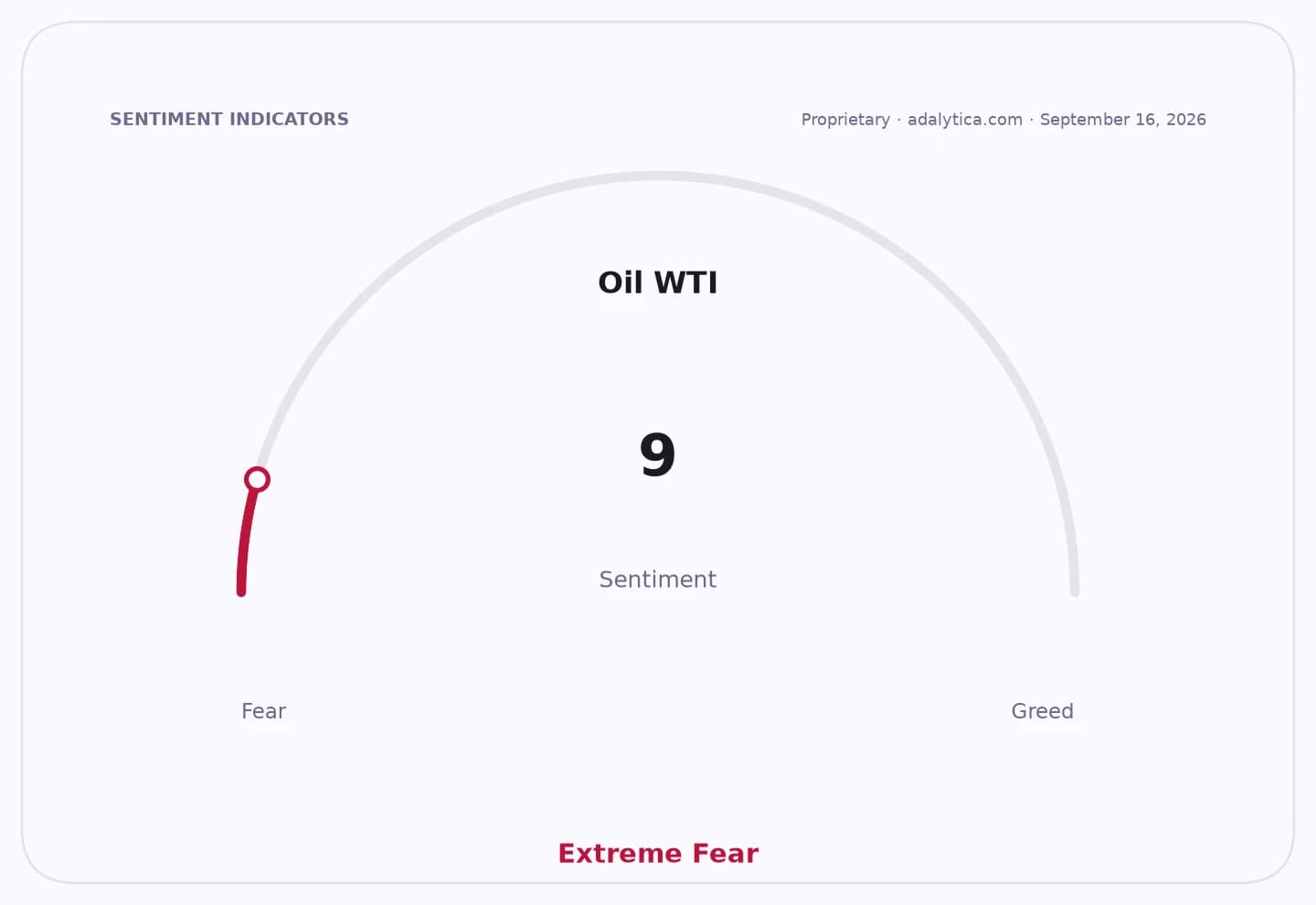
Sentiment IndicatorsⓘProprietary · adalytica.com · September 26, 2026
This is a snapshot — live sentiment, awareness and momentum for 130+ markets update continuously in the dashboard.Open AlphaPulse
The economic case, however, is more complex. Coal-to-liquid technology can help countries with abundant low-grade coal monetise reserves that are otherwise hard to sell, and Bahlil said similar technology is already used in China. But the process is capital-intensive, energy-hungry and typically only works economically when oil prices are high and policy support is strong. With Brent and US benchmark crude still elevated by historical standards, the idea has strategic merit. Yet it would require large upfront spending, significant technology transfer and a credible regulatory framework before it can meaningfully dent Indonesia’s import bill.
For investors, the proposal points to potential winners in domestic coal, infrastructure and industrial services, while raising questions for refiners, fuel importers and clean-energy developers. Indonesia Energy Corp. shares were little changed in recent trading, underscoring that markets have not yet assigned much value to the policy theme. More broadly, the move signals that Jakarta is leaning toward energy security over rapid decarbonisation, echoing a global trend in which governments are reprioritising reliability after years of volatile gas, oil and power markets.
The timing matters because coal sentiment globally has improved sharply as policymakers in the US and Europe soften some climate restrictions and focus more on supply security. Adalytica’s coal gauge shows extreme greed, reflecting renewed interest in the fuel across markets, while oil sentiment is also elevated. That backdrop improves the political case for coal-based fuels, even if it does little to solve longer-term carbon and financing risks.
The key question now is whether the government can translate the presidential directive into bankable projects. If Jakarta offers subsidies, long-term offtake support or regulatory guarantees, the plan could draw domestic and foreign partners that already signaled interest. Without that, the initiative is likely to remain more of a strategic statement than a near-term shift in Indonesia’s fuel balance.
| Entity | Gains | Losses |
|---|---|---|
| Indonesian coal producers | ▲New demand outlet | ▼Policy uncertainty |
| Fuel importers | ▲Supply diversification | ▼Potential market share loss |
| Domestic energy investors | ▲New project pipeline | ▼Capital-intensive risk |
| Clean-energy developers | ▲None | ▼Slower transition momentum |