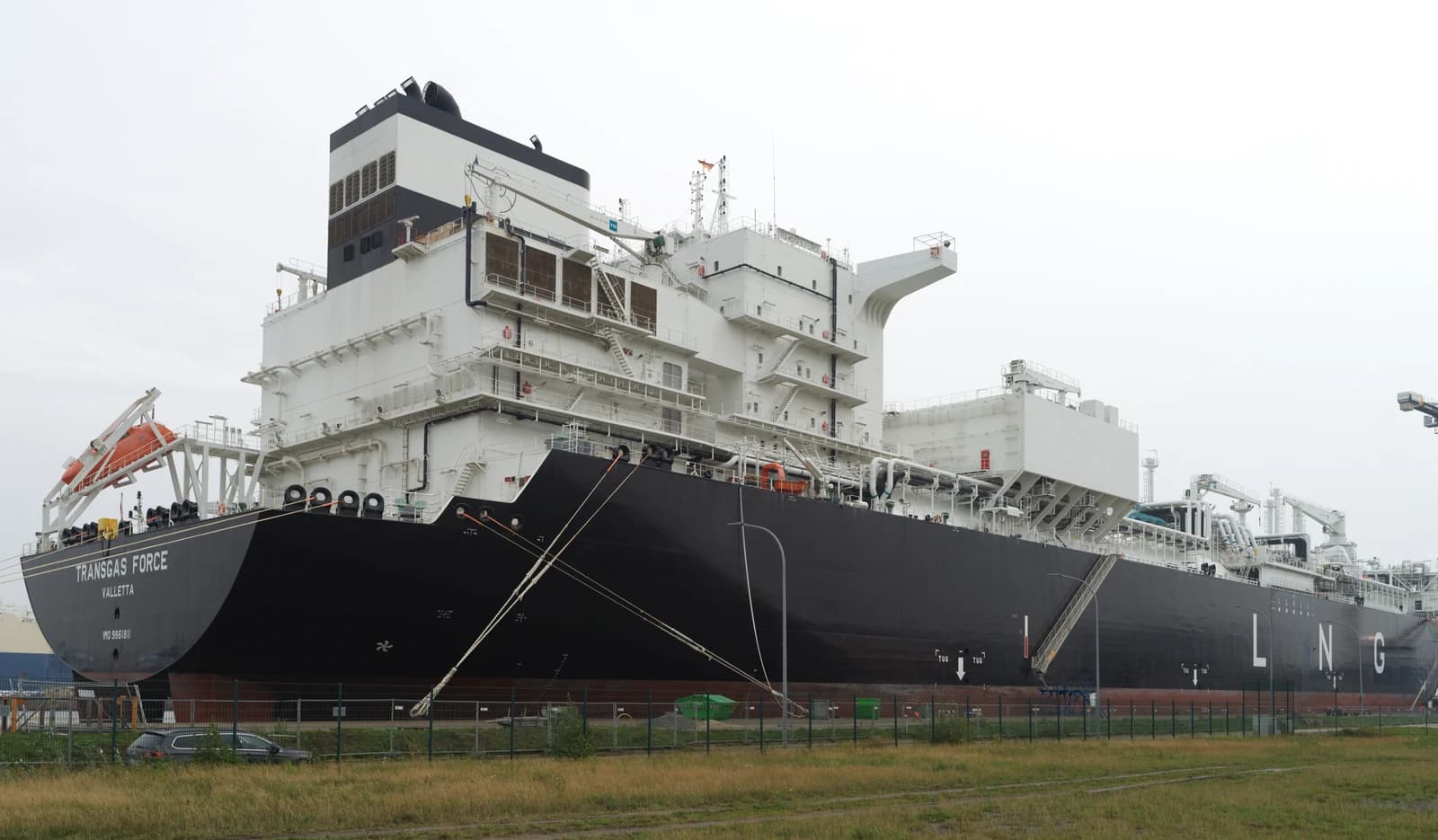
Colombia’s natural gas system needs more spare capacity, faster infrastructure buildout and new domestic supply if it is to avoid repeated service disruptions when one piece of the network goes down, the country’s gas lobby said after a contingency at the Spec floating storage and regasification unit.
Colombia Gas System Needs More Capacity After Spec Outage
That matters because the incident did not just interrupt one terminal’s operations. It exposed how little slack Colombia has built into a system that is already tight on supply, forcing the government to impose a programmed rationing order and prioritize essential demand after the outage cut available imported gas by 15 GBTUD under a ministry resolution.
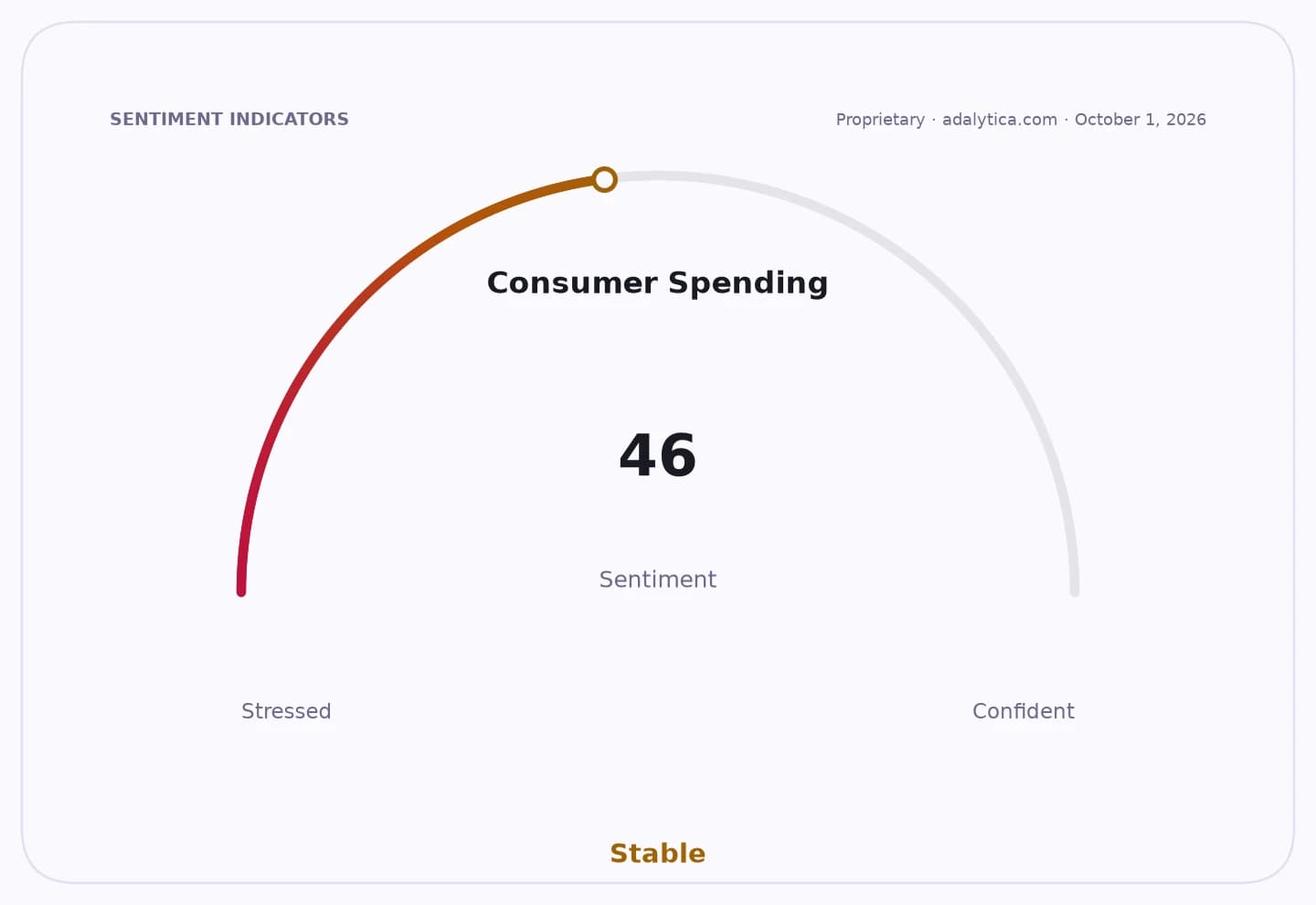
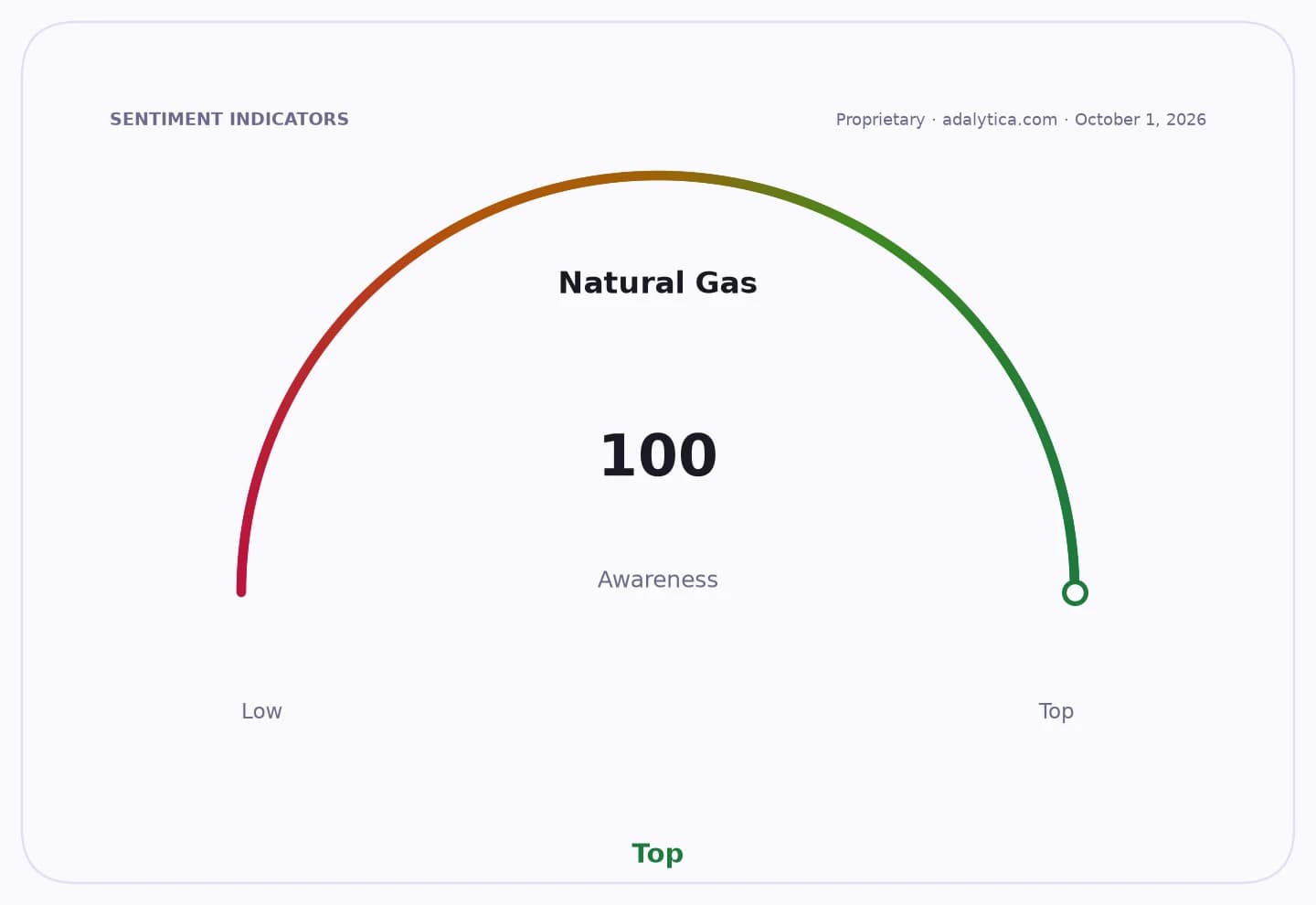
Sentiment IndicatorsⓘProprietary · adalytica.com · October 1, 2026
This is a snapshot — live sentiment, awareness and momentum for 130+ markets update continuously in the dashboard.Open AlphaPulse
Naturgas said Spec is still operating safely and expects to recover full capacity in coming days, but the temporary drop to 400 million cubic feet a day during corrective work was enough to show how quickly the market’s balance can tighten. For a country trying to keep power plants, industry and households supplied, that is a reminder that reliability depends not only on production, but on backup infrastructure, storage and alternative import routes.
For investors, the message is straightforward: Colombia’s gas story is now less about a one-off operational glitch and more about a structural need for capital. Projects in regasification, transportation and transmission become more valuable when the system lacks redundancy. So do exploration programs that can turn reserves into actual supply. In other words, the contingency strengthens the case for companies and assets tied to new gas infrastructure, even as it raises the near-term operational risk for users that depend on imported fuel.
Naturgas president Luz Stella Murgas framed the issue in blunt terms, saying the country is operating “like a car without a spare tire.” That is more than a metaphor. It captures the economic cost of delay: when supply is tight, any outage can ripple through essential demand, force rationing and increase the risk premium attached to energy planning and investment.
The broader narrative is about energy security arriving late, and at a price. Colombia has long known it needs more gas, more infrastructure and more production, but the tradeoff of slower investment is now showing up in the system’s ability to absorb shocks. That makes this contingency important beyond the immediate disruption: it is a warning that the next incident could be harder to manage if the country does not accelerate the projects already on the table.
For long-term investors, the takeaway is to watch the buildout, not the headline outage. Colombia’s gas market still needs resilience, and resilience usually means spending, permitting and execution. Those are the ingredients that can create durable value over several years, even if the path there is uneven. Worth watching.
| Entity | Gains | Losses |
|---|---|---|
| Gas infrastructure builders | ▲More project demand | ▼ |
| Domestic gas producers | ▲Stronger case for exploration | ▼ |
| Spec terminal users | ▲Eventually restored capacity | ▼Near-term reliability |
| Essential gas consumers | ▲Priority access in rationing | ▼Lower supply flexibility |