Colombia’s coffee growers are enjoying one of the strongest price windfalls in nearly half a century, but the rally is also exposing how fragile the market may be if supply from Brazil and Vietnam recovers.
Colombia coffee growers benefit from arabica price rally
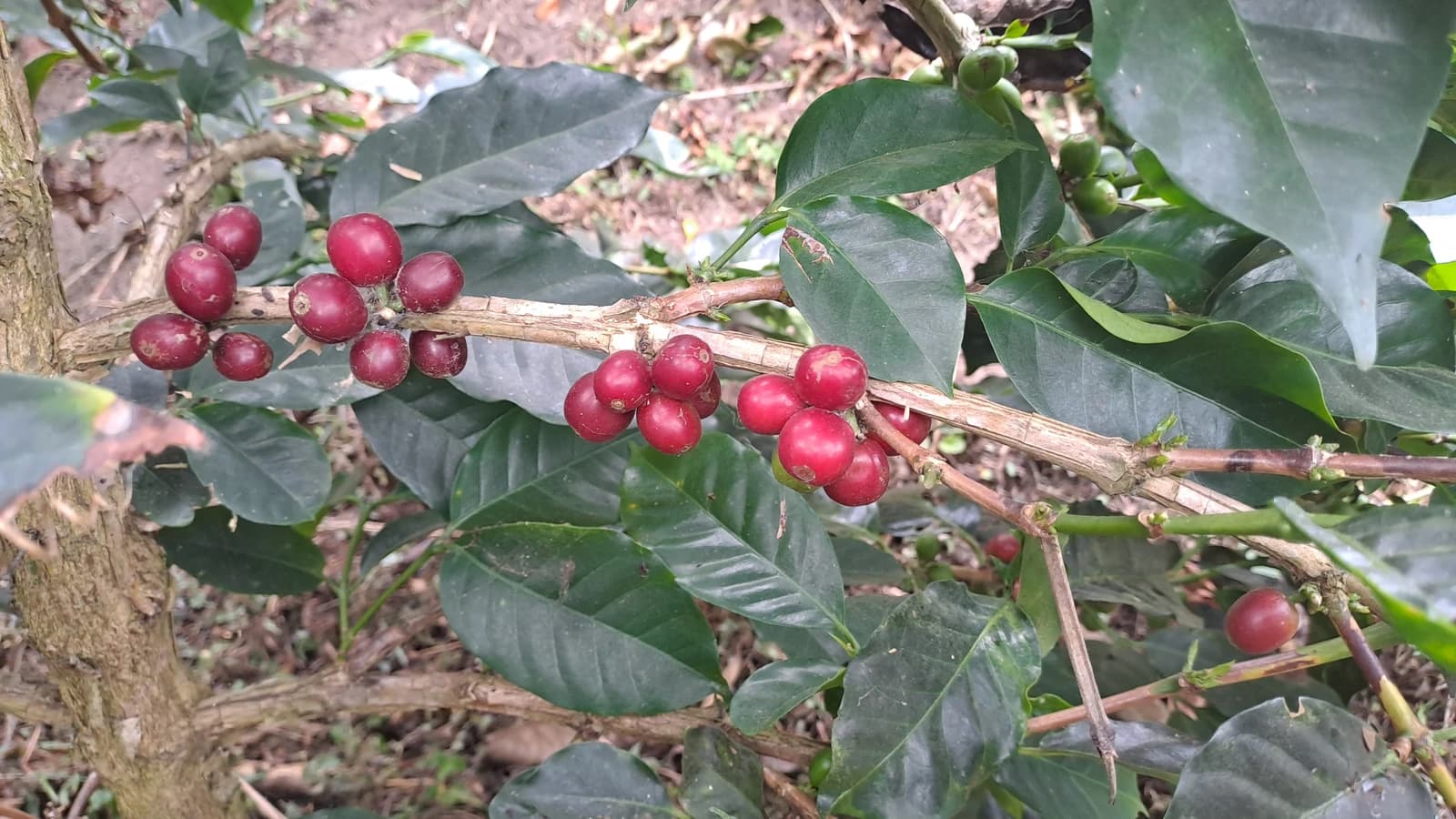
Arabica prices have climbed to their highest level in 47 years, driven by drought damage to the two biggest producers, and Colombia — the world’s third-largest coffee grower — is emerging as a clear beneficiary. For farmers, the surge can translate into higher export revenues, improved cash flow and more room to invest in replanting, fertiliser and equipment after years of thin margins.
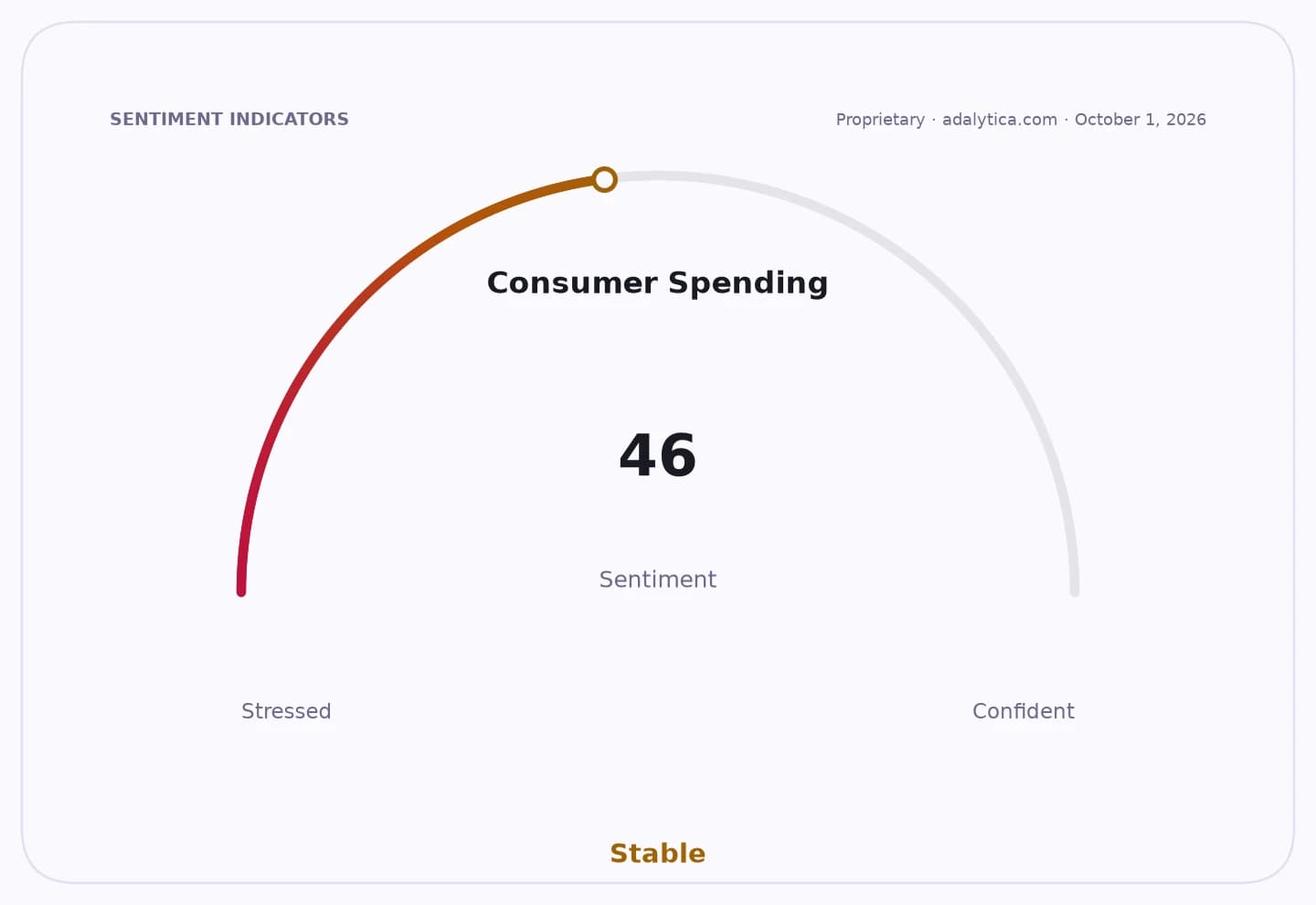
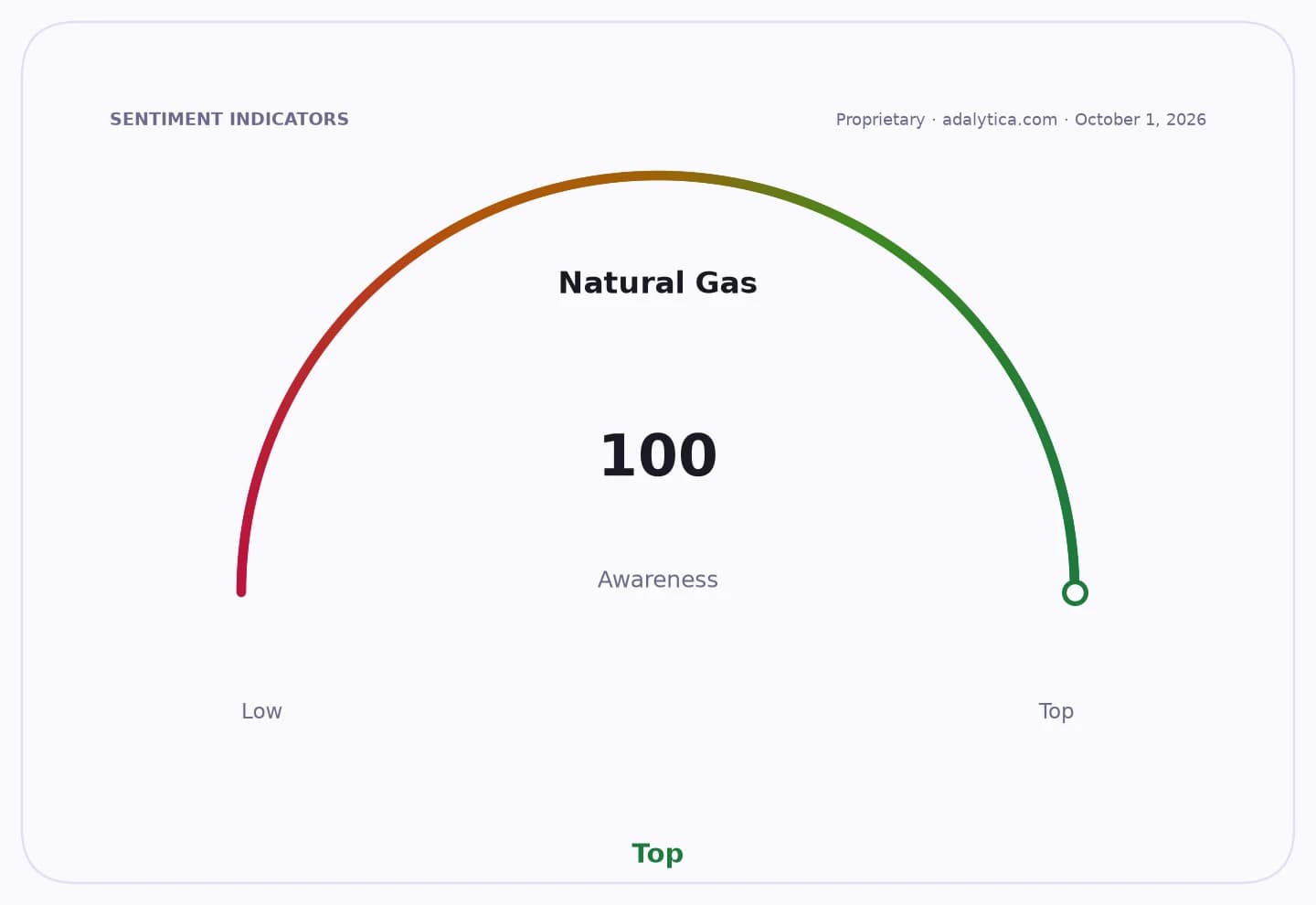
Sentiment IndicatorsⓘProprietary · adalytica.com · October 1, 2026
This is a snapshot — live sentiment, awareness and momentum for 130+ markets update continuously in the dashboard.Open AlphaPulse
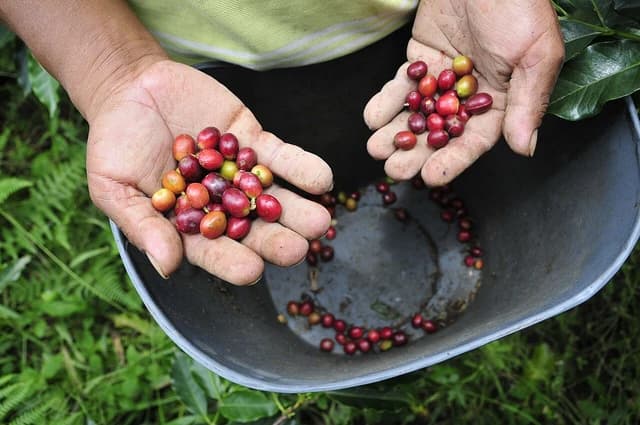
The macroeconomic significance is straightforward: coffee remains one of Colombia’s most important agricultural exports, so a sustained price spike can bolster rural incomes, support the trade balance and provide a welcome lift to farm-dependent regions. The upswing also matters beyond Colombia because it reflects a broader tightening in global soft-commodity markets, where weather shocks are increasingly dictating prices rather than demand alone.
But the windfall may prove temporary. The rally has been powered by droughts that hurt output in Brazil and Vietnam, and any improvement in weather or harvest expectations could quickly ease the pressure. That makes the current setup attractive for producers but risky for anyone building earnings or inflation assumptions around today’s elevated prices.
Investors should see the move through both the winners and the losers. Colombian growers and exporters stand to benefit in the near term, while roasters, packaged-food groups and coffeehouse chains face higher input costs unless they can pass them through to consumers. Starbucks, which has already flagged commodity-price risk in its filings, is among the consumer-facing companies exposed to another leg up in green coffee costs.
The recent stabilization in coffee prices suggests the market is trying to find a new equilibrium, but not necessarily a durable one. If supply stress persists, the rally could support another round of margin pressure across coffee-linked consumer goods. If it fades, Colombia’s current bonanza may narrow quickly, leaving farmers with a short-lived gain and buyers with little relief.
| Entity | Gains | Losses |
|---|---|---|
| Colombian coffee farmers | ▲Higher farmgate revenues | ▼ |
| Colombia’s export sector | ▲Stronger hard-currency inflows | ▼ |
| Starbucks and roasters | ▲ | ▼Higher input costs |
| Coffee consumers | ▲ | ▼Potential price pass-through |