Colombia’s coffee federation has lifted the purchase price of pasilla by 20% to help cushion growers against El Niño, a move that underscores how quickly weather shocks can turn into income shocks for one of the country’s most important farm sectors.
Colombia coffee federation raises pasilla price
The National Federation of Coffee Growers said the price of pasilla contained in parchment coffee will rise to 12,000 pesos per kilogram from 10,000 pesos, while 30 brocaded beans will now be recognized as excelso coffee across the federation’s buying programs. In plain terms, the industry is paying more for lower-grade beans and loosening quality rules to keep more cash flowing to farmers as drought, heat and fire risk spread across 23 coffee-growing departments.
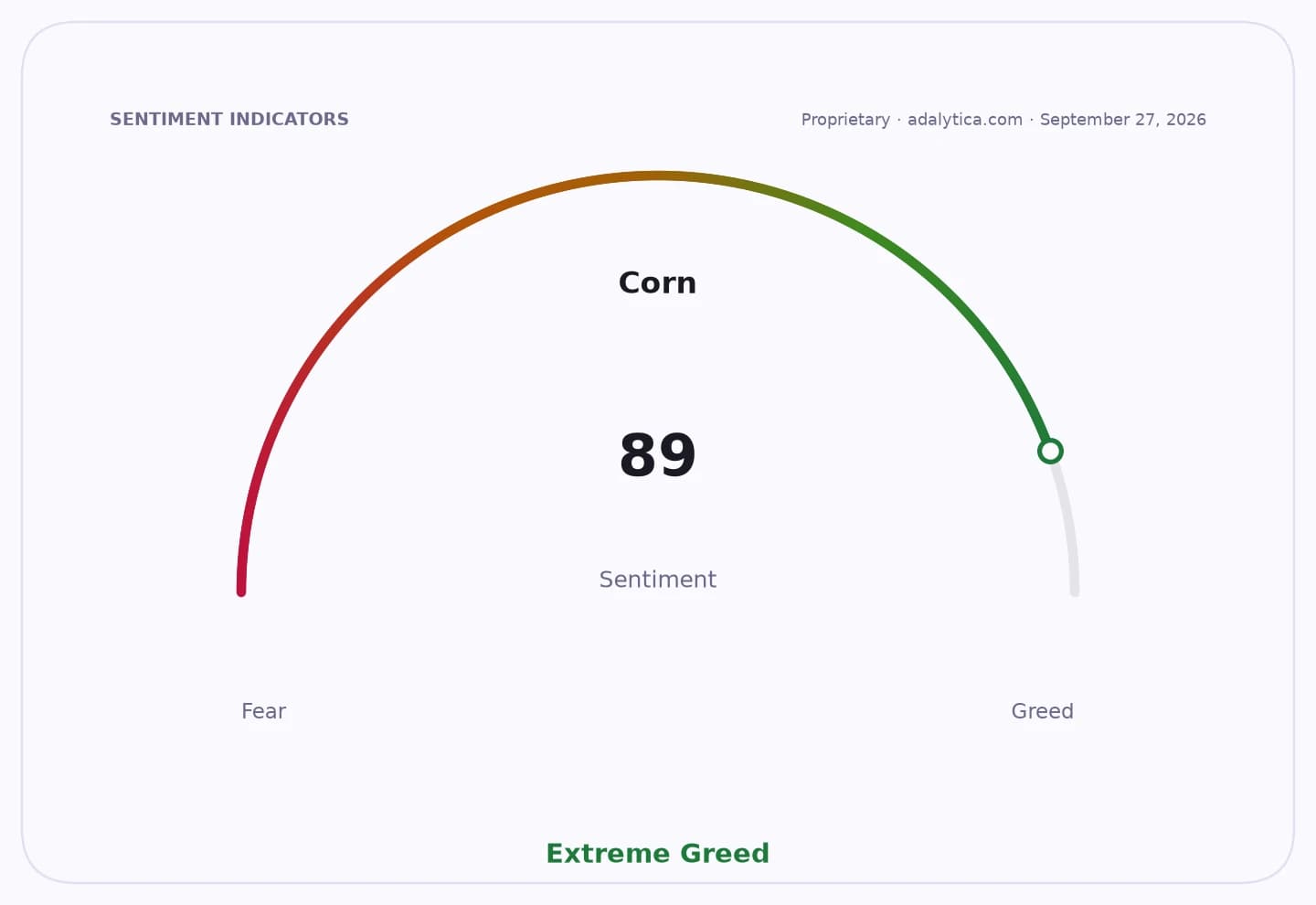
Sentiment IndicatorsⓘProprietary · adalytica.com · September 27, 2026
This is a snapshot — live sentiment, awareness and momentum for 130+ markets update continuously in the dashboard.Open AlphaPulse
That matters because Colombian coffee is not just an export story; it is a rural income story. When El Niño cuts rainfall and pushes temperatures higher, yields can slip, bean quality can deteriorate and growers lose pricing power just when they need it most. The federation said it has been preparing since the second quarter with a preventive plan focused on soil nutrition and income protection, including a 40 billion peso fertilization program funded through the coffee price-stabilization fund. Investors should read that as a sign that Colombia is trying to defend production, not just react to it.
For the broader coffee market, the move adds another reminder that climate volatility remains one of the most important drivers of supply. Colombia is one of the world’s benchmark Arabica origins, so anything that affects farm income, bean quality or exportable supply can ripple into global pricing and sentiment. Coffee prices have already been choppy as traders weigh weather risks, Brazilian exports and supply tightness, and El Niño raises the odds that volatility stays elevated.
For investors, the key question is whether this is a one-off support measure or the start of a longer period of margin pressure for growers and higher input costs across the supply chain. Producers with pricing power and strong sourcing networks may cope better than those exposed to raw-bean shortages. Consumer-facing coffee companies, meanwhile, can benefit if supply stays orderly, but they also face the risk of persistently higher green coffee costs if adverse weather trims output.
The federation’s decision is a practical example of how agricultural systems adapt when climate stress becomes economic stress. For long-term investors, that makes coffee one of those sectors where weather, policy and pricing are tightly linked — and worth watching, not trading around.
| Entity | Gains | Losses |
|---|---|---|
| Colombian coffee growers | ▲Higher support prices | ▼Weather-related yield pressure |
| National Federation of Coffee Growers | ▲Protects farm incomes | ▼Higher procurement costs |
| Coffee buyers/exporters | ▲More stable supply response | ▼Narrower margins if costs rise |
| Global coffee consumers | ▲Better chance of steady supply | ▼Risk of higher retail prices |