Brent crude climbed back above $102 a barrel as the war around Iran kept traders focused on the risk that Middle East supply could still be disrupted even as exports from the region rebounded.
Brent crude rises above $102 on Middle East risk
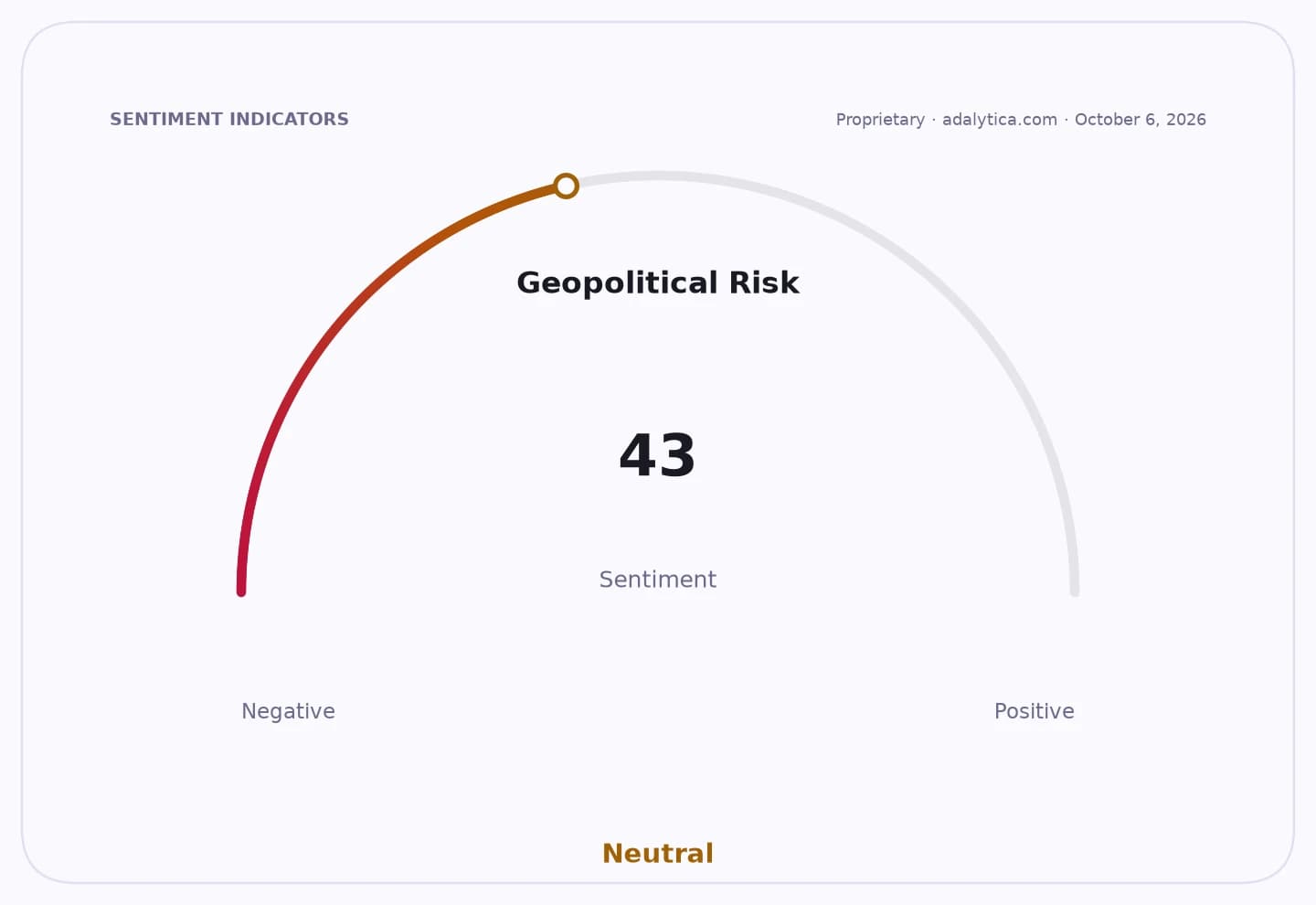
The benchmark rose to $102.41 a barrel while U.S. West Texas Intermediate slipped to $90.21, highlighting a market pulled in opposite directions by stronger physical flows and persistent geopolitical fear. The move matters because crude prices feed directly into inflation, transportation costs and corporate margins, while also shaping expectations for central banks and earnings across energy-intensive industries.
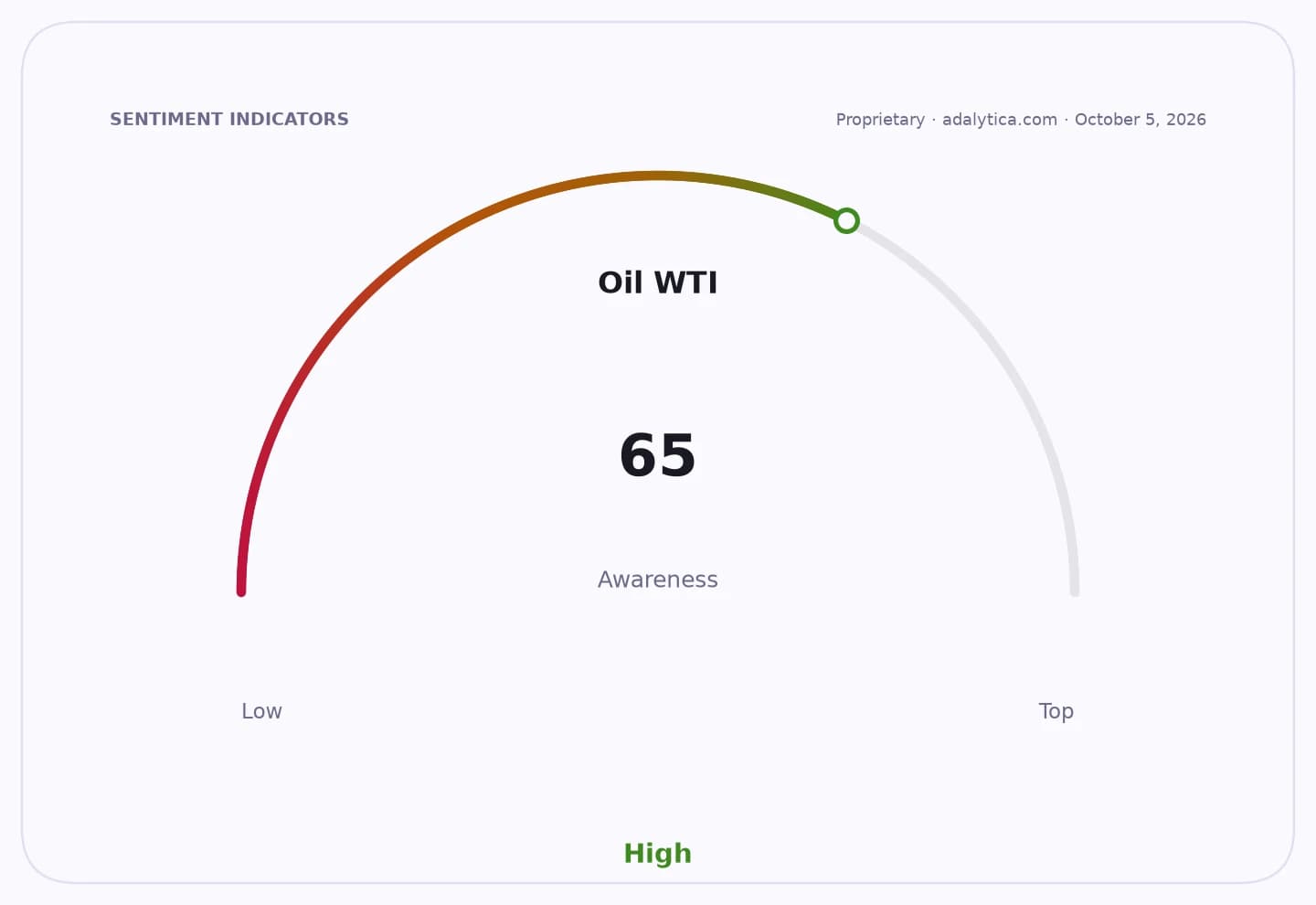
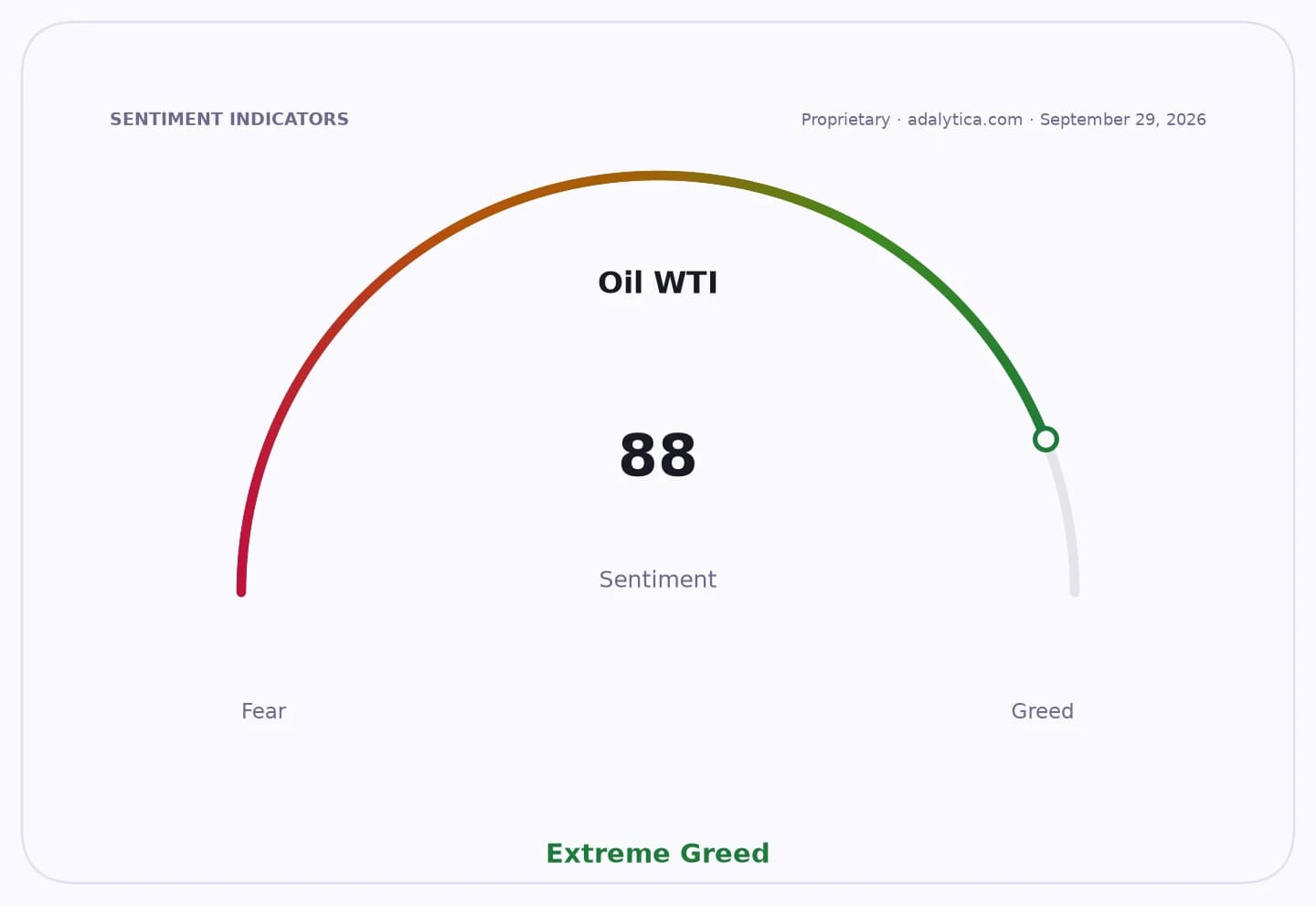
Sentiment IndicatorsⓘProprietary · adalytica.com · October 6, 2026
This is a snapshot — live sentiment, awareness and momentum for 130+ markets update continuously in the dashboard.Open AlphaPulse
The latest leg higher came after crude exports from the Middle East rose above pre-war levels on four of the last seven days in September, according to shipping data cited by Reuters. That helped offset some pressure from a Group of Seven plan to release 100 million barrels of crude and diesel from emergency stocks over four months, a move that is designed to cool prices but does little to resolve structural tightness in refined fuels.
Traders also remain wary of attacks on ships passing through the Strait of Hormuz, the critical route for Gulf exports. Any disruption there could quickly tighten supply again and send prices sharply higher, especially with governments already drawing down emergency inventories and OPEC+ delaying a review of future production quotas to 2027 because the conflict has complicated capacity plans in the region.
Refined-product markets are carrying much of the tension. ICE gasoil futures rose more than 2%, BP said it has adjusted refinery operations to make more diesel, and Saudi Aramco CEO Amin Nasser said global crude and fuel supply will remain under pressure and could take two years to replenish after emergency stock draws.
For investors, the set-up keeps energy equities, tanker rates, refinery margins and inflation-linked assets in focus, while raising the risk of further volatility in airlines, industrials and consumer names exposed to fuel costs. The next catalysts are any escalation in attacks around Hormuz, more stock-release announcements from Western governments, and OPEC+ signaling on how long it can keep spare capacity plans on hold.
| Entity | Gains | Losses |
|---|---|---|
| Oil producers | ▲Higher realized prices | ▼Consumers face pricier fuel |
| Refiners | ▲Stronger diesel margins | ▼Crude buyers pay more |
| Energy stocks | ▲Better cash flow outlook | ▼Fuel-intensive sectors |
| Importers/airlines | ▲— | ▼Higher operating costs |