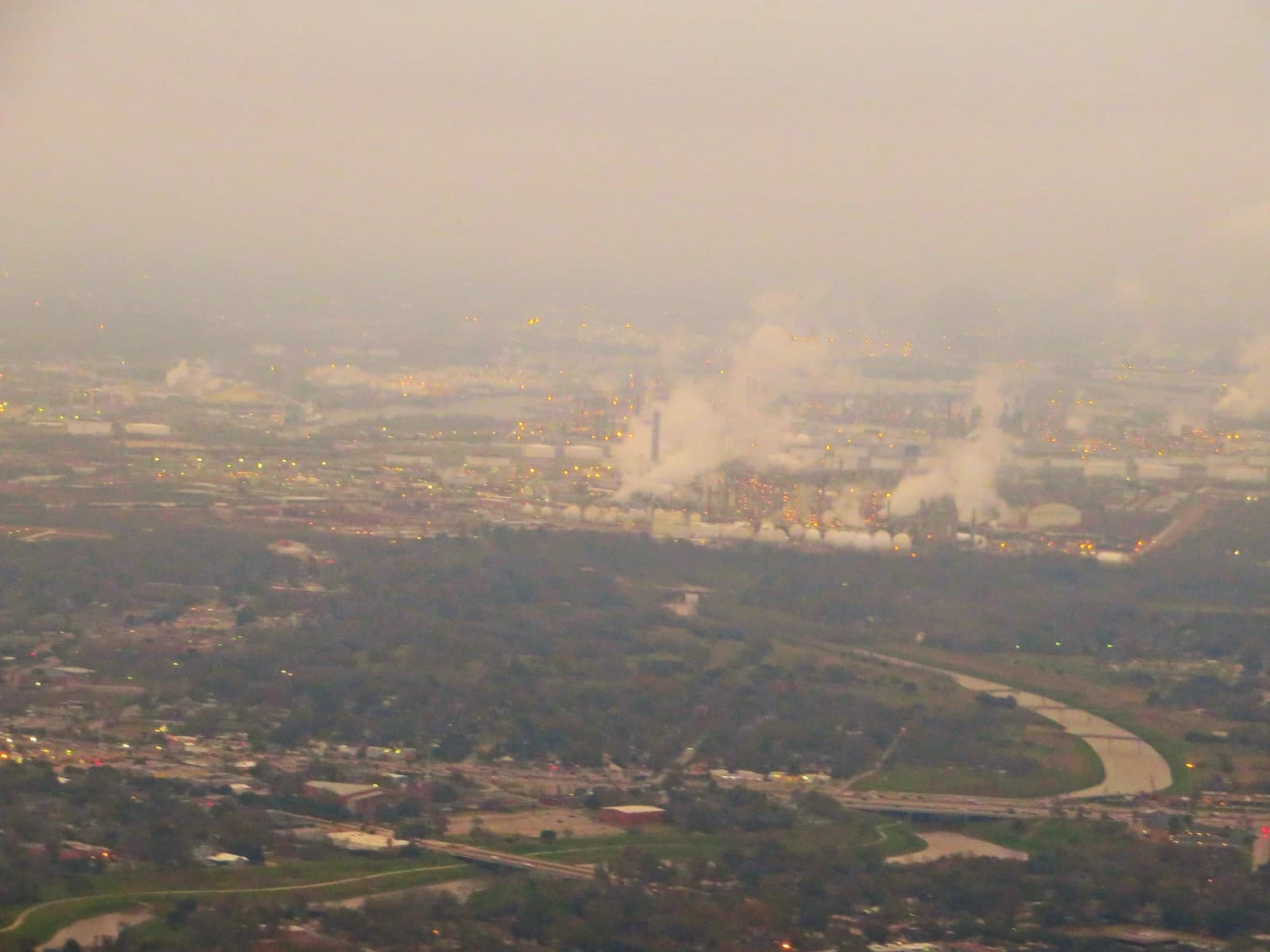
Iran’s Revolutionary Guard said it struck a gas carrier trying to pass through the Strait of Hormuz on an “unauthorized route,” underscoring how quickly the world’s most important oil chokepoint can turn from transit lane into flashpoint.
Iran Strikes Gas Carrier in Strait of Hormuz
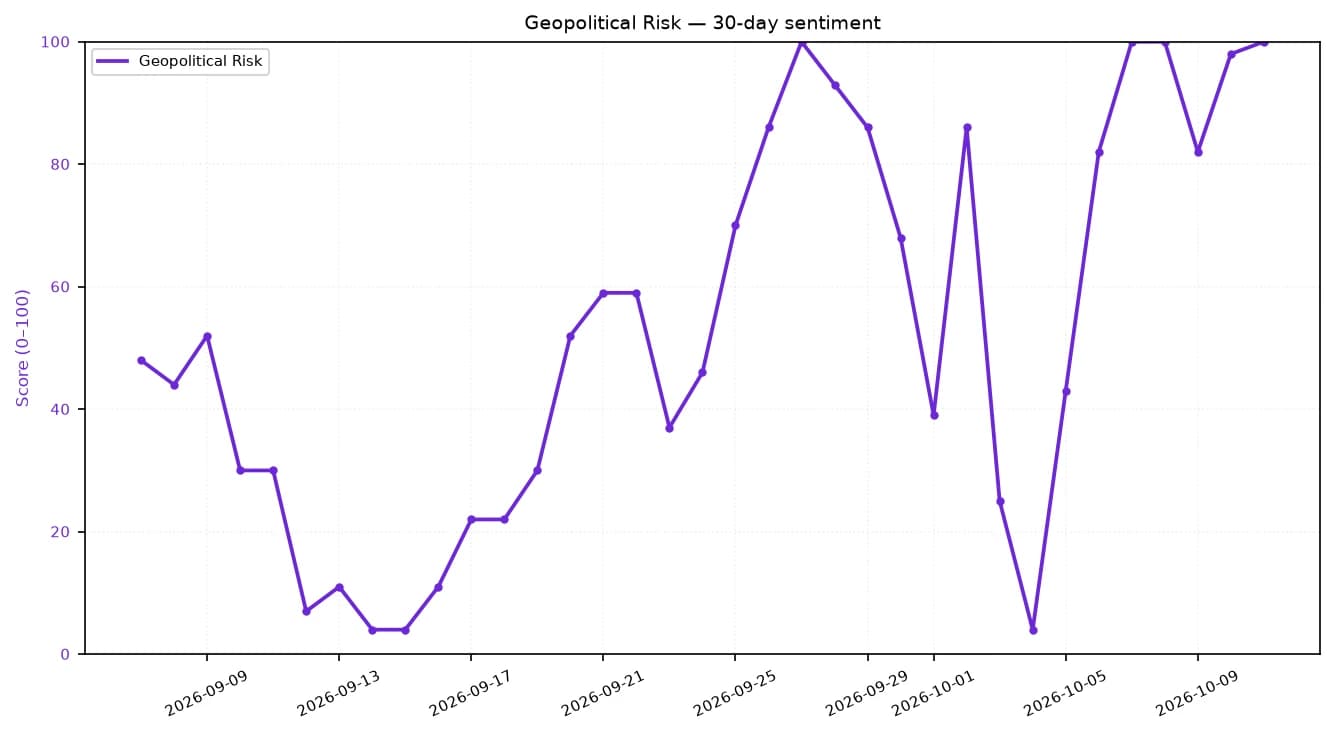
The claim matters because the Strait of Hormuz carries a large share of seaborne crude and liquefied gas flows, and even a limited attack can ripple through energy prices, shipping insurance and freight markets. The Guard said it had “taken control and command of the strait” and that the vessel, identified as the giant LNG carrier NV Sunshine, was hit while attempting to move south through what Tehran called an illegal route. Iranian forces also pointed to another tanker incident off the United Arab Emirates, where ship monitors reported an unknown projectile set one vessel on fire.
Sentiment IndicatorsⓘProprietary · adalytica.com · October 12, 2026
This is a snapshot — live sentiment, awareness and momentum for 130+ markets update continuously in the dashboard.Open AlphaPulse
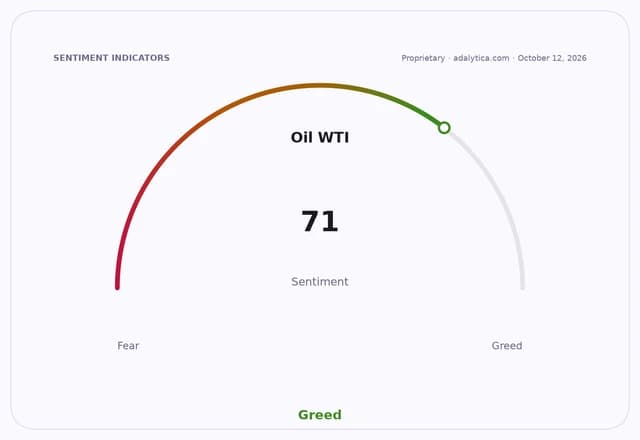
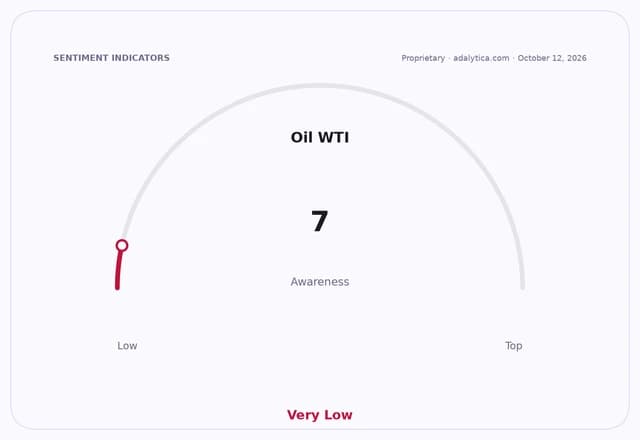
Markets were already pricing in a meaningful geopolitical premium before the latest flare-up. Brent-linked risk gauges have moved higher, while the Adalytica global stability reading sits at 100, in “Extreme Greed,” with attention to geopolitics still elevated. Oil sentiment on Adalytica’s WTI trade signals has also risen to 71, even as awareness remains in “Extreme Fear,” suggesting traders are alert to supply shocks but not yet fully positioned for a prolonged disruption.
That distinction matters for investors. The immediate beneficiaries are freight and energy names with direct exposure to tighter tanker availability and higher war-risk premiums. U.S. energy stocks, as reflected by the XOP ETF, have held near recent highs, while steelmaker Cleveland-Cliffs has also advanced sharply, showing how sector rotations can pick up when investors lean into inflation and commodity pricing. Conversely, shipping operators, insurers and import-dependent industries face higher costs if vessels slow, reroute or avoid the Gulf altogether.
The broader economic risk is less about one ship than about precedent. If Iran is seen to be enforcing access in Hormuz, even intermittently, it raises the odds of escorts, delayed cargoes and a jump in marine insurance rates. That can feed through to crude benchmarks, refined products and eventually consumer inflation, at a time when the 10-year Treasury yield is already above 5.2%, leaving less room for markets to absorb another energy-driven price shock.
For now, the key question is whether this is a one-off escalation or the start of a more systematic effort to squeeze traffic through the strait. If attacks or interceptions become more frequent, oil producers in the Gulf gain pricing power, while refiners, carriers and global consumers bear the cost. If the incident proves isolated, the market may treat it as another geopolitical headline — but one that keeps the Strait of Hormuz near the center of global energy risk.
| Entity | Gains | Losses |
|---|---|---|
| Oil producers | ▲Higher risk premium | ▼Demand destruction if prices spike |
| Tanker operators | ▲Higher freight rates | ▼War-risk costs, route disruptions |
| Insurers | ▲Higher premiums | ▼Larger claims exposure |
| Importers / refiners | ▲— | ▼Higher input costs, supply delays |