The security of global shipping is back in focus as naval chiefs gather in Venice just as an oil tanker was hit by an unknown projectile in the Strait of Hormuz, reminding markets how quickly a regional maritime flashpoint can become an energy and inflation problem.
Strait of Hormuz tanker attack raises shipping risk

The timing matters because the forum’s core theme — how “regional waters” are now generating global effects — is being tested in real time. The Strait of Hormuz remains the most sensitive chokepoint in the oil trade, and any attack on tankers there raises the premium on crude, freight and marine insurance even before supply is physically disrupted. For energy importers, the risk is not only higher transport costs but also a possible squeeze on supply chains if shippers reroute or delay cargoes.
Sentiment IndicatorsⓘProprietary · adalytica.com · October 7, 2026
This is a snapshot — live sentiment, awareness and momentum for 130+ markets update continuously in the dashboard.Open AlphaPulse
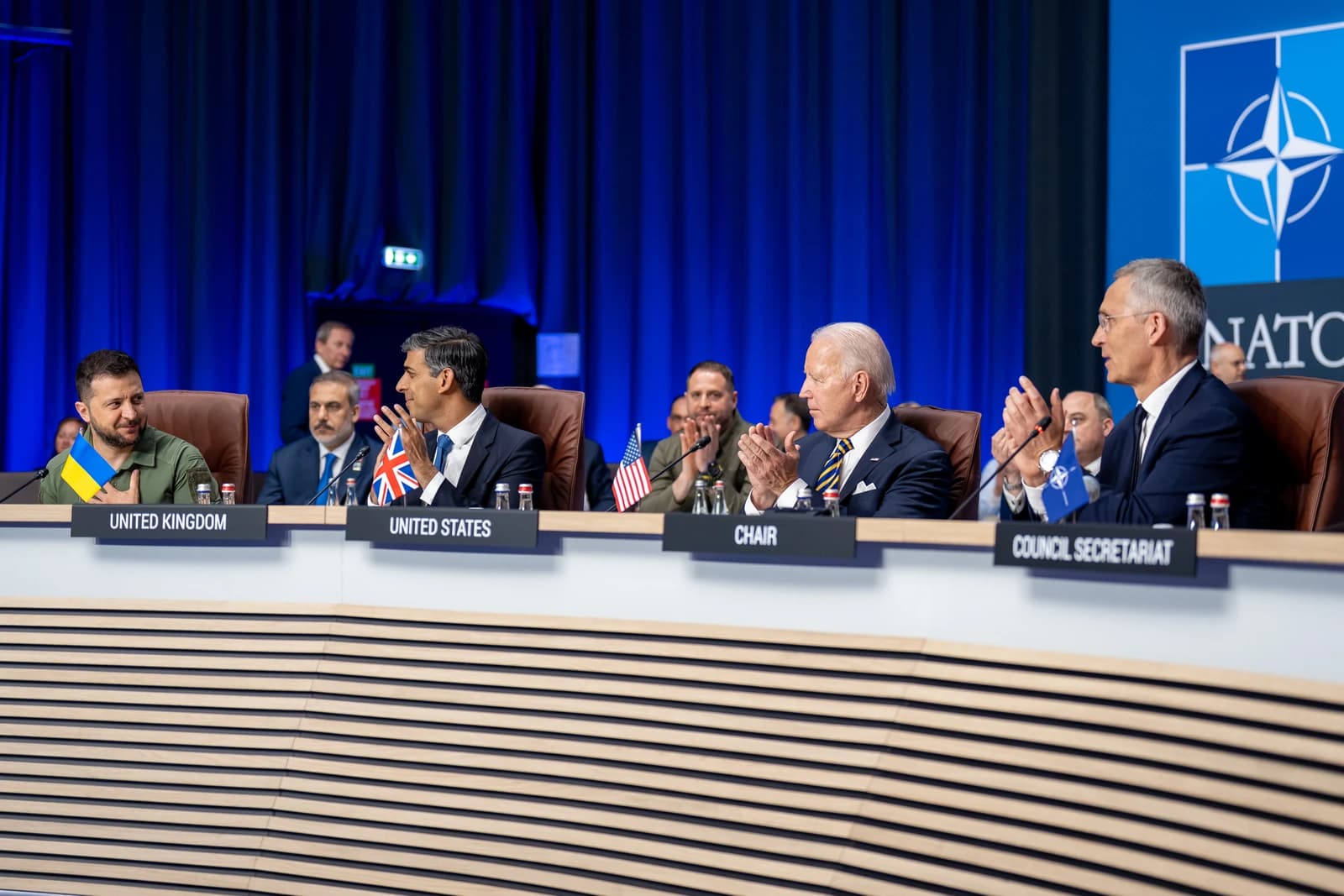
That makes the Venice symposium more than a ceremonial gathering. The Italian Navy’s Trans-Regional Seapower Symposium is drawing senior naval officials, academics and technology groups to discuss cooperation and maritime security across the world’s “midland seas” — the Mediterranean, the Gulf and other semi-enclosed routes that connect regional conflict to the wider economy. The message is that local instability no longer stays local when it intersects with oil flows, container lanes and naval power projection.
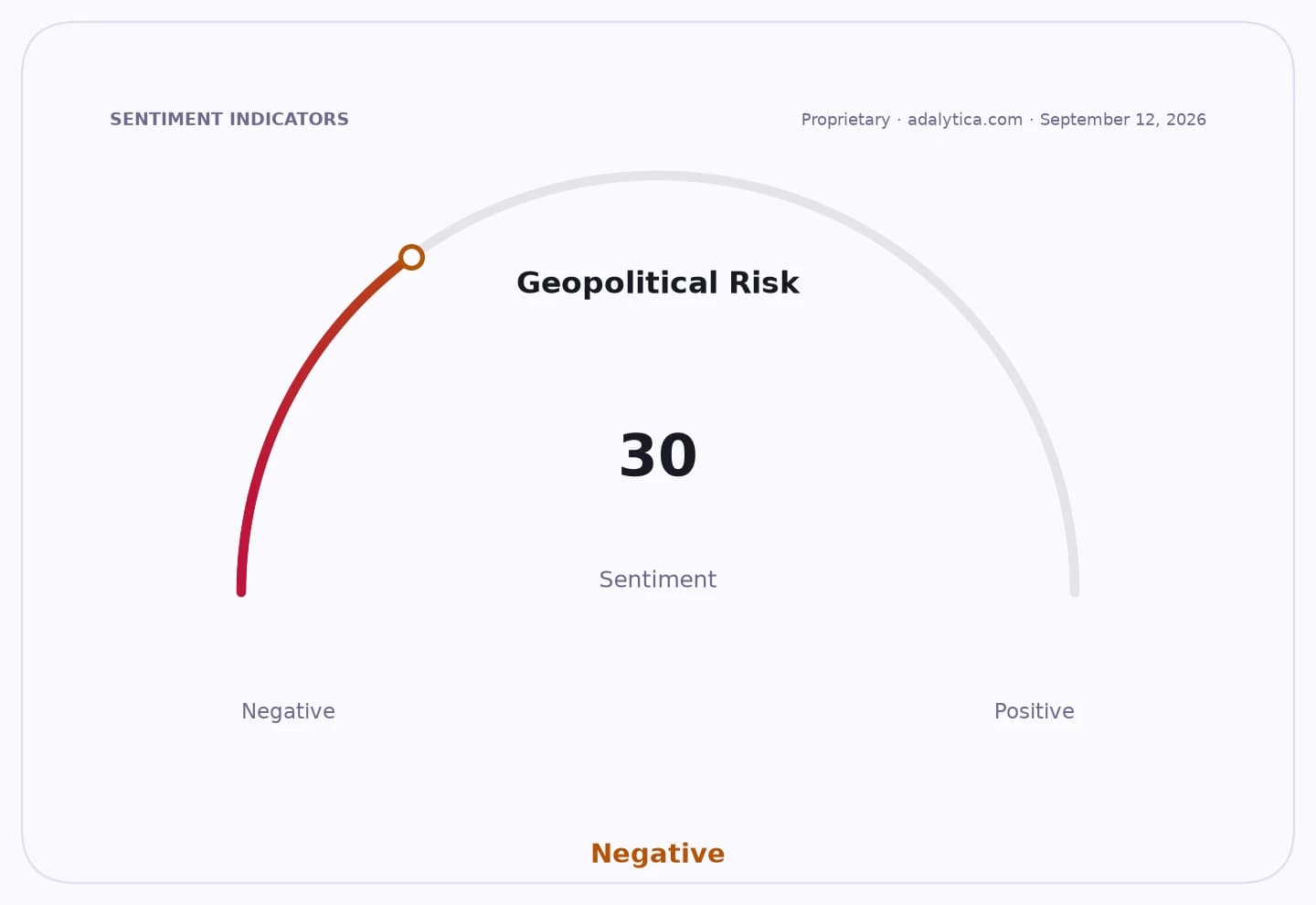
Markets are likely to read the Hormuz incident as another reminder that geopolitical risk in the shipping system remains sticky even when broader global stability gauges look calm. Adalytica’s Global Stability Sentiment snapshot is still in “Greed” territory, but the accompanying “awareness” reading is in “Extreme Fear,” suggesting investors are alert to shocks even if they have not fully repriced them. That split usually shows up first in energy and FX volatility, then in shipping and defense-linked equities.
Geopolitical Risk — 30-day sentimentadalytica.com
Explore this data interactively — full history, time series and cross-market comparisons.Open AlphaPulse
Crude itself has already been volatile this year, and a renewed threat to Hormuz would support upside in oil benchmarks and tanker insurance costs. That is why the development matters to investors beyond the Gulf: higher energy input prices can feed into inflation expectations, complicate central bank easing paths and pressure sectors exposed to fuel and logistics costs. The 2026 pattern in oil has shown how quickly prices can jump on geopolitical headlines, and how fast they can reverse when the immediate threat fades.
For naval planners, the broader narrative is about deterrence and resilience. The Venice forum is designed to strengthen coordination among maritime powers, but the latest strike also underlines the limitations of forum diplomacy when vessel protection depends on intelligence sharing, patrol coverage and rapid escalation control. The bullish case for markets is that such incidents remain contained and escorts, surveillance and diplomatic pressure keep traffic moving. The bearish case is that repeated attacks normalize a higher-risk regime in which every sailing through a chokepoint carries a larger geopolitical premium.
Investors should watch for any escalation around the Strait of Hormuz, signals of convoy or escort activity, and whether insurers or shipping firms begin to widen war-risk surcharges. If the threat persists, the effects will not stop at energy: they will ripple through freight rates, regional currencies and the valuation of companies tied to transport, defense and commodity exposure.
| Entity | Gains | Losses |
|---|---|---|
| Oil producers | ▲Higher crude pricing power | ▼None from near-term spike |
| Tanker insurers | ▲Higher war-risk premiums | ▼Higher claims exposure |
| Importing economies | ▲Some seek supply diversification | ▼Face cost-push inflation |
| Shipping lines | ▲Defense spending and rerouting demand | ▼Delays and higher operating costs |