A Russian strike on a commercial vessel in the port of Odesa underscores how the war in Ukraine is still directly targeting the country’s maritime trade even as U.S.-Russia talks widen to include a multibillion-dollar oil arrangement.
Odesa Port Strike Raises Black Sea Shipping Risk

The immediate market significance is twofold: it raises the security premium on Black Sea shipping and it highlights how energy diplomacy is becoming intertwined with war negotiations. For Ukraine, Odesa remains a vital export gateway for grain, metals and imported cargo. Any attack on port infrastructure or vessels there threatens throughput, insurance costs and delivery schedules, with knock-on effects for agricultural flows and regional freight rates.

According to Russian state-linked Interfax, the vessel was hit while in port, following official comments from Russia’s defense ministry. The report did not provide details on casualties or damage, but the choice of target is itself meaningful. Strikes on commercial shipping are intended not only to degrade logistics but also to pressure insurers, shipowners and traders into rerouting volumes away from Ukrainian ports or into more expensive protection arrangements.
The broader geopolitical backdrop is just as important for investors. Reporting that Trump administration talks with Russia now extend beyond ending the war to a potentially multibillion-dollar oil deal suggests sanctions relief, asset access and energy market restructuring could become part of any settlement. That would matter for crude supply, for companies with exposure to Russian assets, and for Middle Eastern intermediaries positioned to benefit from new trade channels.
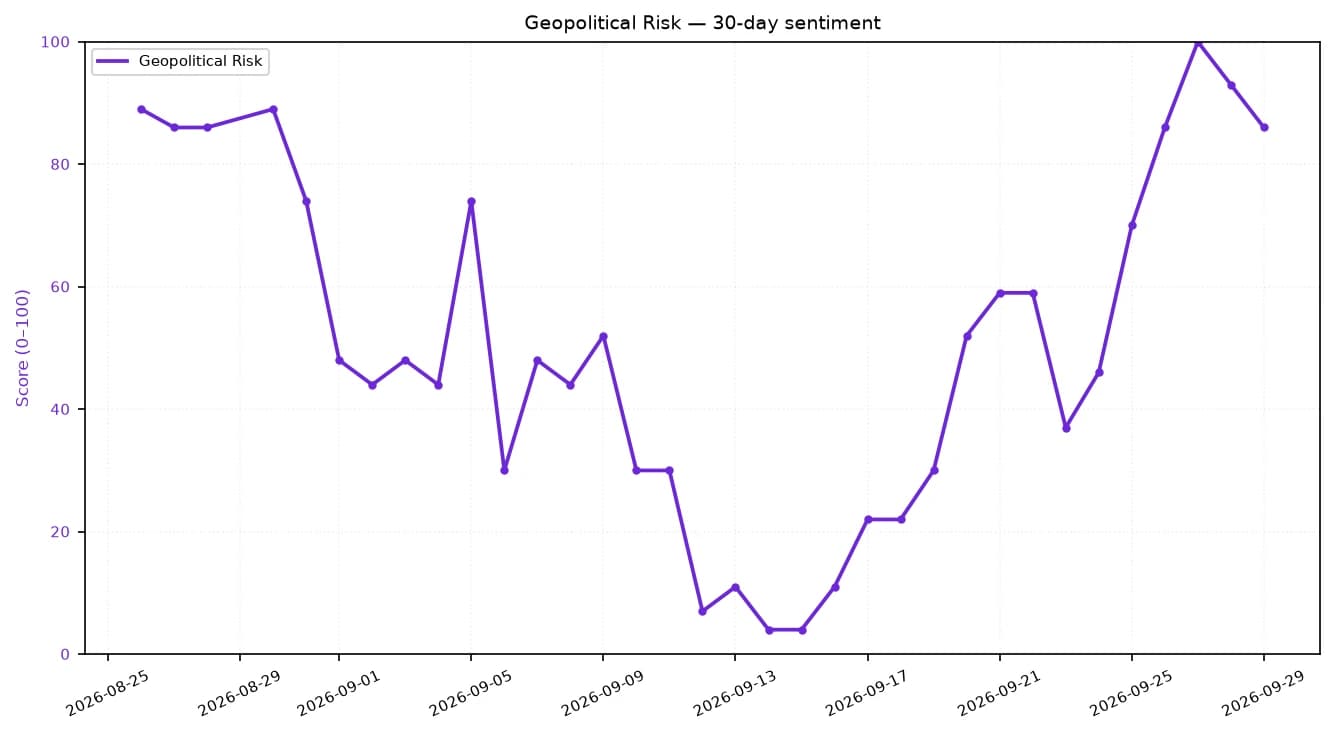
Geopolitical Risk — 30-day sentimentadalytica.com
Explore this data interactively — full history, time series and cross-market comparisons.Open AlphaPulse
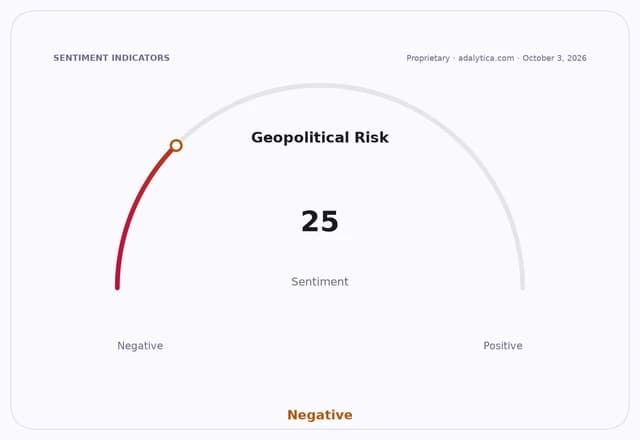
For markets, the combination is awkward: a more fragile Black Sea corridor on one hand and the possibility of a future easing in Russian energy constraints on the other. That tension can keep freight, insurance and commodity volatility elevated even if ceasefire diplomacy advances. It also reinforces the view that any eventual peace process will be negotiated not just around territory but around trade routes, energy assets and the commercial map of the former Soviet space.
Ukraine’s coastline, and Odesa in particular, remains a strategic pressure point. Until security around the port improves, investors should expect recurring disruptions to shipping sentiment, while any breakthrough in U.S.-Russia energy talks could reprice oil-linked assets, sanctions-sensitive counters and regional transport flows.
| Entity | Gains | Losses |
|---|---|---|
| Ukraine / Odesa port users | ▲Potentially higher security support | ▼Shipping disruption, higher insurance costs |
| Russia | ▲Leverage in negotiations | ▼Reputation, possible escalation costs |
| Global oil traders / intermediaries | ▲Deal opportunities, route shifts | ▼Policy uncertainty, sanctions risk |
| Shipowners and insurers | ▲Higher freight and premiums | ▼Exposure to Black Sea strike risk |