Volodymyr Zelenskyy is signaling the clearest opening yet for a winter ceasefire framework, saying Ukraine is prepared to stop strikes on Russian energy infrastructure if Moscow agrees to reciprocal terms — a shift that could reshape oil prices, power markets and the calculus for investors watching the war’s impact on global inflation.
Zelenskyy Offers Energy Strike Pause Proposal

The move matters economically because energy facilities have become one of the conflict’s most important pressure points. Zelenskyy said 45% of that infrastructure has already been destroyed, underscoring how deeply the war has damaged fuel and power systems on both sides and how quickly any pause could ease supply fears that have kept crude and refined-product markets volatile.
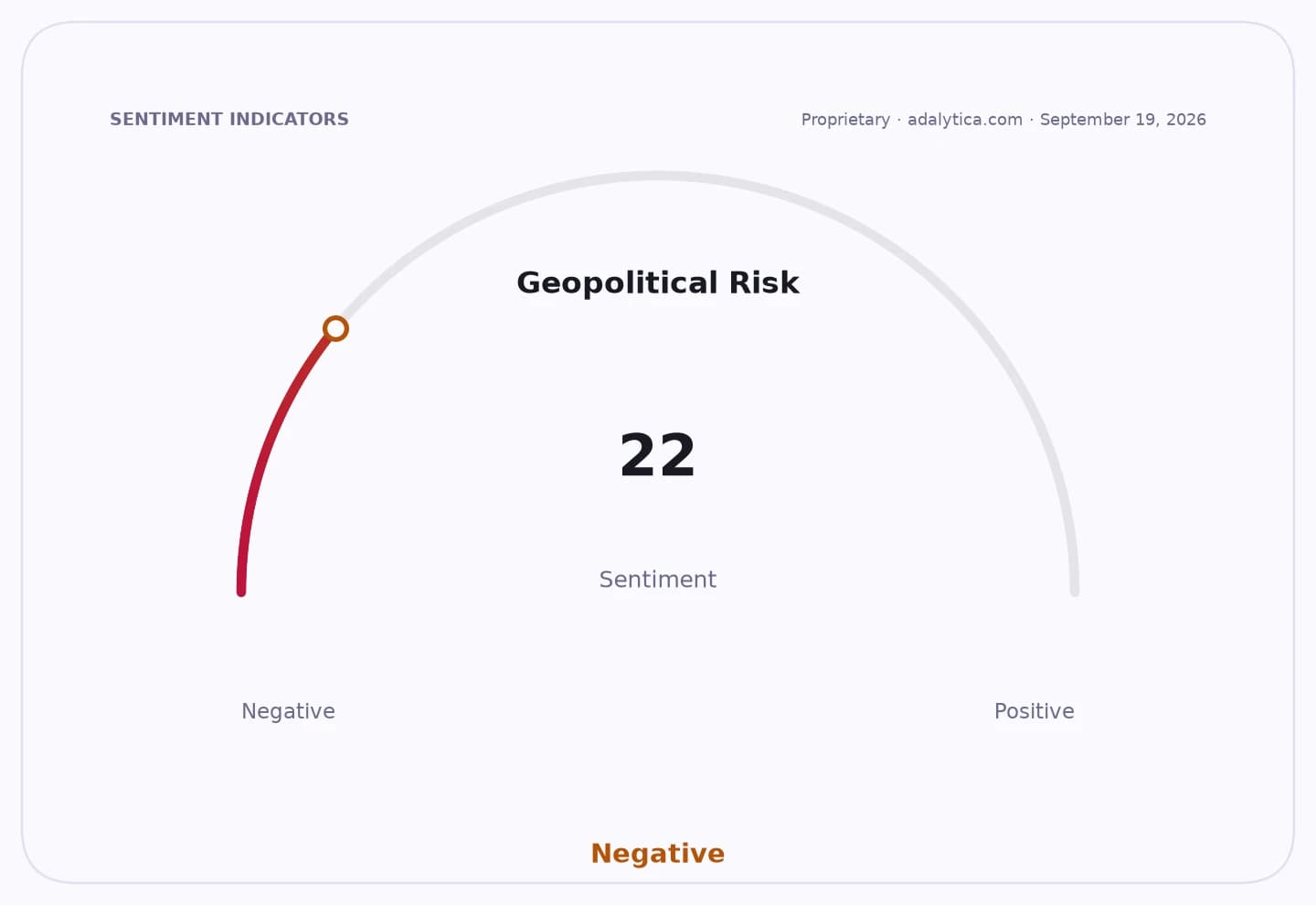
Sentiment IndicatorsⓘProprietary · adalytica.com · October 2, 2026
This is a snapshot — live sentiment, awareness and momentum for 130+ markets update continuously in the dashboard.Open AlphaPulse

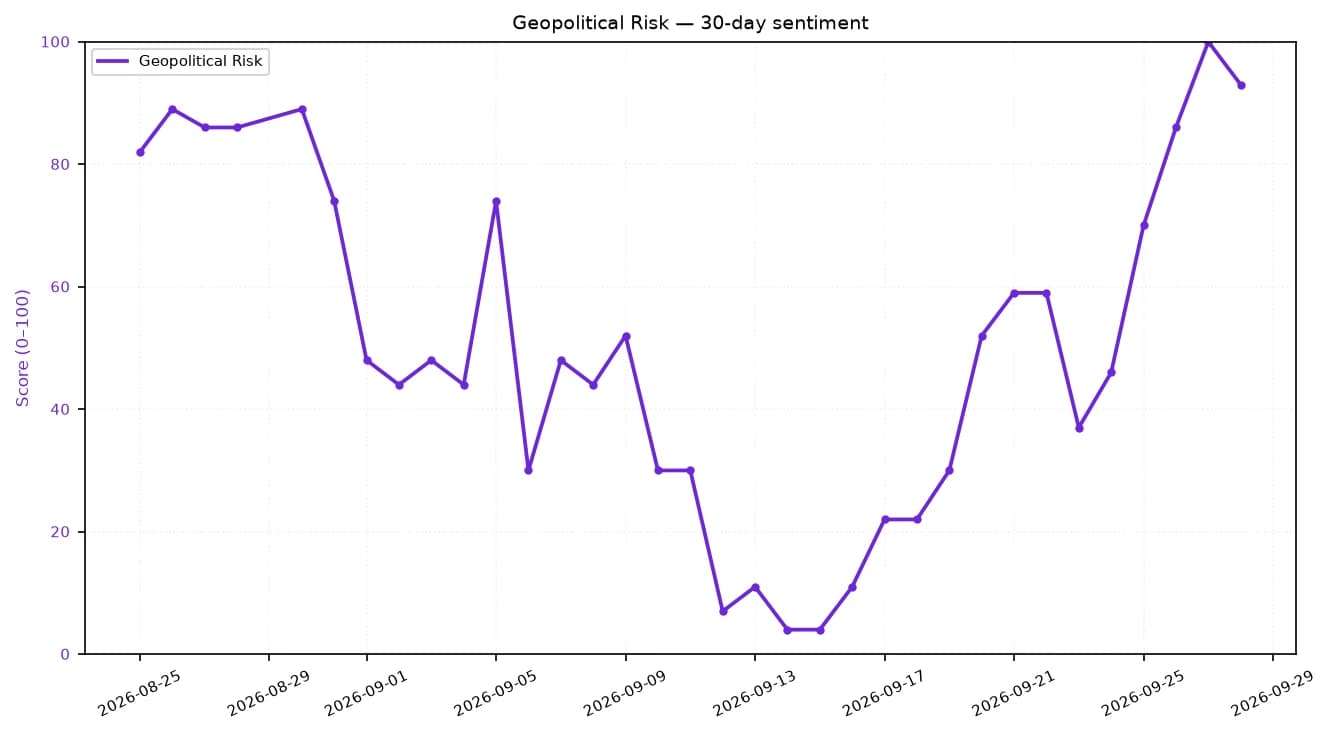
The market is already reacting to the possibility of de-escalation. U.S. Oil Fund shares, which track crude, surged to $150.02 on Oct. 1 after a steep run-up that left the fund more than 74% above its 50-day moving average, with RSI readings at 45.4 after a bout of extreme overbought conditions earlier in the autumn. That kind of price action suggests traders are still pricing a lot of geopolitical risk into energy.
Energy equities have moved with the same theme. The Energy Select Sector SPDR Fund rose to $62.70 on Oct. 1, holding above both its 50-day and 200-day moving averages, even after a pullback from a September peak near $65.54. If ceasefire talks gain traction, producers may lose some of the war premium that has supported the sector, while refiners, airlines and broader inflation-sensitive industries could benefit from lower input costs.

Defense stocks face the opposite setup. Lockheed Martin shares have slipped to $505.50 from a March high above $668, and the stock is now below both its 50-day and 200-day moving averages, a sign investors are already reassessing the durability of conflict-driven demand. Any credible path to reduced hostilities would likely weaken the near-term case for renewed escalation spending, even if Western rearmament trends remain intact.
The broader narrative is that the war is moving from battlefield attrition toward energy diplomacy, with winter as the deadline. A U.S. political meeting helped frame the latest push, but the key question for markets is whether Russia accepts a reciprocal pause or uses the opening to keep pressure on Ukraine while the energy war continues.
For investors, the next catalysts are clear: any formal ceasefire proposal, Russian response, additional attacks on energy infrastructure and fresh moves in crude, refining margins and defense names as traders reposition for a colder, potentially more diplomatic end to the year.
| Entity | Gains | Losses |
|---|---|---|
| Ukraine/Russia ceasefire advocates | ▲Lower energy damage risk | ▼Less leverage from strikes |
| Oil producers | ▲War premium supports prices | ▼Ceasefire could trim crude gains |
| Airlines/refiners | ▲Lower fuel costs | ▼Less volatility trading opportunity |
| Defense contractors | ▲Continued war spending | ▼De-escalation pressure on demand |