Russia’s refusal to pause its war in Ukraine during negotiations keeps the conflict a live market risk and raises the odds that Europe’s rearmament cycle runs longer, harder and with more spending than many investors still expect.
Russia Ukraine war keeps defense spending elevated
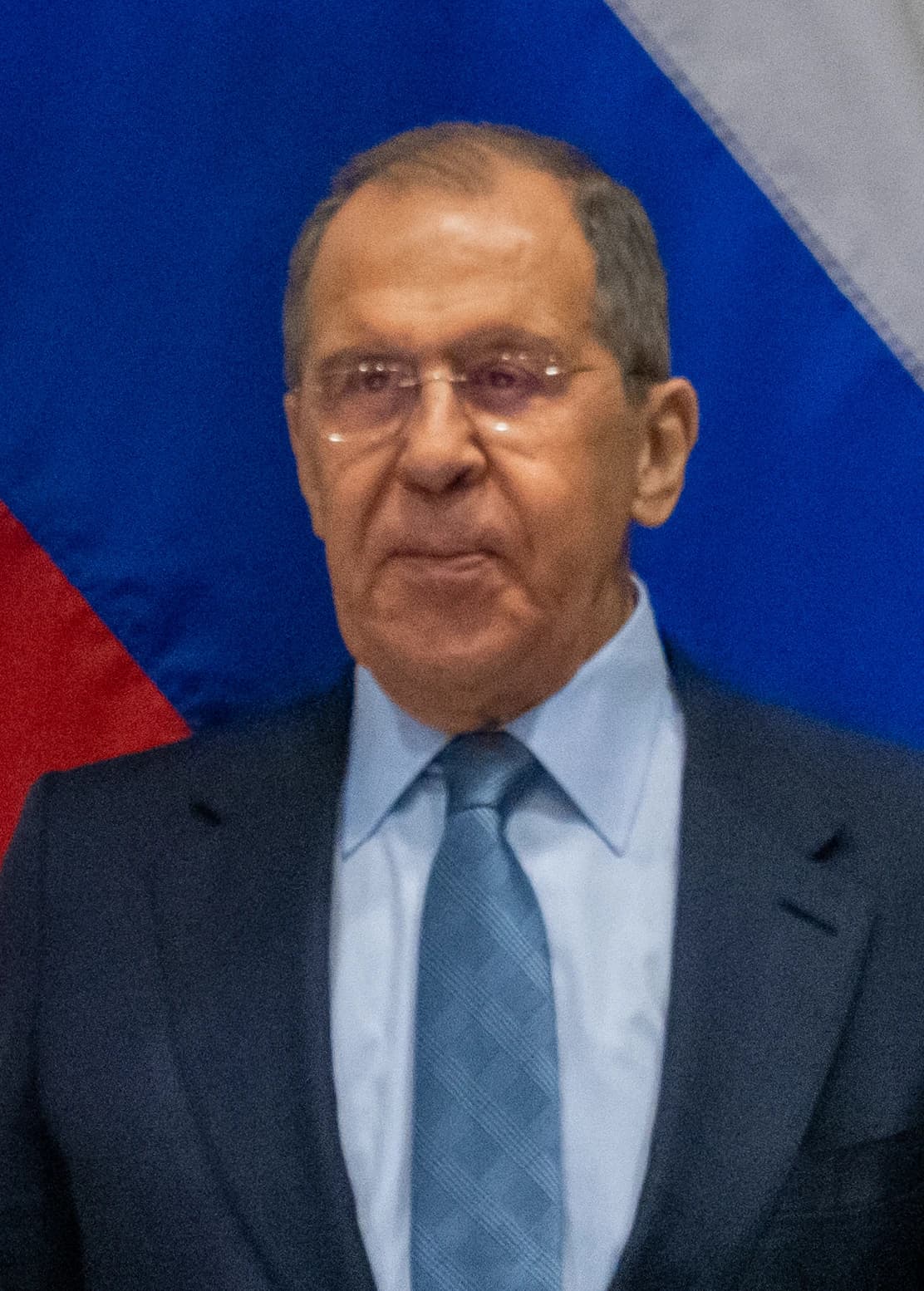
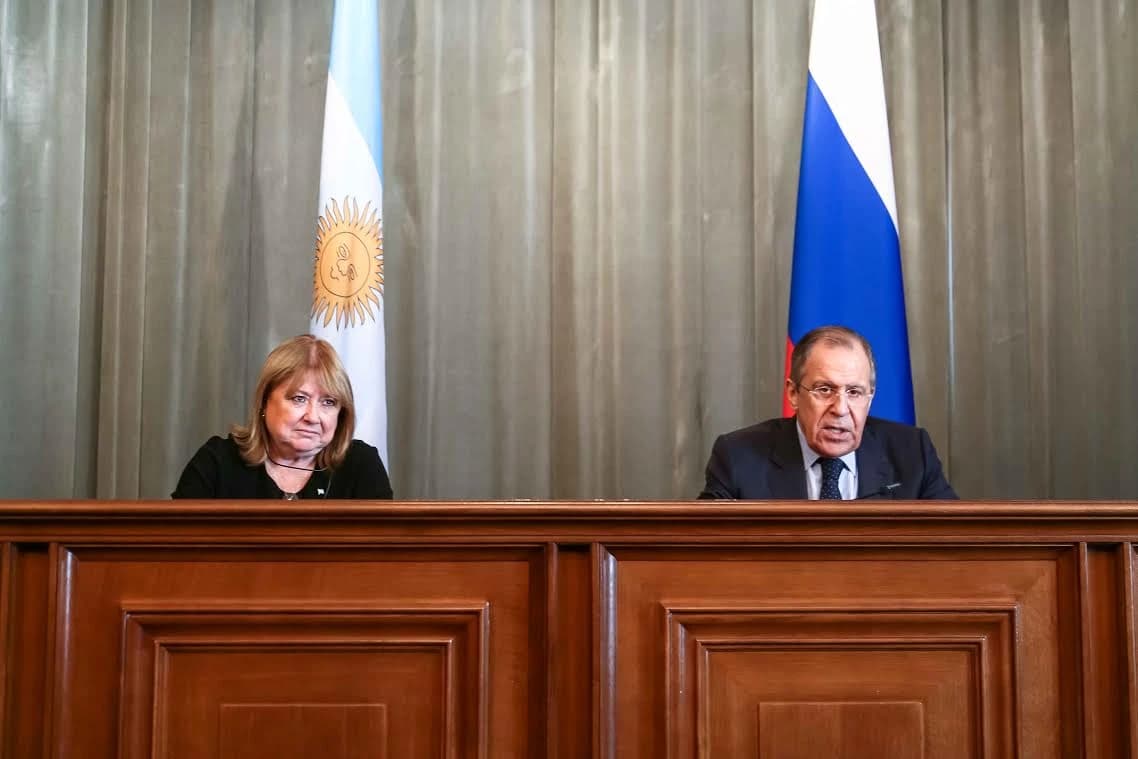
Foreign Minister Sergei Lavrov said Moscow is prepared to discuss a “long-term and sustainable settlement,” but will not suspend what Russia calls its special military operation while talks are under way. That matters because any diplomatic window that does not include a ceasefire leaves the battlefield, energy system and defense procurement cycle intact — and in some cases accelerates them.
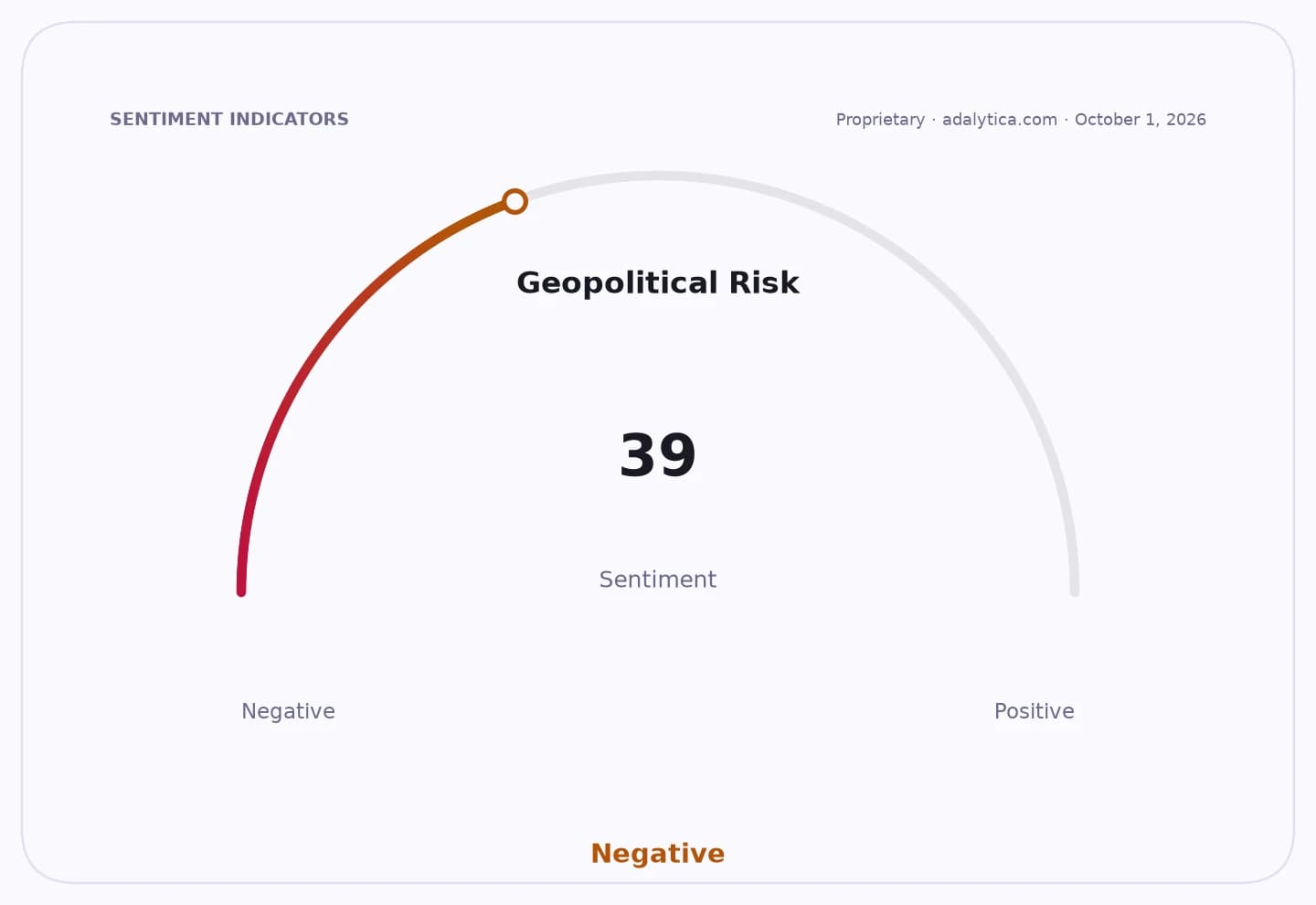
Sentiment IndicatorsⓘProprietary · adalytica.com · October 1, 2026
This is a snapshot — live sentiment, awareness and momentum for 130+ markets update continuously in the dashboard.Open AlphaPulse
Lavrov framed European calls for a pause as an attempt to buy time for Kyiv to rebuild depleted stocks. That is the key economic implication: a frozen front was always likely to be the political preference of some capitals, but Moscow’s rejection of a temporary halt means Europe must continue funding Ukraine while also restocking its own arsenals. The result is not peace dividend economics, but sustained defense capex.
For investors, that supports the case for keeping exposure to defense contractors, ammunition suppliers and military electronics. The market has already rewarded that trade, but the underlying demand profile still looks underappreciated. The iShares U.S. Aerospace & Defense ETF, ITA, and the SPDR S&P Oil & Gas Exploration & Production ETF, XOP, both reflect how geopolitical risk is continuing to channel capital toward hard-asset and security-linked sectors. XLE, the energy benchmark, has also held up as war risk keeps a floor under crude and refined products demand expectations.
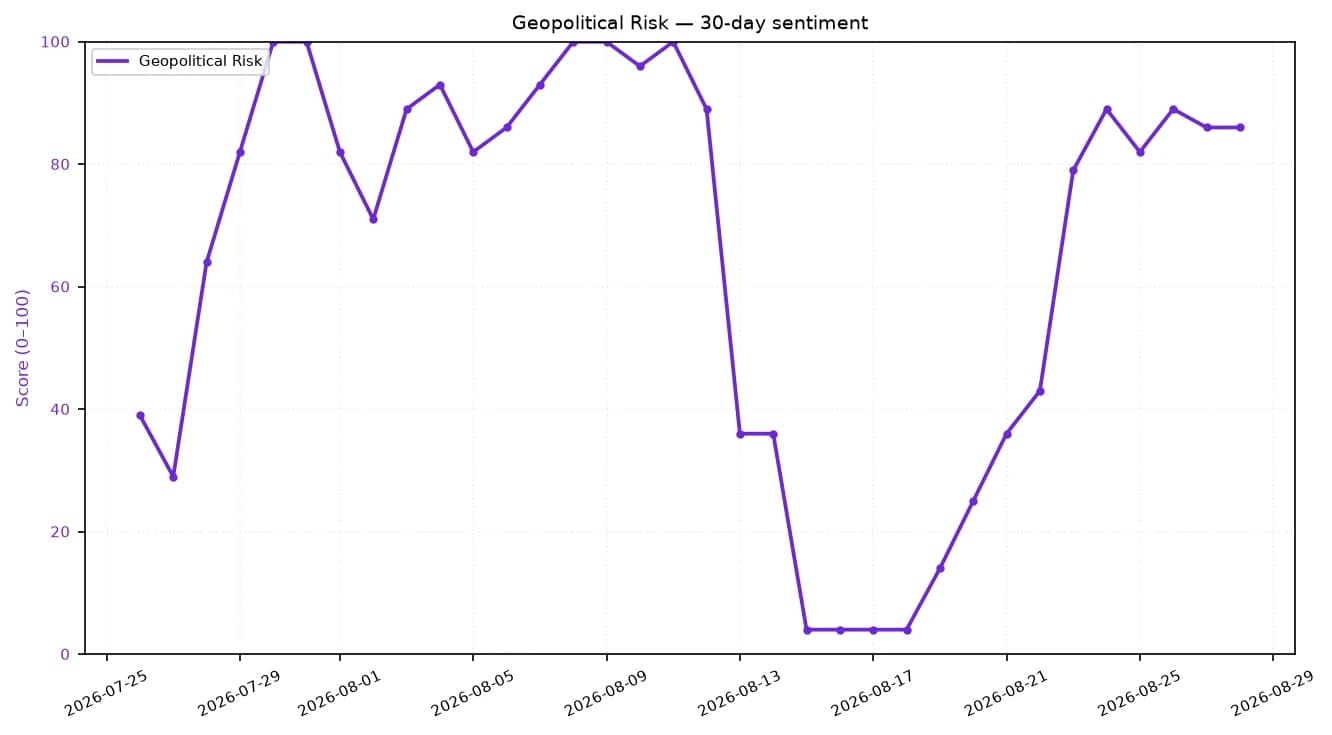
The more important read-through is that this conflict remains a toll road for volatility. When diplomacy fails to create a genuine pause, commodity markets, shipping insurance, European utilities and defense budgets all stay on alert. Adalytica’s Global Stability Sentiment snapshot has fallen to extreme fear, underscoring how quickly the market can price risk back in when rhetoric hardens.
That leaves a straightforward investment conclusion: the Ukraine war is still not a ceasefire trade, it is a rearmament trade. Until Moscow signals a willingness to stop fighting during negotiations — not just talk about them — investors should favor defense, energy and select industrial suppliers over names that depend on a quick normalization.
| Entity | Gains | Losses |
|---|---|---|
| Defense contractors | ▲More procurement | ▼Ceasefire hopes |
| Energy producers | ▲Higher risk premium | ▼Peace-driven pullback |
| Europe’s governments | ▲Strategic urgency | ▼Budget flexibility |
| Ukraine importers | ▲Allied support flows | ▼War-time instability |