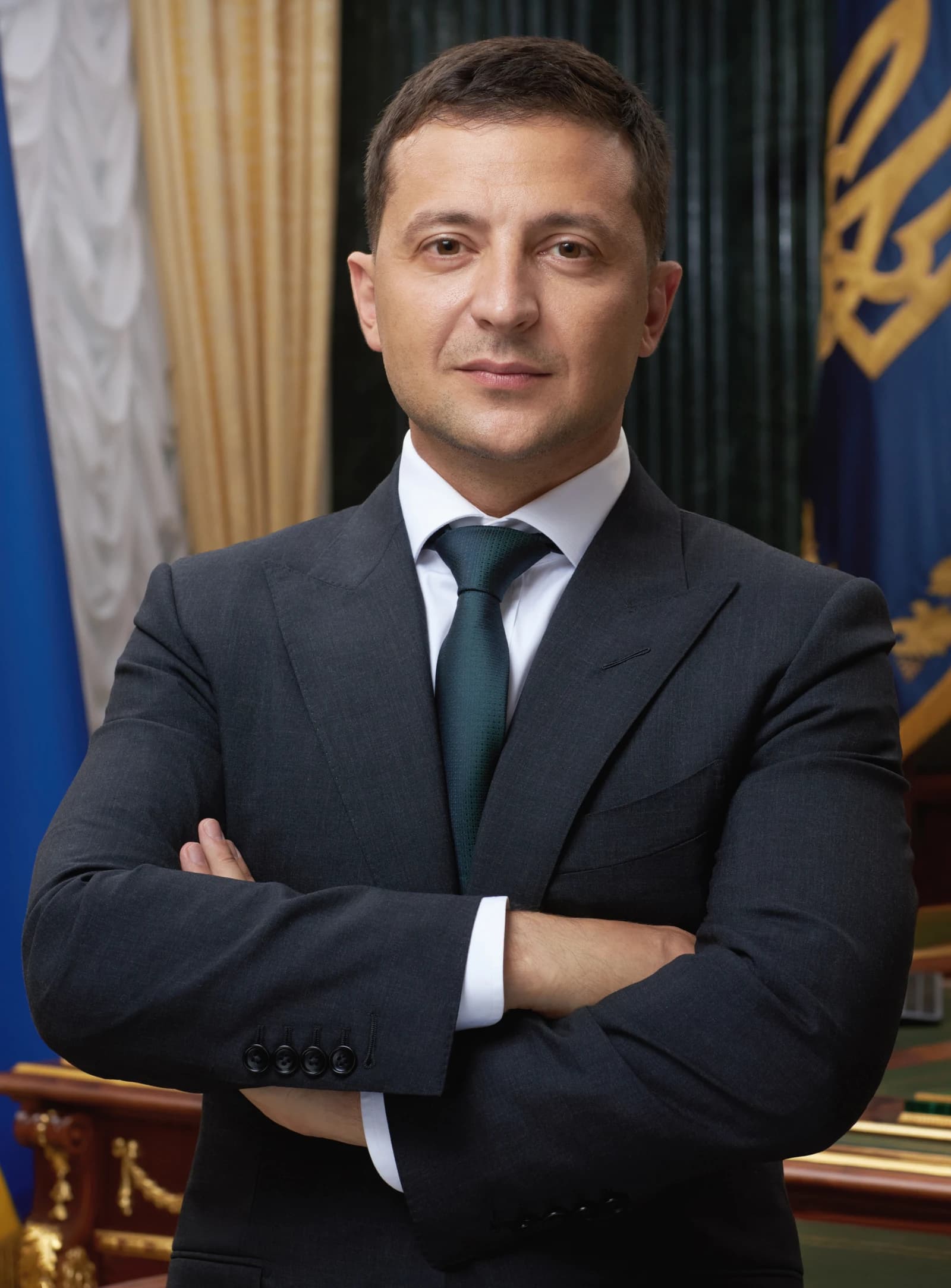
Russia’s readiness to negotiate on Ukraine without stopping military operations underscores how far Moscow remains from the ceasefire terms Kyiv and its Western backers have demanded, even as diplomacy around the war edges forward.
Russia talks on Ukraine without ceasefire
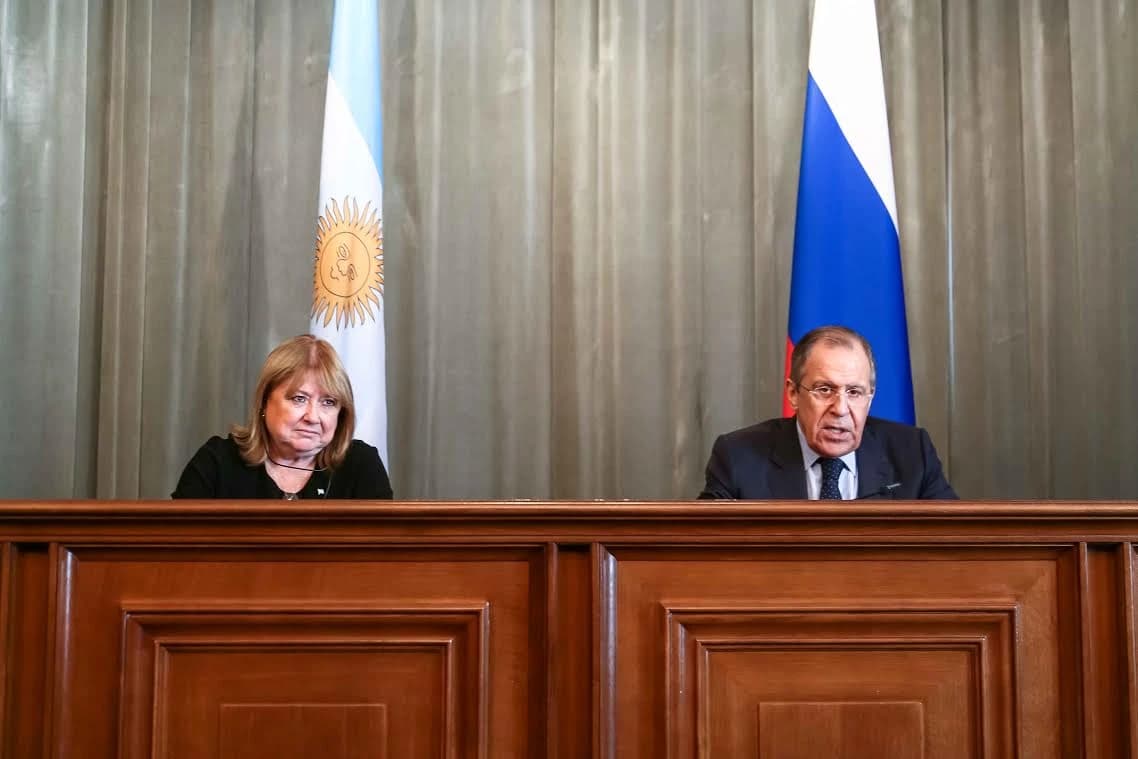
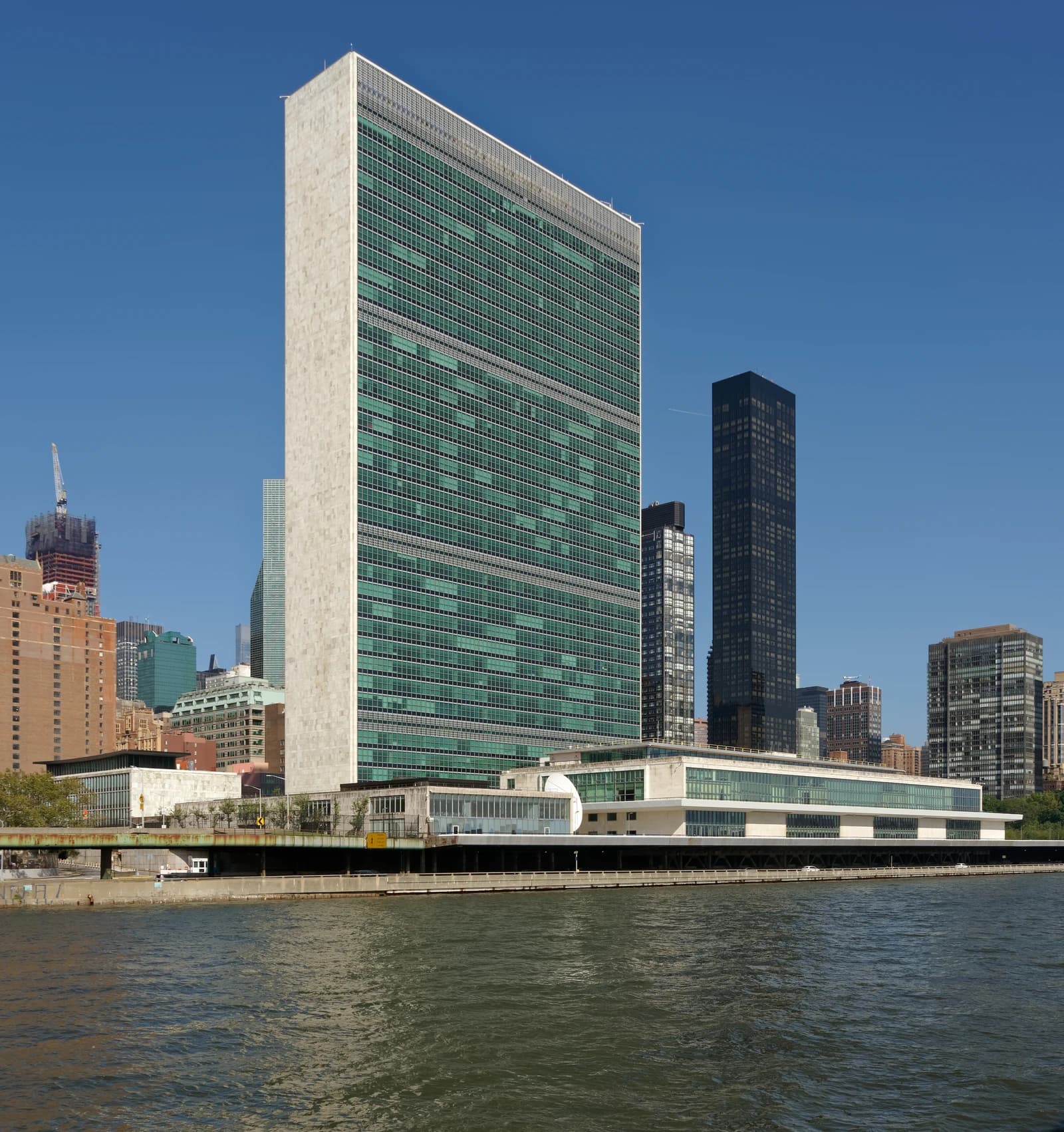
Foreign Minister Sergei Lavrov said Russia is prepared for talks aimed at a “stable and just peace,” but not for a halt in fighting during the переговорation process, according to comments made at a UN Security Council meeting on Ukraine and reported by Kommersant. The stance preserves Moscow’s leverage on the battlefield while keeping the door open to discussions that could eventually produce a longer-term settlement rather than a temporary truce.
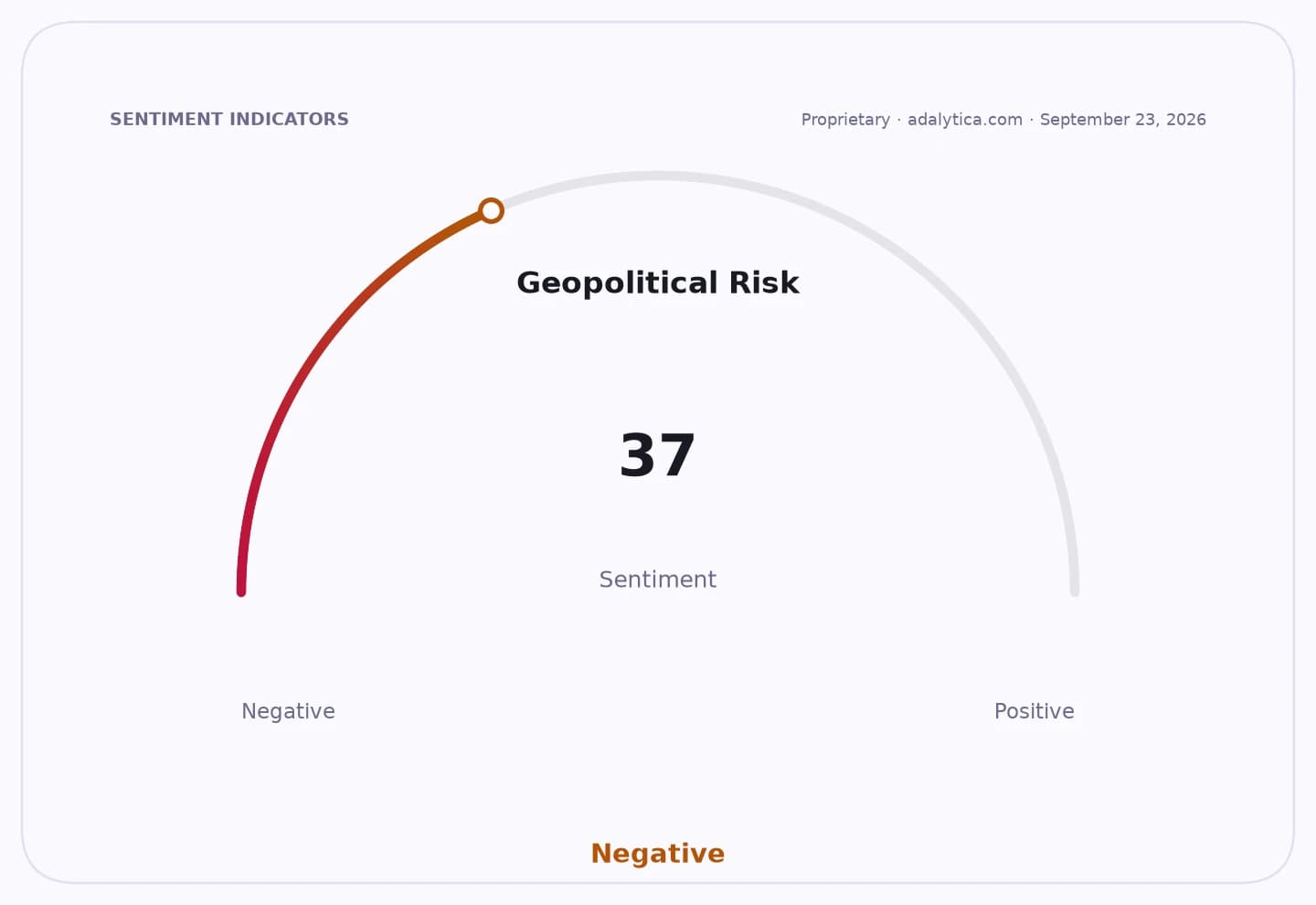
Sentiment IndicatorsⓘProprietary · adalytica.com · September 28, 2026
This is a snapshot — live sentiment, awareness and momentum for 130+ markets update continuously in the dashboard.Open AlphaPulse
That distinction matters economically because ceasefire expectations remain one of the few levers capable of altering war-linked market pricing, from energy and shipping risk premia to European defense spending assumptions and broader safe-haven demand. A durable peace deal could ease pressure on regional inflation, support risk assets in Europe and reduce the embedded geopolitical premium in oil, gas and wheat. By contrast, talks without a pause in hostilities leave the conflict’s economic drag largely intact.
The comments came after Lavrov met US Secretary of State Marco Rubio in New York on the sidelines of the UN General Assembly, suggesting the diplomatic channel is active even if the substance remains narrow. Rubio had said earlier that Russia and Ukraine had shown interest in a limited pause on strikes against energy infrastructure and in securing grain exports. That is a lower bar than a full ceasefire, but it would still matter for power supply, agricultural logistics and insurance costs if it were ever implemented.
Geopolitical Risk — 30-day sentimentadalytica.com
Explore this data interactively — full history, time series and cross-market comparisons.Open AlphaPulse
Markets have so far treated the prospect of a breakthrough cautiously. Adalytica’s Global Stability Sentiment gauge shows elevated greed at 93, while awareness remains in extreme fear territory at 4, a combination that points to complacency around headline risk even as the war remains unresolved. For investors, that leaves room for sharp repricing if negotiations falter or if any limited agreement emerges on energy or grain corridors.
The immediate implication is that diplomacy is progressing in form but not yet in substance. Ukraine and European governments have repeatedly said a credible settlement requires a cessation of hostilities first, while Moscow is signaling that battlefield pressure will continue during any talks. That keeps defense suppliers supported, sustains demand for hedging against energy and commodity shocks, and limits the odds of a near-term relief rally in assets most exposed to the war’s disruption.
For now, the market narrative is unchanged: Russia wants negotiations on its terms, not a ceasefire that would freeze the front line. Until that changes, investors should assume geopolitical risk remains a live input to European rates, commodities and defense stocks rather than a fading background issue.
| Entity | Gains | Losses |
|---|---|---|
| Russia | ▲Battlefield leverage | ▼Ceasefire credibility |
| Ukraine | ▲Diplomatic opening | ▼Pressure for compromise |
| Defense stocks | ▲Sustained demand | ▼Peace dividend |
| Energy and grain markets | ▲Risk premium support | ▼Disruption easing |