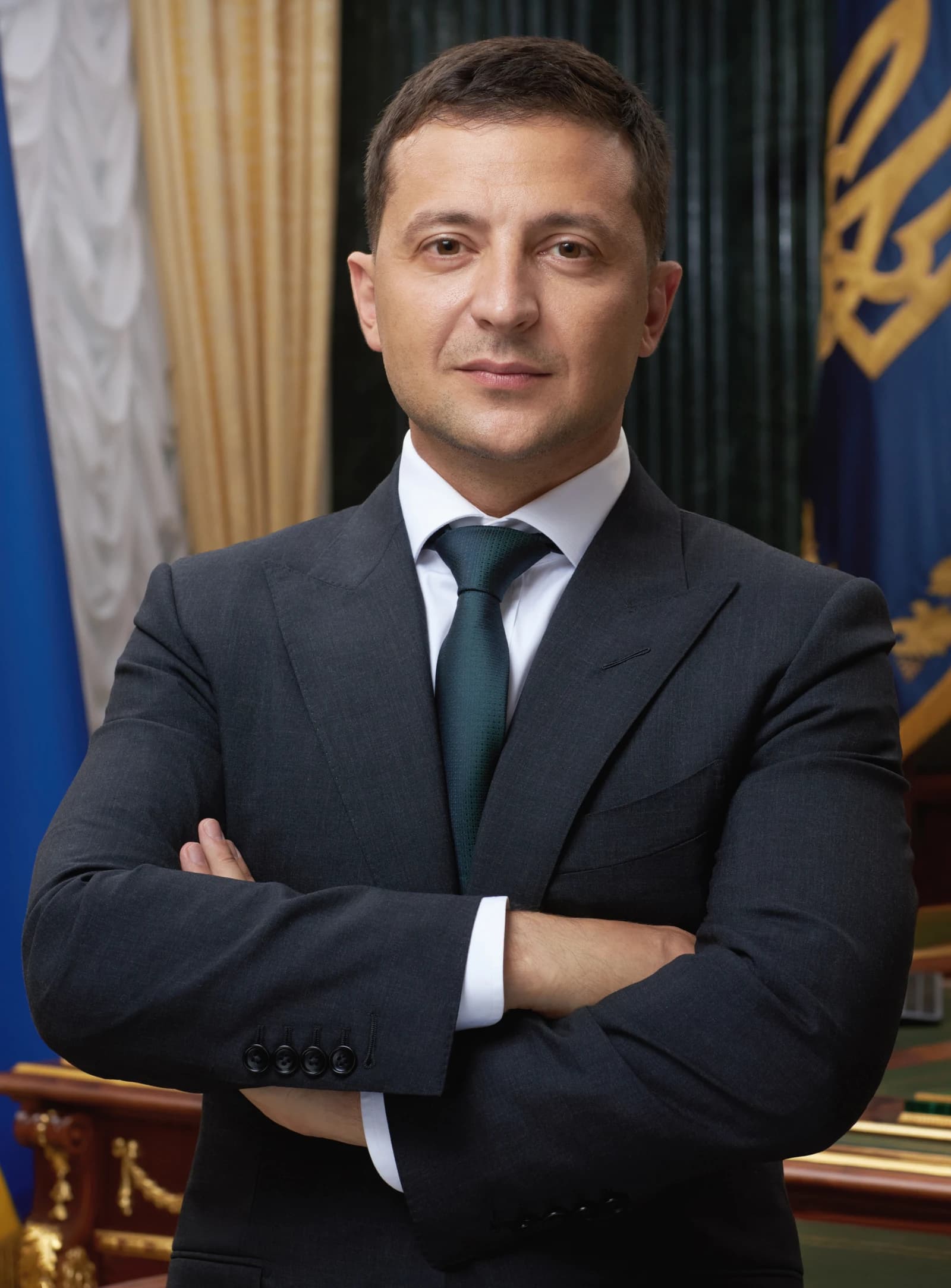
Ukraine says it is ready to halt attacks in the Black Sea and on energy infrastructure, putting the next move on Russia at a moment when shipping risk, wheat prices and winter energy security are all back in focus.
Ukraine Ready to Pause Black Sea and Energy Attacks

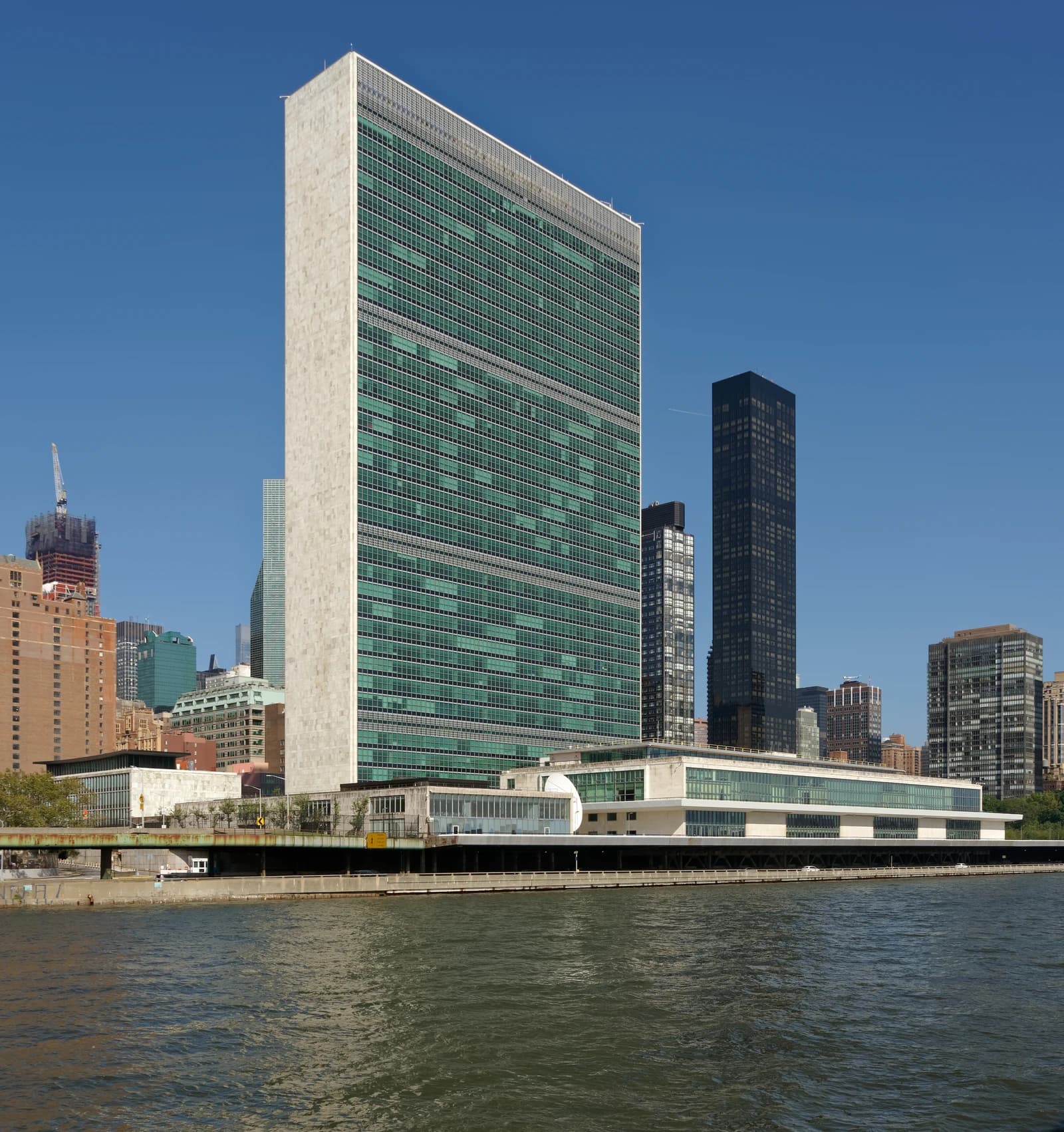
President Volodymyr Zelensky said Kyiv supports a ceasefire in the Black Sea based on proposals from Egypt, India and Turkey, and is prepared to guarantee safe navigation and food security if Moscow also takes “real steps toward de-escalation.” The comments came as he addressed world leaders in New York during the UN General Assembly and the Crimea Platform summit.
Sentiment IndicatorsⓘProprietary · adalytica.com · September 28, 2026
This is a snapshot — live sentiment, awareness and momentum for 130+ markets update continuously in the dashboard.Open AlphaPulse
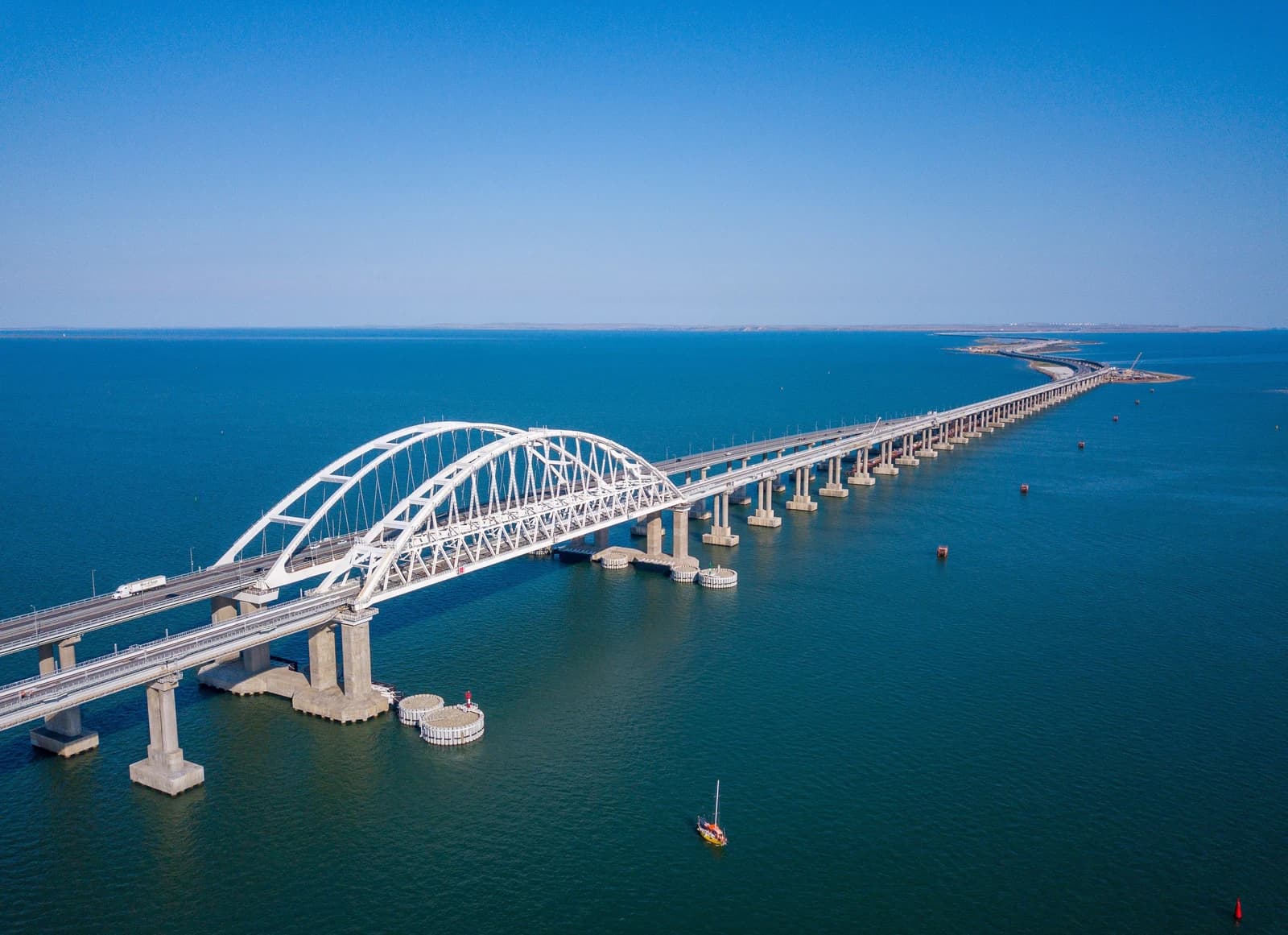
The stakes are economic as much as diplomatic. Black Sea shipping has been “almost stalled” by attacks on vessels and port infrastructure on both sides, threatening a route that remains critical for grain exports from the world’s top wheat suppliers and for importers in Asia, the Middle East and Africa. Zelensky said those countries are already struggling to secure supplies, helping push global wheat prices higher.
For investors, any narrowing of the conflict to a partial truce covering grain and energy could ease pressure on agricultural commodities and lower some of the geopolitical premium embedded in energy markets. Adalytica’s Global Stability Sentiment gauge is still at 93, in “Extreme Greed,” while its WTI oil trade signals also show “Extreme Greed,” reflecting how closely markets are watching for spillover risks from the war and the Black Sea attacks.
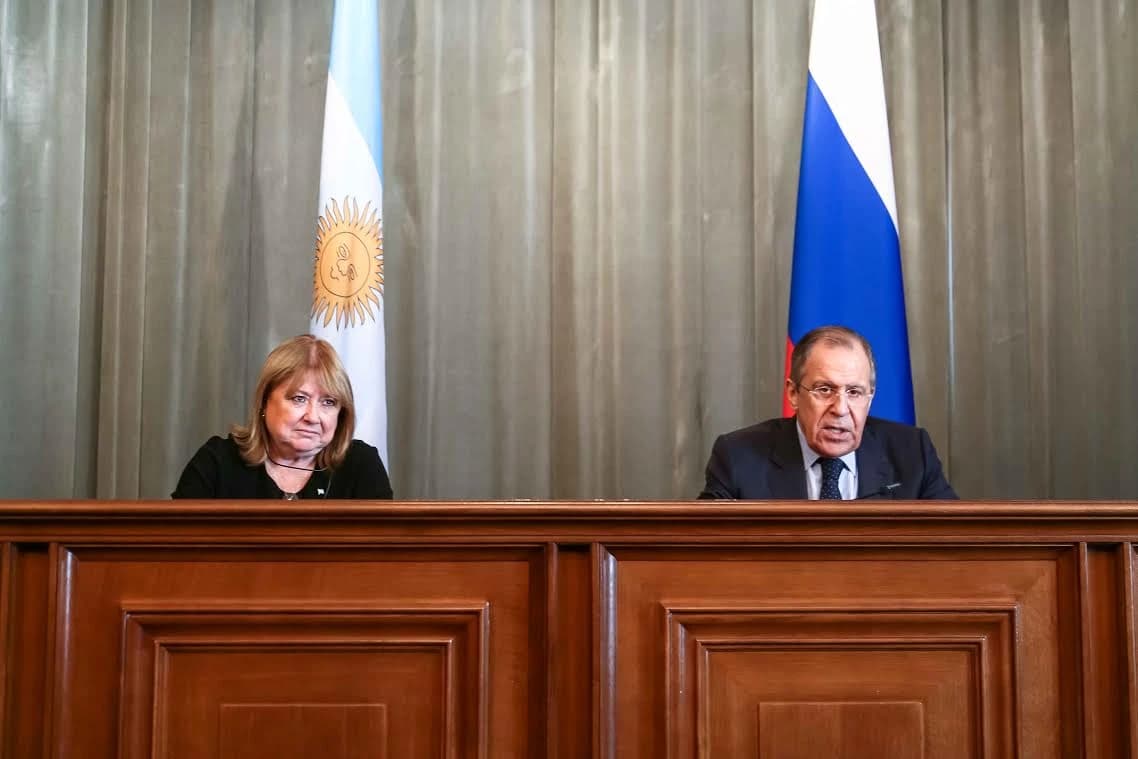
The diplomatic path remains uncertain. U.S. Secretary of State Marco Rubio said after meeting Russian Foreign Minister Sergei Lavrov that both Russia and Ukraine had expressed interest in a partial ceasefire covering grain and energy, but the Kremlin has not publicly backed the idea. Kremlin spokesman Dmitry Peskov said there are no grounds yet for broader peace talks, even as Moscow says it remains open to negotiations.
Zelensky also said he would be willing to meet Vladimir Putin in a trilateral meeting with U.S. President Donald Trump, underscoring the effort to use UN diplomacy to build momentum around a limited ceasefire before winter hardens the conflict around power, heating and shipping infrastructure.
| Entity | Gains | Losses |
|---|---|---|
| Ukraine | ▲Safer exports; energy relief | ▼Continued pressure if Russia refuses |
| Russia | ▲Diplomatic off-ramp if it accepts | ▼More blame if it rejects truce |
| Grain importers | ▲Lower supply risk; steadier prices | ▼Higher costs if shipping stays disrupted |
| Wheat bulls/energy hawks | ▲Volatility if talks fail | ▼Risk premium if ceasefire advances |