The Black Sea blockade is turning from a regional wartime disruption into a global inflation risk, pushing wheat to three-year highs and forcing importers from Egypt to Vietnam to pay up for scarce alternatives.
Black Sea blockade lifts wheat prices and food costs
That matters because Russia and Ukraine normally account for more than a quarter of global wheat trade, roughly two-thirds of sunflower oil exports and about a tenth of corn shipments. With combined wheat exports from the two countries during the July-to-September harvest period expected to fall to about half last year’s volume, the market is not facing a temporary glitch — it is confronting a supply shock in one of the world’s most important food corridors.
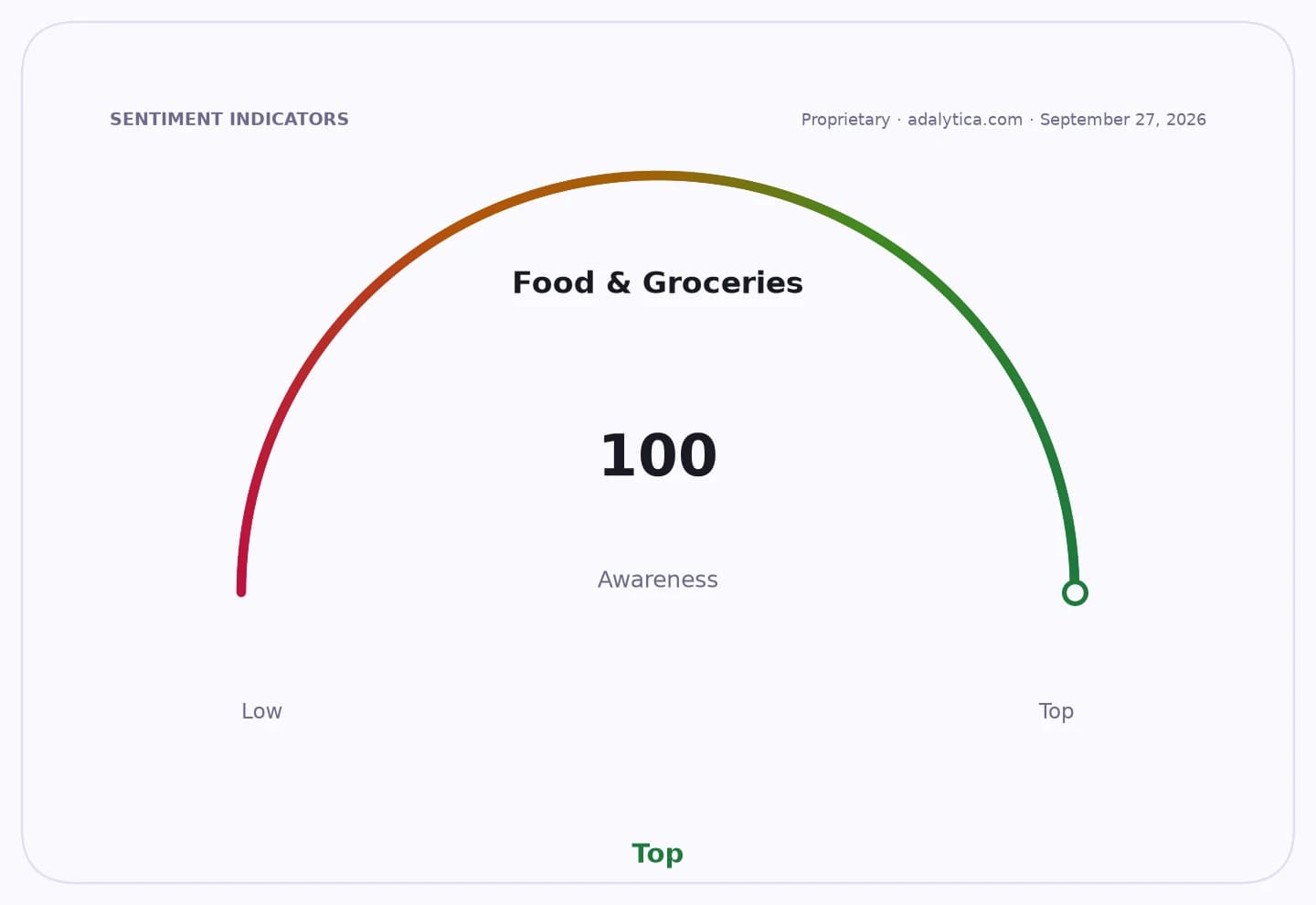
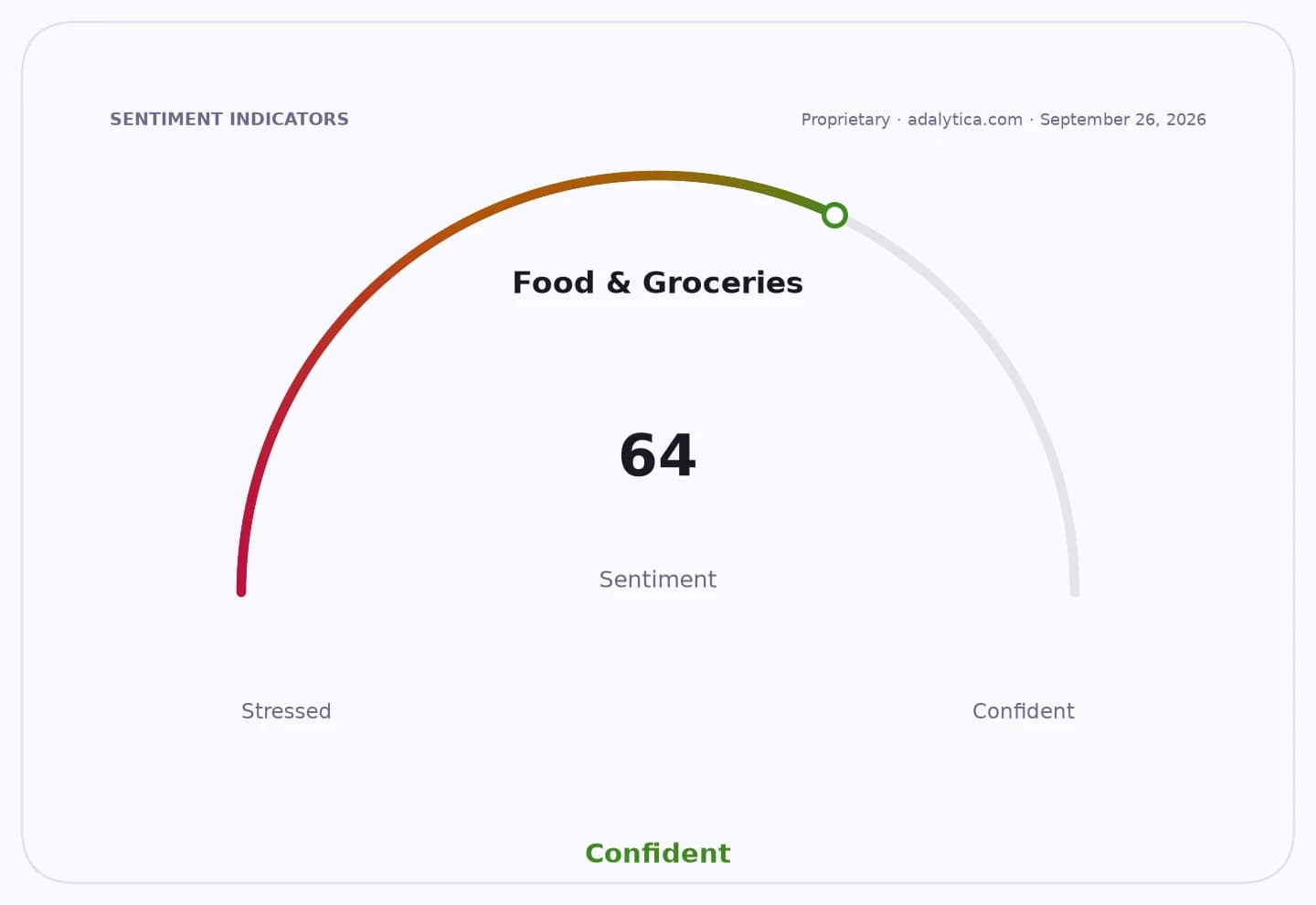
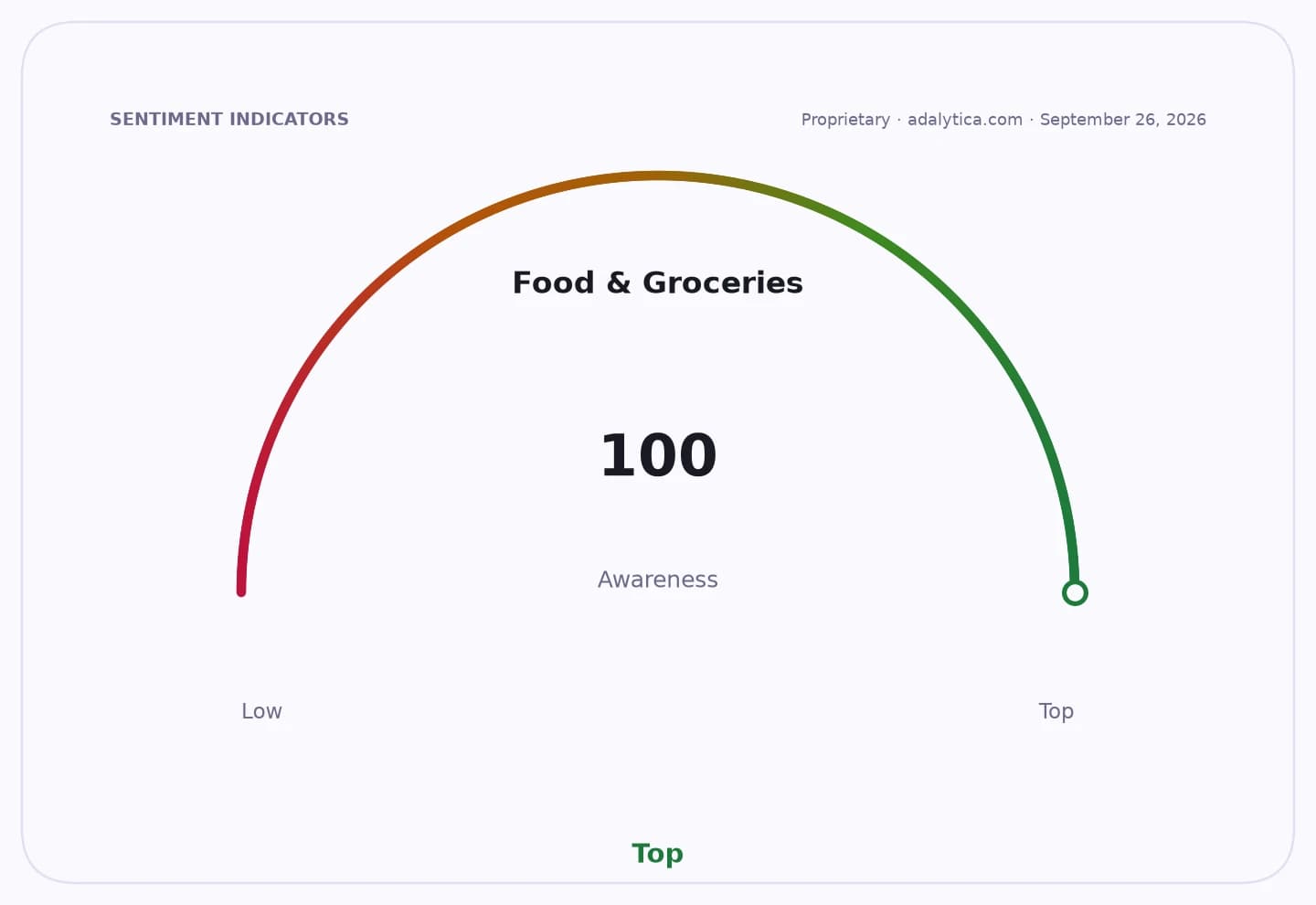
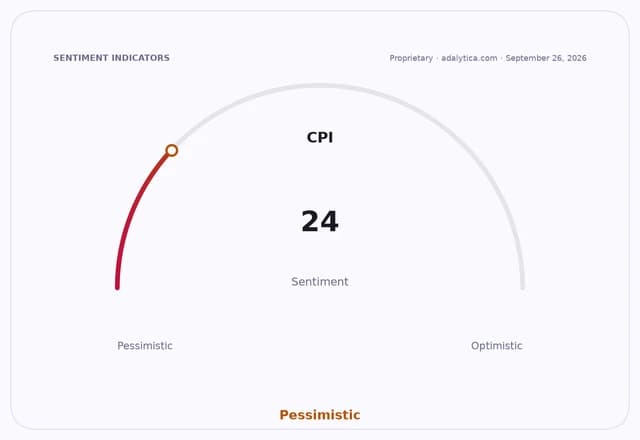
Sentiment IndicatorsⓘProprietary · adalytica.com · September 26, 2026
This is a snapshot — live sentiment, awareness and momentum for 130+ markets update continuously in the dashboard.Open AlphaPulse

The economic damage is already moving through the system. Black Sea agricultural shipments have fallen sharply as ports, grain terminals, storage sites and commercial vessels come under repeated attack. War-risk insurance, freight costs and replacement cargoes from France, Romania, Argentina, India, Australia and the Baltics are all more expensive, which means the price shock does not stop at wheat futures. It bleeds into flour, bread, animal feed and ultimately consumer inflation.
For import-dependent economies, the pressure is acute. Egypt, the world’s largest wheat importer, went about a month without Black Sea grain, and while reserves may keep its bread subsidy program running until February, flour prices have already risen and bakeries are under strain from higher energy and labor costs. That is exactly how a commodity shock becomes a political shock: the bill lands with governments that subsidize staple food and with households already stretched by inflation.
WPU0121 vs PPIACO — macro contextadalytica.com
Explore this data interactively — full history, time series and cross-market comparisons.Open AlphaPulse
Investors should read this as a bullish setup for grain exposure and a warning on food-sensitive margins. The most direct read-through is to wheat-linked ETFs such as WEAT, which has reclaimed its 50-day and 200-day moving averages and remains well above both. Corn proxy CORN is also firm, while cane sugar fund CANE has been less directly affected but remains part of the broader food-inflation trade. In the equities space, the winners are the toll-collectors on scarce supply — grain traders, storage providers, logistics firms and crop-insurance names — rather than the importers and consumers forced to absorb higher input costs.
Ukraine faces the hardest immediate squeeze. Warehouses may fill by early November, forcing farmers into temporary storage bags and depressing domestic prices just as agricultural exports generate more than half of the country’s hard-currency revenue. Industry estimates put the monthly hit at $450 million to $500 million if the maritime route stays restricted, a blow that weakens both farmers and the state budget.
The strategic problem is that alternative routes cannot absorb the volume. Rail crossings into the EU and Danube channels are limited, politically sensitive and hampered by low water levels. Russia’s backup routes through Kazakhstan, the Baltic, the Caspian and the Far East are longer and costlier, and with wheat margins already thin, higher logistics costs can make shipments uneconomic. Even if the shooting stopped tomorrow, damaged terminals and storage facilities would take months or years to rebuild.
Turkey is trying again to broker a deal similar to the 2022 Black Sea Grain Initiative, but no new agreement is in place and attacks continue. The market underestimates how quickly this can turn from a one-quarter food story into a two- or three-year supply problem, especially if farmers in both Russia and Ukraine cut plantings for next year because of lower domestic prices and export uncertainty.
For investors, the takeaway is clear: stay constructive on the beneficiaries of scarce grain and food inflation, and stay defensive on businesses exposed to higher staple costs. This is not just a wartime headline — it is an inflection point for global food prices, freight, subsidies and agricultural capital flows.
| Entity | Gains | Losses |
|---|---|---|
| Wheat bulls / WEAT | ▲Higher prices | ▼Volatility risk |
| Grain traders / logisticians | ▲Wider margins | ▼Supply bottlenecks |
| Importers like Egypt | ▲None | ▼Higher food bills |
| Ukraine farmers / exporters | ▲None | ▼Storage crunch, lost revenue |