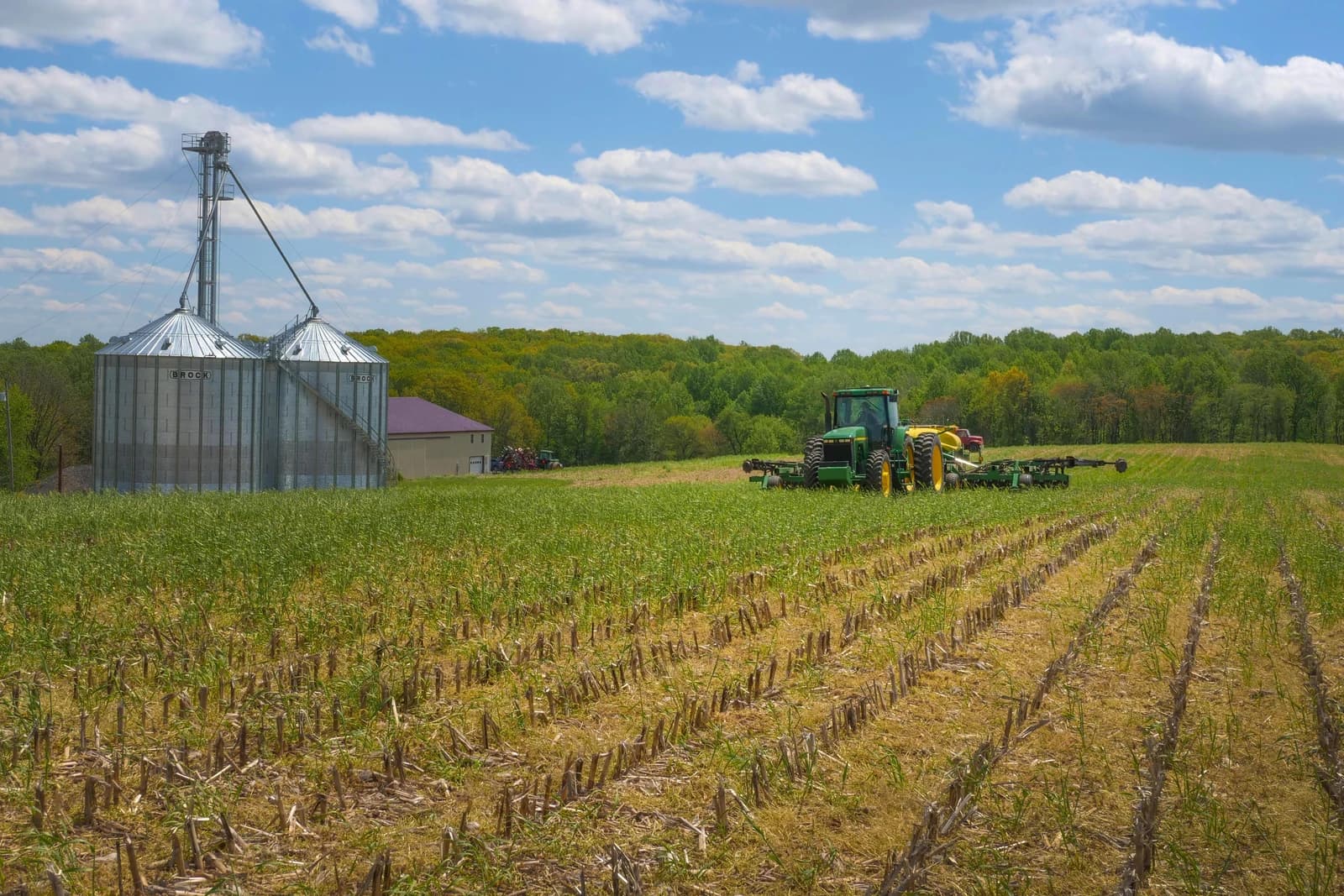
Jordan’s estimated purchase of about 60,000 metric tons of wheat underscores how import-dependent countries are stepping up procurement to secure coverage before any further squeeze in global grain markets.
Jordan Wheat Purchase and MENA Import Demand
For governments across the Middle East and North Africa, the issue is less about timing a price correction than preventing supply disruptions and cushioning domestic food inflation. Wheat remains a politically sensitive staple, and tenders such as Jordan’s are designed to ensure availability even when world prices are firm and freight, currency and regional risk premia can all add to the final bill. That matters economically because grain imports feed directly into subsidy costs, current accounts and inflation readings, especially in countries with limited domestic production.
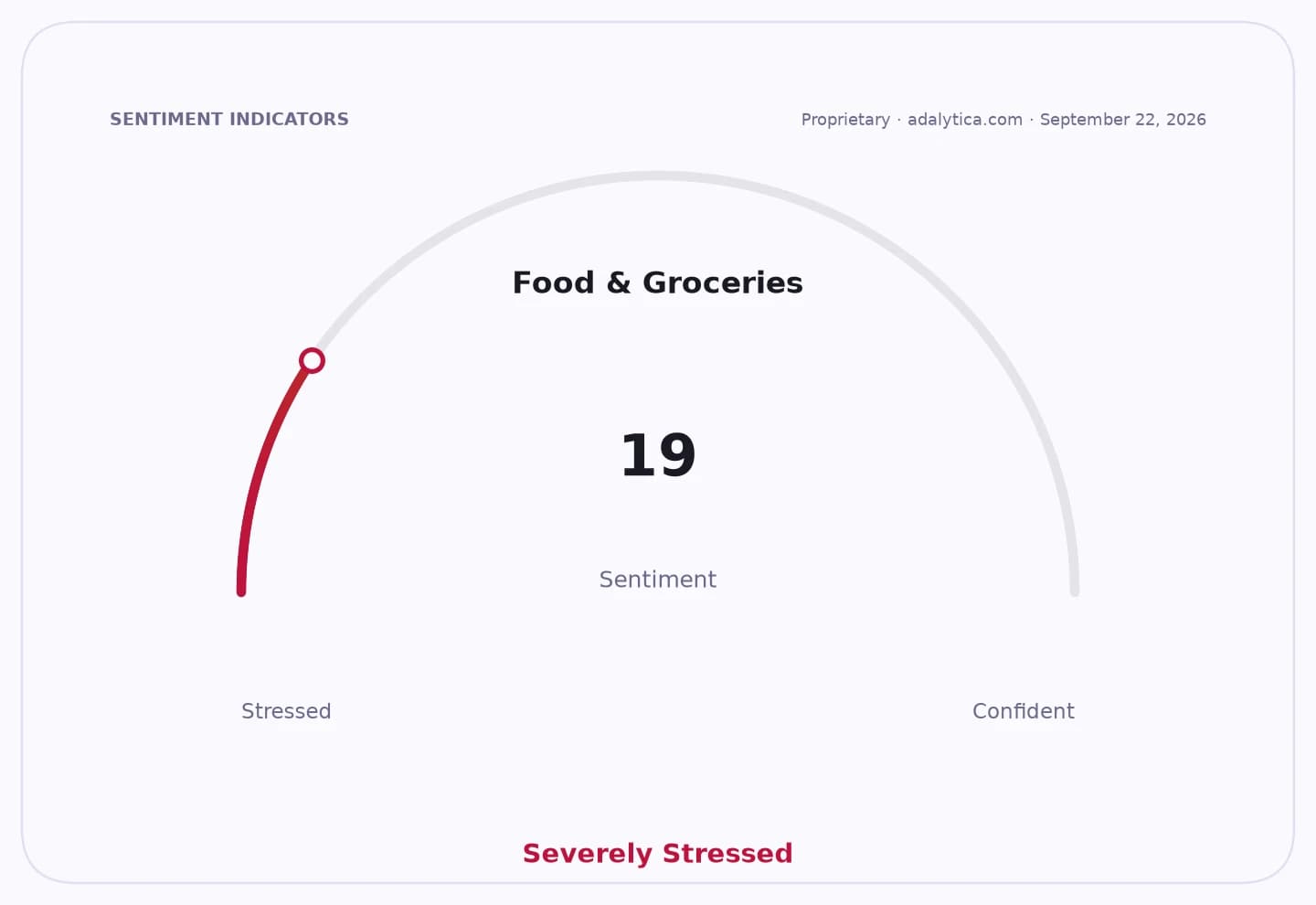
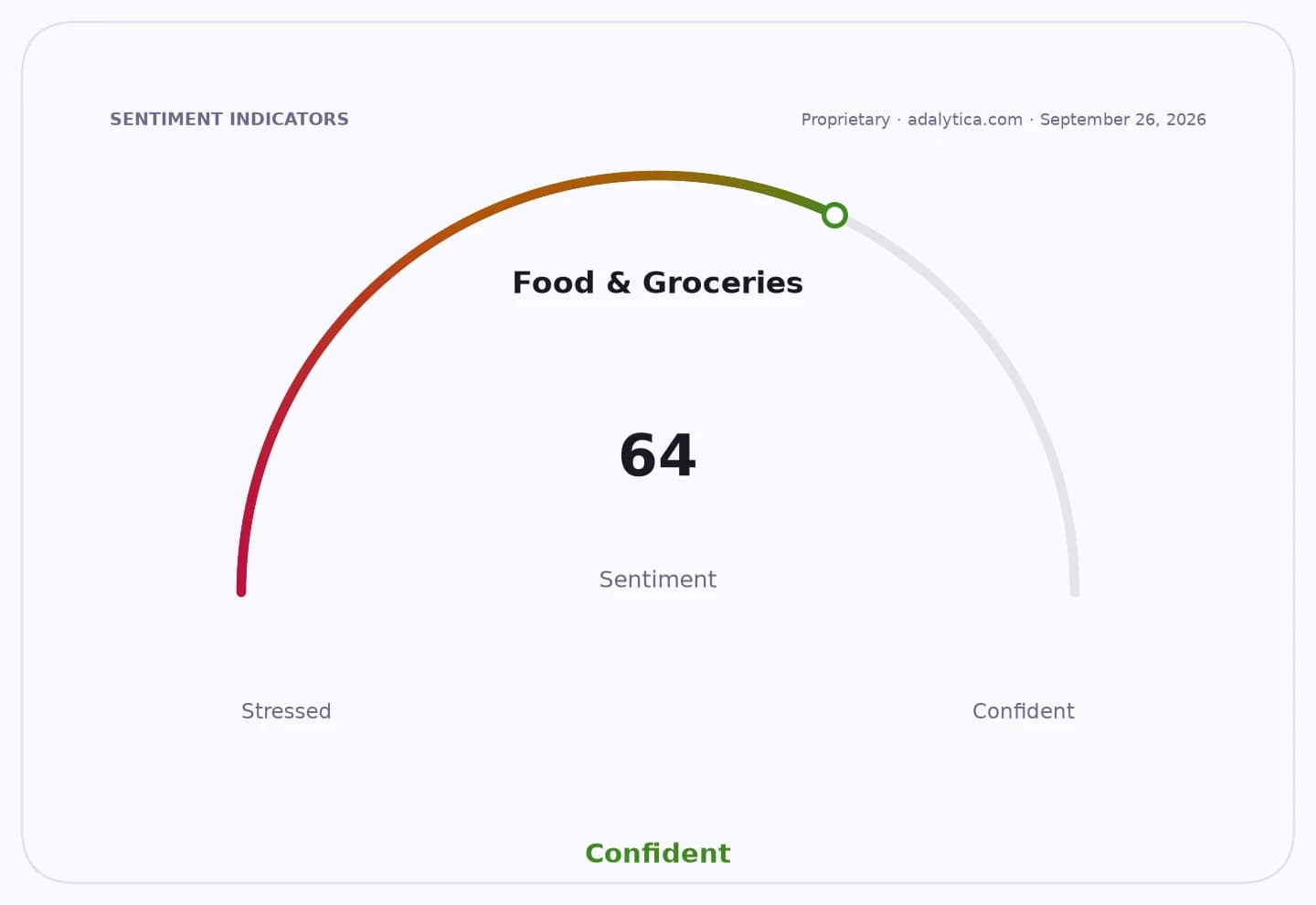
Sentiment IndicatorsⓘProprietary · adalytica.com · September 26, 2026
This is a snapshot — live sentiment, awareness and momentum for 130+ markets update continuously in the dashboard.Open AlphaPulse
The buy also fits a broader pattern in the region. Tunisia has recently issued tenders for 125,000 tons of soft wheat and 75,000 tons of feed barley, while Iraq is expected to produce 390,000 tons less wheat this season, tightening the regional balance. Together, the moves suggest importers are acting early to secure cargoes before competition intensifies further from other buyers facing similar supply concerns.
The global backdrop is not helpful. International wheat prices have been under pressure from production uncertainty, and crop forecasts across Europe have been cut, reinforcing the view that supplies are not as comfortable as they appeared earlier in the year. When importers move into the market while output estimates are being revised lower, the result is often higher procurement costs and more volatile tender pricing.
Investors are likely to read the Jordan deal as another sign that food-security buying is becoming a steady source of demand for grain markets, supporting prices for wheat exporters and agricultural commodity funds while keeping pressure on governments, millers and consumers in importing economies. The shorter-term question is whether more buyers follow Jordan’s lead, which would tighten nearby supply even if futures remain trapped by broader macro uncertainty.
Technical signals in wheat-related vehicles point to a market that has already repriced some of that risk. The Teucrium Wheat Fund, WEAT, has held above its 50-day and 200-day moving averages, while the RSI has cooled from overbought levels, suggesting the recent rally has paused rather than reversed. Corn and the broad agriculture basket, DBA, have shown similar firm-to-sideways action, consistent with a market that is still pricing supply caution rather than relief.
| Entity | Gains | Losses |
|---|---|---|
| Jordan | ▲Supply coverage | ▼Near-term budget room |
| Wheat exporters | ▲Tender demand | ▼Bargaining leverage if supply expands |
| Grain merchants | ▲Trading flow | ▼Margin if freight costs rise |
| Importing governments | ▲Food security | ▼Inflation and subsidy pressure |