Syria’s decision to auction 200,000 tons of domestic wheat matters because it suggests the country has moved, at least for now, from chronic shortage to a temporary surplus in one of its most politically sensitive staples.
Syria auctions 200,000 tons of domestic wheat

That is economically important in a country where bread security has long been tied to social stability. The wheat sale signals that this year’s crop is not only large enough to cover milling needs, but large enough to leave a portion of lower-grade grain available for commercial disposal. For a government that has spent years managing imports, rationing, and payment delays to farmers and agents, selling excess wheat is a rare sign of breathing room.
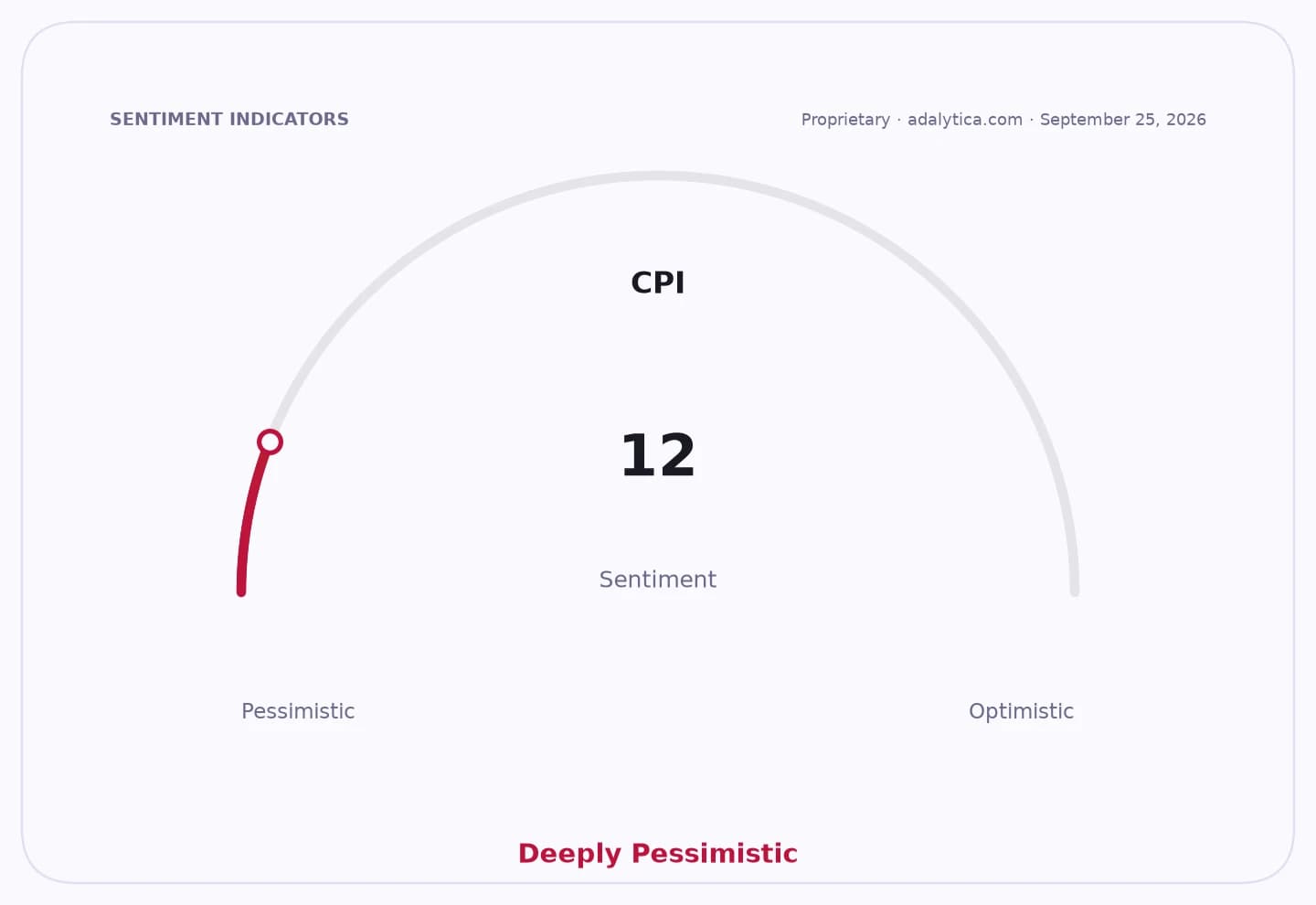
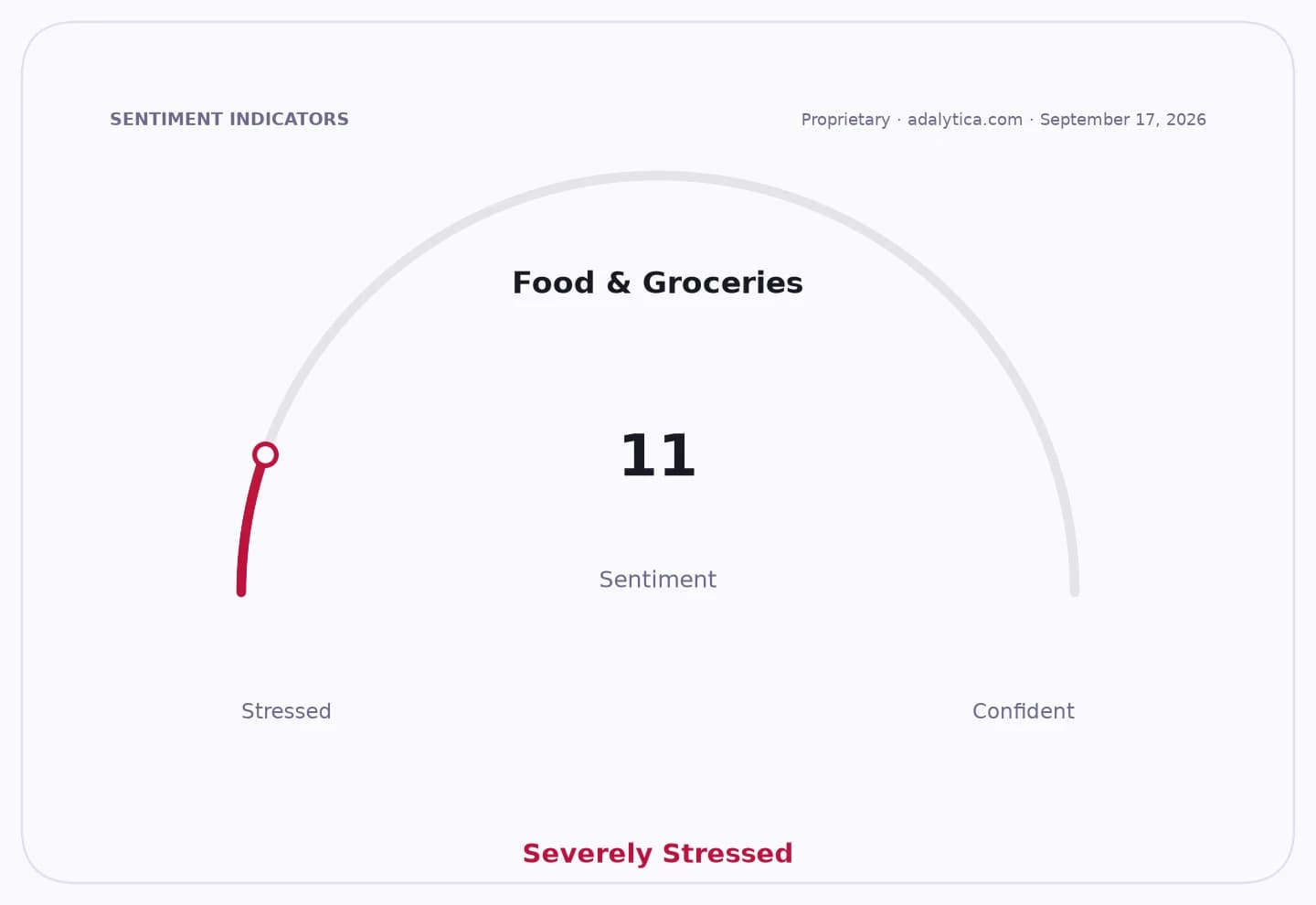
Sentiment IndicatorsⓘProprietary · adalytica.com · September 19, 2026
This is a snapshot — live sentiment, awareness and momentum for 130+ markets update continuously in the dashboard.Open AlphaPulse
The General Establishment for Grains said the lot consists of Syrian hard wheat, grades two and three, owned by the state grain body and surplus to the country’s milling requirements. Damascus said Syria achieved self-sufficiency this year after the grain agency collected 2.75 million tons and stored it. In other words, the immediate driver is not a policy liberalization so much as a better harvest and larger stockpile.
That matters beyond Syria’s borders too. When a country that usually worries about imports is able to sell grain, it can reduce near-term pressure on regional wheat demand. That is relevant for global wheat investors, especially at a time when futures remain sensitive to weather, export policies, tenders and production revisions in major producing regions. A country moving from buyer to seller can change the tone, even if the volume is modest relative to the world market.
For investors tracking agricultural commodities, the message is less about a single auction than about supply discipline. Wheat prices have been volatile because the market is constantly balancing weather risk, government stock decisions and demand from importers. Syria’s sale adds another data point suggesting that some local supply chains are easing, even as broader global fundamentals remain uneven.
The caveat is that a surplus today does not erase structural weakness. The sale involves lower-grade wheat and comes after years of disruption, so it should not be read as a durable turnaround in Syria’s agricultural economy. Payment delays, procurement frictions and the need to maintain bread subsidies still hang over the sector. If the state cannot pay farmers and agents promptly, supply could tighten again next season.
Still, for long-term investors, the bigger takeaway is that food security remains a recurring policy theme across the Middle East, and those shifts can ripple through wheat markets, fertilizer demand and grain logistics. Syria’s auction is a small but meaningful reminder that supply shocks and recoveries can quickly move from the farm to the futures screen. It is worth watching, but not as a one-day trade — as part of the larger story of how governments manage scarcity, reserves and inflation over time.
| Entity | Gains | Losses |
|---|---|---|
| Syria’s grain agency | ▲cash flow from surplus sales | ▼stockpile cushion |
| Domestic millers | ▲access to local wheat | ▼less state-held reserve |
| Global wheat bears | ▲softer import-demand narrative | ▼upside from scarcity |
| Farmers and grain agents | ▲clearer marketing outlet | ▼pressure if payments lag |