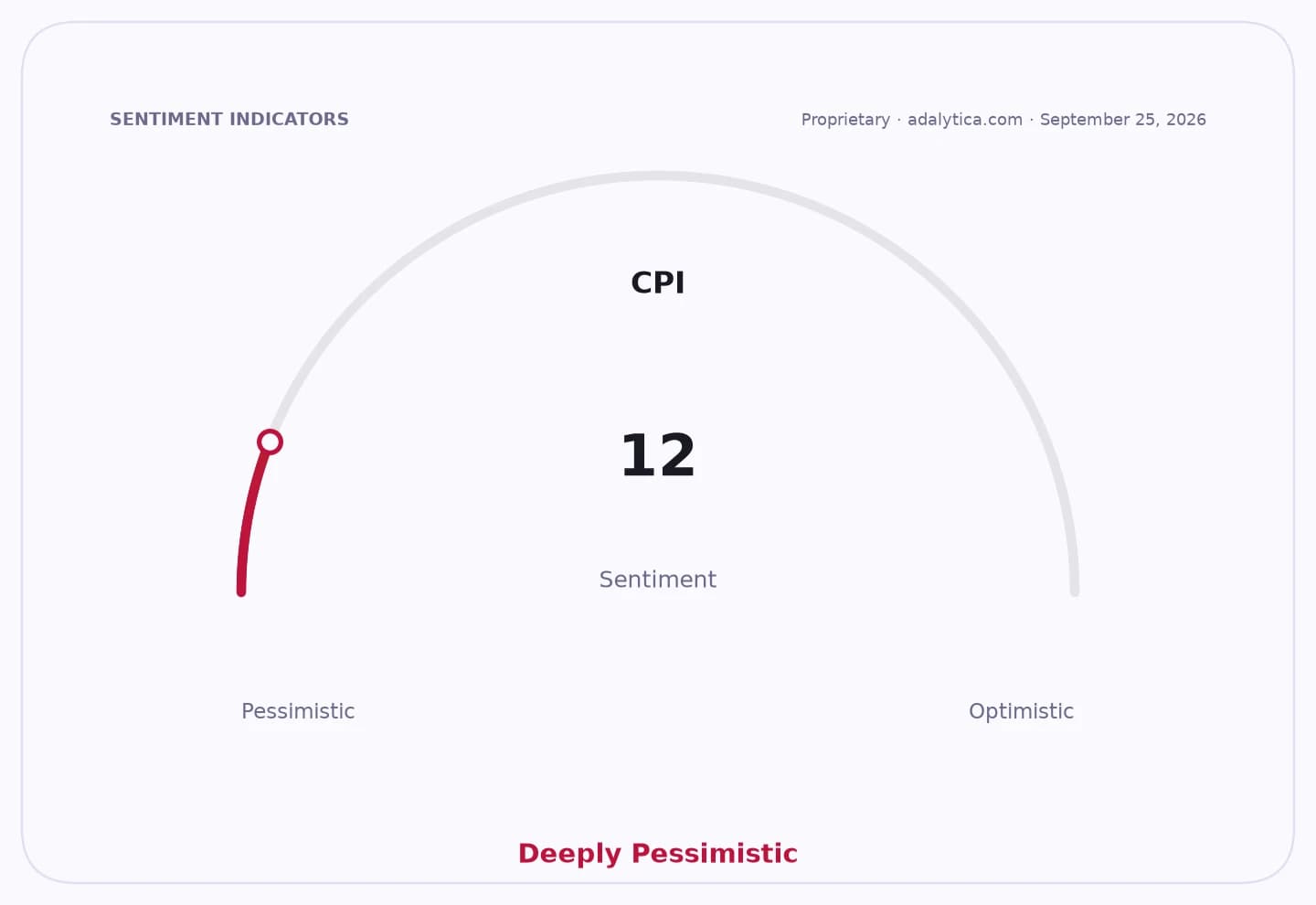
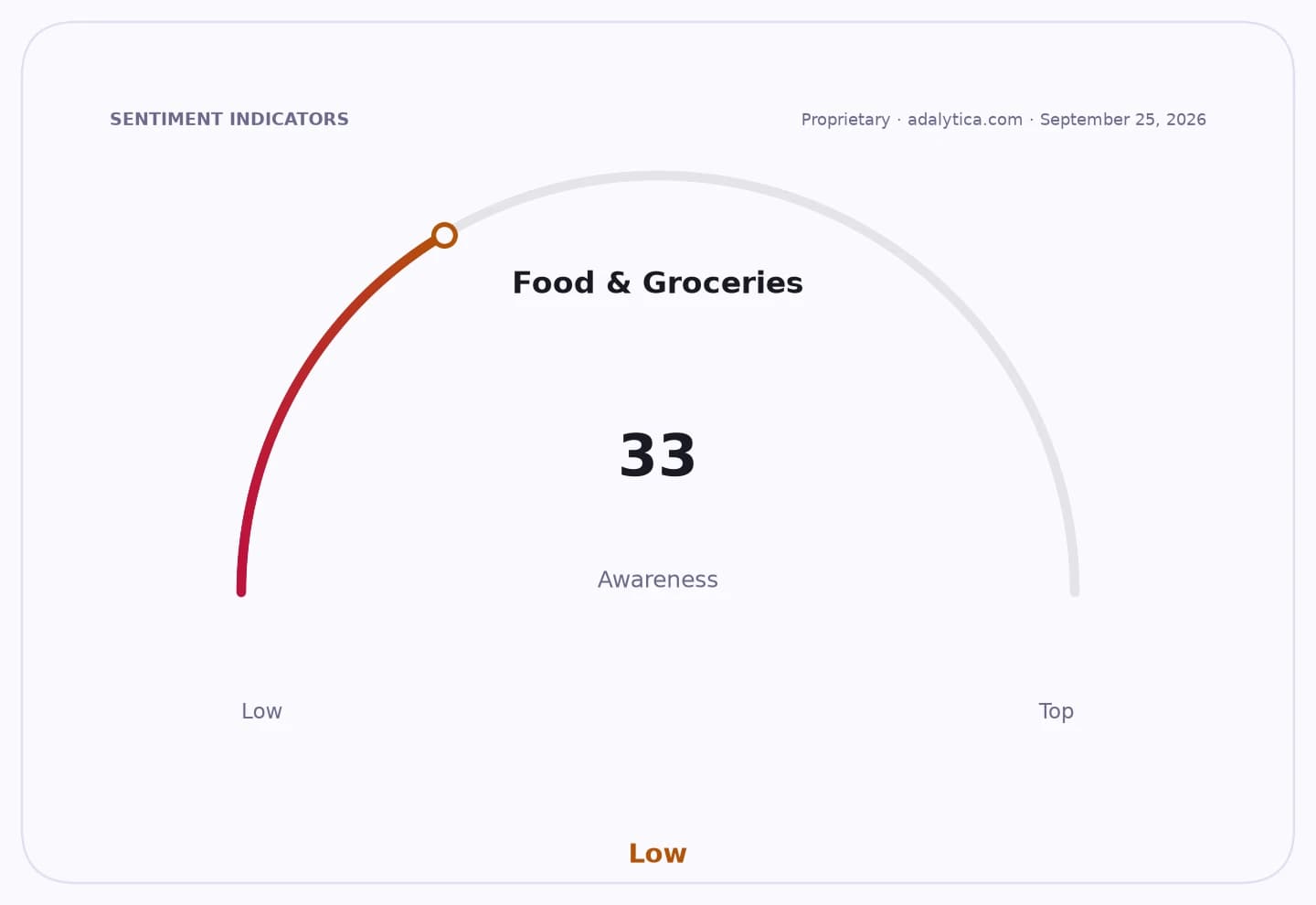
Armenia’s households are not seeing any relief from lower wheat costs, and that mismatch matters because it shows food inflation is being set by local market structure, not just global grain prices.
Armenia Bread Prices Stay High Despite Cheaper Wheat

Harutyun Mnatsakanyan’s complaint that bread prices have not fallen even after wheat became cheaper in Russia gets to the heart of the problem: imported commodity moves do not automatically translate into cheaper staples at the checkout counter. That gap is economically important in a country where bread remains a daily necessity, and where any failure of pass-through quickly turns a commodity story into a cost-of-living story.
The broader food backdrop suggests the pressure is not easing. Global oil is still near $91.75 a barrel in the latest forecast, keeping energy and transport costs elevated. The U.S. producer price index for commodities is also projected to rise again to 289.769, underscoring that input costs across the supply chain remain sticky rather than benign. In that environment, millers, bakers and retailers can absorb some commodity swings, but consumers often do not get the benefit when logistics, packaging, financing and margins stay firm.
That helps explain why bread is acting more like an inflation anchor than a relief valve. When flour, fuel, labor and distribution remain costly, a cheaper wheat import price can be swallowed by the rest of the chain before it ever reaches shelves. For policymakers, that is a warning that food inflation may persist even if headline grain prices soften. For investors, it is a reminder that the real winners in agricultural markets are not always the end consumers or downstream processors, but the firms that control storage, transport, trading and pricing power.
The market implication is straightforward: the trade is less about whether wheat prices fall and more about who can capture the spread between commodity moves and retail pricing. Grain merchants, millers and food manufacturers with scale and procurement discipline are better positioned than smaller bakers with thin margins and little flexibility. Consumers and import-dependent households remain exposed, and unless competitive pressure or policy intervention forces pass-through, bread prices can stay stubborn even when raw wheat eases.
That makes the next catalyst clear. If energy spikes again, freight tightens, or wheat supply becomes volatile, the pressure on bread prices in Armenia and similar markets could intensify quickly. Investors should watch the agricultural supply chain, not just the crop price, because that is where the pricing power — and the profits — will be decided.
| Entity | Gains | Losses |
|---|---|---|
| Grain traders and millers | ▲Wider spreads | ▼Price risk |
| Bread consumers in Armenia | ▲— | ▼No retail relief |
| Food manufacturers with scale | ▲Margin control | ▼Input volatility |
| Small bakers and retailers | ▲— | ▼Cost pressure |