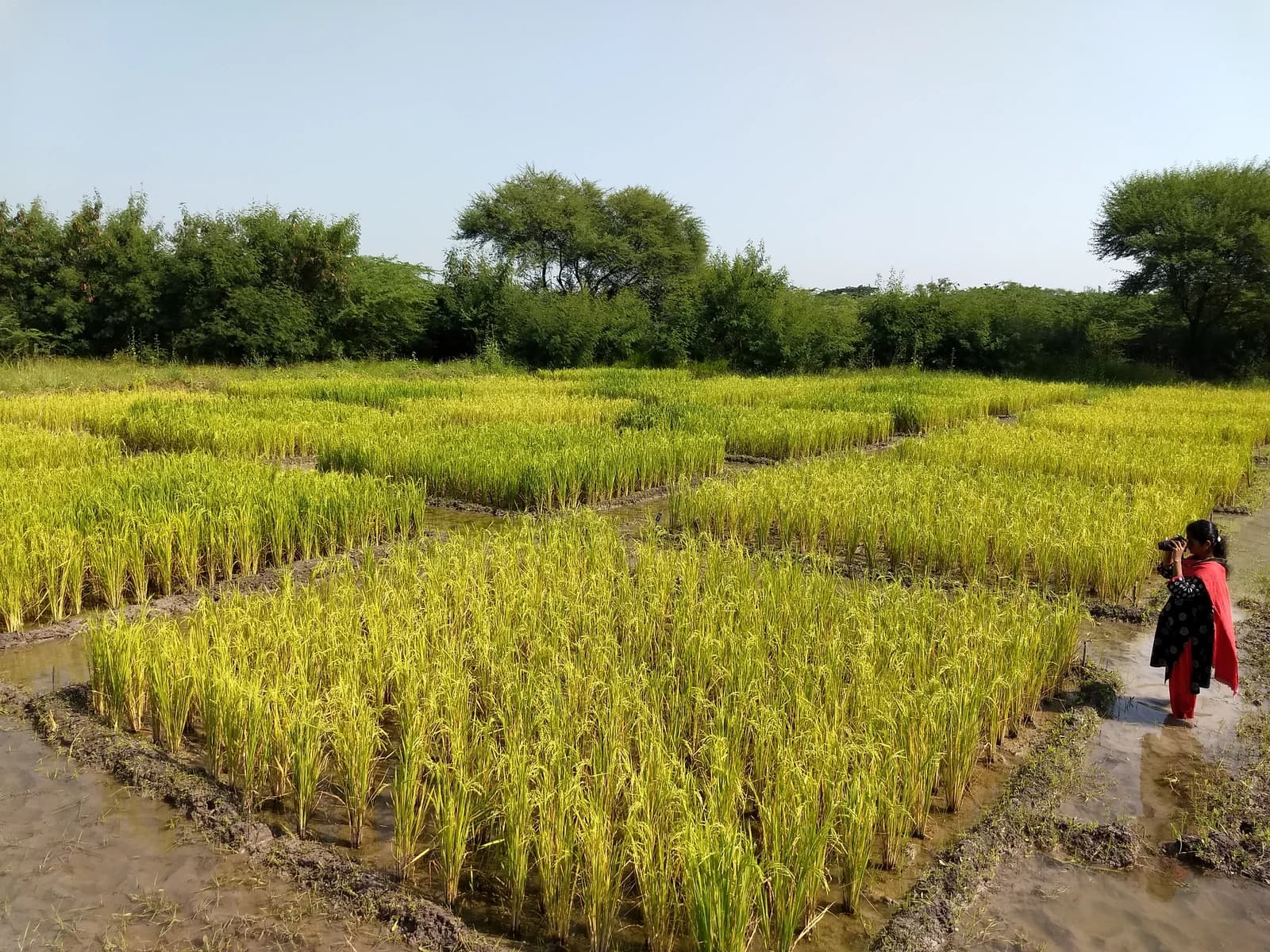
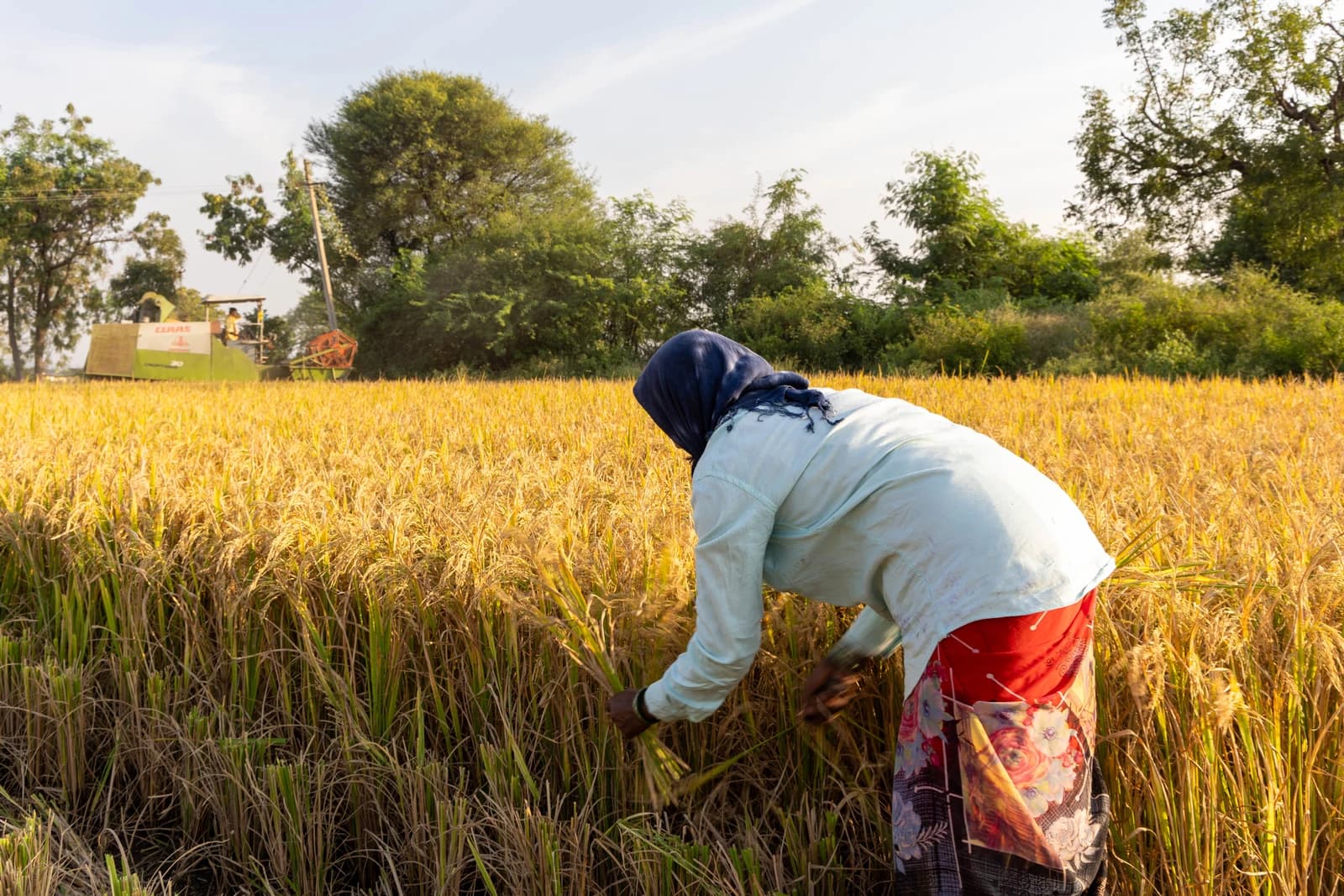
Indonesia’s long dry season is not stopping the government from trying to triple rice-field output, a push that could ease food-inflation pressure, support rural incomes and reduce the need for imports if the strategy works.
Indonesia rice output plan and food inflation
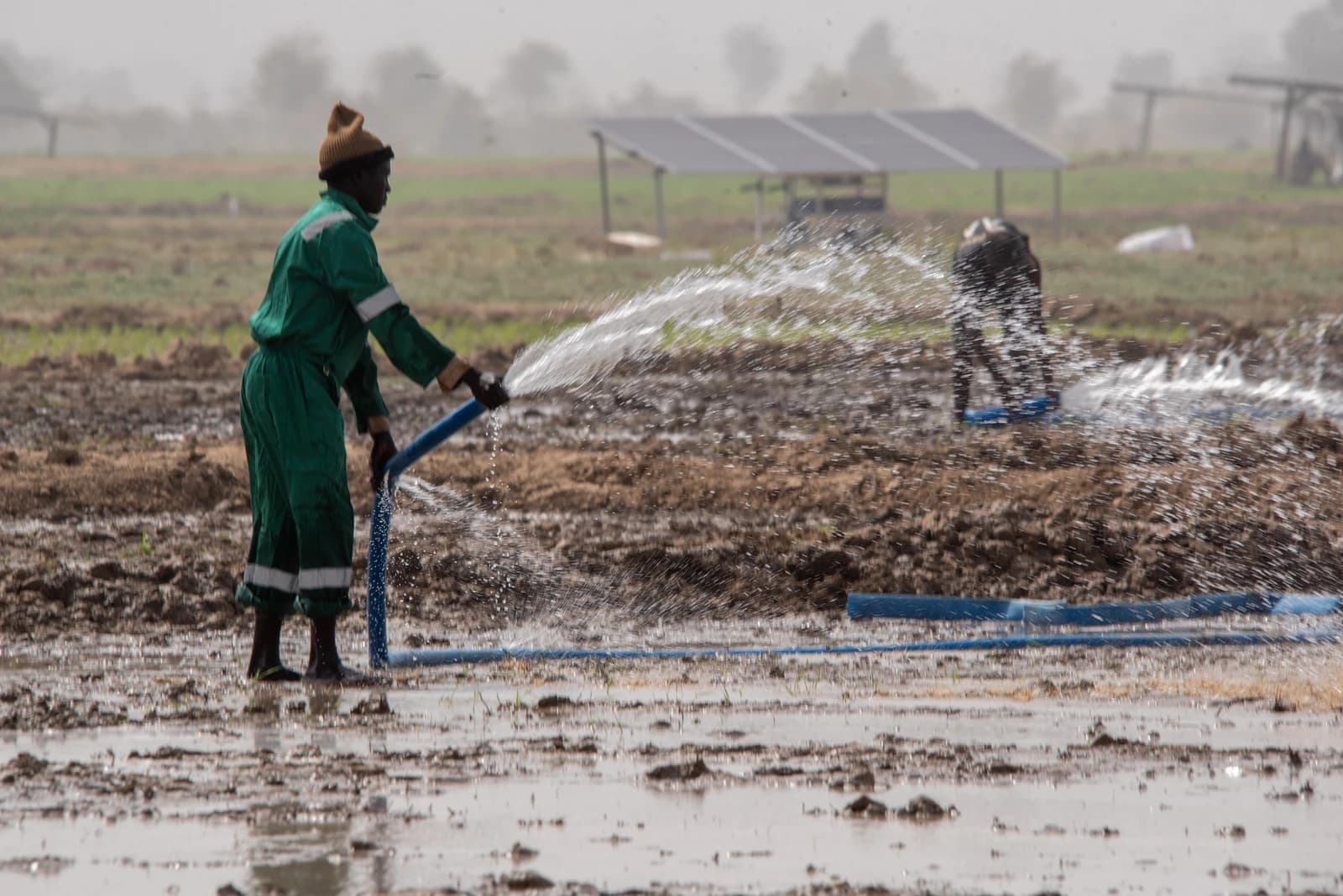
The effort matters because rice is the country’s most politically sensitive staple and a key driver of household spending. Any meaningful lift in domestic production would help buffer consumers from price spikes and give policymakers more room to manage food security without relying as heavily on global supplies.
Sentiment IndicatorsⓘProprietary · adalytica.com · August 31, 2026
This is a snapshot — live sentiment, awareness and momentum for 130+ markets update continuously in the dashboard.Open AlphaPulse

Global grain markets are already reacting to tighter and more volatile food conditions. Wheat futures, tracked by the WEAT ETF, have jumped to $27.40 from $23.71 earlier this month, with the fund’s RSI at 83.2, a reading that suggests the rally is stretched by standard technical measures. Broader agriculture equities have also firmed, with the XLB materials ETF ending August at 52.79, above both its 50-day and 200-day moving averages.
The macro backdrop is still uneven. US consumer prices are projected to rise 0.35% in August, while producer prices are seen climbing 2.01%, pointing to lingering inflation pressures in food and other goods. That makes crop output policies in big-consuming countries more important for markets watching whether food costs can cool.

Commodity signals are mixed. Front-month US crude has eased to about $83.85 a barrel in the latest forecast, after trading above $109 earlier in May, which helps soften some input costs for farmers and transporters. But the recent strength in agricultural commodities suggests investors are still pricing weather risk, supply tightness and policy intervention across the food chain.
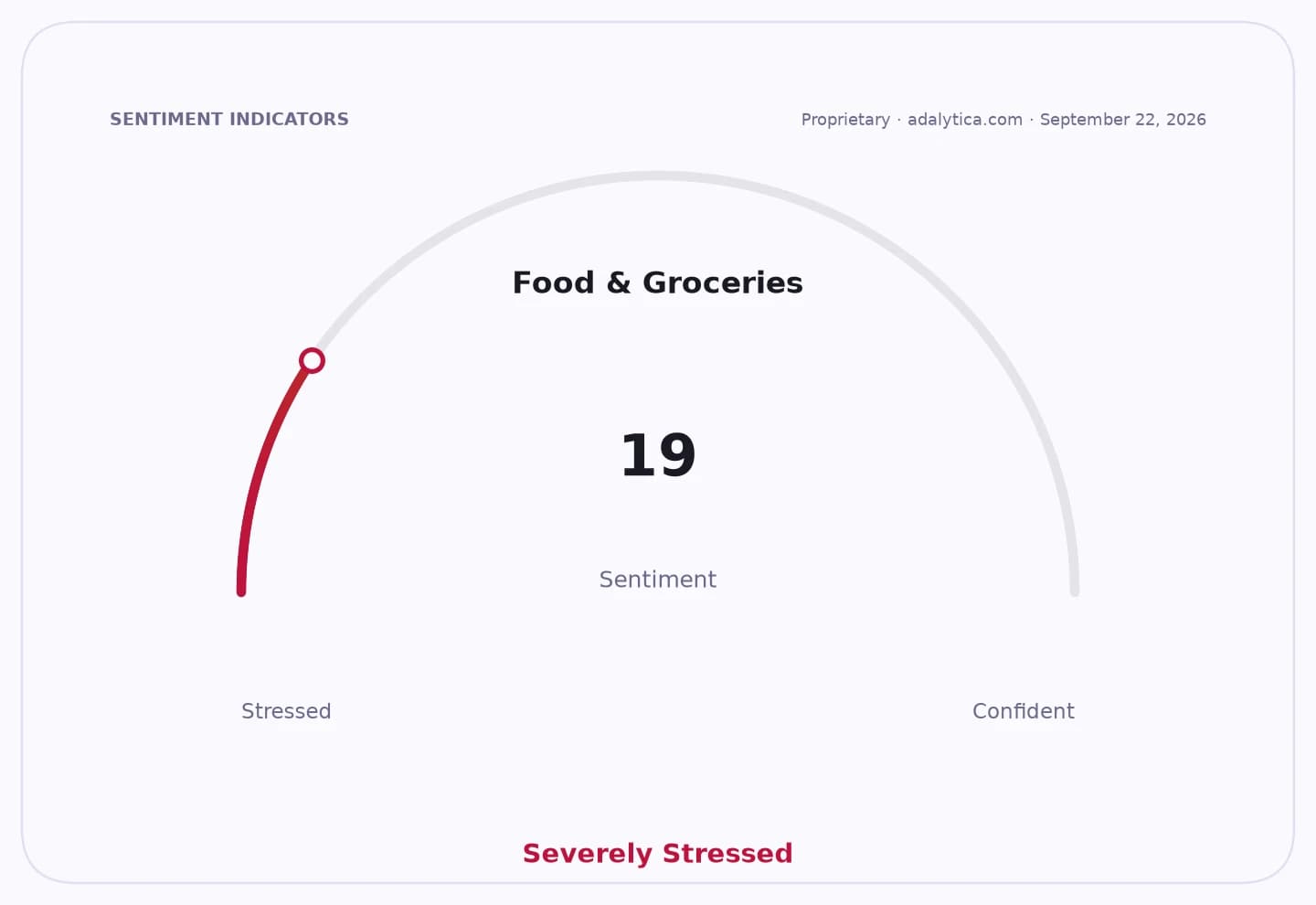
Adalytica’s Food and Grocery Spending Sentiment gauge sits at 52, neutral, but awareness has fallen to 15, in “extreme fear,” a sign that households remain wary even as headline sentiment steadies. That backdrop favors governments that can show progress on staple-food output.
For investors, the key question is whether the Agriculture Ministry’s plan can translate into higher harvests fast enough to stabilize domestic rice prices and reduce pressure on importers, traders and food processors. The next catalysts are weather conditions, planting progress and any budget support or procurement measures from Jakarta.
| Entity | Gains | Losses |
|---|---|---|
| Indonesian consumers | ▲Lower rice prices | ▼Inflation pressure |
| Agriculture Ministry | ▲Policy credibility | ▼Delivery risk |
| Domestic rice farmers | ▲Higher output potential | ▼Weather stress |
| Rice importers/traders | ▲Volatility opportunities | ▼Lower import demand |