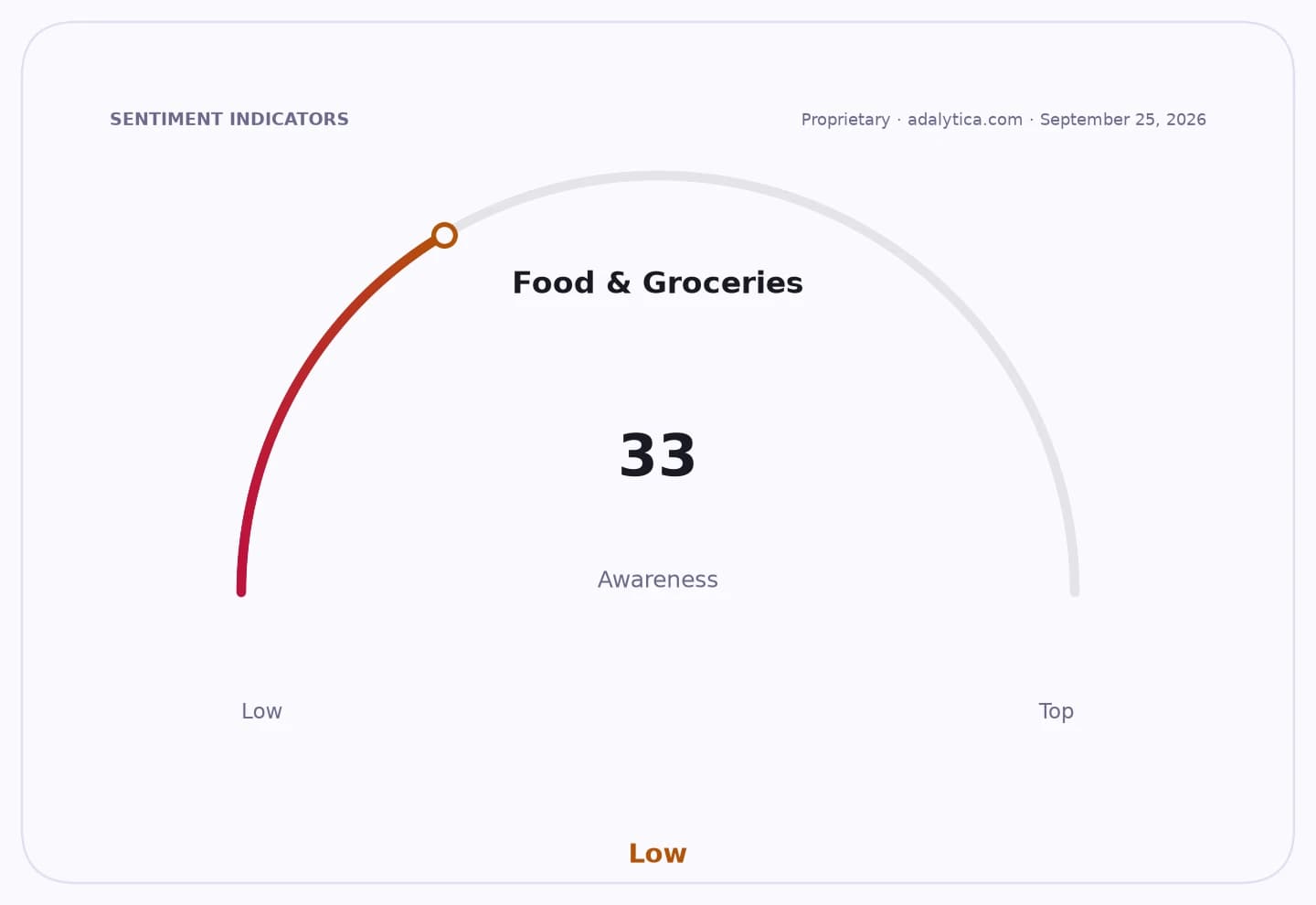
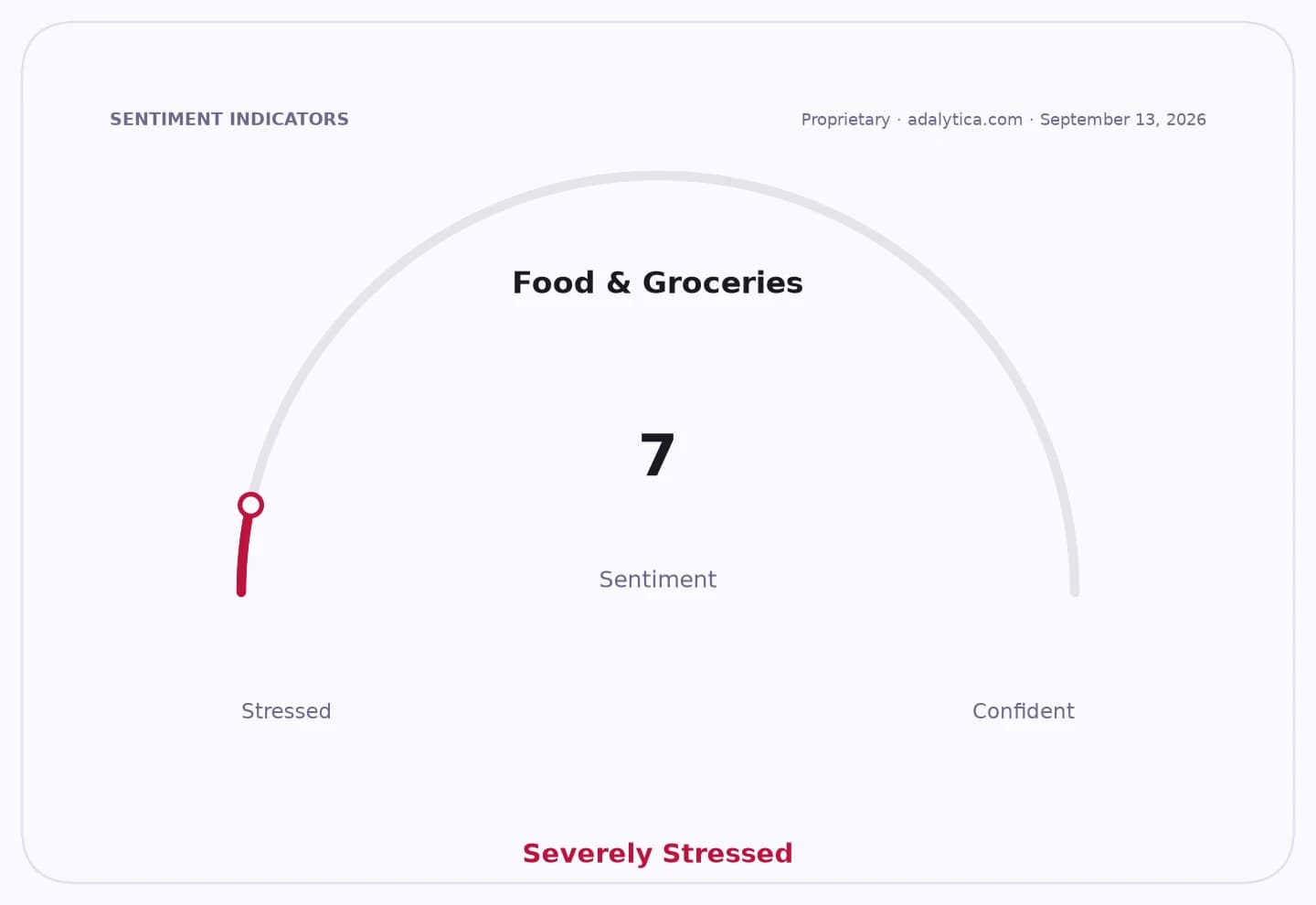
Wheat prices are firming again as weather stress and geopolitical disruption threaten crops and exports, lifting the outlook for the Teucrium Wheat Fund and keeping food inflation pressures alive.
Wheat prices rise on weather and Black Sea risks

The move matters because wheat is not just another agricultural commodity: it is a global staple, a direct input into bread, pasta and livestock feed, and one of the clearest transmission channels from weather and war into consumer prices. In the latest pricing data, WEAT rose to $27.86 on Sept. 2 before easing to $26.49 by Sept. 4, still well above its 50-day moving average of $24.71 and 200-day average of $22.71. The fund’s relative strength index had climbed to 87.0, a level that typically reflects an overbought market, while the MACD stayed positive, showing the rally retained momentum even after a short pullback.
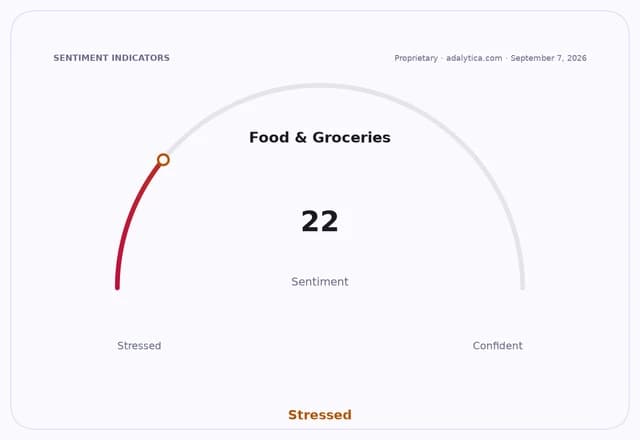
Sentiment IndicatorsⓘProprietary · adalytica.com · September 7, 2026
This is a snapshot — live sentiment, awareness and momentum for 130+ markets update continuously in the dashboard.Open AlphaPulse
That advance is anchored in a tighter fundamental backdrop. U.S. crude oil prices, often a proxy for broader input-cost pressure across farming and freight, have pushed back above $91 a barrel in early September after a volatile summer, adding to the cost base for producers and shippers. More important for wheat itself, the latest context points to crop stress already building, with supply risks tied to heat, regional conflict and export uncertainty around the Black Sea — still the key corridor for global wheat trade. In Moldova, wheat prices have already risen more than 15% year on year, a reminder that local markets are still absorbing the shock from the Ukraine war and persistent weather damage.
For investors, the implication is straightforward: wheat exposure has re-entered the inflation trade. A sustained crop shortfall would support grain prices and likely keep agricultural ETFs, grain merchants and input suppliers in focus, while pressuring food manufacturers, bakeries and livestock producers on margins. The U.S. consumer price index has been running near 333.8 in recent readings, and while wheat is only one component of food inflation, it is a politically visible one. Adalytica’s Food and Grocery Spending Sentiment gauge sits in fear territory at 22, underscoring how quickly higher staple prices can erode household confidence.
The bullish case for wheat remains that bad weather and geopolitics can tighten supply faster than markets can digest it, especially after a season of volatile price swings. The bearish case is that the recent surge has already brought in momentum buyers, leaving WEAT vulnerable if harvest data improve or if Black Sea export flows stabilize. For now, however, the market is trading the risk that crops have already started to suffer — and that scarcity will be priced in before consumers see relief.
| Entity | Gains | Losses |
|---|---|---|
| WEAT holders | ▲Higher wheat prices | ▼More volatile entry points |
| Wheat farmers | ▲Better selling prices | ▼Yield losses from crop stress |
| Food makers/bakers | ▲None | ▼Higher input costs |
| Consumers/importers | ▲None | ▼More expensive staples |