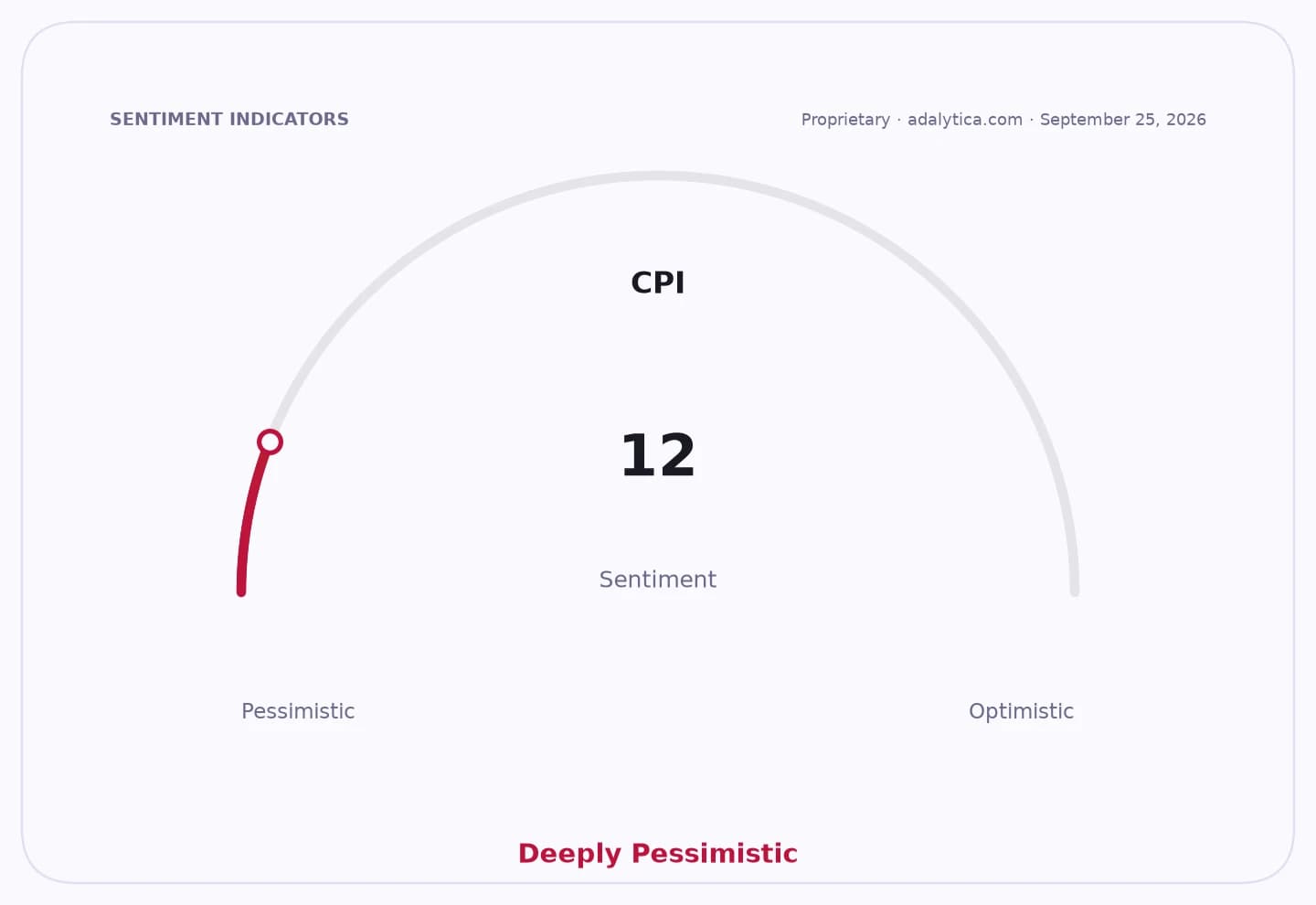
Wheat is no longer just a farm story in South Africa — it’s a food inflation, jobs and household-bill story that touches nearly every consumer, and that is why investors should care.
South Africa Wheat Industry Faces Pricing Pressure
Local producers, millers and bakers are warning that the country’s wheat industry is reaching a point where economics, not agronomy, will decide whether planting remains viable. That matters because wheat products are eaten by about 96% of South African households and make up roughly 12% of the average food basket. For the poorest families, wheat-based foods account for about 15% of food spending. In other words, if the wheat chain breaks, the cost does not stay on the farm; it lands on dinner tables.
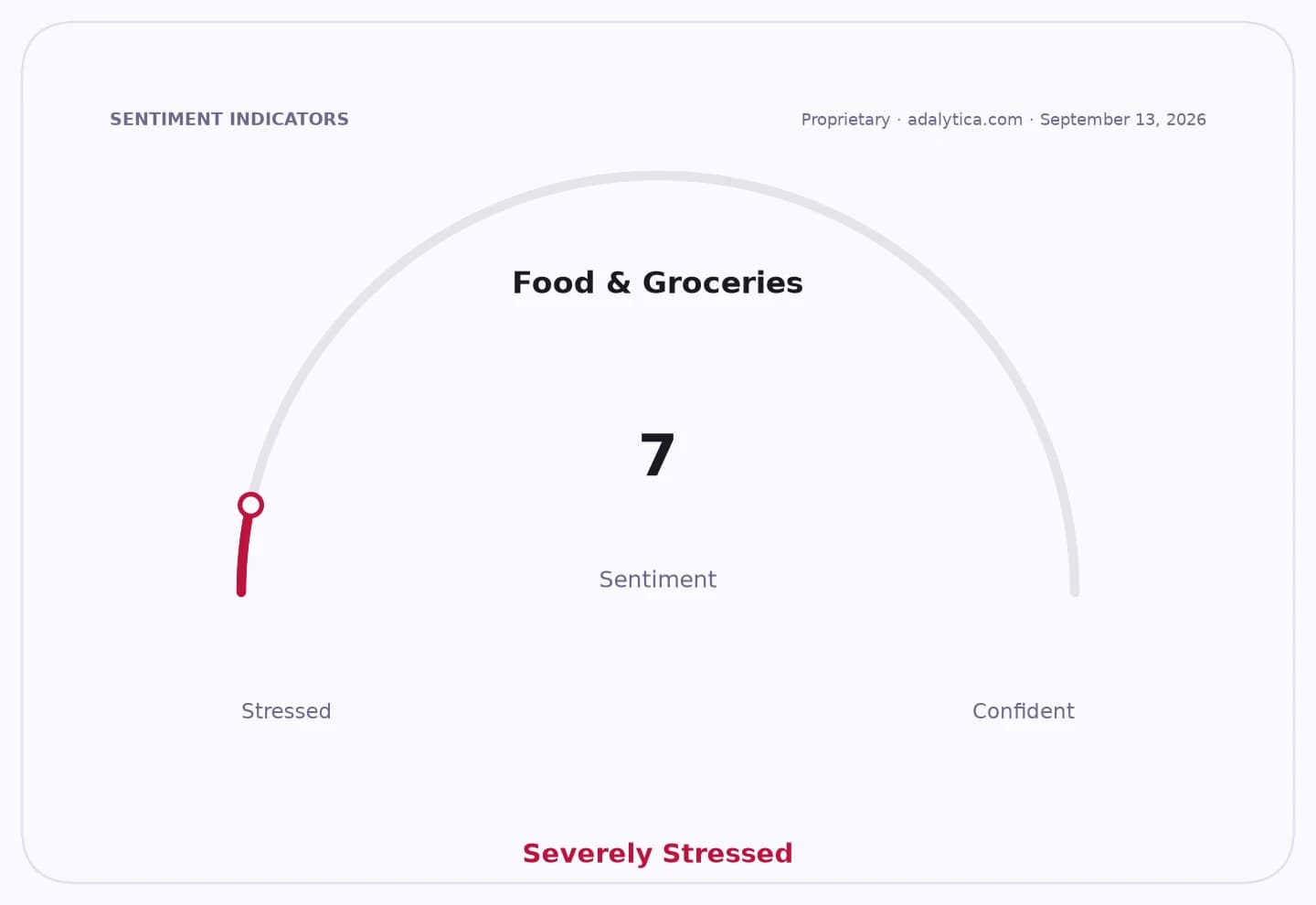
Sentiment IndicatorsⓘProprietary · adalytica.com · September 13, 2026
This is a snapshot — live sentiment, awareness and momentum for 130+ markets update continuously in the dashboard.Open AlphaPulse

The scale of the industry helps explain the urgency. The wheat value chain contributes an estimated R70 billion to R75 billion to the South African economy and supports about 90,000 jobs across farming, input supply, processing, trading, transport and related services. Milling and baking alone account for around 55,000 formal jobs, while the formal baking industry generates an estimated R27 billion in gross value added. That is a meaningful economic engine, not a niche crop.
The core issue is that South African wheat is not being fully rewarded for its quality. Producers say pricing mechanisms, grading, basis premiums, tariffs and location differentials need to be better aligned with the real milling and baking value of local wheat. That is the kind of structural mismatch investors should watch closely, because when producers cannot capture enough value, acreage tends to shrink, import reliance rises and domestic supply chains become more fragile.
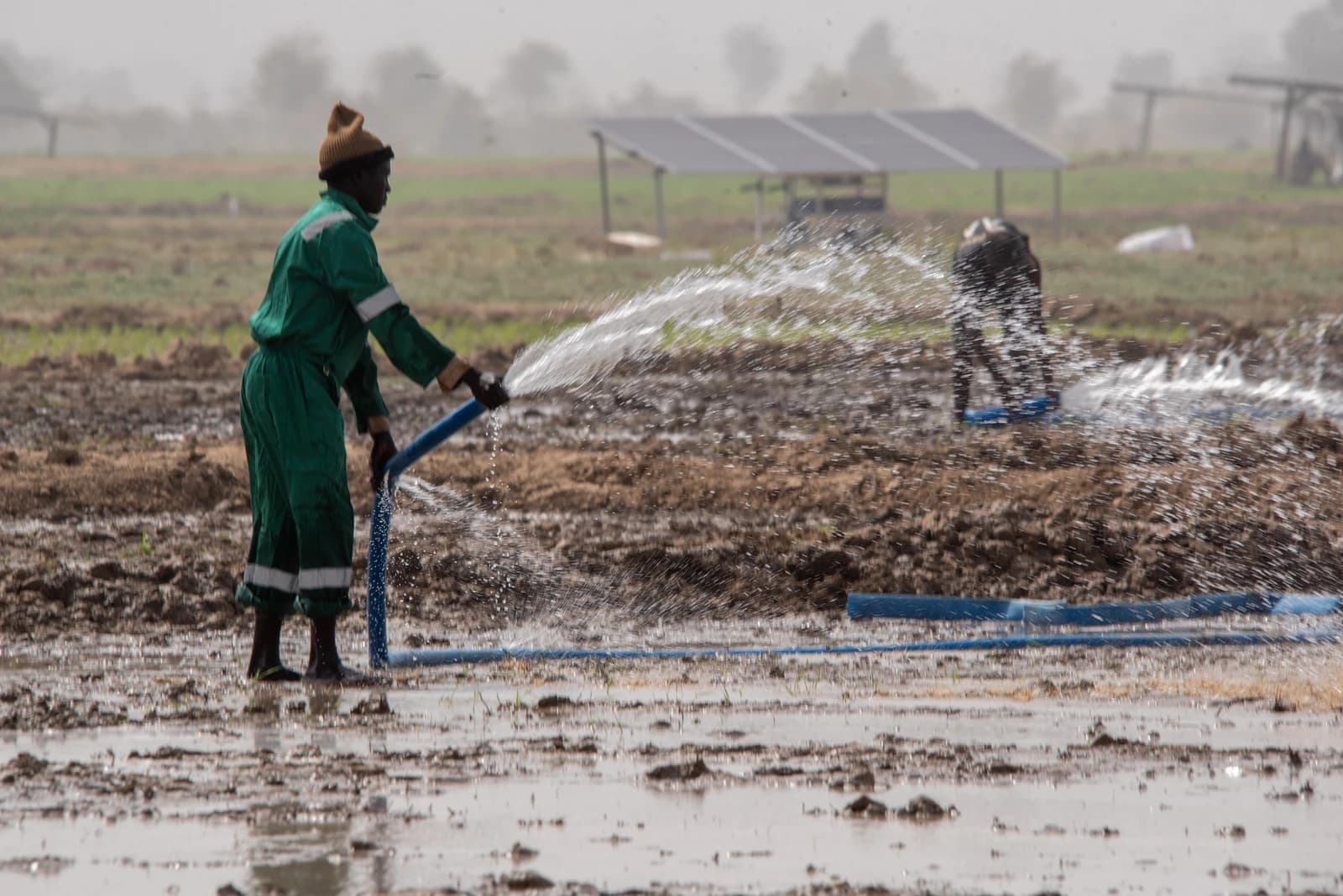
Weather is making the problem worse. Dry conditions in the Swartland show how quickly production risk can hit farmers’ balance sheets after inputs have already been committed. That is why growers are pushing for a workable crop insurance model and shared risk mechanisms. They are also urging the government to use the current Article 7 process on the wheat industry to move from diagnosis to action. The policy question is no longer whether South Africa will import wheat — imports are already part of the supply model — but whether it can preserve enough local production to keep food security, employment and rural activity intact.
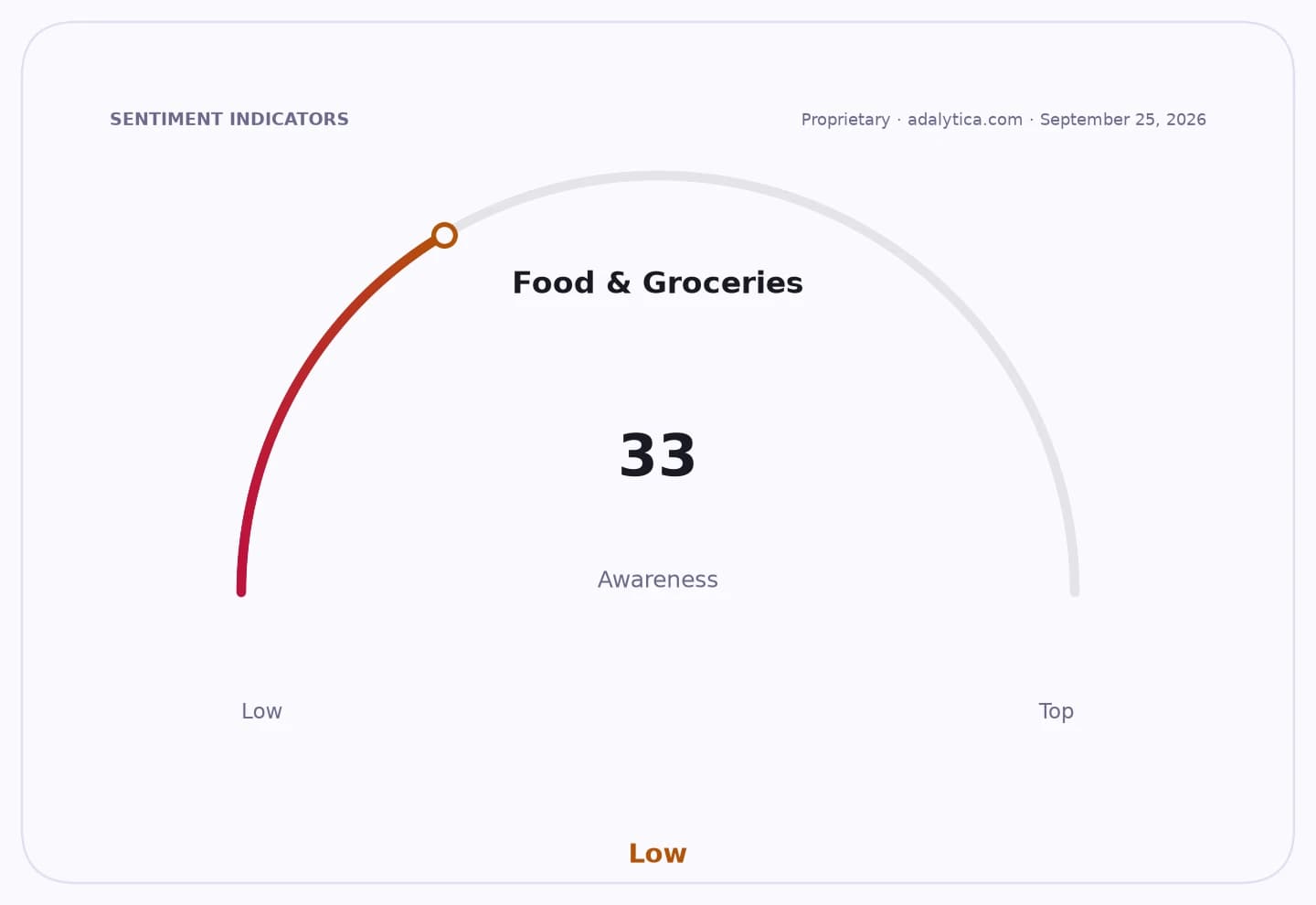
For investors, that creates a very practical takeaway. Higher wheat prices can help grain producers and, at times, wheat-linked ETFs such as WEAT, which recently traded above its 50-day and 200-day moving averages and has seen strong momentum in the conventional RSI and MACD indicators. But for food companies, millers, bakers and consumers, sustained cost pressure is the risk. The broader food basket remains under strain, with Adalytica’s Food and Grocery Spending sentiment showing extreme fear, a reminder that shoppers are already sensitive to any further squeeze.
South Africa’s wheat market is a classic long-term investing lesson: when a staple becomes structurally underpriced relative to its true economic value, the result is not just volatility, but a supply response that can reshape prices, policy and corporate margins for years. Investors should keep an eye on the policy process, but the bigger message is simple — if local production is allowed to fade, the cost of bread will be paid everywhere. Worth watching for anyone who owns food stocks, grain-related assets or simply wants to understand where inflation may come from next.
| Entity | Gains | Losses |
|---|---|---|
| Wheat producers | ▲Better pricing, fairer premiums | ▼Underpayment for quality |
| Millers and bakers | ▲Stable local supply | ▼Higher input and import risk |
| Households | ▲Food security, steadier bread prices | ▼Rising food bills |
| Government/policymakers | ▲Job protection, lower inflation risk | ▼Pressure to act late |