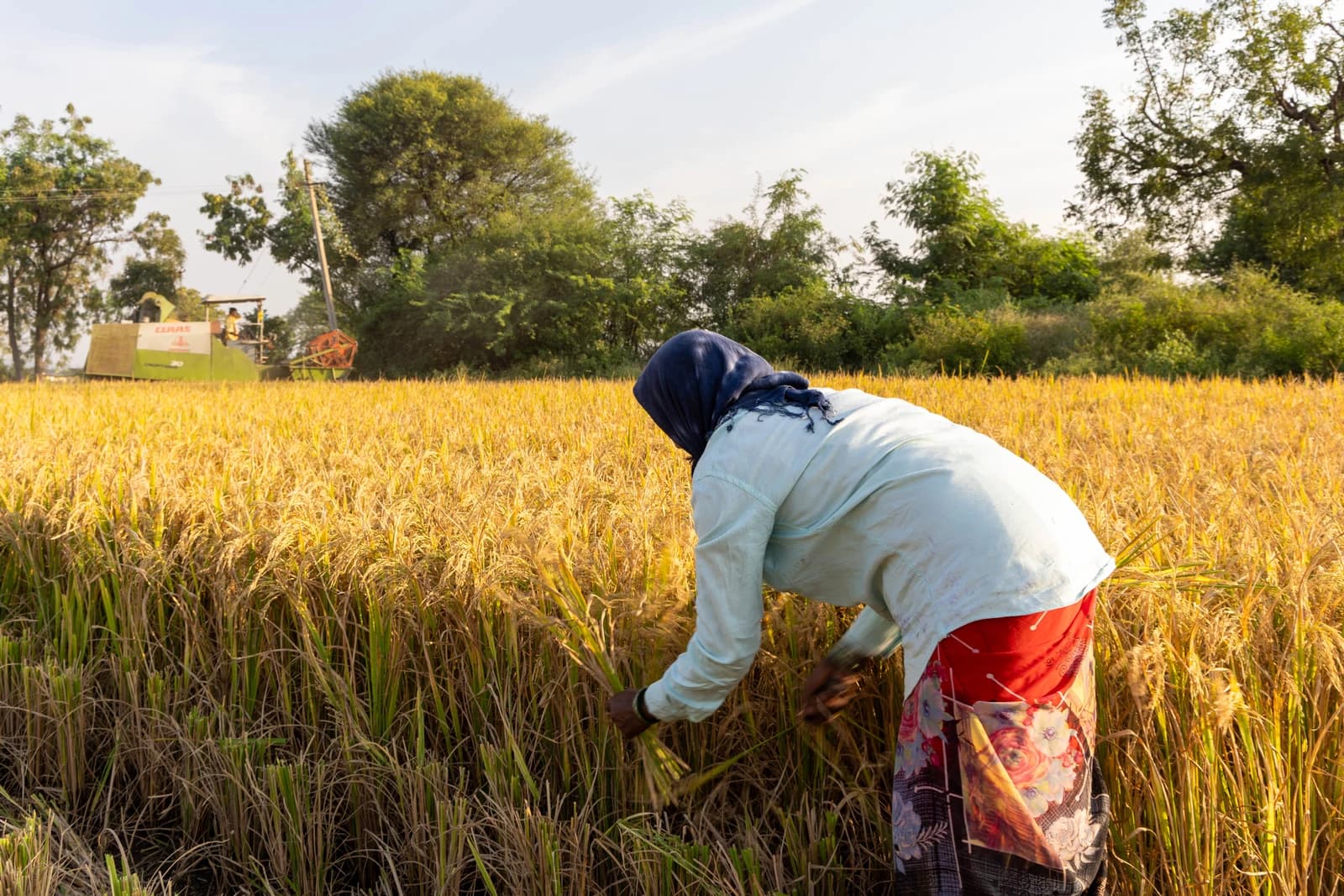
India is headed for its sharpest rice production decline in nearly two decades after deficient rainfall hit key growing areas during critical stages of the crop, threatening to lift domestic prices and tighten one of the world’s most important food markets.
India rice output falls on weak monsoon
The drop matters far beyond India’s farm belt. As the largest rice producer and exporter, India sets the marginal price for much of the global trade in the grain, and any reduction in output tends to ripple through Asian food inflation, import bills and government stock management. Export prices are already climbing to their highest in more than a year, with local prices rising on expectations that production could fall by about 10 million metric tons, according to the Rice Exporters Association.

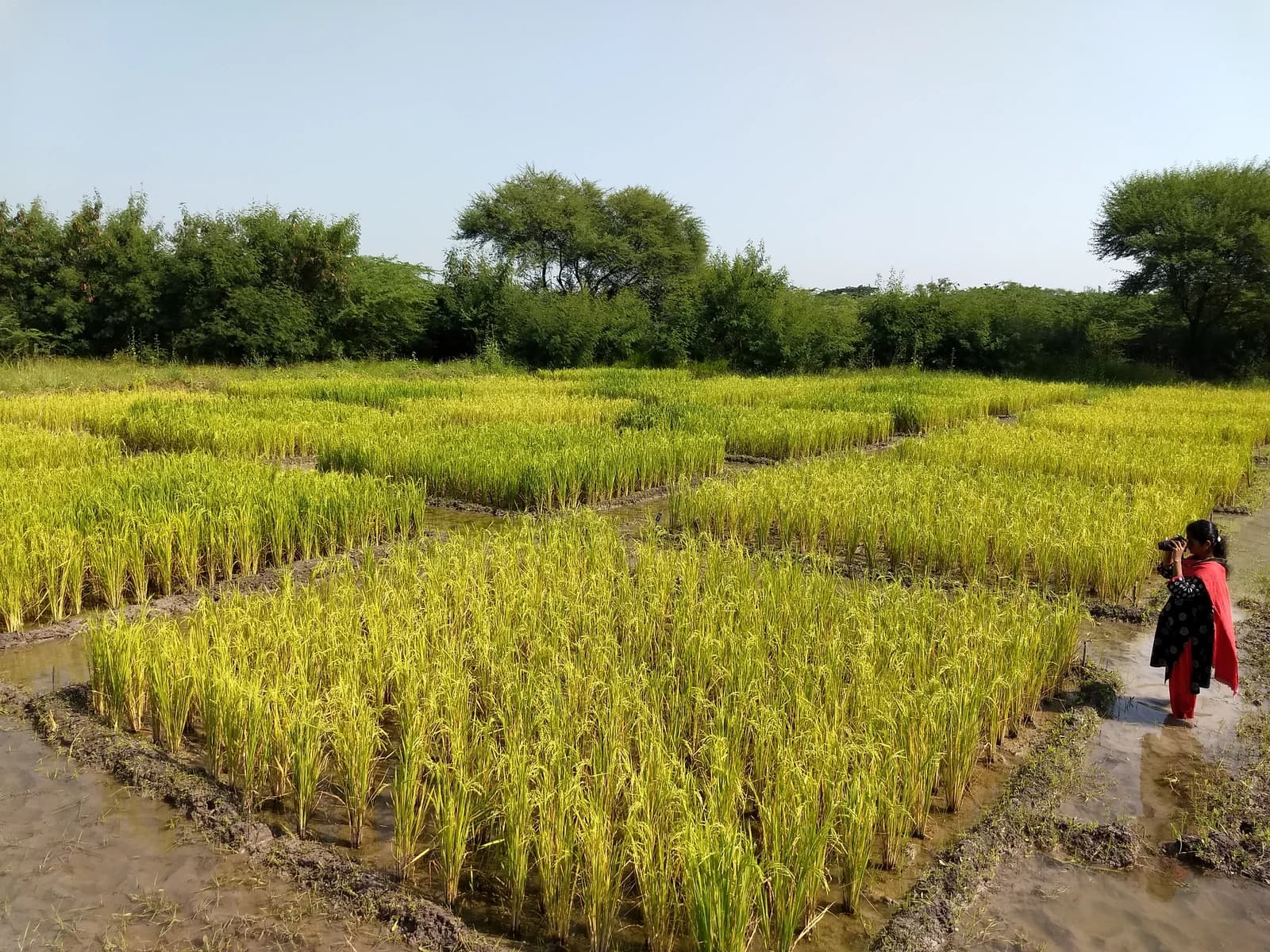
India’s summer-sown rice area stood at 42.68 million hectares as of Sept. 11, nearly 4% lower than a year earlier, government data showed. Summer crops account for more than 80% of total production, making the monsoon shortfall particularly damaging. Winter-sown acreage also faces pressure because reservoirs are holding less water than normal, traders said, pointing to a second layer of supply risk if late-season planting is curtailed.
For consumers, the immediate effect is higher food costs in a country where rice is a staple and inflation remains politically sensitive. For exporters, tighter supply usually means better pricing power, but this time the advantage is constrained by India’s huge inventories. State reserves of rice, including unmilled paddy, reached a record 59.6 million tons on Sept. 1, far above the government’s October target of 10.3 million tons, giving New Delhi room to keep exports at record levels even as the harvest shrinks.
That stock cushion is the key reason this story is less about an export ban and more about a shift in market balance. India has repeatedly used curbs to cool domestic prices in tighter years, but traders said the current buffer should allow shipments to continue without formal restrictions. That would help protect market share, but at higher prices, especially as Thailand and Vietnam also face firmer export markets.
Investors in agricultural commodities are already reacting. The Teucrium Agriculture Fund, which tracks a basket including rice-related exposure through broader crop pricing, has been trading above its 50-day moving average and its 200-day moving average, while recent RSI readings near the low 30s suggest the rally has cooled but not broken. Wheat and corn exchange-traded products have also been firm, reflecting broader food inflation concerns that can spill over if rice prices keep rising.
The bull case for prices is straightforward: weaker Indian production, tighter reservoir levels and firmer competing export markets leave less room for cheap supply. The bear case is equally clear: record inventories may cap any sustained surge and prevent a policy response that would shock global buyers. The next catalyst is the final monsoon and post-monsoon crop assessment, which will determine whether the output decline becomes a one-year setback or the start of a more durable supply squeeze.
| Entity | Gains | Losses |
|---|---|---|
| Indian farmers | ▲Higher open-market prices | ▼Lower output volumes |
| Rice exporters | ▲Firmer export pricing | ▼Margin pressure from dearer grain |
| Indian consumers | ▲Limited gains from ample stocks | ▼Higher staple-food inflation |
| Global buyers | ▲Continued access to Indian supply | ▼Higher import bills |