Global wheat prices are climbing to their highest level in 3.5 years as the war between Russia and Ukraine keeps Black Sea cargoes nearly frozen, forcing major importers in Asia, the Middle East and Africa to chase more expensive supplies elsewhere.
Wheat Prices Rise as Black Sea Shipments Stall
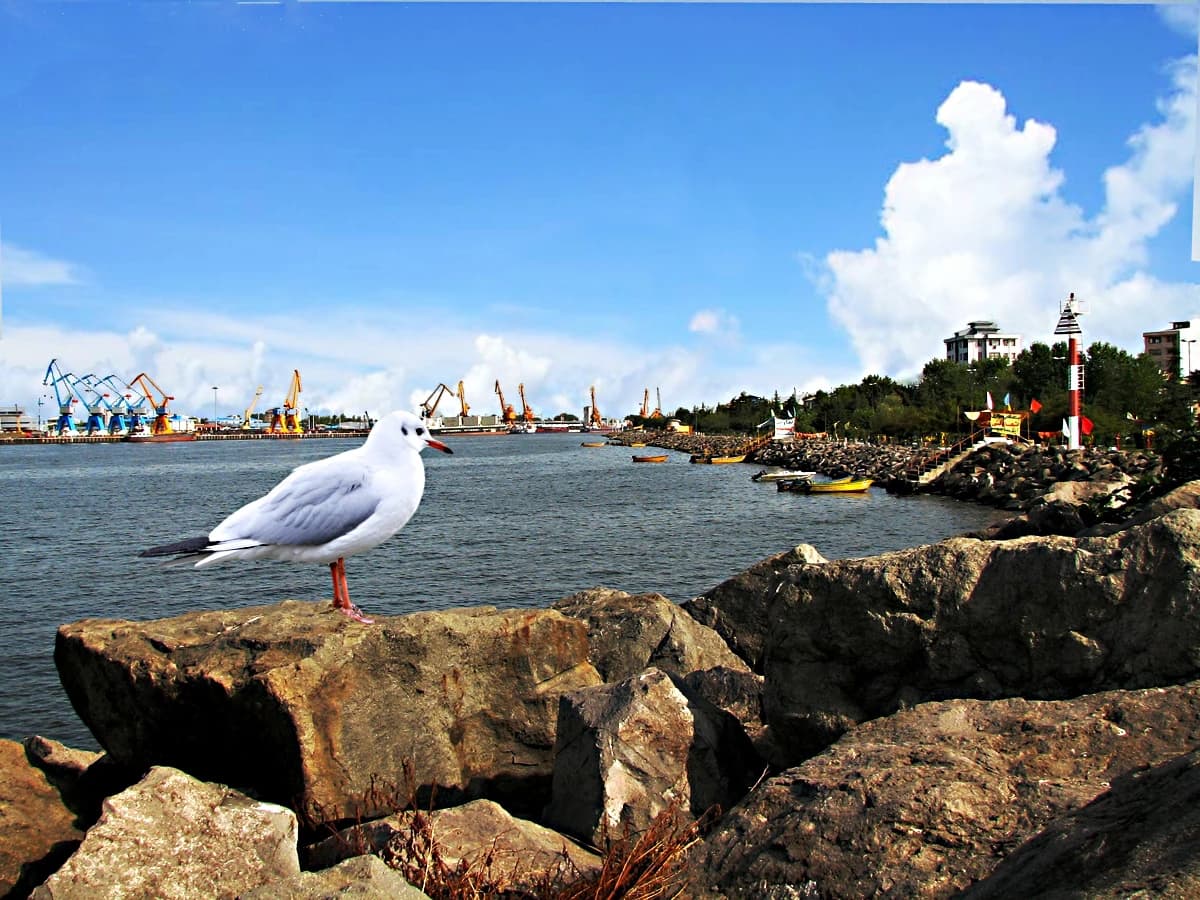
The benchmark Chicago wheat futures have jumped 40% from their June low, reflecting a supply shock that is rippling through the world’s food system. With attacks on ships and port infrastructure since July blocking most grain movement out of the Black Sea, buyers that delayed replenishing inventories are now facing tighter availability and higher replacement costs.
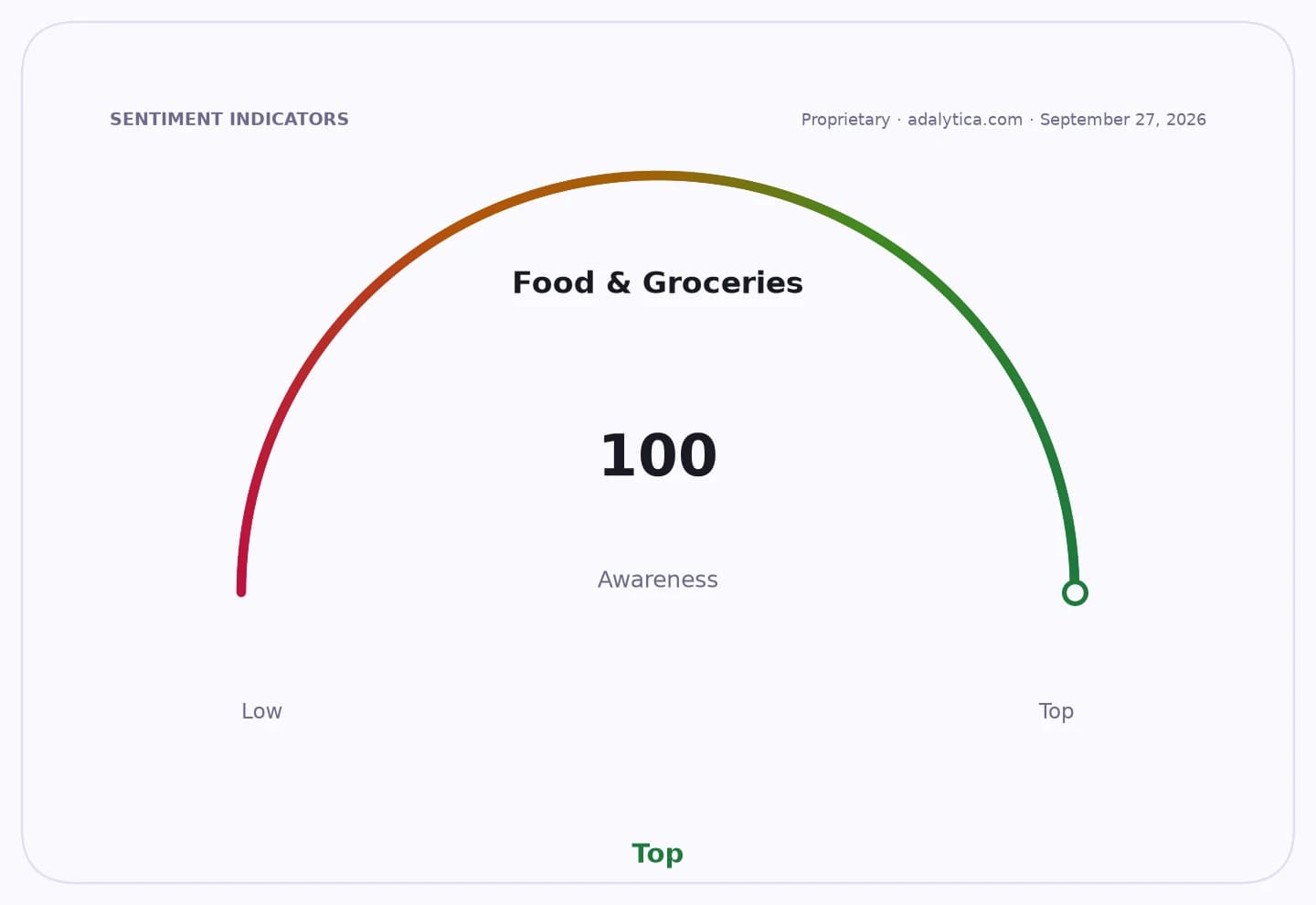
Sentiment IndicatorsⓘProprietary · adalytica.com · September 27, 2026
This is a snapshot — live sentiment, awareness and momentum for 130+ markets update continuously in the dashboard.Open AlphaPulse
That matters because Russia and Ukraine have been among the world’s most important wheat exporters, and the loss of even part of that flow quickly tightens the global market. Kpler estimates Russian wheat exports will fall to about 1 million tons in September from 5 million tons a year earlier, while Ukraine is expected to ship around 1 million tons this month, roughly half last year’s level.
The squeeze is hitting Asia first. Kpler said almost no cargoes are heading there, while Indonesia, the world’s second-largest importer, took only 60,000 tons from the Black Sea region this month versus 500,000 tons a year ago. Indonesian millers are already shifting to Argentina and paying about 20% to 25% more for Australian wheat than they previously paid for Black Sea supply.
Egypt, the world’s biggest wheat buyer, is also cutting back on Russian and Ukrainian purchases and turning to France and other European suppliers. Official data showed Egyptian wheat imports in the first half of September fell to 143,870 tons from 876,139 tons a year earlier, underscoring how quickly the war is reshaping trade flows.
For investors, the rally is a reminder that food inflation risks remain alive even as other commodity prices ease. Wheat-linked products and agricultural funds can stay bid when supply routes are disrupted, while food manufacturers, millers and import-dependent governments face margin pressure and higher subsidy bills.
The next test is whether alternative exporters can fill enough of the gap. For now, the Black Sea remains the center of the story, and as long as shipping disruptions persist, wheat buyers are likely to pay up.
| Entity | Gains | Losses |
|---|---|---|
| Wheat exporters outside Black Sea | ▲Higher pricing power | ▼ |
| Importers in Asia | ▲ | ▼Higher replacement costs |
| Egypt and North African buyers | ▲Diversification options | ▼Higher import bills |
| Wheat futures bulls | ▲Momentum from supply shock | ▼End-user affordability pressure |