India’s wheat market has tightened after New Delhi lifted its four-year export ban, with mandi prices rising by more than ₹150 a quintal and traders warning that retail inflation could follow if global prices stay elevated and the next crop is hurt by weather.
India wheat prices rise after export ban lift
The immediate significance is not the export reopening itself, but the shift in price expectations it has triggered in a staple that feeds India’s flour mills and household budgets. Wheat had already been under pressure from a broader food inflation backdrop that has included sugar and onions, and the latest move adds another layer of uncertainty just as the market is trying to gauge whether domestic supply is truly comfortable or merely comfortable on paper.
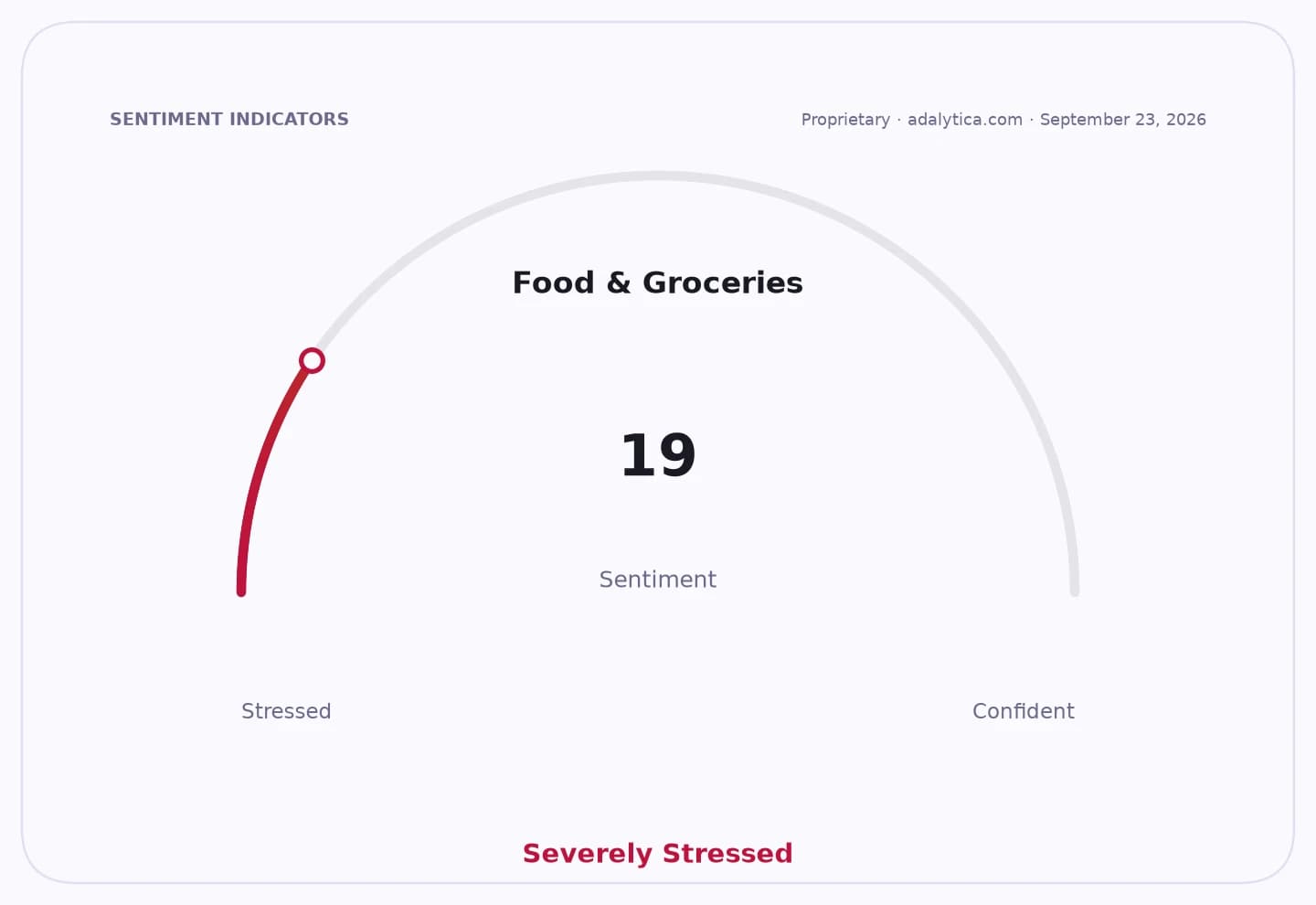
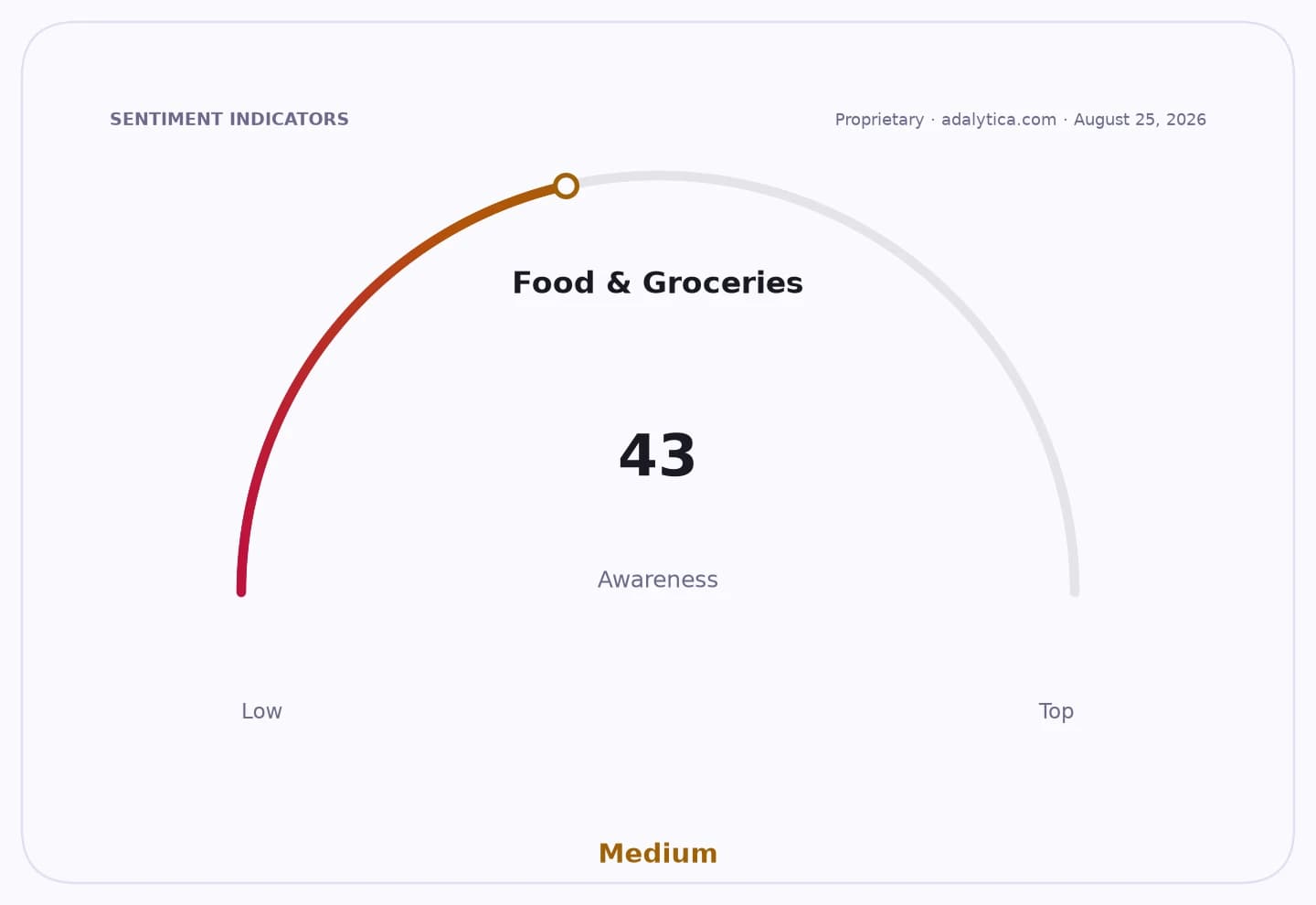
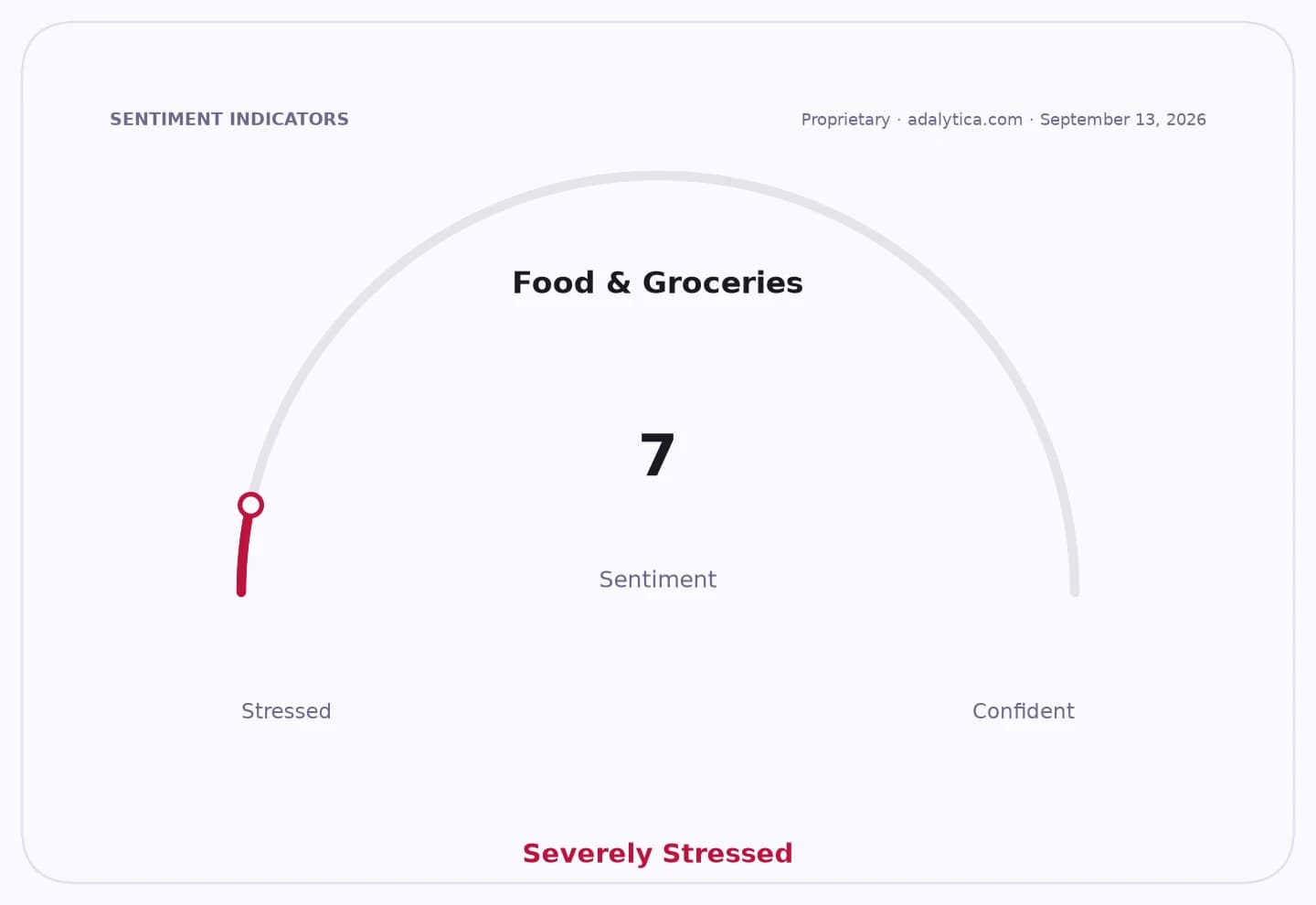
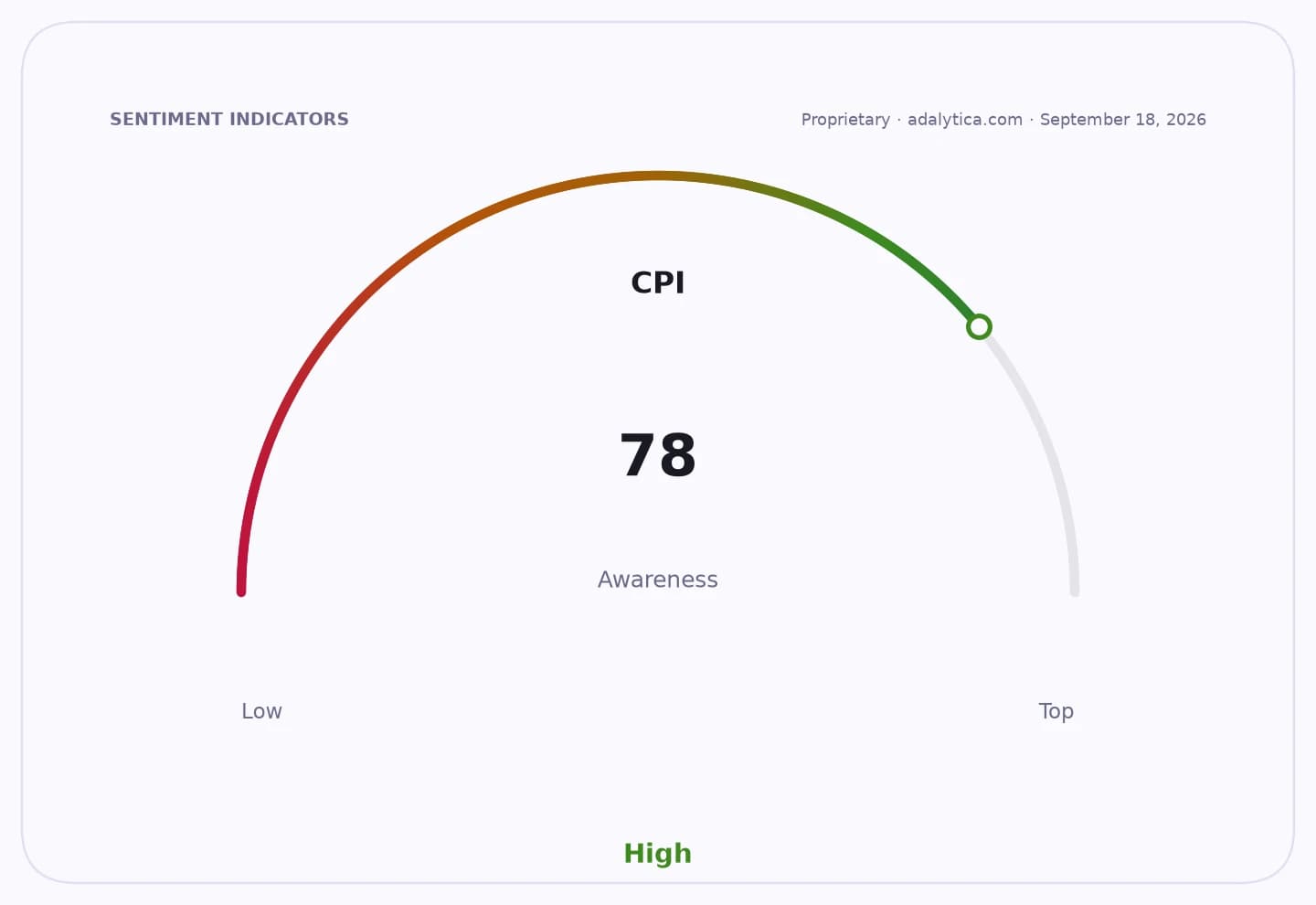
Sentiment IndicatorsⓘProprietary · adalytica.com · September 3, 2026
This is a snapshot — live sentiment, awareness and momentum for 130+ markets update continuously in the dashboard.Open AlphaPulse
The government removed restrictions on exports of wheat and wheat products such as atta, maida and suji on Aug. 24, ending a clampdown that had been in place for nearly four years. Since then, wheat prices in agricultural markets have climbed sharply, with gains of more than ₹150 per quintal reported in some mandis. In Lucknow, wheat rose to ₹2,640 per quintal from ₹2,466 on Aug. 17, while in Hardoi the Dara variety increased to ₹2,553 from ₹2,408.
For consumers, the impact has not yet fully reached retail shelves. India’s average retail wheat price is still about ₹31.58 a kilogram, according to the consumer affairs department’s price-monitoring division, with prices ranging from ₹22 to ₹55 a kilo depending on location. That gap between mandi and retail pricing suggests the near-term burden will first be absorbed by millers, traders and stockists before filtering through to flour and bread products.
The policy change has arrived at a delicate moment. Global wheat prices are near a three-year high, supported by fears of supply disruption from the Black Sea after intensified attacks in Russia-Ukraine war zones. Chicago Board of Trade wheat has climbed to around $7.54 a bushel, or roughly $277 a ton, while exporters say Indian wheat remains too expensive to compete broadly overseas, with FOB prices at Kandla about $325 a ton versus roughly $295 or less for other origins.
That limits the likelihood of a sudden export surge draining domestic stocks. Government data point to a record 2025-26 wheat output estimate of 12.06 crore tonnes, up from 11.79 crore tonnes a year earlier, and Food Corp. of India stockpiles stood at 5.05 crore tonnes on Aug. 1, the highest in five years. On those numbers, the state still has enough buffer to manage the market, which is why policymakers have been willing to reopen exports.
But the market’s concern is less about today’s stockpile and more about what happens if the next harvest disappoints. Industry participants cite a smaller crop this year and warn that an El Niño-affected rabi season could tighten supply quickly, especially if international prices stay firm and neighboring buyers such as Nepal, Bhutan and Bangladesh step in. Even there, demand may remain limited, because Bangladesh already has a U.S. wheat purchase arrangement and Indian grain is still priced above competing origins.
For investors, the story matters beyond India’s grain pits. It points to the persistence of food inflation risks in one of the world’s largest wheat-consuming economies and helps explain why edible and packaged-food companies may face margin pressure if procurement costs continue to rise. Global grain traders and agribusiness names such as Bunge and Archer-Daniels-Midland also stand to benefit from firmer wheat markets, while flour millers, bakers and consumer staples companies are more exposed if cost increases cannot be passed through quickly.
The next test is whether the current rally in mandi prices stabilizes or accelerates into the retail chain. If government stocks are released aggressively, the rise could be contained. If Black Sea disruptions persist, weather turns adverse and domestic arrivals slow, wheat could join sugar and onions as another food item adding to household inflation and squeezing margins across India’s food economy.
| Entity | Gains | Losses |
|---|---|---|
| Wheat farmers | ▲Better selling prices | ▼Consumers face higher costs |
| Grain traders | ▲Wider trading margins | ▼Flour millers pay more |
| Government stockholders | ▲Can use buffers | ▼Risk of inflation pressure |
| Food companies | ▲None if pass-through fails | ▼Margin compression |