India’s food inflation risk is rising into the festive season as El Nino-related dryness tightens supplies of pulses and oilseeds, pushing wholesale prices sharply higher and threatening a broader squeeze on household budgets.
India food inflation rises on El Nino dryness
That matters because food carries enormous weight in India’s inflation basket, and even a weather-driven spike in staples can quickly ripple through consumer prices, rural incomes and policy expectations. The current move is not abstract: arhar prices are up more than 30% from a year ago, chana is 11% higher, soybeans have jumped over 40% and groundnut prices are up more than 50%, according to industry data cited by local trade groups.
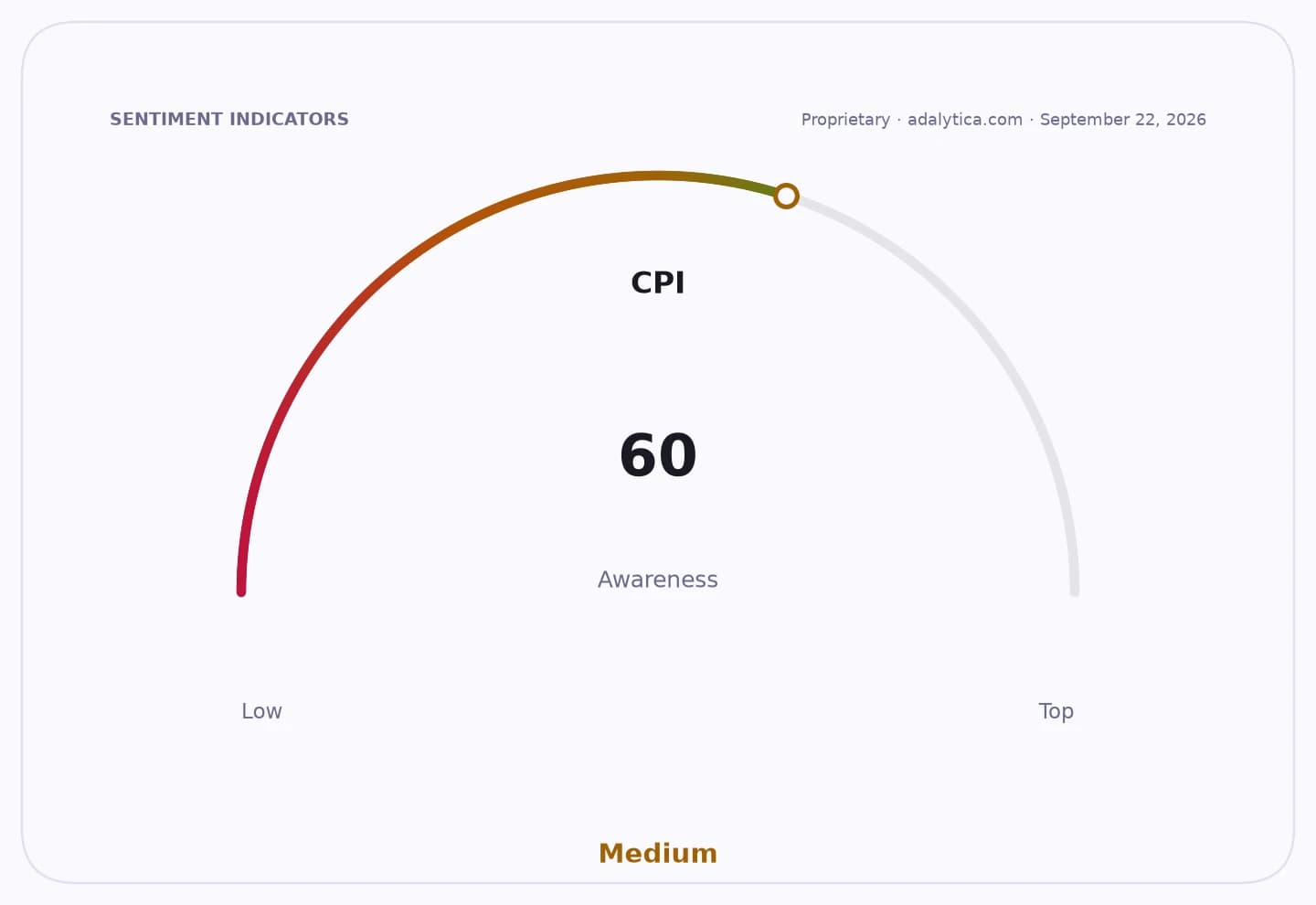
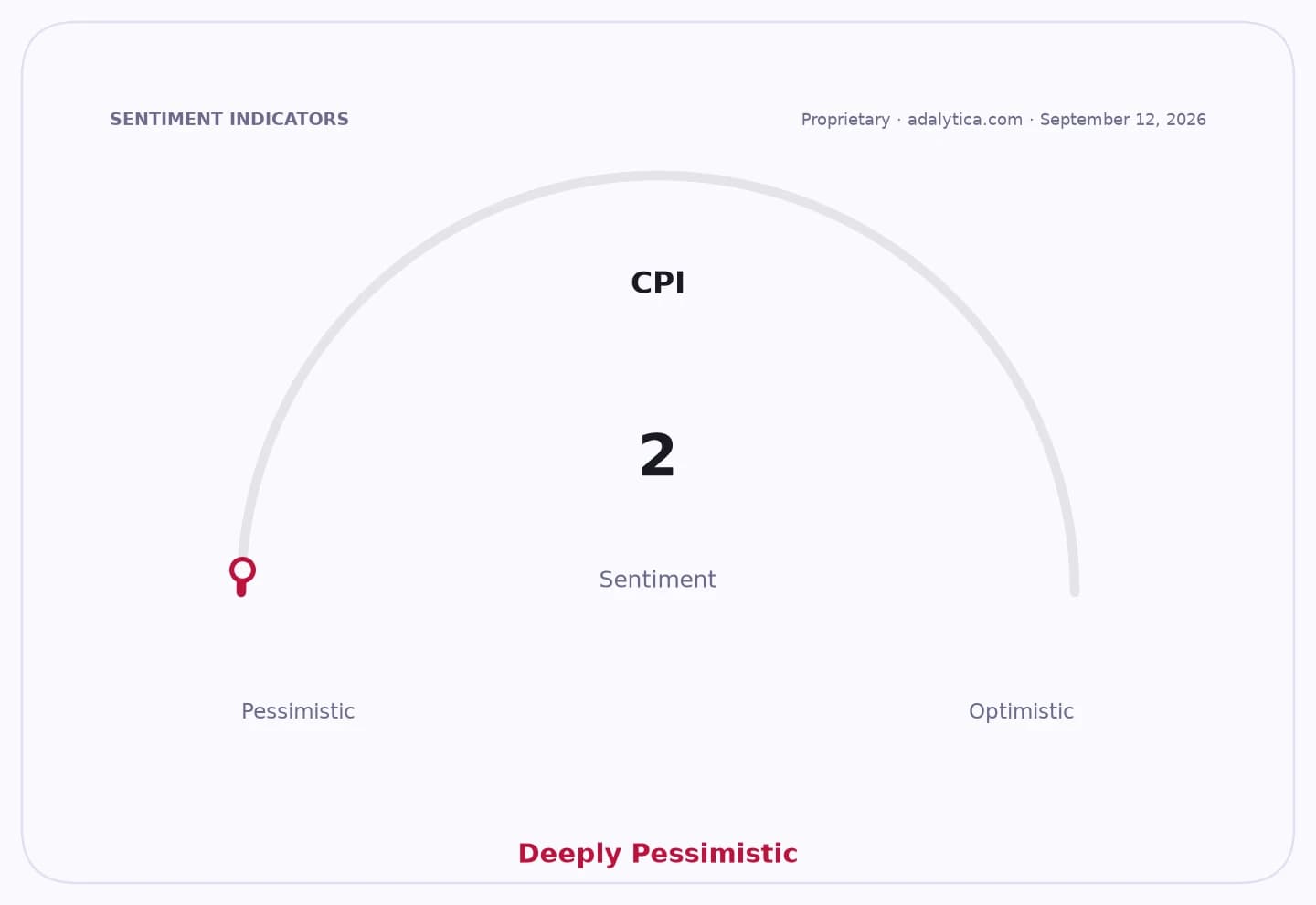
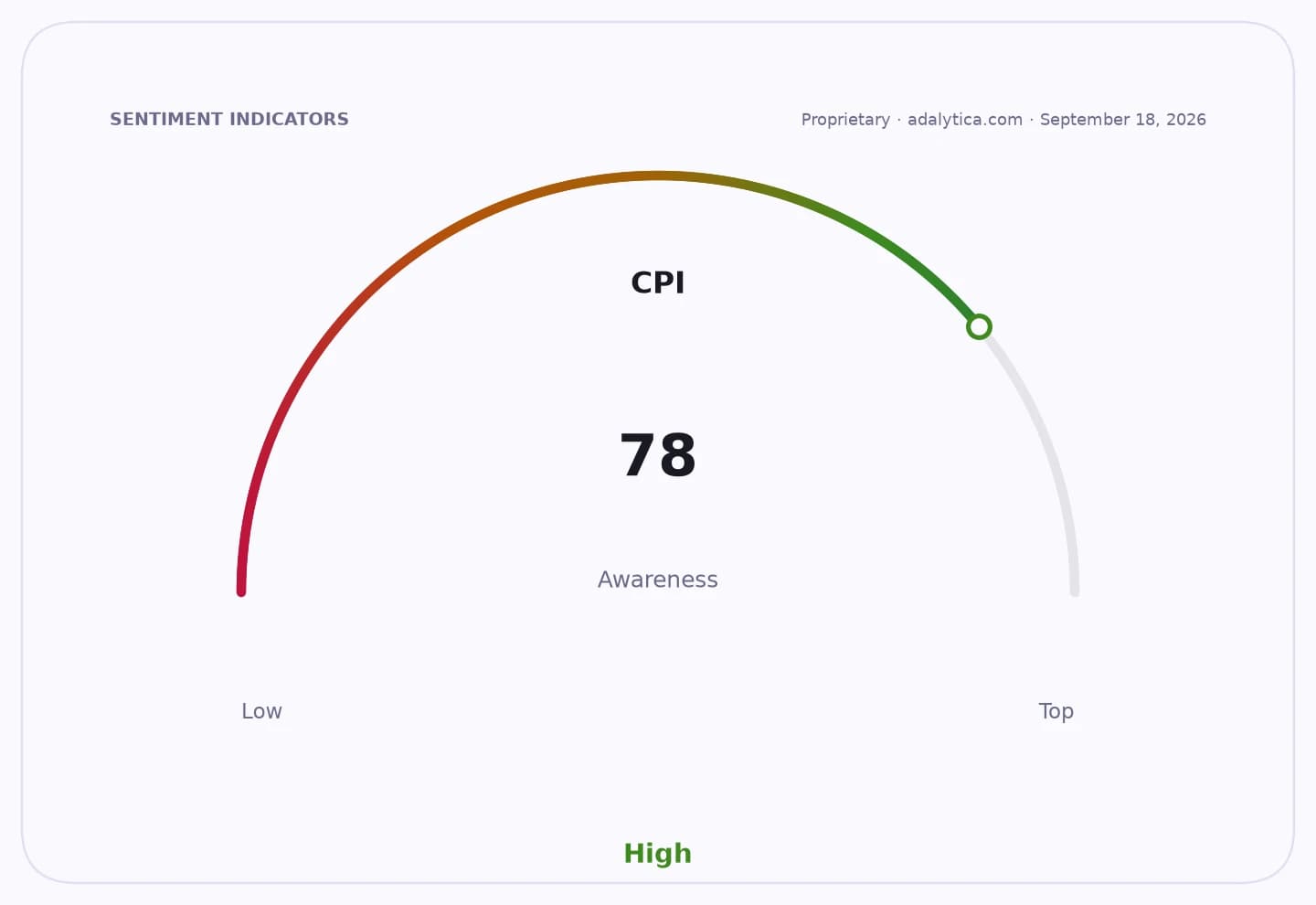
Sentiment IndicatorsⓘProprietary · adalytica.com · September 18, 2026
This is a snapshot — live sentiment, awareness and momentum for 130+ markets update continuously in the dashboard.Open AlphaPulse
The pressure is being felt first in the markets most exposed to the weather. Karnataka has declared drought in roughly 100 taluks, while rainfall in parts of Maharashtra’s Marathwada region is down 36%, stoking concern over crop conditions in key growing belts. Karnataka, Maharashtra and Madhya Pradesh are major producers of arhar and chana, while Maharashtra and Madhya Pradesh dominate soybean output. When those regions turn dry, the impact is immediate: procurement gets tighter, traders reprice inventory and processors begin paying up before the harvest picture is clear.
For investors, the takeaway is that climate volatility is becoming a tradable input-cost shock, not just a farm story. Higher pulse and oilseed prices can feed margins for commodity merchants and oilseed processors with inventory exposure, but they are a headwind for consumer-facing food companies, poultry producers and packaged food names that cannot pass through costs fast enough. The market tends to underprice that second-order effect until wholesale inflation shows up in earnings and guidance.
The timing is especially important. Chana sowing is still ahead in the rabi season, yet prices are already moving because traders are betting El Nino will keep soil moisture low. Government stock sales at 60 rupees a kilogram only a few months ago and 66 rupees recently show that official intervention has not fully capped the rally. In other words, the market is already looking past current inventories and toward the next planting cycle.
That is where the investable opportunity lies. If El Nino persists, India’s food chain could see a split outcome: better pricing power for oilseed crushers, ag traders and select agribusiness names, but more margin pressure for egg producers, dairy-linked food companies and mass-market packaged food brands that rely on corn, soybean meal and edible oils. The Adalytica CPI snapshot also shows confidence in the Fed’s 2% inflation target under severe stress, underscoring how sensitive markets are to another food-led inflation wave.
The next catalyst is weather, not policy. Every update on rainfall, reservoir levels and crop health will matter, and the stocks and commodities tied to protein, oilseeds and feed could react long before the broader inflation data catches up. For investors, the right move is to position for a dry, volatile harvest cycle — and own the beneficiaries of scarcity rather than the businesses forced to absorb it.
| Entity | Gains | Losses |
|---|---|---|
| Pulse/oilseed traders | ▲Wider pricing spreads | ▼Inventory risk |
| Oilseed crushers | ▲Higher crush margins | ▼Raw material costs |
| Food processors | ▲Pricing power on staples | ▼Margin squeeze |
| Consumers/households | ▲— | ▼Higher grocery bills |