India’s wholesale inflation likely cooled only marginally in August, underscoring how quickly food prices and oil can offset relief from easing fuel costs and keep pressure on producers, consumers and policymakers.
India WPI Seen Slowing as Food Costs Rise
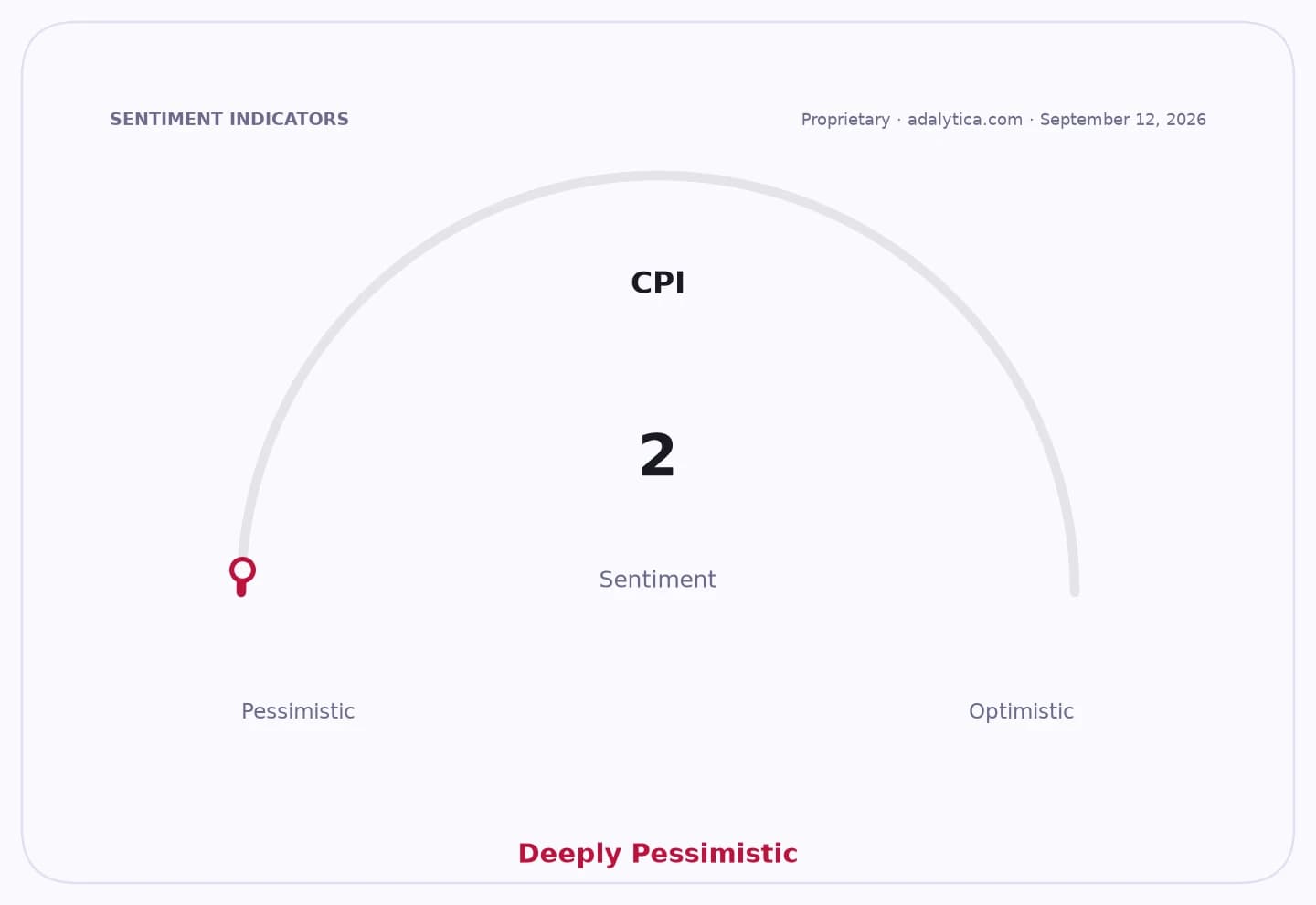
Union Bank of India Research expects the Wholesale Price Index to slow to 9.34% year on year from 9.78% in July, but says the outlook remains fragile as a rainfall deficit, higher crude and persistent core price pressures keep the inflation impulse broad. For investors, that matters because wholesale inflation tends to feed through to producer margins, pricing power and eventually consumer prices, while also shaping the Reserve Bank of India’s room to cut rates.
The report’s most important warning is that the disinflation in fuel is not enough to offset the rest of the basket. Fuel inflation is estimated to have eased to 13.97% in August from 20.06% in July, cutting its contribution to headline WPI to 172 basis points from 248 basis points. But food inflation is seen accelerating to 8.14% from 6.64%, with sugar prices rising about 14% in the month and sequential gains also visible in cereals, vegetables and fruits.
That shift is economically significant because food and fuel are the most visible and politically sensitive parts of inflation. A 14% rainfall deficit and sowing that is still lagging last year by about 1.6% raise the odds of supply bottlenecks into the festive season, when demand usually strengthens. If vegetable, sugar and cereal prices remain elevated, the impact would go beyond headline WPI: it would squeeze food processors, retailers and discretionary spending, while raising the odds of a broader consumer inflation pass-through later in the year.
Core WPI, excluding food and fuel, remains stubbornly hot at an estimated 8.93%, only slightly below July’s 9.10%, and still the largest contributor to the headline number. That suggests the inflation problem is not just weather-driven volatility but also embedded cost pressure across the manufacturing chain. Manufactured-product inflation, at 8.39%, was little changed, indicating firms are still facing elevated input costs even before any renewed shock from energy.
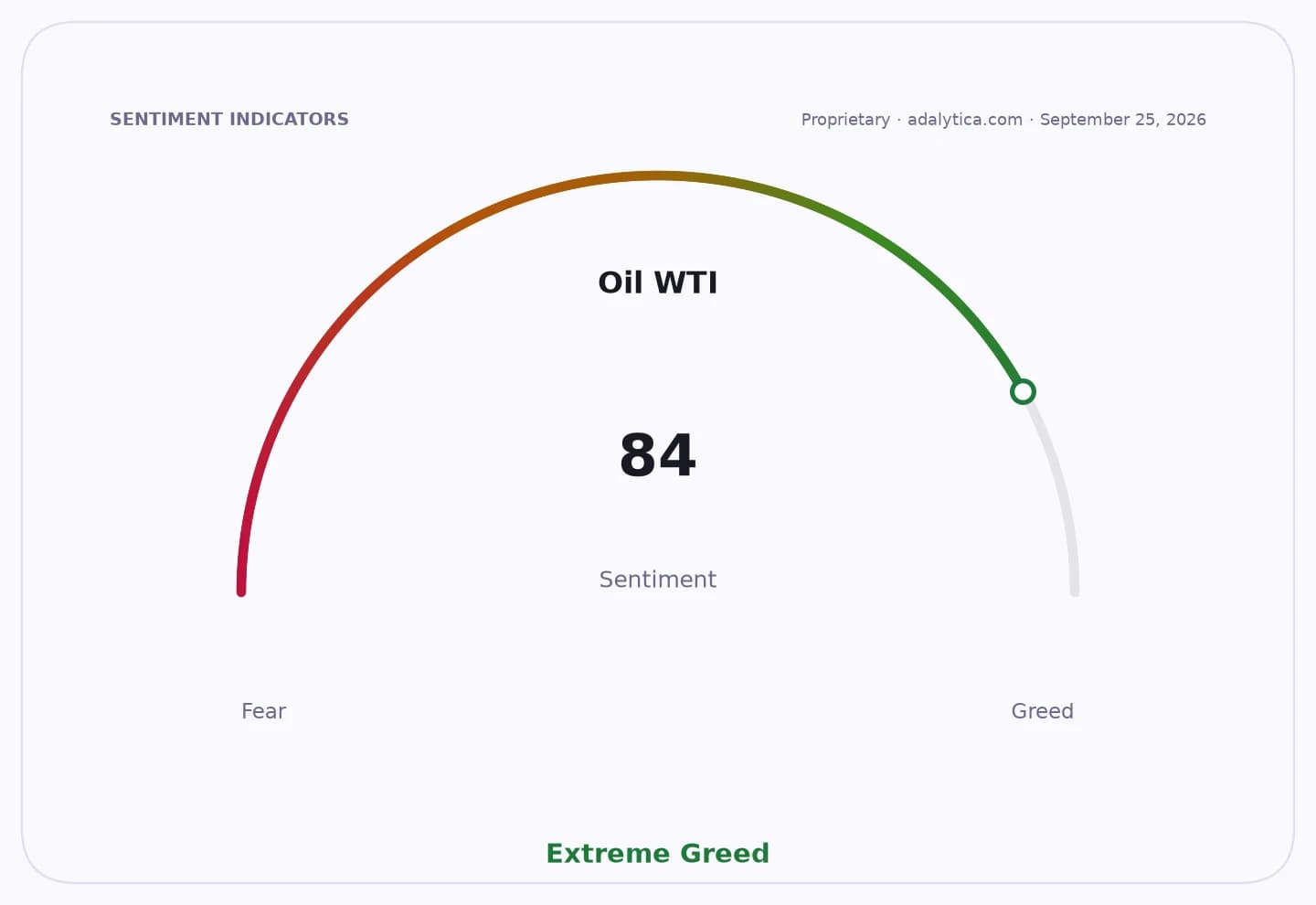
Crude oil is the other swing factor. The report flagged Brent’s move back toward $100 a barrel after dropping below $70 in early July, a reminder that India’s import bill and domestic fuel inflation remain highly exposed to global supply risks and geopolitics. In market terms, the recent oil rally strengthens the case for a cautious stance on Indian inflation assets and on sectors most sensitive to energy costs, even if the broad macro backdrop still supports longer-term growth.
The policy takeaway is that the Reserve Bank of India is unlikely to have much room to ease quickly. UBI Research expects only a shallow normalization cycle of two to three hikes that could take the repo rate to 5.75%-6.00%. That view reflects a central tension in the macro outlook: growth may still be resilient, but inflation is proving sticky enough that the RBI may need to stay restrictive longer than investors would like.
For Indian equities and bonds, the next catalyst is not just the August WPI print itself but the follow-through from monsoon progress, festive demand and crude. A sustained rise in food or energy prices would pressure margins and delay any policy repricing, while a better rainfall outcome and softer oil would improve the odds that this inflation spike peaks without forcing a more aggressive policy response.
| Entity | Gains | Losses |
|---|---|---|
| Oil producers | ▲Higher realizations | ▼Indian importers |
| Food sellers | ▲Higher pricing power | ▼Households |
| RBI hawks | ▲Tighter policy case | ▼Rate-cut hopes |
| Indian manufacturers | ▲None | ▼Margin pressure |