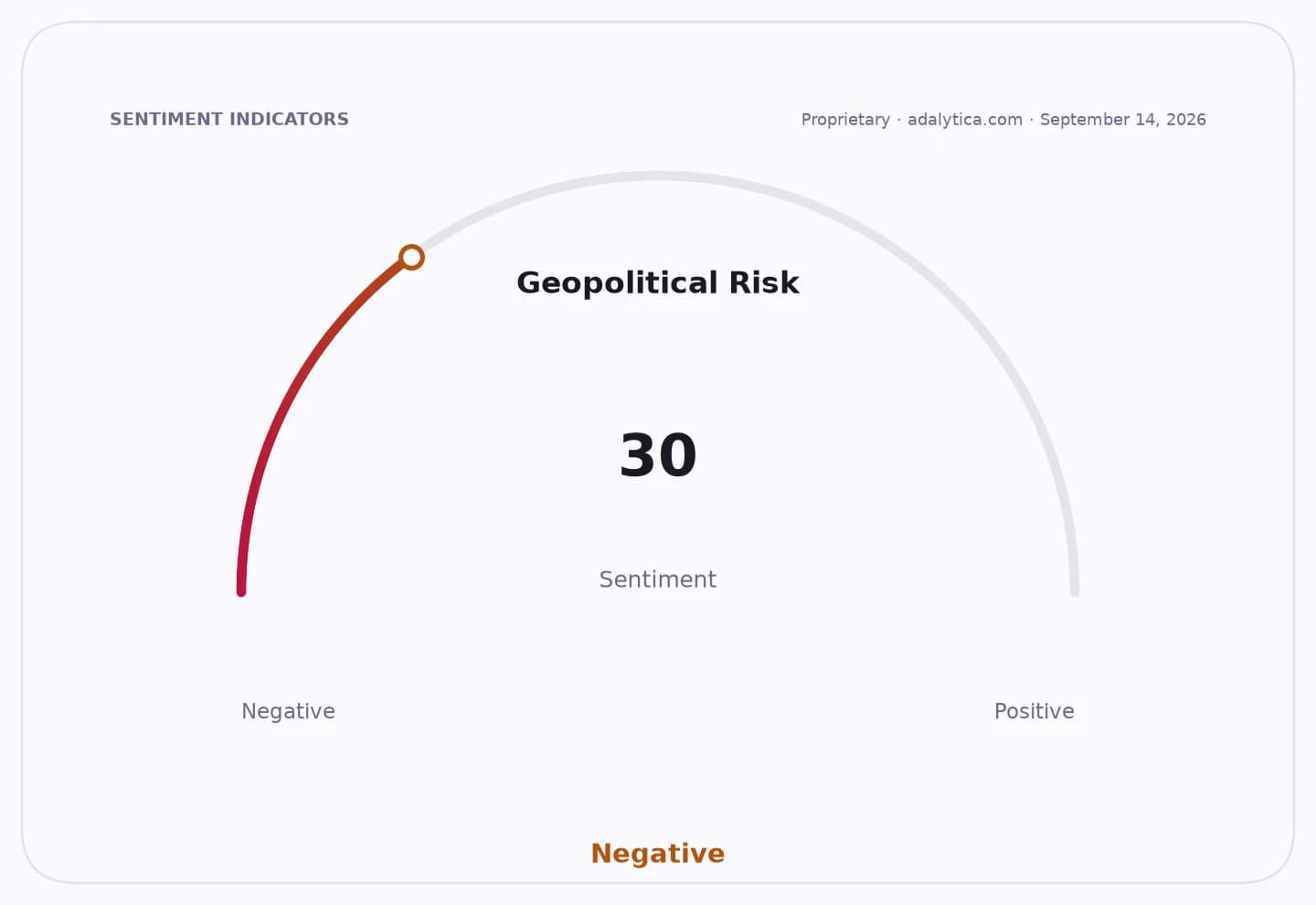
India’s crude oil import bill surged 48% in the first five months of the financial year, a swing large enough to tighten the country’s external accounts and keep inflation under pressure even though volumes barely changed.
India crude import bill rises on higher oil prices
The Petroleum Planning and Analysis Cell said India spent $74.8 billion on crude imports between April and August, up from a year earlier, while the quantity imported slipped only marginally to 100.7 million tonnes from 101.1 million. That gap shows the problem is not demand for oil so much as the price India is paying for it.
The bill worsened in August, when import volumes fell 3% year-on-year to about 19 million tonnes but the value still rose 18% to $11.7 billion. For the economy, that matters because India buys more than 85% of the crude it consumes, so every sustained rise in global prices feeds quickly into the current account, wholesale prices and corporate input costs.
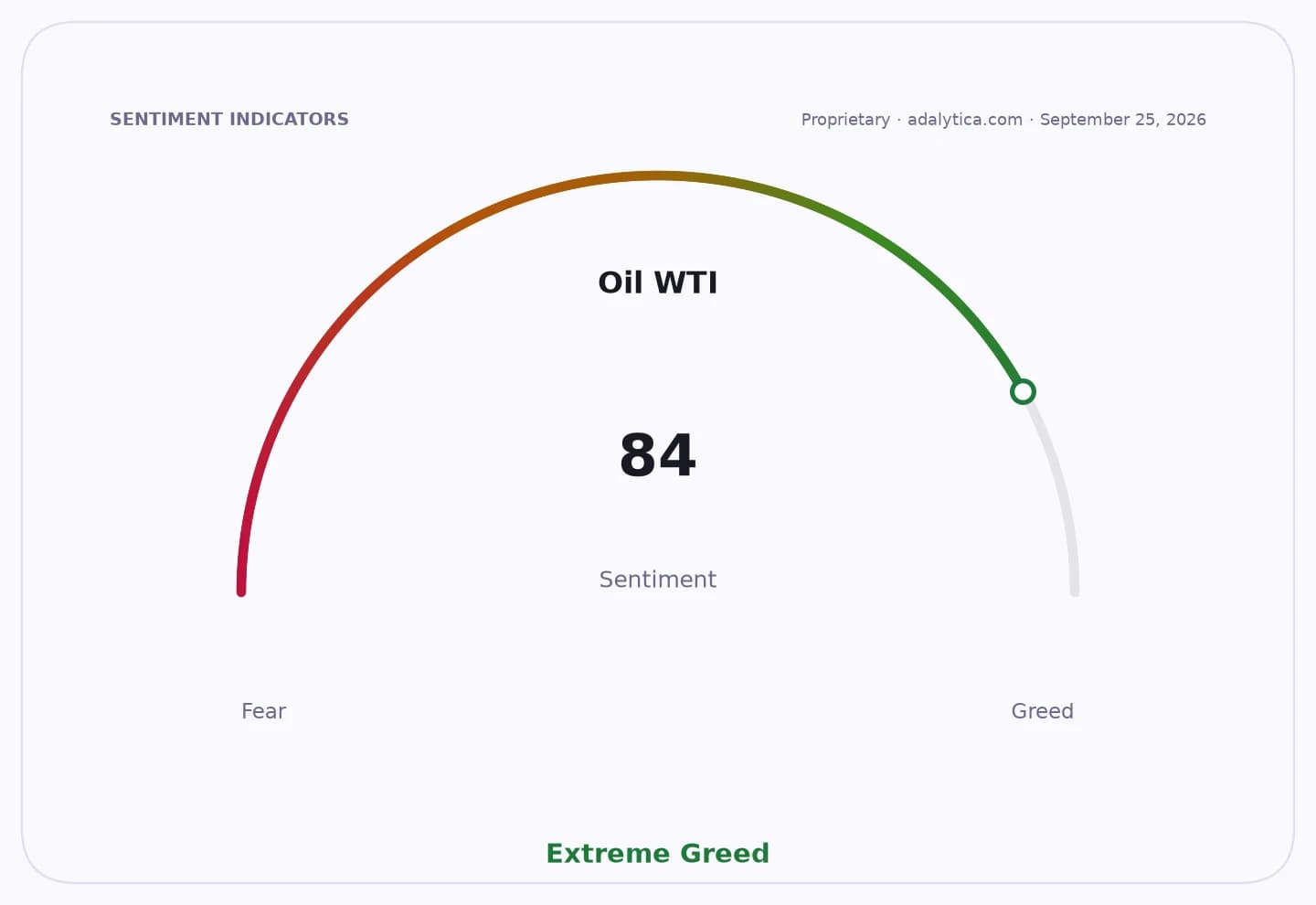
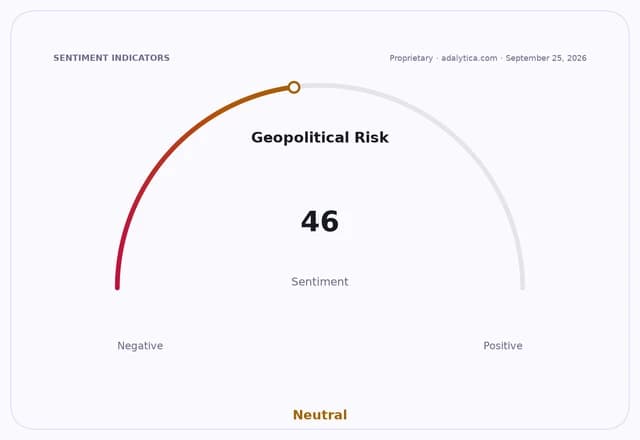
The driver is a renewed rally in global oil markets, with Brent holding above $100 a barrel for much of the period on geopolitical tensions in West Asia, including worries over the Strait of Hormuz and attacks by Yemen-based Houthis on Saudi Arabia. India’s own crude basket has followed suit: PPAC data show it averaged $113.9 a barrel in September versus $69.61 a year earlier, and $90.19 in August versus $69.1.
DCOILWTICO vs DGS10 — macro contextadalytica.com
Explore this data interactively — full history, time series and cross-market comparisons.Open AlphaPulse
That puts policymakers and refiners in a familiar bind. Higher oil prices support upstream producers and can lift revenues for exporters, but they weaken import-dependent economies such as India and add to the risk that businesses pass fuel and transport costs through to consumers. Crisil Intelligence has already lifted its Brent forecast for the fiscal year to $88-$93 a barrel, warning that elevated energy costs can seep across the economy if they persist.
The macro backdrop is already uncomfortable. India’s wholesale price inflation rose to 9.9% in August, and an oil shock of this kind can amplify that pressure just as firms are facing higher freight, power and feedstock bills. The broader economic hit is less about shortages than about the arithmetic of imports: India brings in roughly 1.8 billion to 2 billion barrels a year, so even a $1 increase in crude can add about $2 billion to the annual import bill.
For investors, the key question is whether oil can stabilize enough to prevent the import bill from widening further and eroding margins in fuel-intensive sectors. A prolonged period of Brent near or above $90 would be a headwind for Indian equities tied to consumer spending, transport, chemicals and manufacturing, while energy producers and select commodity-linked names could remain relative winners.
The next catalyst is the path of West Asia tensions and whether the recent pullback in oil prices holds. If crude stays elevated, India’s import bill will remain a source of pressure into FY27, keeping the trade deficit, inflation and currency sensitivity squarely on the market’s radar.
| Entity | Gains | Losses |
|---|---|---|
| Global oil producers | ▲Higher revenues | ▼None |
| India’s refiners/importers | ▲None | ▼Bigger import bill |
| Indian consumers | ▲None | ▼Higher fuel and goods costs |
| Energy exporters vs India | ▲Exporters gain pricing power | ▼India’s external balance worsens |