ONGC is moving into crude trading and plans to build a 1.75 million-tonne strategic oil reserve, a shift that could give India’s biggest state-run explorer more control over supply and pricing at a time of volatile crude markets and rising geopolitical risk.
ONGC Plans Crude Trading and Strategic Oil Reserve
The move matters because India imports most of its oil, leaving refiners and the broader economy exposed whenever benchmark prices spike. With Brent recently pushing above $94 a barrel and West Asian tensions rattling markets, a larger reserve gives New Delhi another buffer against supply shocks and could help smooth procurement costs for state-backed fuel buyers.
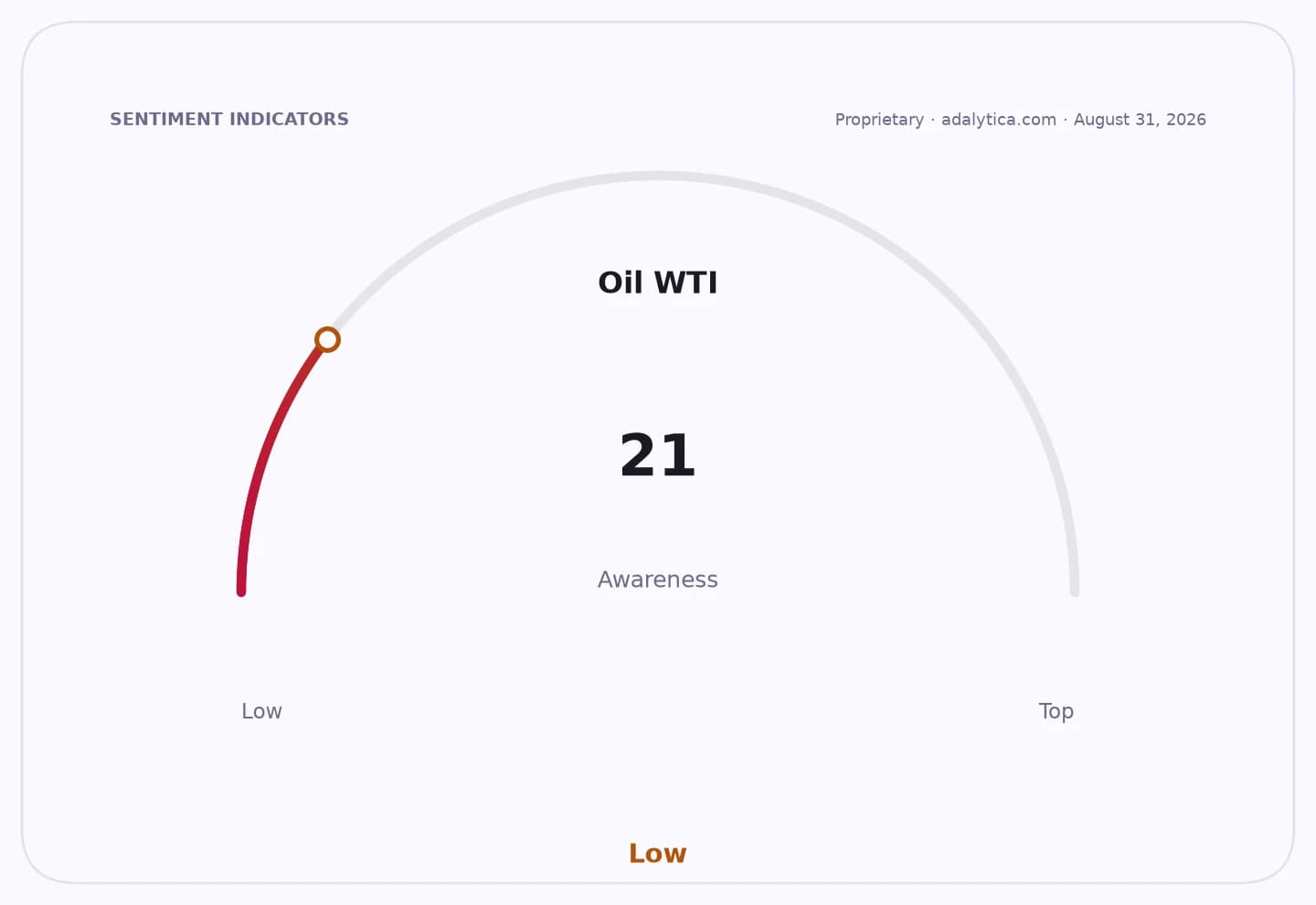
Sentiment IndicatorsⓘProprietary · adalytica.com · August 31, 2026
This is a snapshot — live sentiment, awareness and momentum for 130+ markets update continuously in the dashboard.Open AlphaPulse
For ONGC, the step also broadens its role beyond production. Crude trading can improve access to barrels, strengthen relationships with producers and refiners, and potentially create a new earnings stream if it can buy and sell cargoes efficiently in a tighter market.
The timing is important for investors in India’s energy complex. Higher oil costs tend to pressure the rupee, widen the current account deficit and squeeze margins for consumer-facing sectors, while supporting upstream names such as ONGC and other producers. By adding storage and trading capability, India is effectively trying to reduce the macro drag from imported energy.
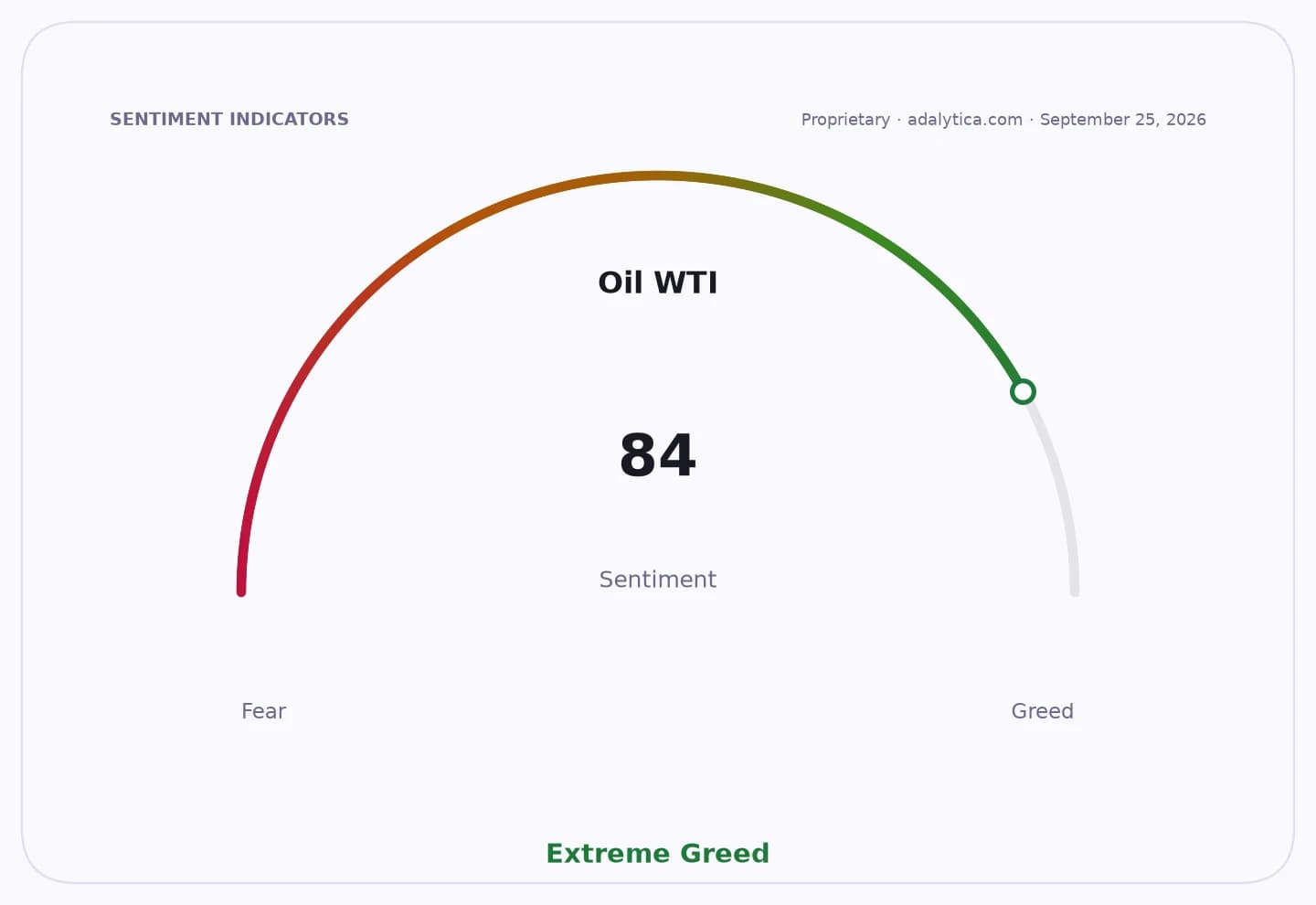
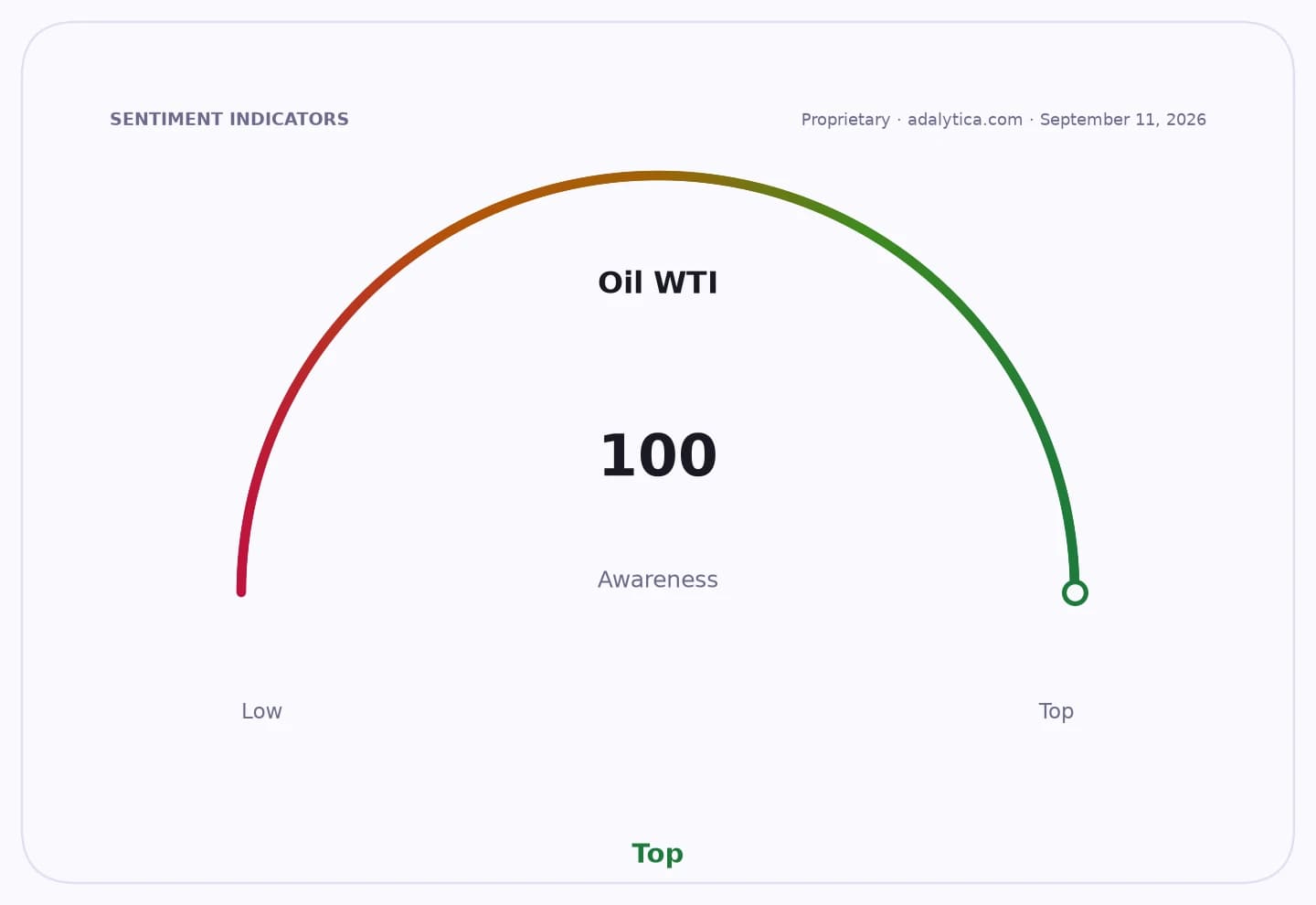
The backdrop remains unsettled. Oil prices have been volatile as traders weigh supply disruption risks in the Middle East, while technical gauges in the market have also turned firmer, with conventional momentum indicators pointing to stronger near-term sentiment in crude-linked assets.
For investors, the key question is execution: how fast ONGC can build the reserve, how it finances the project, and whether the trading arm improves economics or simply adds complexity. Any further escalation in geopolitical tensions, or another spike in crude, would make that strategy more relevant.
| Entity | Gains | Losses |
|---|---|---|
| ONGC | ▲More supply control | ▼Higher execution risk |
| India refiners | ▲Buffer against shocks | ▼Less pricing flexibility |
| Oil exporters | ▲More stable demand | ▼Less upside from spikes |
| Crude bulls | ▲Strategic stockpiling support | ▼Near-term volatility limits gains |