Bhutan’s government has spent Nu 2.169 billion on fuel support in less than six months, underscoring how global oil volatility is being absorbed by the public balance sheet to keep transport and consumer inflation from rising faster.
Bhutan Spends Nu 2.169 Billion on Fuel Support
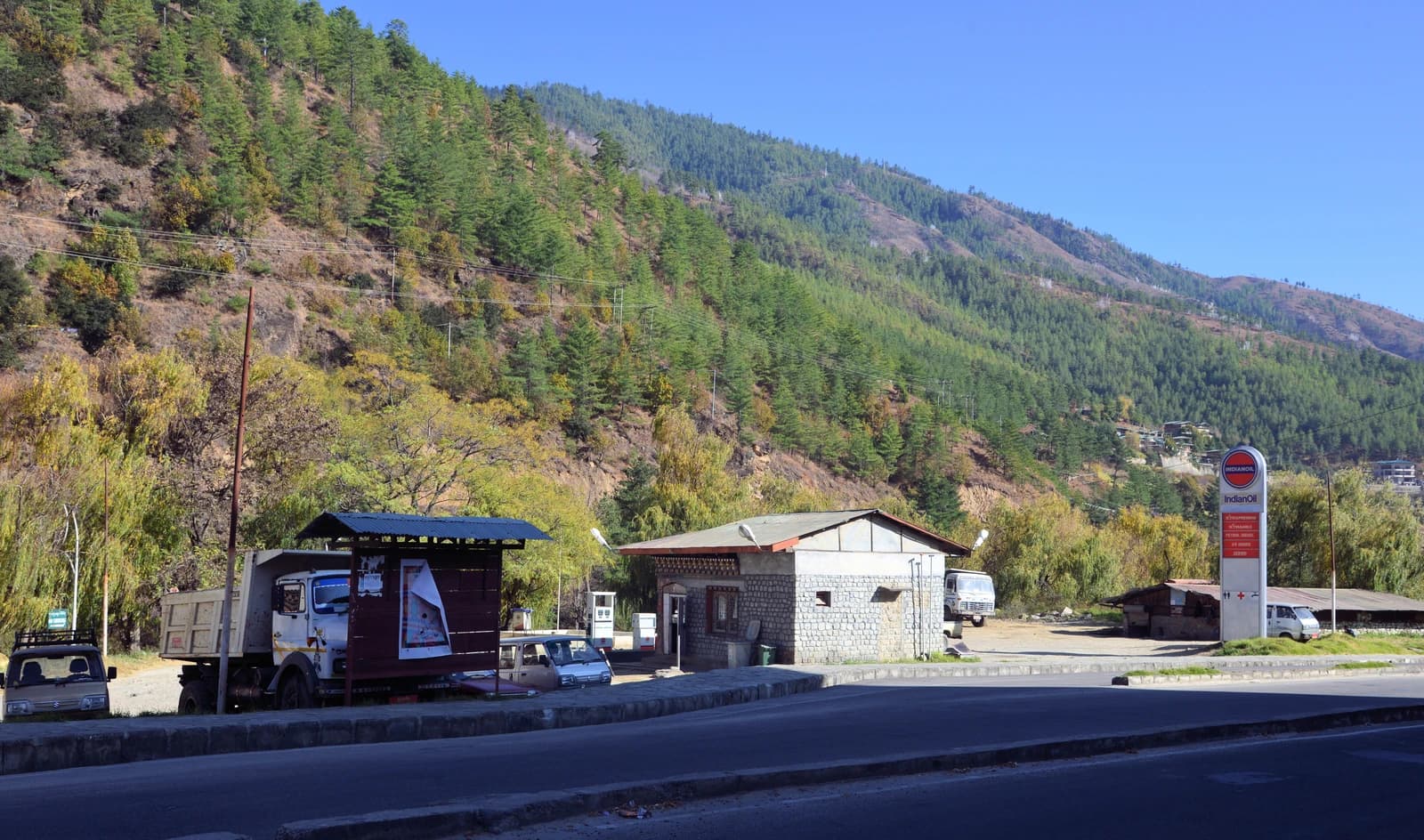
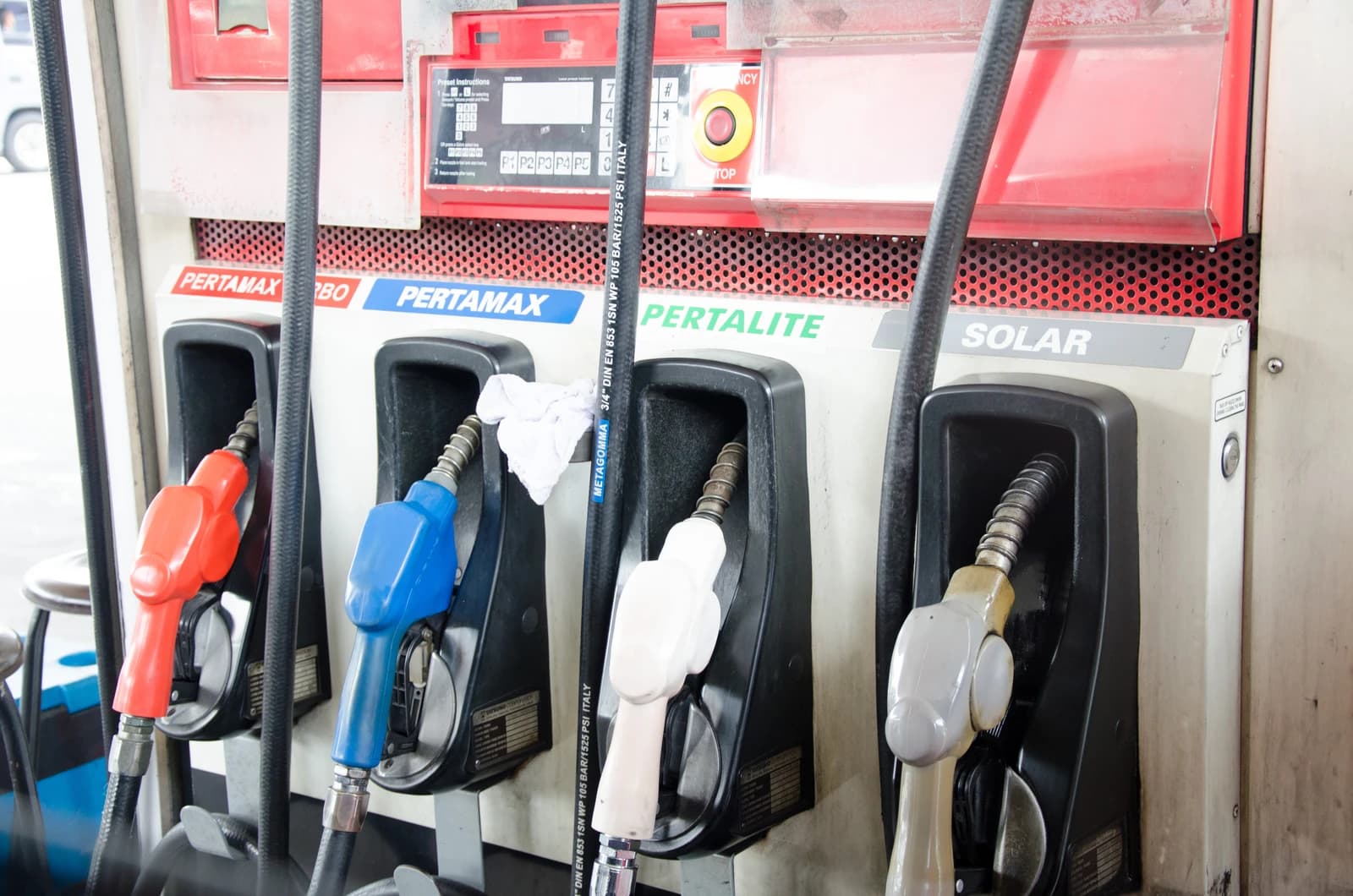
The outlay under the National Fuel Price Smoothening Framework covered the period from March 22 to September 15, during which diesel was subsidised by Nu 20.50 a litre and petrol prices climbed to Nu 105.56 a litre from Nu 99.17 earlier. In Thimphu, diesel now costs Nu 106.89 a litre with support, down from a notional Nu 127.39 without it. The policy is effectively shielding households and businesses from the full pass-through of imported fuel costs.
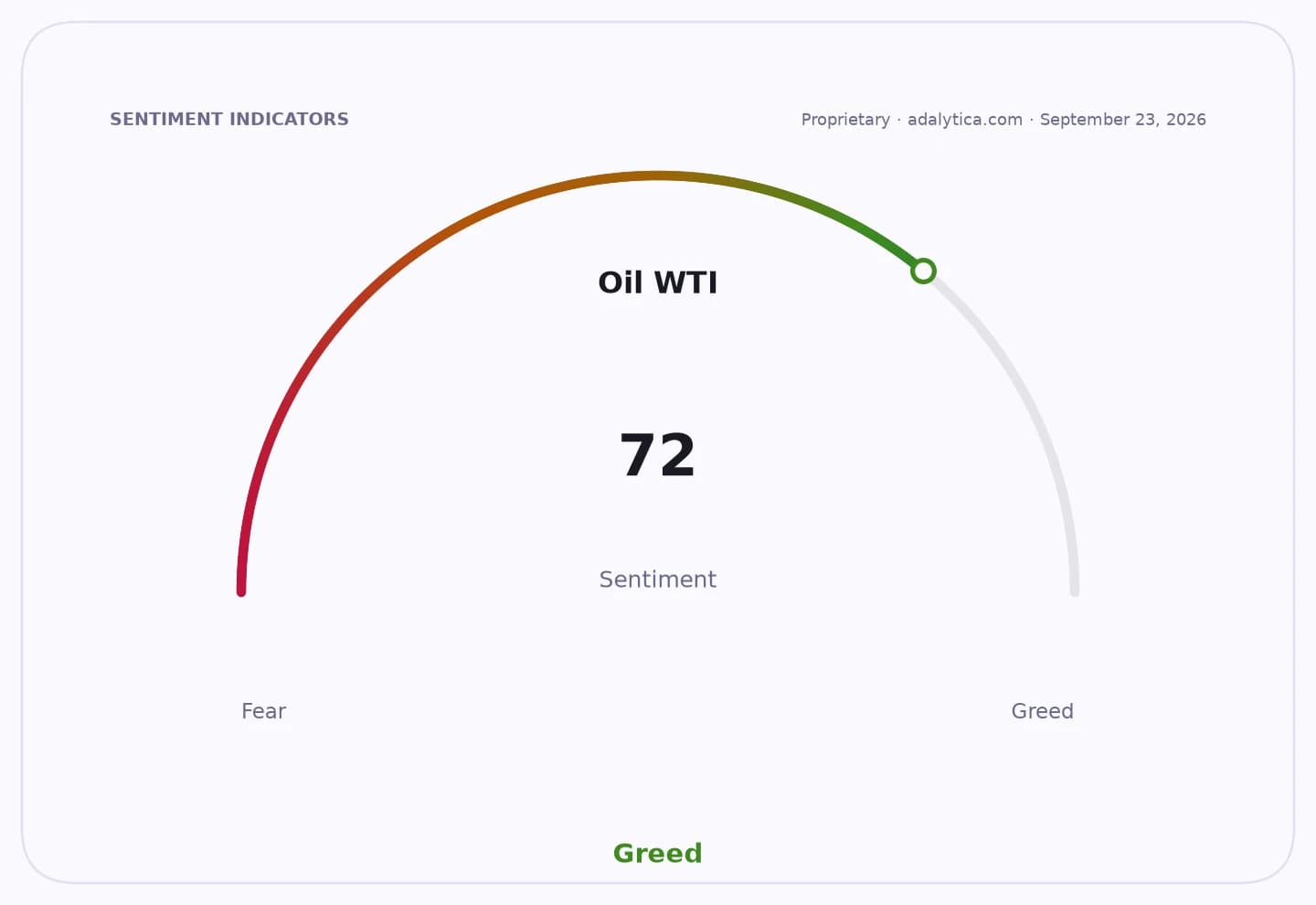
Sentiment IndicatorsⓘProprietary · adalytica.com · September 24, 2026
This is a snapshot — live sentiment, awareness and momentum for 130+ markets update continuously in the dashboard.Open AlphaPulse
That matters because Bhutan is a small, import-dependent economy where fuel costs quickly feed into freight, food prices and overall living expenses. A subsidy bill of Nu 2.169 billion is not just a fiscal line item; it is a transfer that helps contain inflation and preserve purchasing power, but at the cost of higher government spending or a wider fiscal deficit. In a period when central banks and finance ministries across the world are still trying to manage price pressures, Bhutan is choosing direct relief over a full market pass-through.
For investors and businesses, the immediate effect is clearer transport-cost stability, especially for logistics, public transport and fuel-sensitive sectors. The downside is that prolonged support can distort pricing signals, delay energy efficiency gains and leave the state exposed if oil prices rise again. Recent moves in global oil markets have been volatile, and benchmark crude has remained well above the levels that would make such support unnecessary.
The key question now is whether the framework remains a temporary cushion or becomes a recurring fiscal burden. If external fuel prices stay elevated, the government may face a choice between larger subsidies, sharper domestic price increases or a redesign of the support mechanism. For markets, the story is less about the current pump price than about how long Bhutan can keep absorbing imported energy shocks before they begin to weigh more visibly on public finances.
| Entity | Gains | Losses |
|---|---|---|
| Consumers | ▲Lower fuel bills | ▼Full price pass-through avoided |
| Transport firms | ▲More stable operating costs | ▼Margin relief still limited |
| Government | ▲Short-term inflation control | ▼Higher fiscal burden |
| Fuel importers | ▲Steady demand | ▼Pricing remains regulated |