India’s inflation debate is intensifying just as price pressures are firming again, with consumer prices projected to edge down only slightly to 333.8642 in September after rising to 334.131 in August, while producer prices are expected to hold near 288.0287. That backdrop gives Tejashwi Yadav’s warning that “inflation is increasing” and farmers are worried added political and economic weight: food and energy costs are increasingly shaping the policy conversation, and any renewed price impulse could constrain the Reserve Bank of India’s room to ease.
India inflation rises as RBI easing room narrows
The issue matters because India’s growth story has been supported by relatively resilient domestic demand, but inflation remains the clearest risk to that balance. Moody’s has lifted its forecast for India’s fiscal 2027 GDP growth to 7% from 6%, yet it also flagged energy costs, food inflation and higher government spending as threats to that outlook. The latest inflation data already point in that direction: August consumer inflation was 4.82%, above the RBI’s comfort zone, while food inflation ran at 5.95%, underscoring how quickly price pressures can spill into household budgets and farm economics.
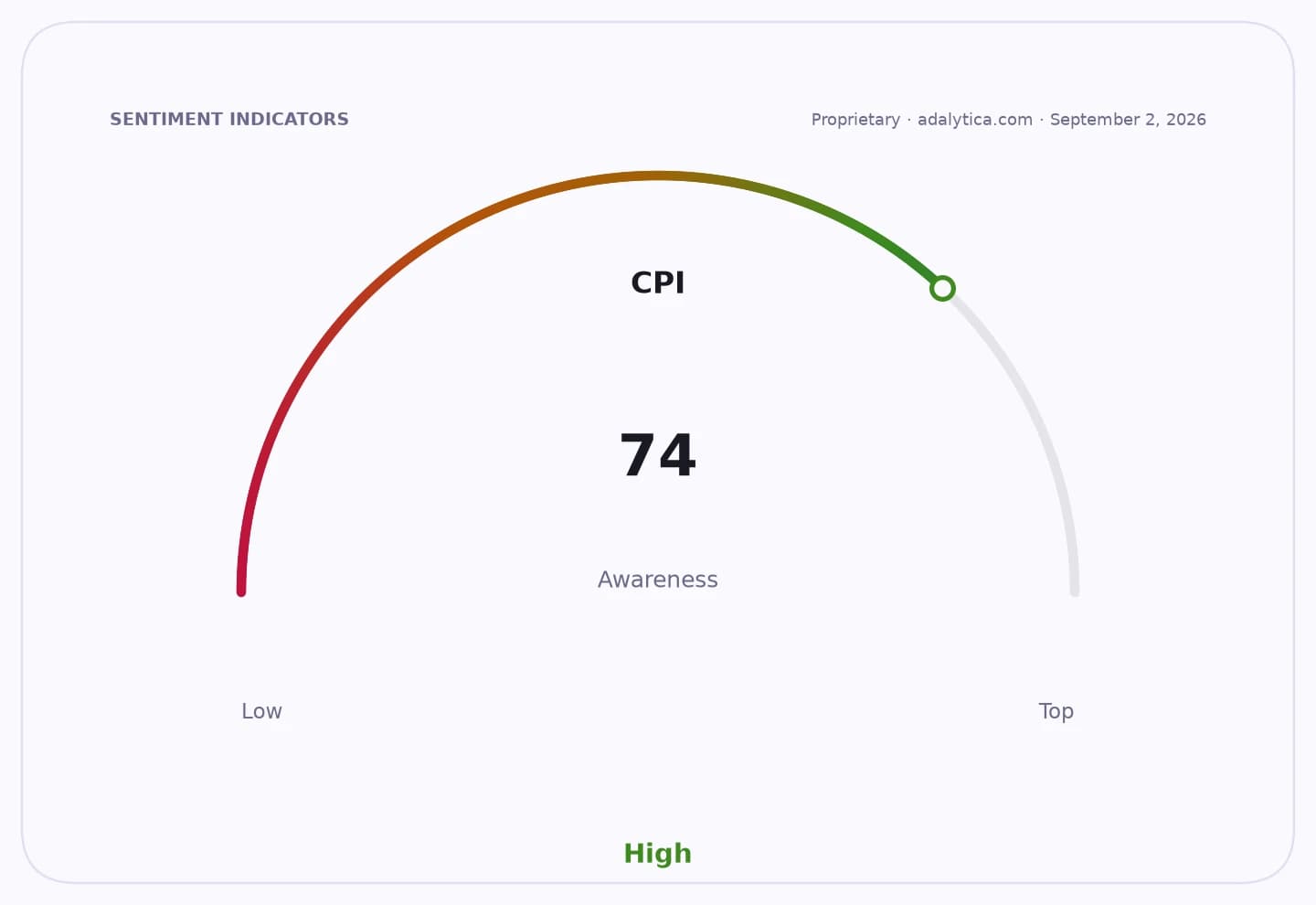
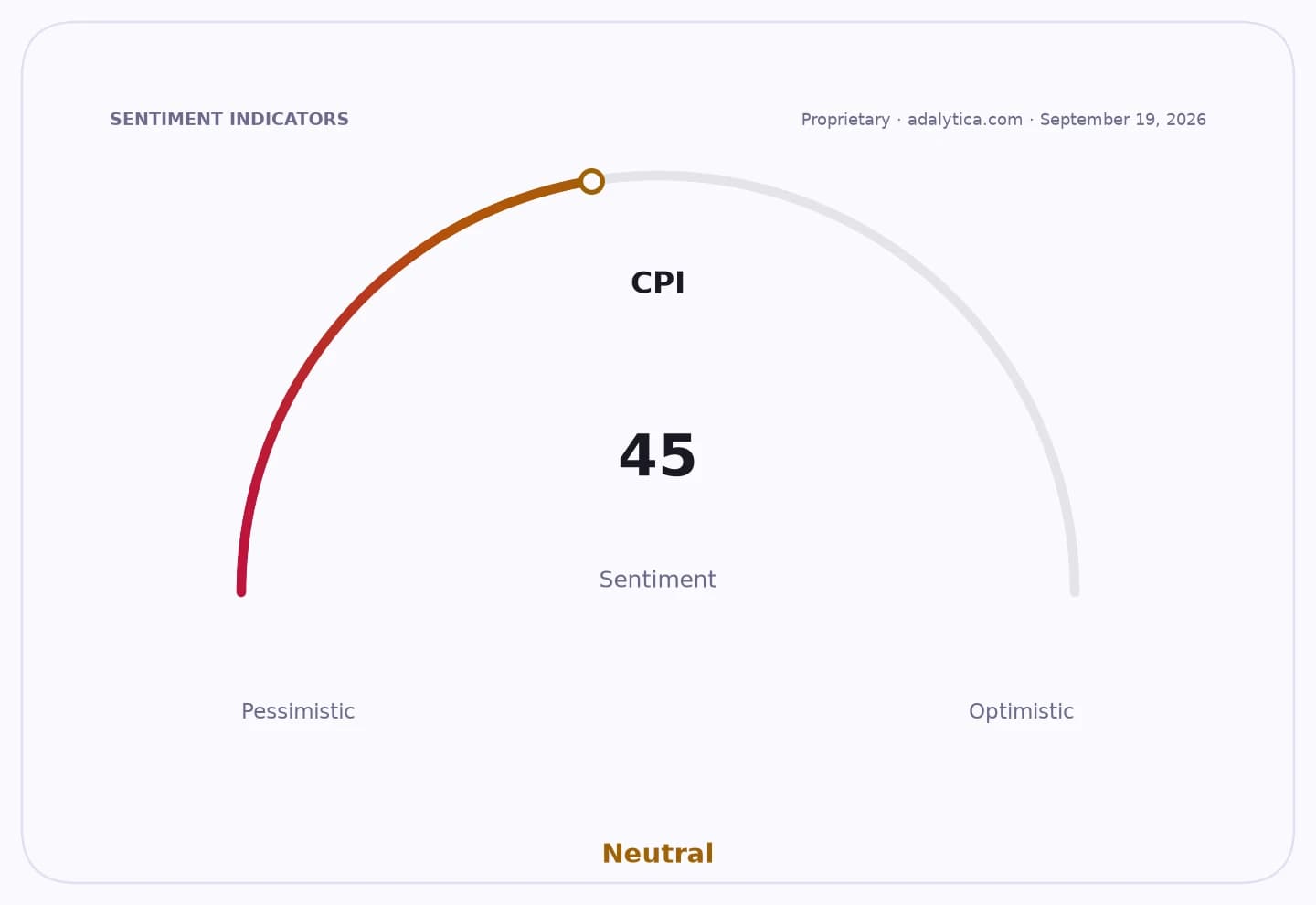
Sentiment IndicatorsⓘProprietary · adalytica.com · September 19, 2026
This is a snapshot — live sentiment, awareness and momentum for 130+ markets update continuously in the dashboard.Open AlphaPulse
For policymakers, the problem is not just the level of inflation but its composition. Food and fuel are the most politically sensitive components, and both are vulnerable to weather, supply disruptions and global shocks. El Niño-linked crop risks, the Black Sea conflict and firmer energy prices can lift costs even if core demand remains contained. That makes agricultural distress a macroeconomic issue, not merely a rural grievance, because weaker farm margins can eventually feed into slower consumption, higher subsidy pressure and greater calls for targeted relief.
Investors are likely to read the message in two ways. The bull case is that India’s economy is still growing fast enough to absorb some inflation pressure, and any government response such as import-duty changes on vegetable oils could ease food costs without derailing activity. The bear case is that sticky inflation will keep real rates elevated for longer, limiting the RBI’s ability to support growth and adding volatility to rate-sensitive assets. That is consistent with the recent tone in markets: the India-focused INDA ETF is trading below its 50-day and 200-day moving averages, while the EPI and INDY funds are also below those longer-term averages, suggesting investors are cautious even as broader India growth optimism remains intact.
The broader narrative is that India’s political debate and its macro data are converging on the same point: inflation is again the constraint that could determine how long the country can sustain above-trend growth. If food and energy costs keep climbing, the government may be forced into more interventionist measures, and the RBI will have less flexibility to support activity. For investors, the next catalysts are the October inflation print, any policy move on food imports, and signals from the central bank on whether price stability remains the dominant concern.
| Entity | Gains | Losses |
|---|---|---|
| Farmers | ▲Potential relief if input prices cool | ▼Margin pressure from higher food and fuel costs |
| Consumers | ▲Benefit if food import duties are cut | ▼Higher household budgets from inflation |
| RBI | ▲Gains policy clarity if inflation eases | ▼Less room to cut rates if prices stay sticky |
| INDA / India equities | ▲Supported by growth resilience | ▼Hit if inflation keeps rates elevated |