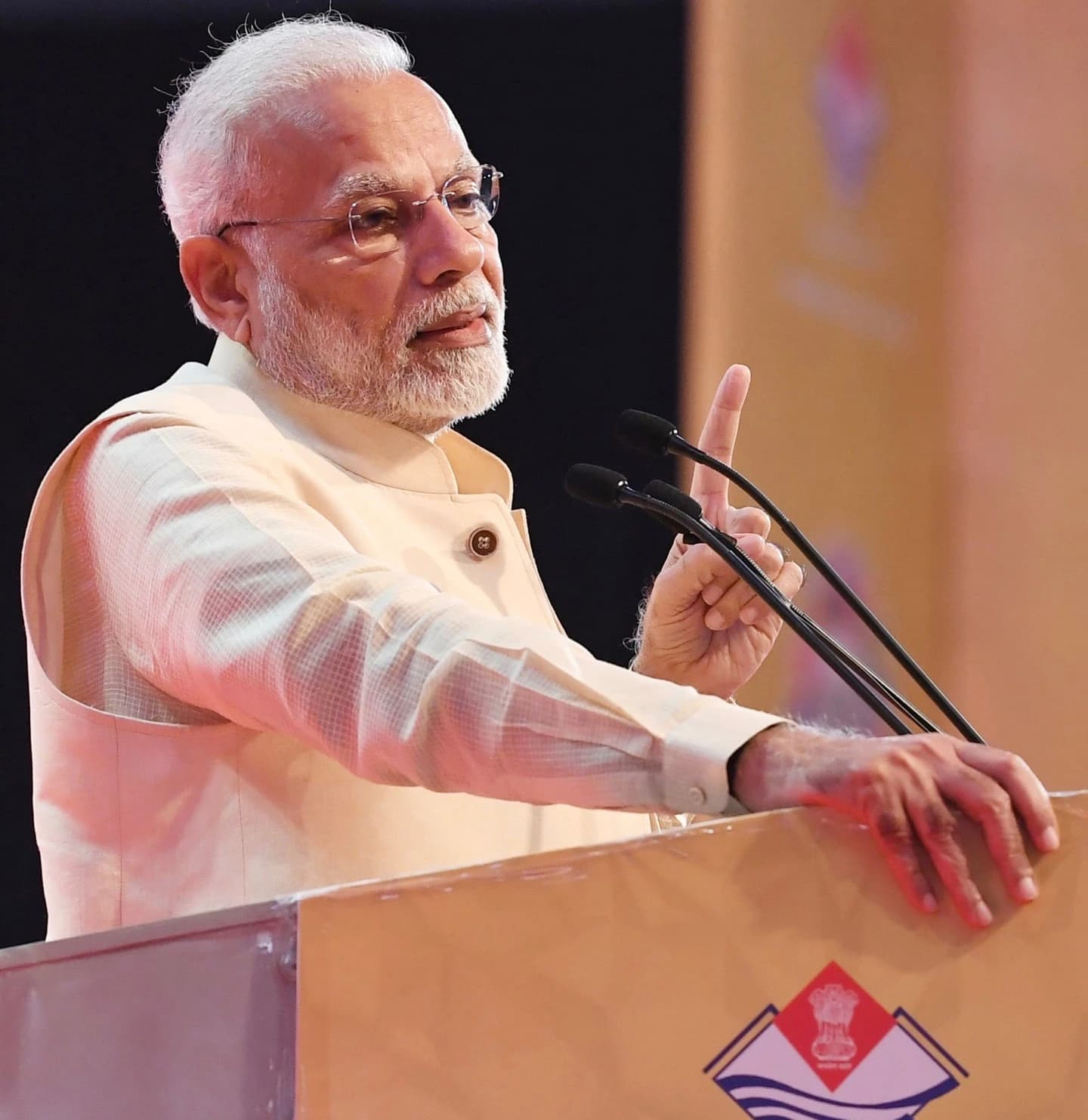
Prime Minister Narendra Modi turned a college centenary speech into a political and economic case for his government, arguing that India has moved from an era of high inflation, policy paralysis and investor unease into one of stronger growth, stability and opportunity.
India Growth Narrative Gains After Modi Speech
That message matters because the debate over India’s economic trajectory is not just political theatre: it feeds into confidence on consumption, investment and capital flows at a time when investors are still weighing the durability of the country’s expansion against external shocks, persistent price pressures and questions over the quality of growth.
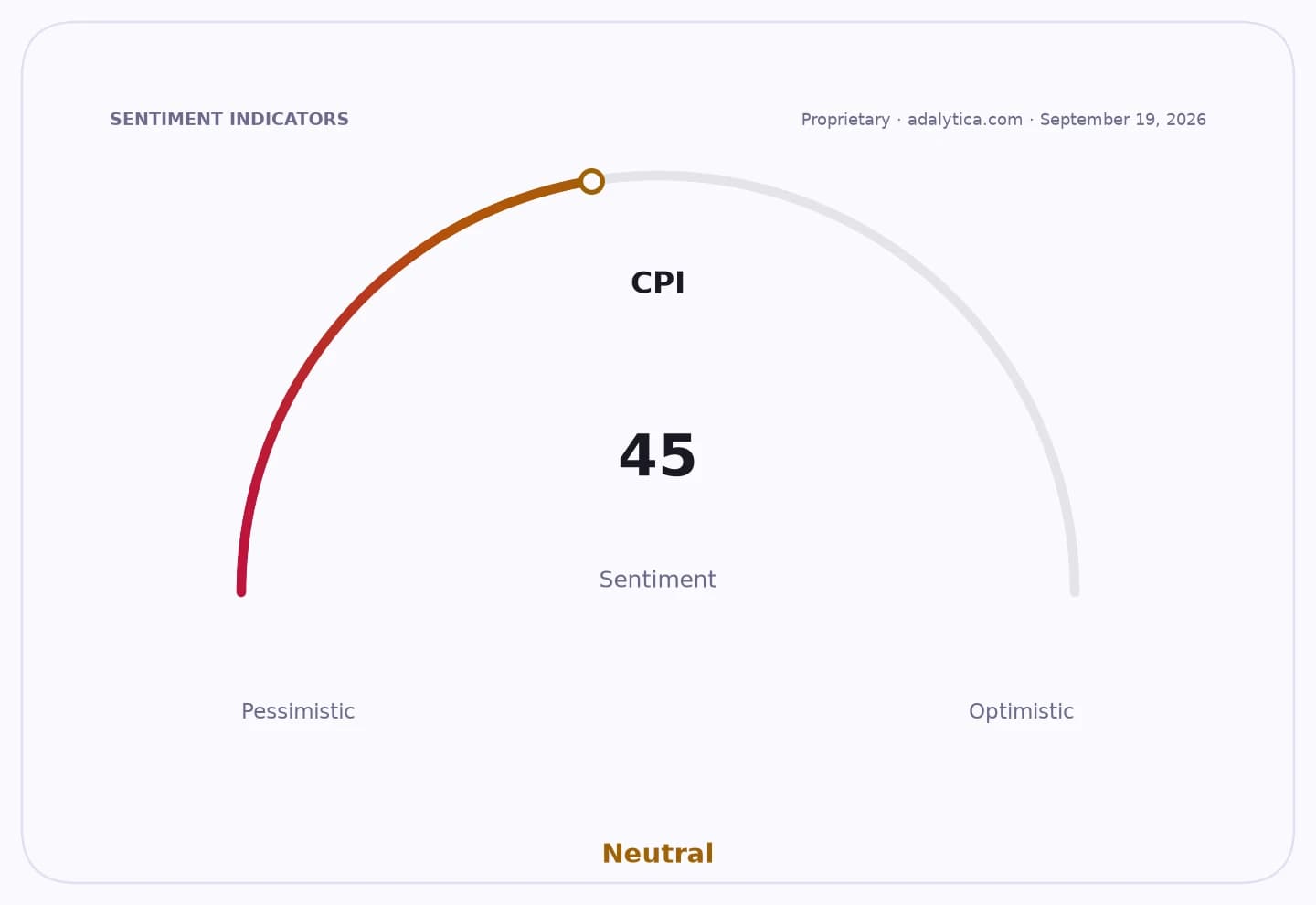
Sentiment IndicatorsⓘProprietary · adalytica.com · September 6, 2026
This is a snapshot — live sentiment, awareness and momentum for 130+ markets update continuously in the dashboard.Open AlphaPulse
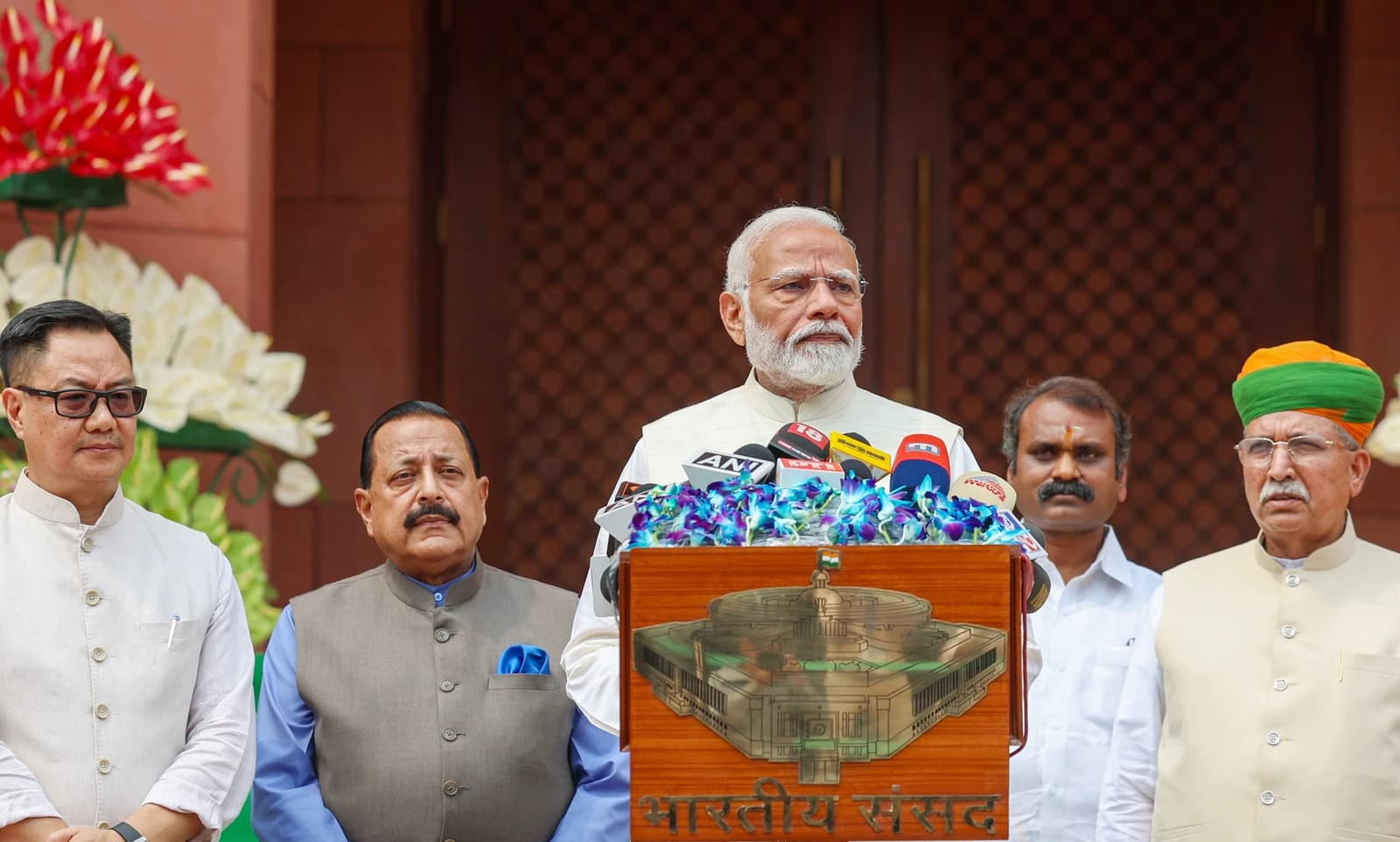
Speaking at Shri Ram College of Commerce in Delhi, Modi told students to picture the pre-2014 economy as one marked by “scams, inflation, economic distress, bomb blasts” and a world that counted India among the “Fragile Five.” He said the World Bank had lowered its GDP growth forecast then, the current account deficit was at an “all-time high,” inflation was around 10%, industry was slowing and the country was suffering from policy paralysis.
The contrast is central to the government’s growth narrative. Modi said India is now seen through the lens of “policy dynamism,” with terrorism on the back foot, peace improved in Jammu and Kashmir and the Northeast, and a more supportive ecosystem for younger Indians to build businesses and careers. For a government that has made Aatmanirbhar Bharat and developed India the core of its political pitch, the speech was also aimed at shaping how Gen Z views the economic legacy of the Congress-led UPA years.
The political framing lands against a more complicated macro backdrop. India remains one of the world’s faster-growing large economies, but the country has also faced criticism over inflation, unemployment and inequality, with opposition parties arguing that headline growth does not fully capture stress on households. That tension is reflected in the market debate over the sustainability of domestic demand and the extent to which stronger gross domestic product figures translate into broad-based earnings growth.
Global investors have not been ignoring those cross-currents. The India-focused iShares MSCI India ETF, INDA, was last near $49.91, below its 200-day moving average of $50.44, suggesting the market is still working through consolidation rather than a clean breakout. The rupee has also remained under pressure, trading at 94.49 per dollar, even as conventional technical indicators show the currency near levels that imply a fragile equilibrium rather than outright stress.
For investors, the significance is twofold. First, Modi’s remarks reinforce the government’s attempt to sustain confidence in India as a long-term structural growth story, which supports sectors tied to domestic consumption, infrastructure and financial intermediation. Second, the speech underlines that politics will keep circling back to inflation and living standards, meaning any renewed price pressure could quickly become both an economic and electoral issue.
The bear case is that the government’s comparison between the pre-2014 period and today may overstate the improvement if growth slows, external deficits widen or inflation reaccelerates. The bull case is that India’s institutional and macro position is meaningfully stronger than a decade ago, giving policymakers more room to absorb shocks and investors more reason to keep treating India as a strategic long-term allocation.
What matters next is whether the policy narrative is matched by durable outcomes: low and stable inflation, stronger private investment and job creation that broadens the gains from growth. If that happens, Modi’s message to students will reinforce an already powerful market story. If it does not, the gap between rhetoric and household experience could become a bigger risk for both the economy and equities.
| Entity | Gains | Losses |
|---|---|---|
| Modi government | ▲Reinforces growth narrative | ▼Faces scrutiny on inflation and jobs |
| Young consumers and investors | ▲Better opportunity set | ▼Vulnerable to price shocks |
| Domestic equity bulls | ▲Policy continuity story | ▼Consolidation if growth cools |
| Opposition/UPA legacy | ▲— | ▼Fresh attack from ruling party |