Two Baltic countries are weighing a move that would choke off grain transit to Russia, a politically charged step that could tighten an already fragile Black Sea and Northern European supply chain and keep food markets on edge.
Baltic Countries Weigh Blocking Russian Grain Transit
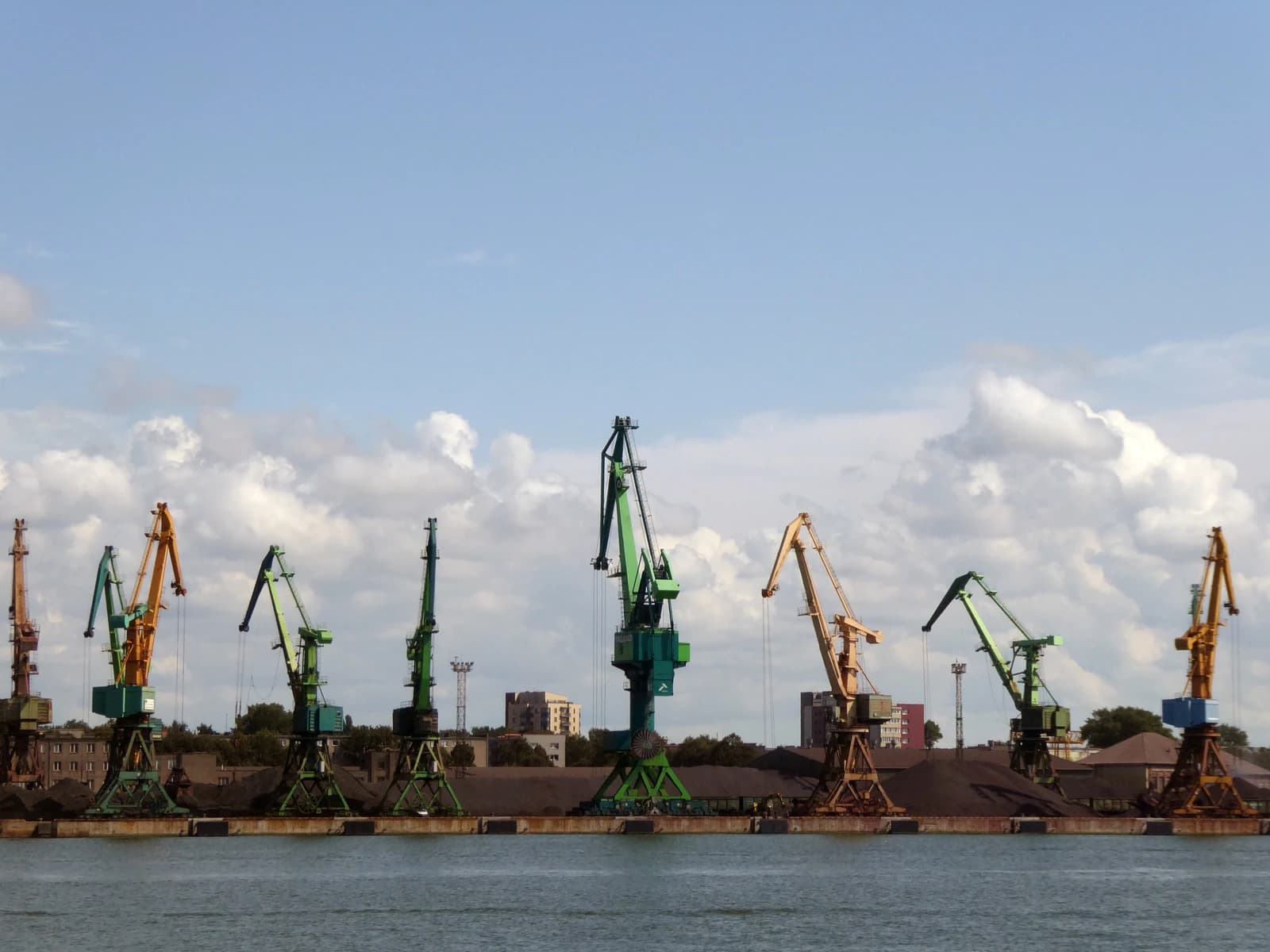
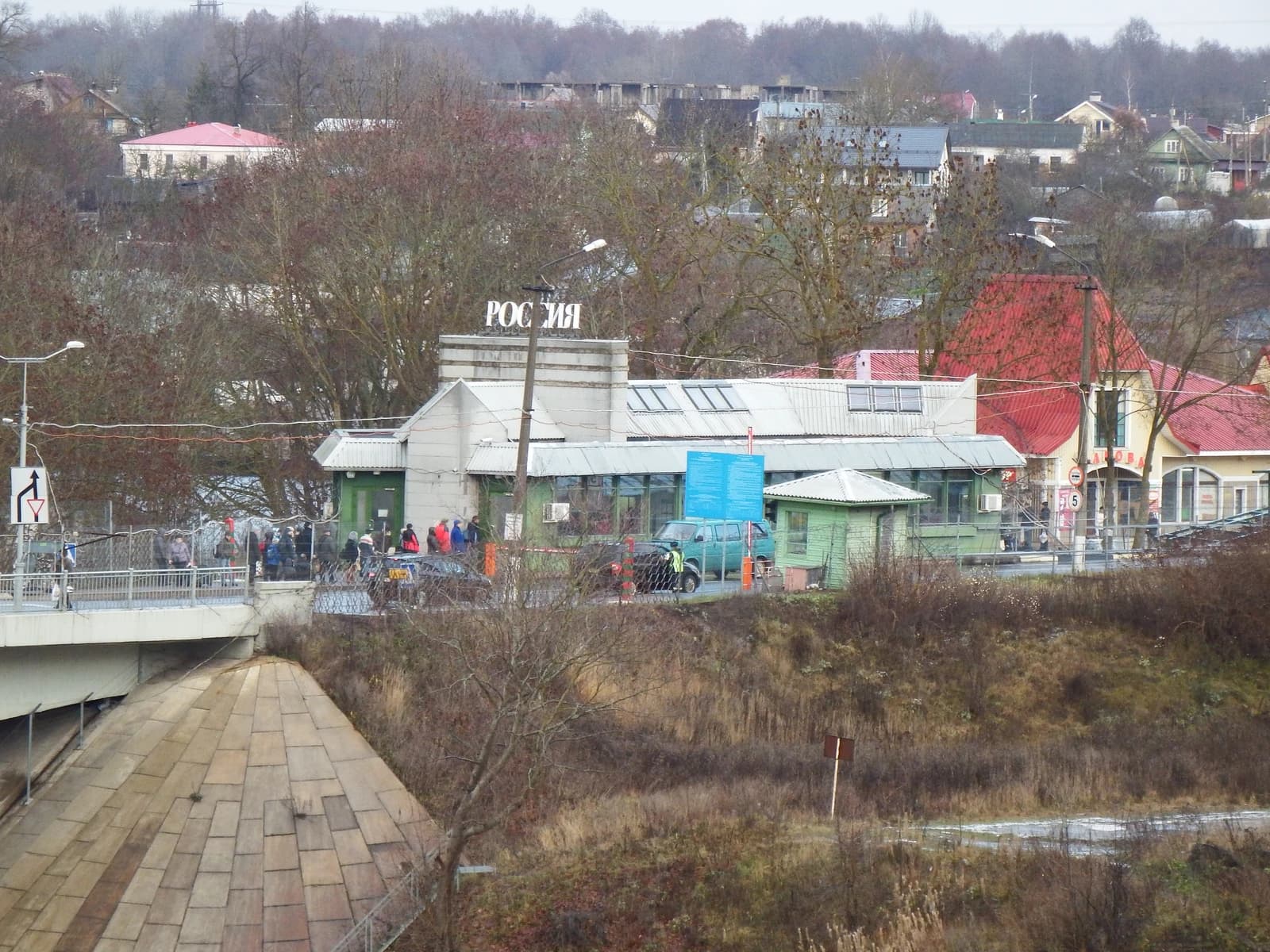
The economic importance is less about the tonnage itself than the signal: Europe’s eastern flank is becoming an even harder logistics corridor for Russian agricultural trade at a time when grain flows are already being distorted by war, sanctions and weather shocks. Any restriction on transit through Baltic routes would raise friction for exporters, traders and shippers, and could force more cargo into longer, costlier alternative routes.
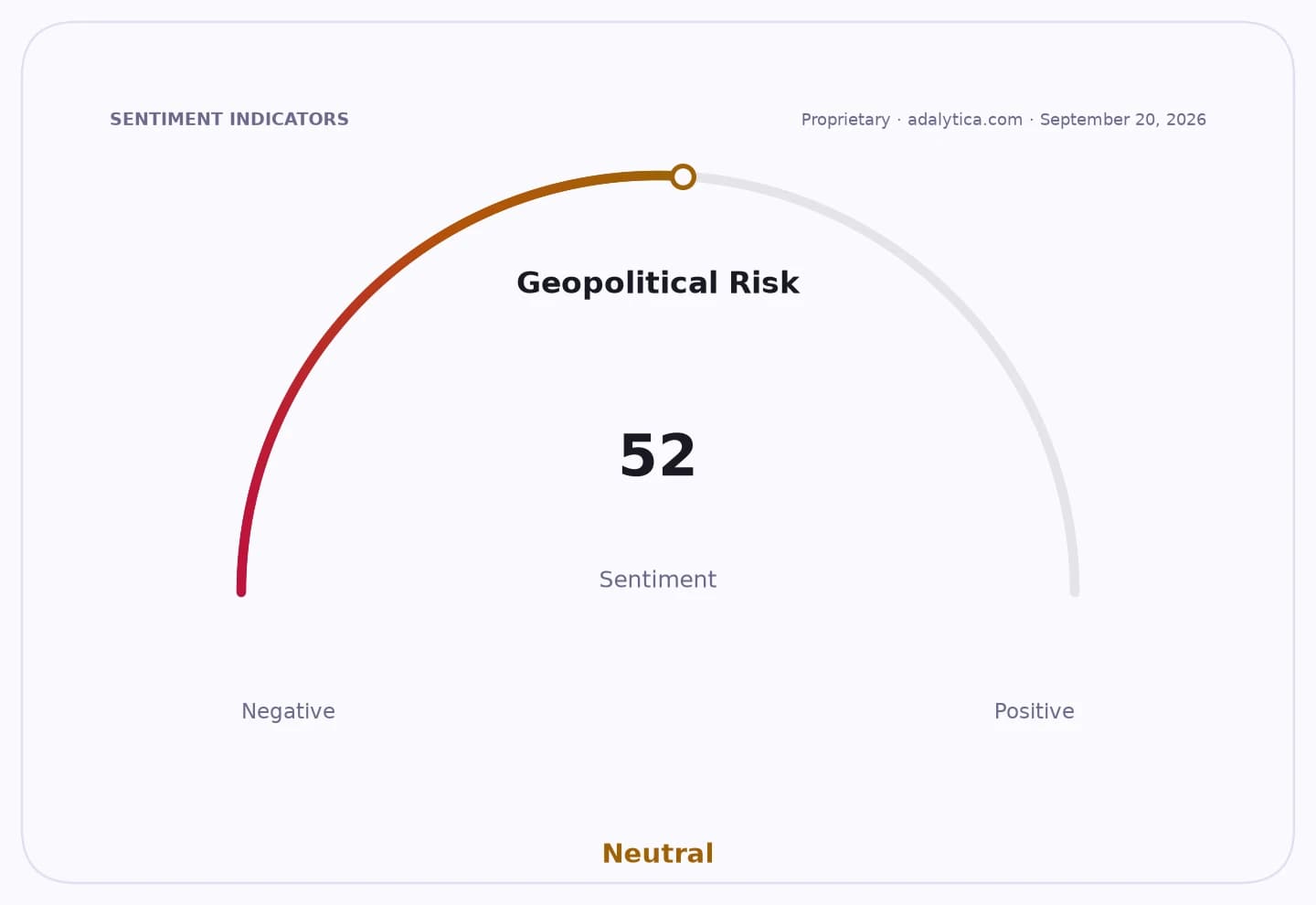
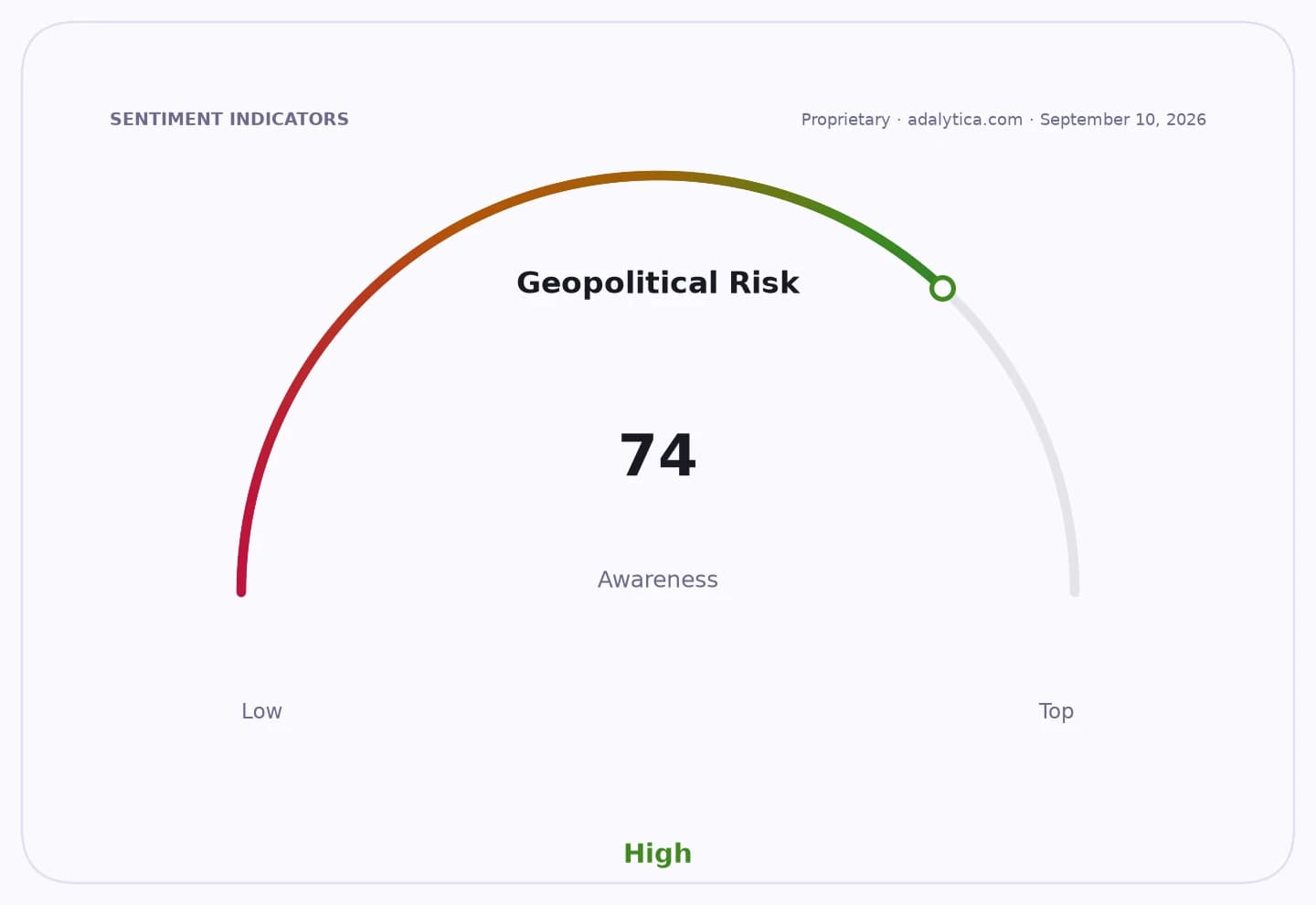
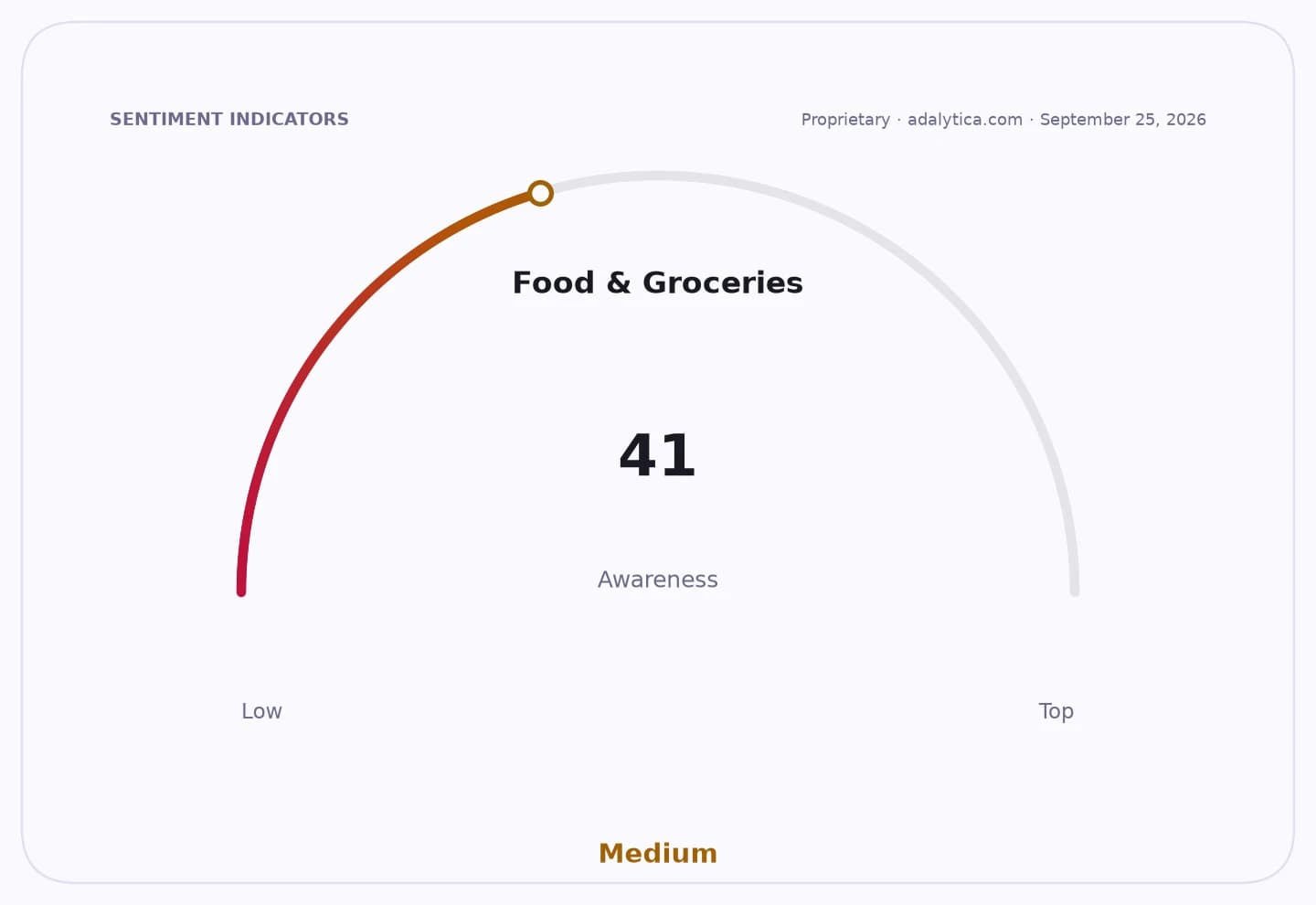
Sentiment IndicatorsⓘProprietary · adalytica.com · September 5, 2026
This is a snapshot — live sentiment, awareness and momentum for 130+ markets update continuously in the dashboard.Open AlphaPulse
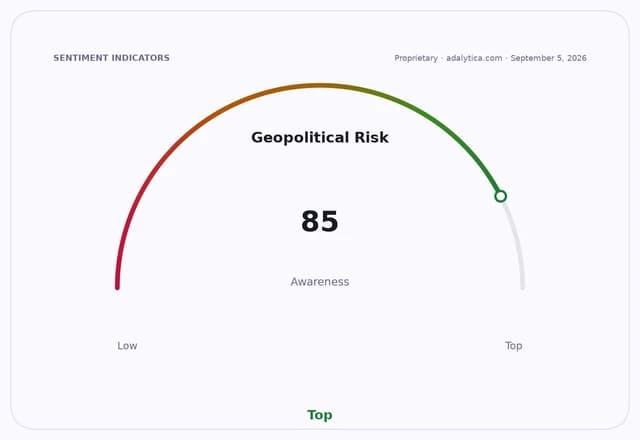
That matters because grain has become a geopolitical commodity, not just a farm product. Farmers in the region are already protesting what they call a watered-down grain import law, underscoring how domestic politics can collide with trade policy when storage is tight and global supply is under pressure. The latest push to stop Russian transit comes alongside Ukrainian efforts to expand rail exports through Moldova, a reminder that every available corridor is now strategic.
Investors should read this as another argument for staying positioned in the beneficiaries of persistent agricultural disruption rather than chasing the idea that grain markets can normalize quickly. In the equity market, the message is clear: logistics-heavy ag names, grain handlers and storage operators tend to gain when trade routes fragment, while import-dependent buyers and commodity users face higher basis risk and more volatile sourcing costs.
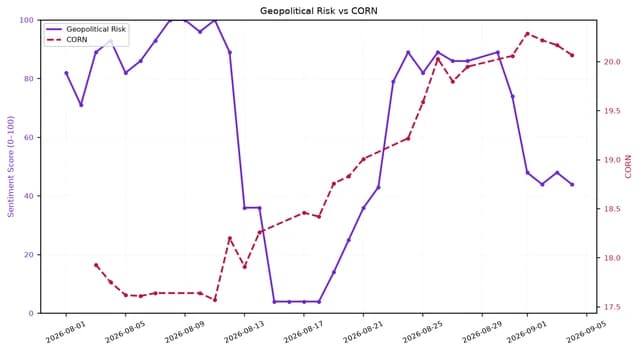
That backdrop helps explain why grain-linked funds have been strong. Corn and wheat ETFs have surged, with the corn fund recently trading around 20.07 and the wheat fund near 26.49, both well above their 50-day moving averages and still showing elevated RSI readings, a sign that the market continues to price in supply stress. DBA, the broad agriculture ETF, has also climbed to 28.85, near the upper end of its recent Bollinger Band range, reflecting broad-based strength across the farm complex.
The bigger trade is not just in grains, but in the infrastructure around them. Companies with exposure to merchandising, freight, storage and global crop origination have the most to gain if Baltic restrictions become more than rhetoric. In a world where capital is already flowing toward defense, energy and food security, the market underestimates how durable the agricultural logistics premium can be.
For investors, the play is to treat grain transit restrictions as part of a longer secular theme: deglobalization of food supply chains. If the Baltics close another door on Russian transit, the winners are the toll collectors of the agricultural system — and the losers are the buyers who still need grain to move, no matter how messy the map becomes.
| Entity | Gains | Losses |
|---|---|---|
| Grain merchants/shippers | ▲Higher routing demand | ▼More transit friction |
| Baltic governments | ▲Geopolitical leverage | ▼Trade retaliation risk |
| Import-dependent buyers | ▲None | ▼Higher sourcing costs |
| Russian grain exporters | ▲None | ▼Loss of corridor access |