Russia has imposed a 10-day curfew and sweeping movement restrictions in border districts near Estonia, a sign that Moscow is hardening security along one of NATO’s most exposed frontiers even as tensions in the region remain elevated.
Russia restricts movement near Estonia border
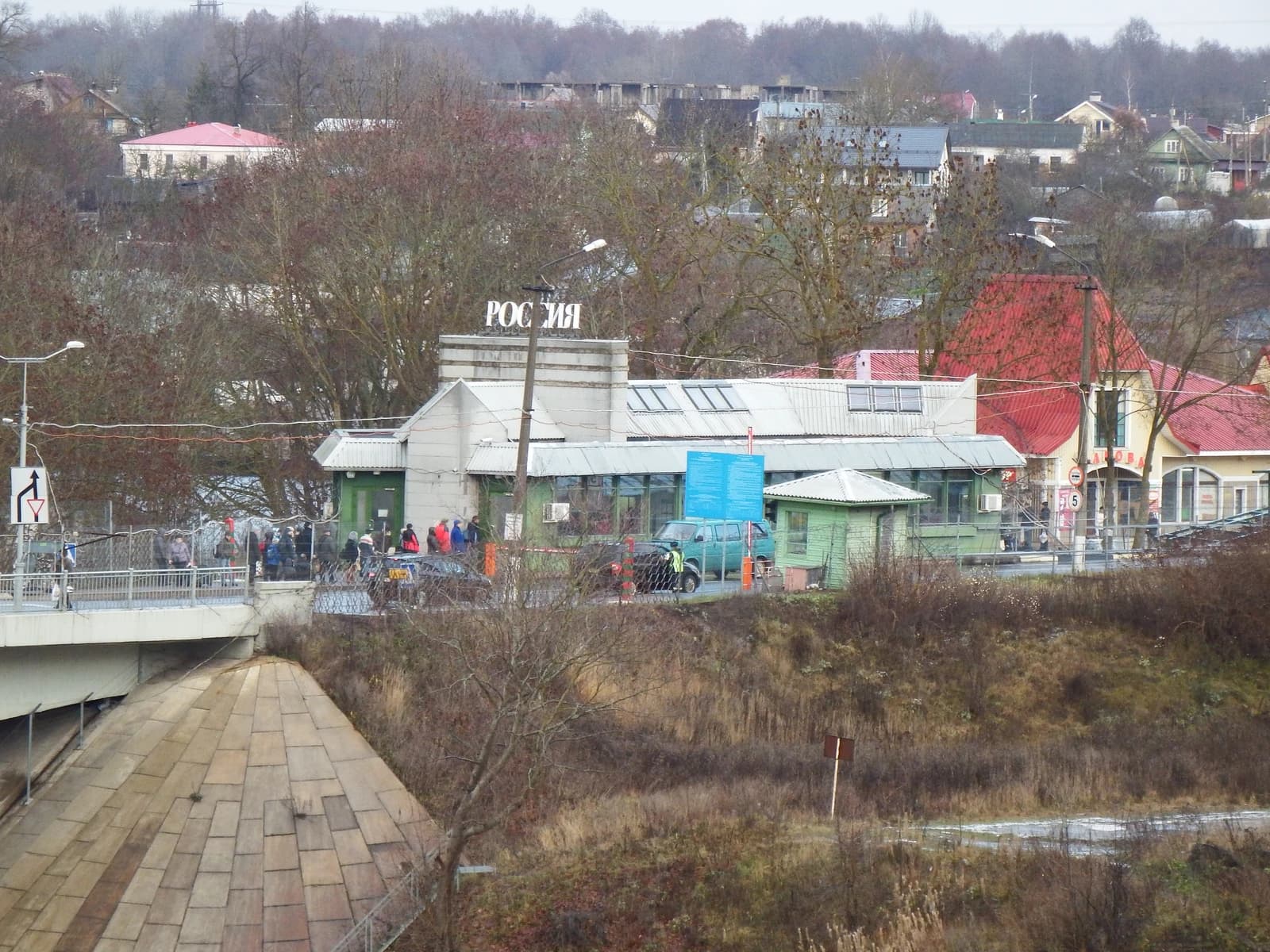
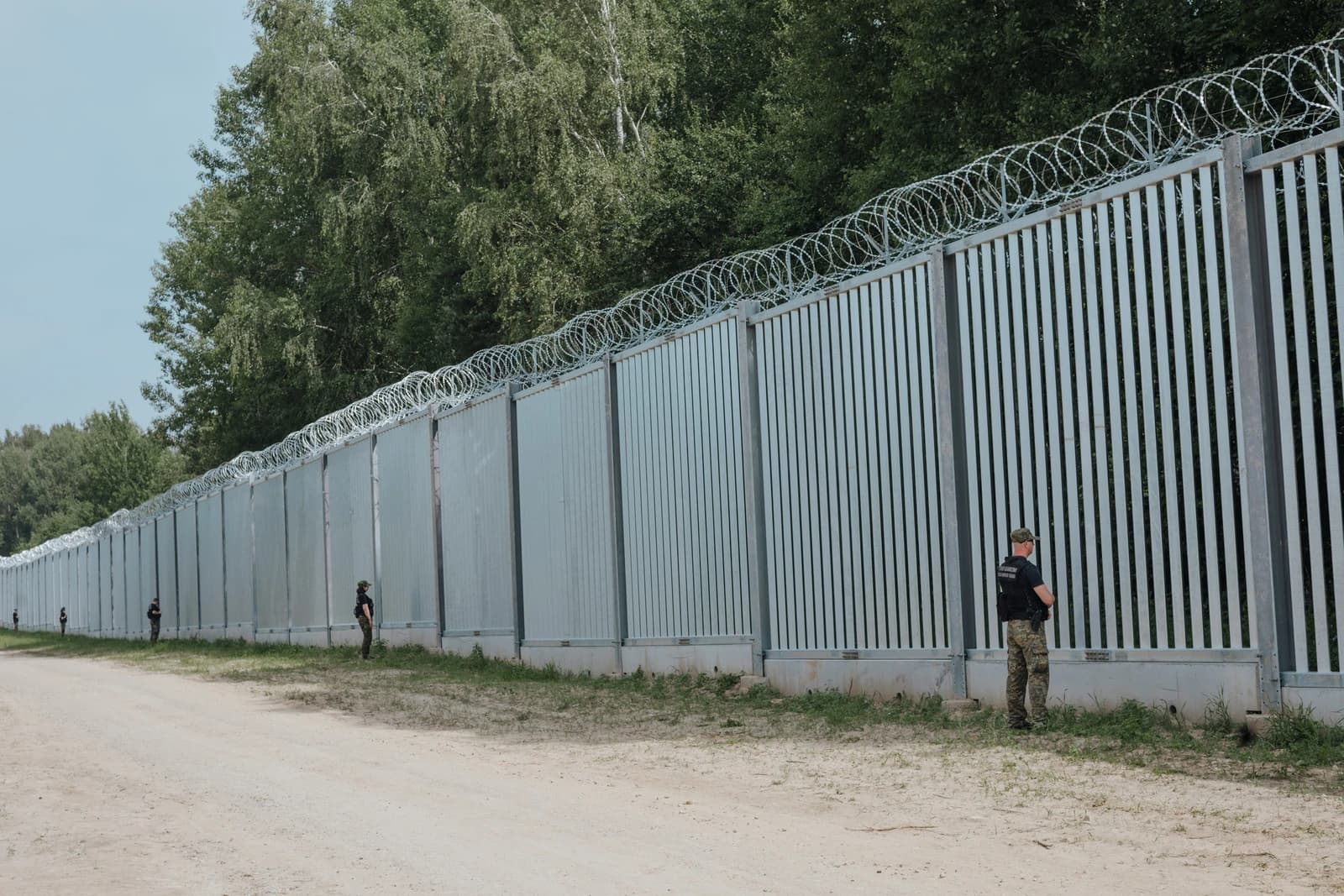
The restrictions, in effect from Sept. 16 to 26 in the Kingisepp and Slantsy districts of Russia’s Leningrad region, bar people from the riverbank along the Narva and prohibit movement on the river south of the Narva reservoir. Nighttime presence outside settlements is also banned in the zone, including by vehicle, and hunting has been suspended in the five-kilometer border strip.
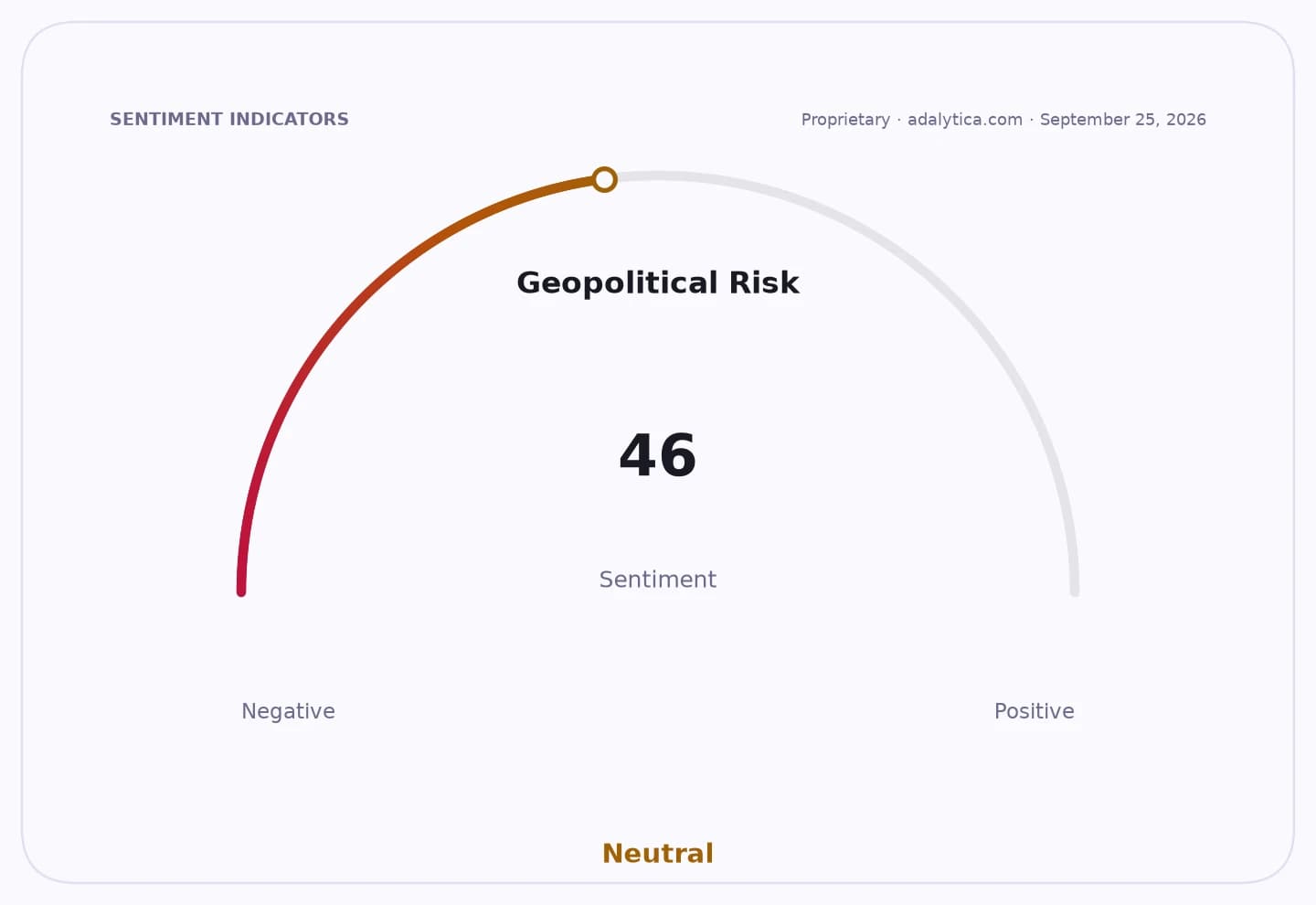
Sentiment IndicatorsⓘProprietary · adalytica.com · September 25, 2026
This is a snapshot — live sentiment, awareness and momentum for 130+ markets update continuously in the dashboard.Open AlphaPulse
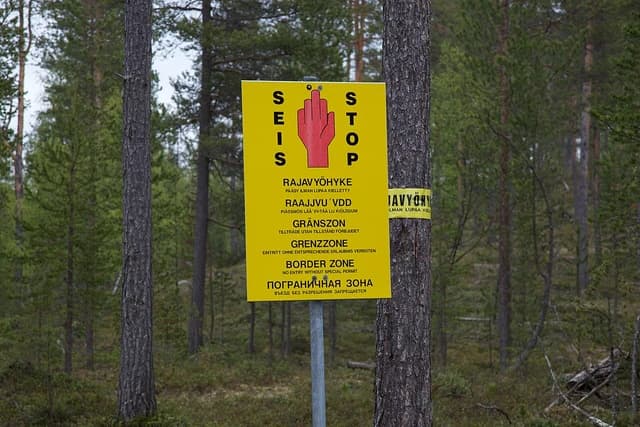
Economically, the move matters because border controls are not just a local policing measure in a region that sits on a key Russia-Estonia crossing point. They reflect a more militarized operating environment that can disrupt cross-border activity, complicate logistics and keep commercial traffic and local trade under a cloud of uncertainty. For businesses and residents on both sides of the frontier, tighter restrictions raise the friction cost of doing anything near the border, from fishing and recreation to routine movement.
For investors, the immediate read-through is not a direct earnings hit but a broader escalation risk premium for Baltic security assets and regional defense exposure. The market underestimates how quickly localized curbs can become part of a wider pattern of hardened Russian border management, particularly when they intersect with intelligence activity and NATO monitoring. That tends to support the long case for defense contractors, surveillance technology, border security systems and military logistics providers tied to Europe’s eastern flank.
Geopolitical Risk — 30-day sentimentadalytica.com
Explore this data interactively — full history, time series and cross-market comparisons.Open AlphaPulse
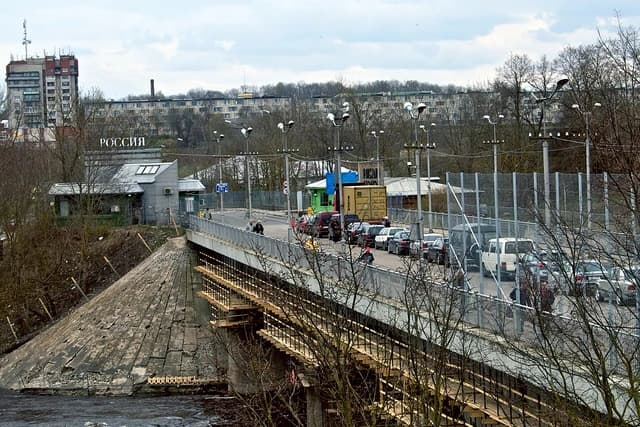
Estonia’s border police said the measures are not routine, though they are not unprecedented, and said authorities were watching the situation closely and ready to respond to incidents. That language matters because it suggests both sides are operating in a tense but managed environment, where small tactical moves can still trigger larger strategic reactions.
The bigger narrative is one of Russia steadily converting its frontier with NATO into a controlled security zone. Even if the restrictions are temporary, they reinforce a market theme investors should watch closely: Europe’s eastern border is becoming a structural capex and defense spending story, not a temporary geopolitical headline. I believe the best opportunity remains in the picks-and-shovels of the new security cycle, where border hardening and military modernization can support demand long after this curfew expires.
| Entity | Gains | Losses |
|---|---|---|
| Russia security agencies | ▲Tighter control | ▼Local mobility |
| Estonia border authorities | ▲Higher vigilance | ▼Cross-border calm |
| Defense contractors | ▲More spending demand | ▼— |
| Local residents and travelers | ▲— | ▼Access and freedom of movement |