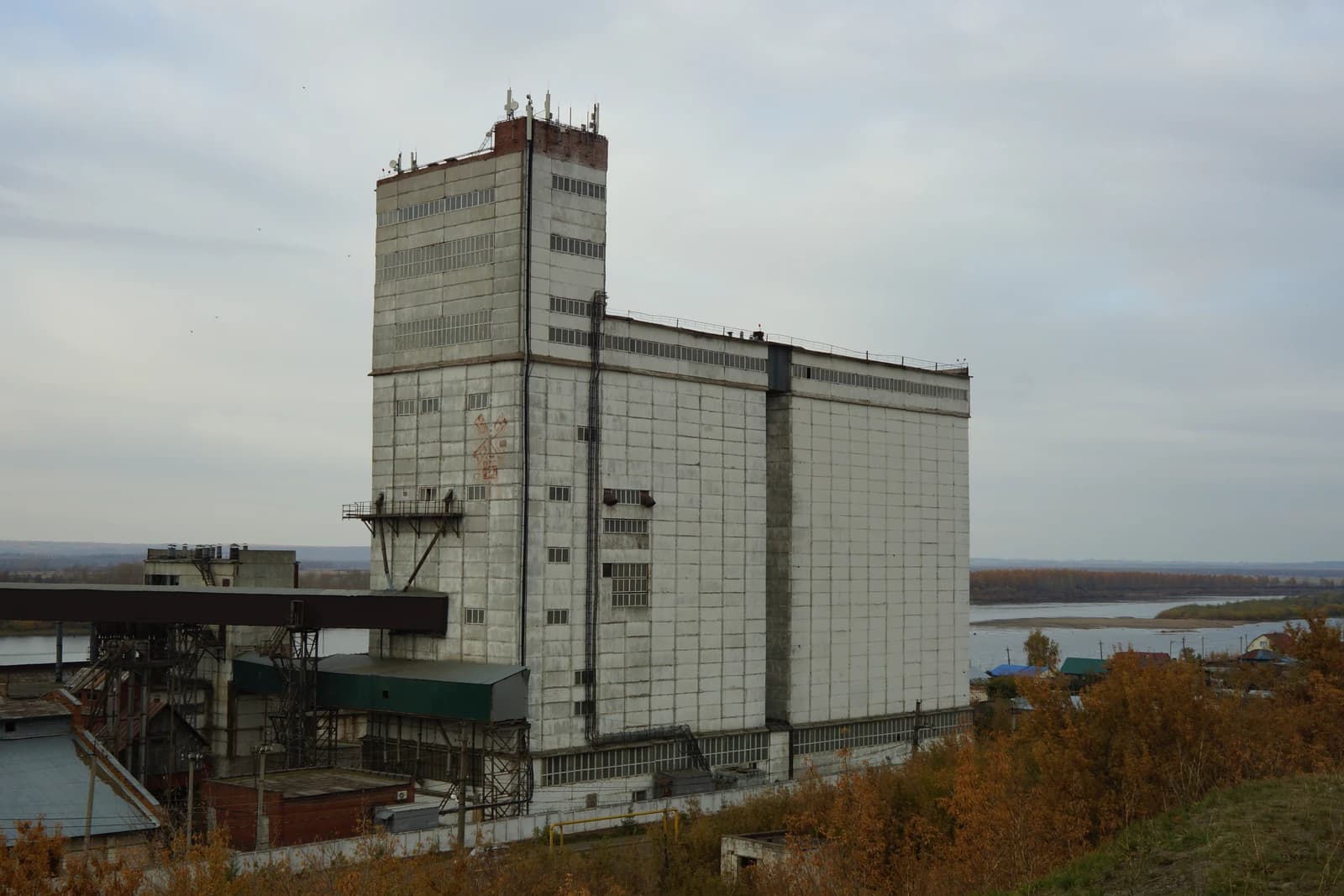
Ukraine’s president linked the Black Sea’s fragile trade lanes directly to Russia’s 2014 seizure of Crimea, arguing that grain, fuel and fertilizers would be moving normally by sea if Moscow had not turned the peninsula into a military base.
Ukraine links Black Sea shipping to Crimea seizure
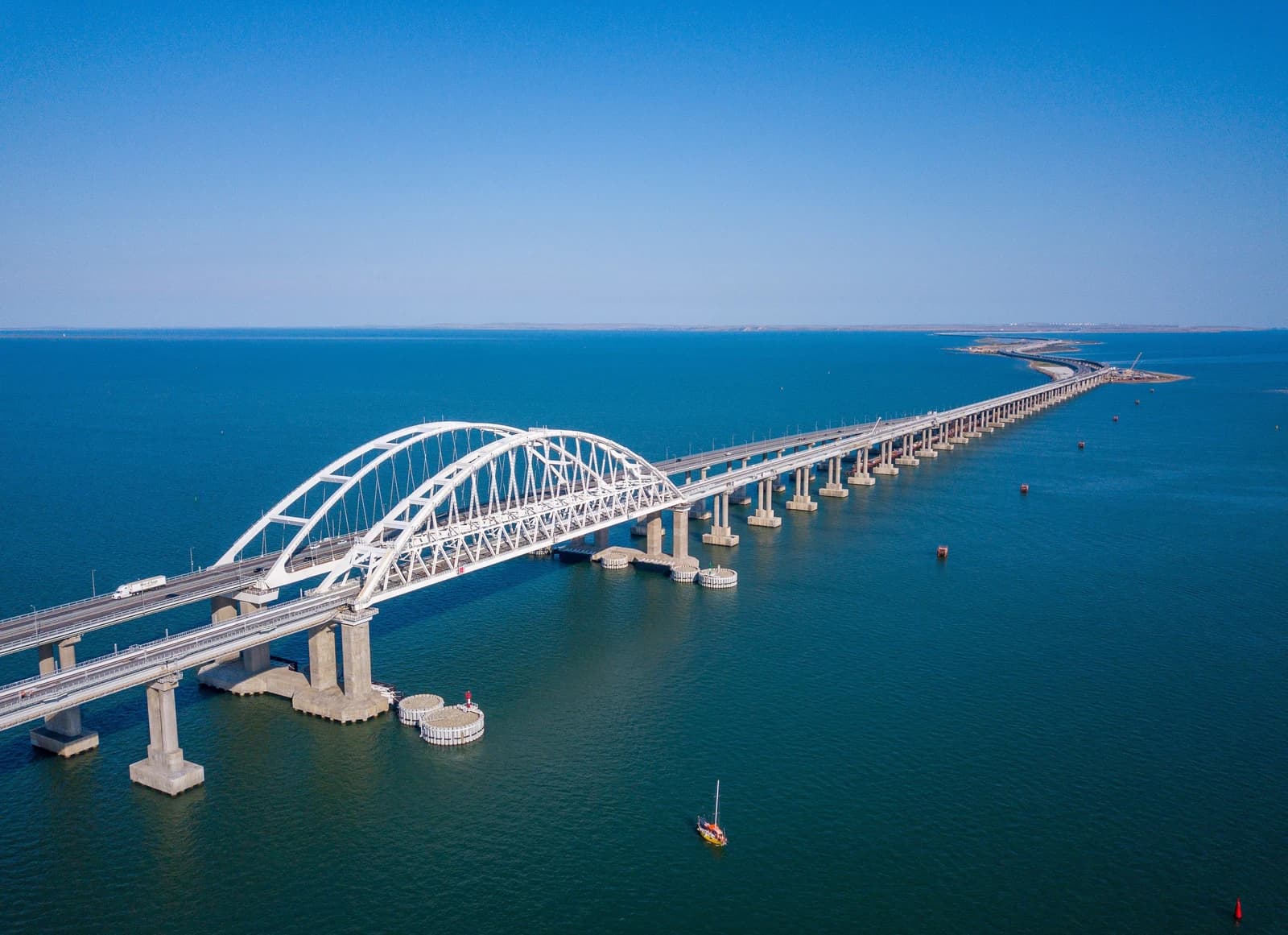
Volodymyr Zelensky’s remarks at the sixth Crimea Platform summit matter because they frame the shipping crisis not as a temporary wartime bottleneck, but as a structural consequence of Russia’s control of the northern Black Sea. That keeps the issue squarely in the center of food security, shipping costs and geopolitical risk for import-dependent economies across the Middle East, Africa and Asia.
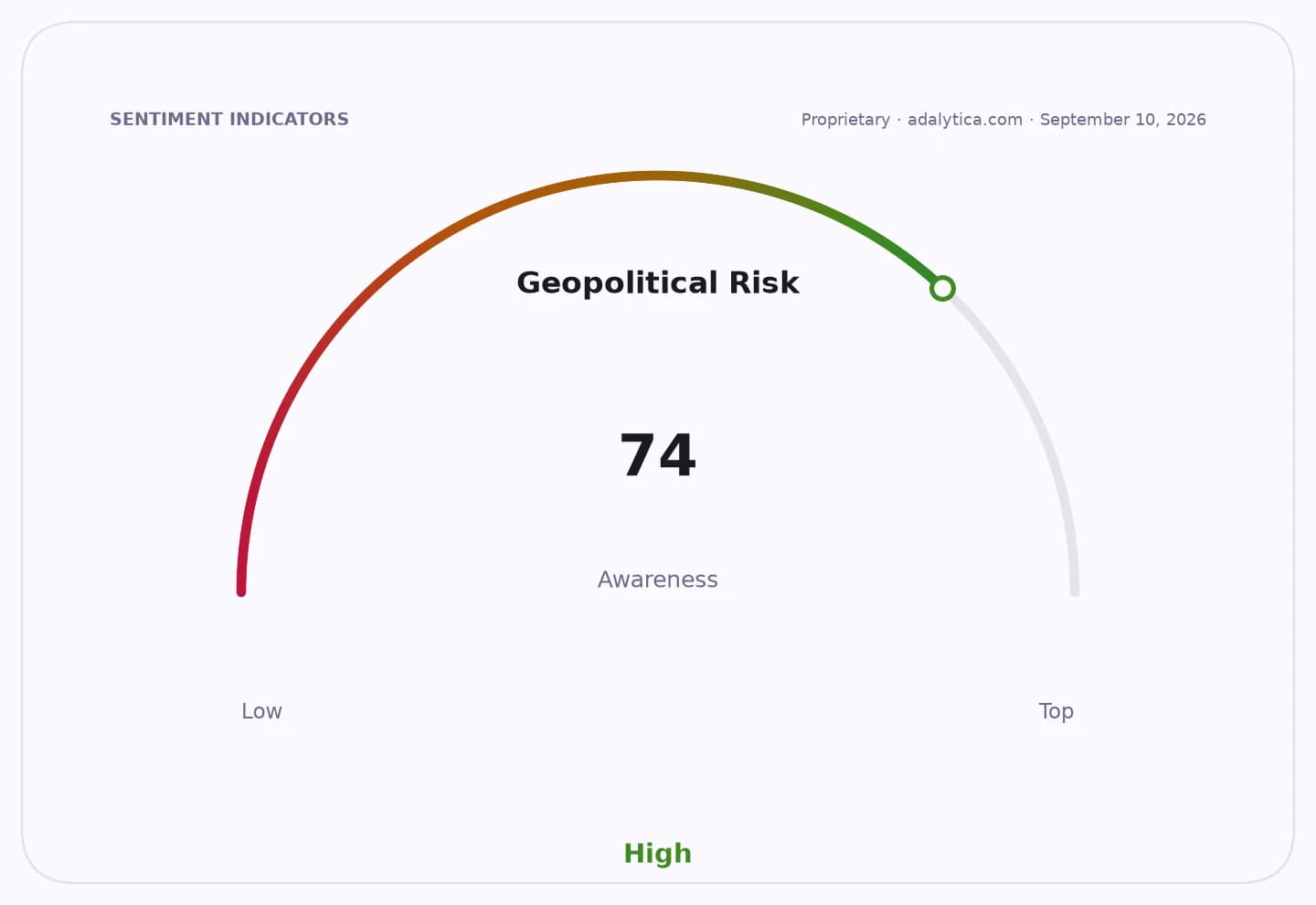
Sentiment IndicatorsⓘProprietary · adalytica.com · September 28, 2026
This is a snapshot — live sentiment, awareness and momentum for 130+ markets update continuously in the dashboard.Open AlphaPulse
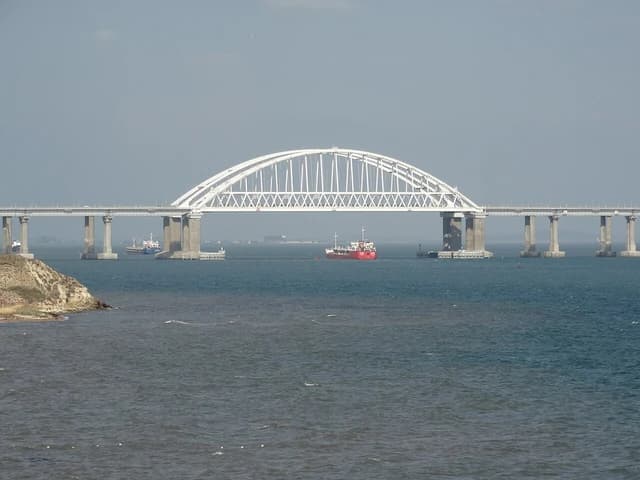
Zelensky said Russia should be held accountable for the occupation of Crimea and the crimes committed there, while stressing that several partners are working on ways to protect food security and safe navigation in the Black Sea. He said Egypt, India and Turkey have already put forward proposals on paper and that Kyiv is waiting for Moscow’s response.
The stakes extend beyond Ukraine’s own exports. Before Russia’s full-scale invasion, the Black Sea was a critical corridor for Ukrainian grain, fertilizer and energy products. Any sustained disruption tightens global supply, raises freight and insurance costs, and complicates pricing for commodities already sensitive to weather, war and export controls. For importers, even limited reopening or de-escalation can ease food inflation pressure; for exporters and shipowners, the reverse can quickly add volatility.
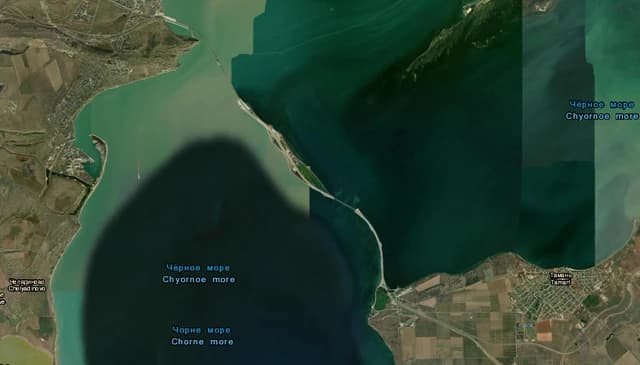
The broader security backdrop remains unfavorable. Maritime threats in the Black Sea have nearly halted some civilian shipping, while parallel efforts in the Red Sea show how stretched global naval resources have become. The European Union has already signaled that maritime protection missions need more ships to secure trade lanes, underscoring that shipping risk is now a recurring feature of geopolitical conflict rather than an isolated regional problem.
For investors, the message is twofold. Any credible diplomatic or security arrangement that reduces risk in the Black Sea could support grain shippers, commodity traders and emerging-market importers by lowering logistics costs and easing food inflation. But if negotiations stall, the premium on Black Sea trade routes is likely to persist, favoring alternative suppliers while keeping pressure on Ukraine’s export capacity and on global food markets.
The Crimea Platform summit, which Kyiv said drew more than 60 participants including 16 leaders, serves as a reminder that the Black Sea dispute remains embedded in wider diplomacy. Until Russia shows willingness to de-escalate, the region’s shipping lanes are likely to stay hostage to military risk.
| Entity | Gains | Losses |
|---|---|---|
| Ukraine | ▲Diplomatic support | ▼Export certainty |
| Black Sea importers | ▲Lower food costs if routes reopen | ▼Supply disruption |
| Global shippers | ▲New route stability if de-escalation holds | ▼Higher freight and insurance costs |
| Russia | ▲Leverage over maritime routes | ▼Accountability pressure |