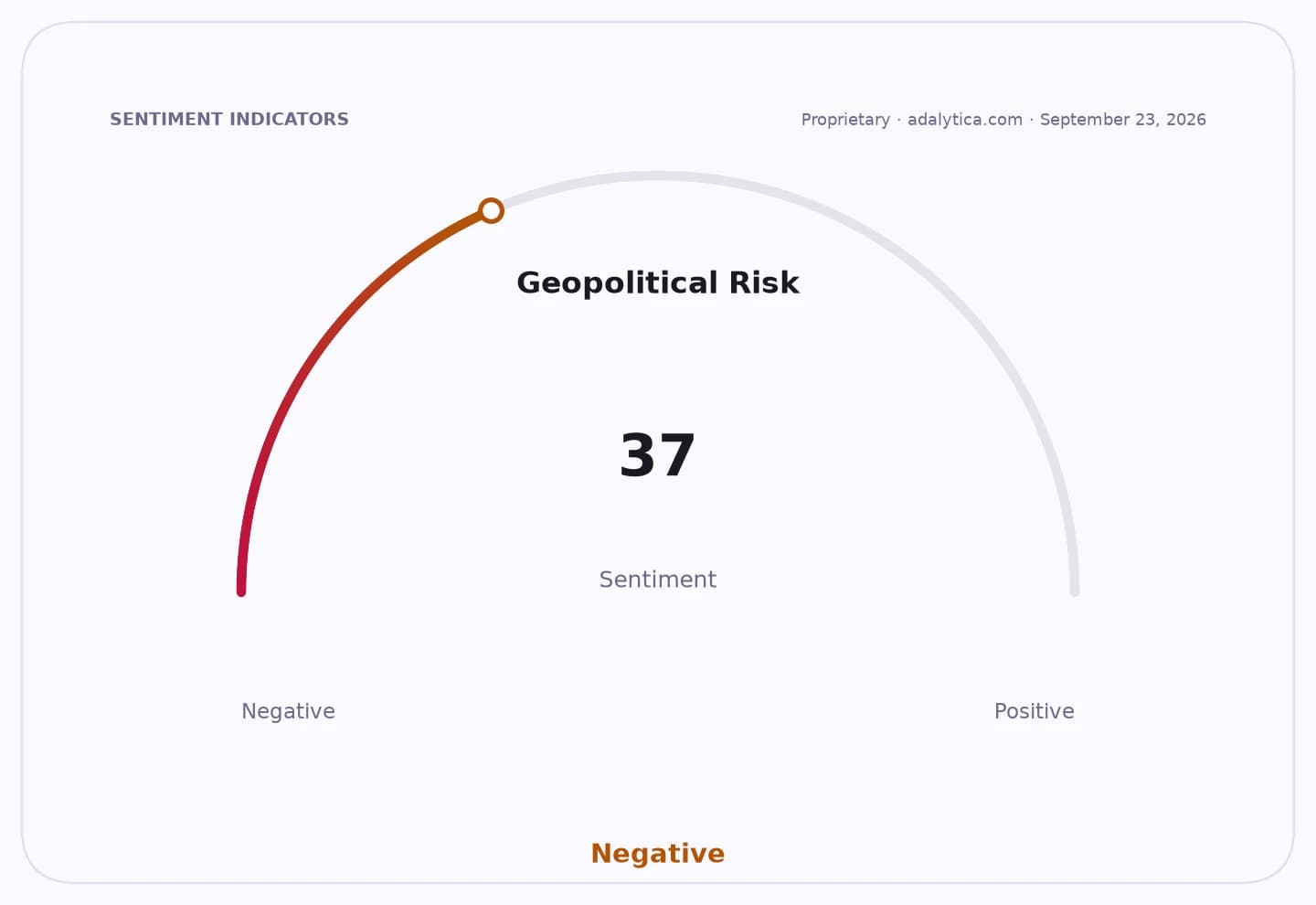
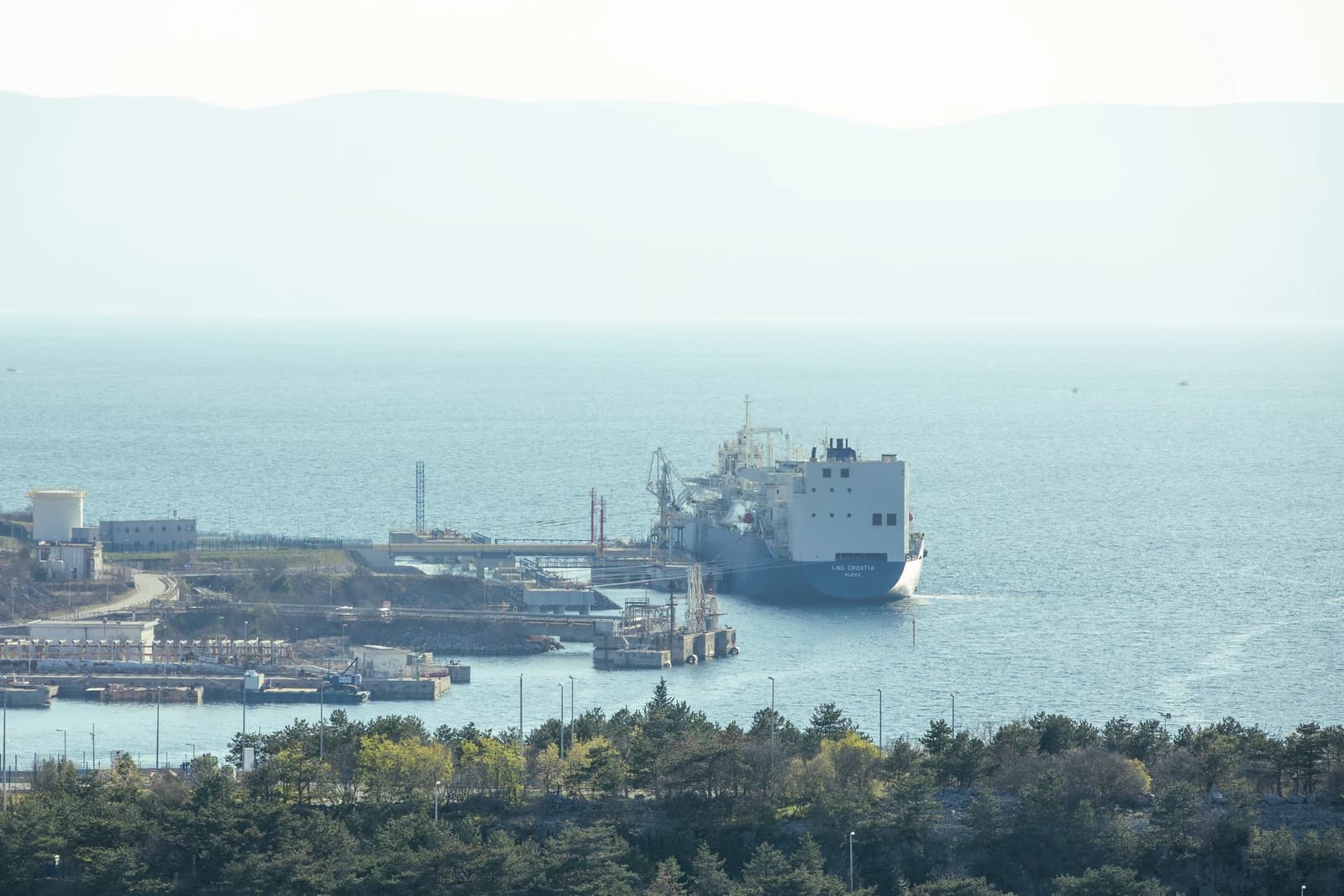
Global shipping is moving into a fragmented era, and investors are starting to price the cost of that breakup.
Shipping Fragmentation Raises Freight and Infra Demand
That is the message from maritime authorities warning that geopolitics is creating “parallel systems” in world shipping, with sanctions, conflict and discriminatory trade measures forcing cargoes onto riskier, costlier and less transparent routes. For an economy that moves more than 80% of global trade by sea, the implication is blunt: the higher the fragmentation, the higher the freight bill, insurance cost and inflation risk for everyone from energy buyers to industrial importers.
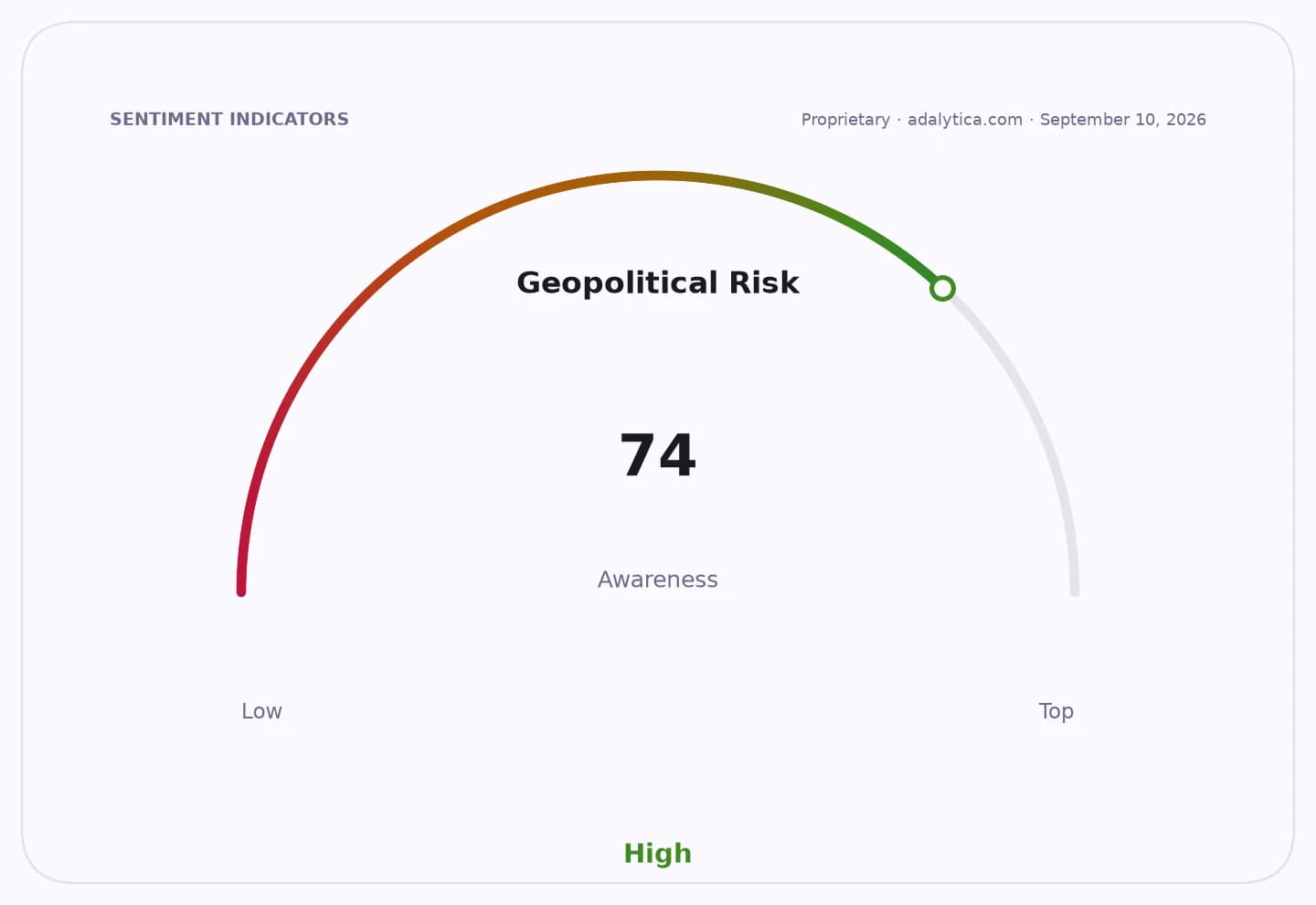
Sentiment IndicatorsⓘProprietary · adalytica.com · September 10, 2026
This is a snapshot — live sentiment, awareness and momentum for 130+ markets update continuously in the dashboard.Open AlphaPulse
The biggest near-term pressure point is the Middle East, where conflict has disrupted traffic through the Strait of Hormuz, one of the world’s most important chokepoints for oil and bulk cargoes such as fertilizer. That matters far beyond shipping equities. Any persistent constraint on Hormuz tightens supply chains, lifts commodity volatility and feeds through to input costs for manufacturers, farmers and consumers. It also reinforces the case for countries and companies to pay up for route flexibility, supply diversification and port infrastructure.
This is why the market opportunity is not in “old economy” shipping as a whole, but in the toll roads of global trade: ports, terminals, logistics infrastructure, specialized operators and energy transport. Vietnam’s planned Can Gio super port, valued at nearly $5 billion, fits that logic. A facility able to handle the world’s largest container ships and three times the capacity of the country’s biggest existing port would deepen the shift toward regional transshipment hubs as firms redesign supply chains away from single-point vulnerabilities. In a world of more rerouting, the winners are the assets that sit at the crossroads.
Geopolitical Risk vs GSLadalytica.com
Explore this data interactively — full history, time series and cross-market comparisons.Open AlphaPulse
At the same time, the spread of the so-called shadow fleet is creating a second, less visible market structure. Hundreds of vessels operating outside standard insurance, safety and transparency frameworks are a symptom of sanctions evasion, but they are also evidence that trade is being split into cleaner and dirtier lanes. That raises risk for mainstream shipowners and insurers while supporting higher rates and tighter compliance demand across the regulated side of the market. It also increases the odds of accidents, environmental damage and enforcement actions that can jolt freight flows without warning.
Investors should view this as a structural, multi-year reallocation of capital, not a temporary shipping disruption. The old assumption that globalization automatically lowers transaction costs is breaking down. Fragmented rules, conflict-driven detours and uneven enforcement mean more idle capital tied up in inventories, more money spent on resilience and more demand for infrastructure that reduces bottlenecks. That is bullish for port developers, terminal operators, maritime security providers and select tanker and container names with pricing power, while it is bearish for import-heavy businesses that cannot pass costs through.
The clearest takeaway is that the shipping system itself is becoming a strategic asset class. In the next phase of global trade, control over routes, ports and compliance will matter as much as fleet size. The market underestimates how much this re-pricing of maritime risk can favor the companies that enable trade, not just the ships that carry it.
| Entity | Gains | Losses |
|---|---|---|
| Port developers / terminals | ▲Higher investment demand | ▼N/A |
| Regulated shipowners | ▲Tightened pricing power | ▼Higher compliance burden |
| Insurers / security firms | ▲More demand for coverage | ▼Greater claims risk |
| Importers / consumers | ▲N/A | ▼Higher freight and input costs |