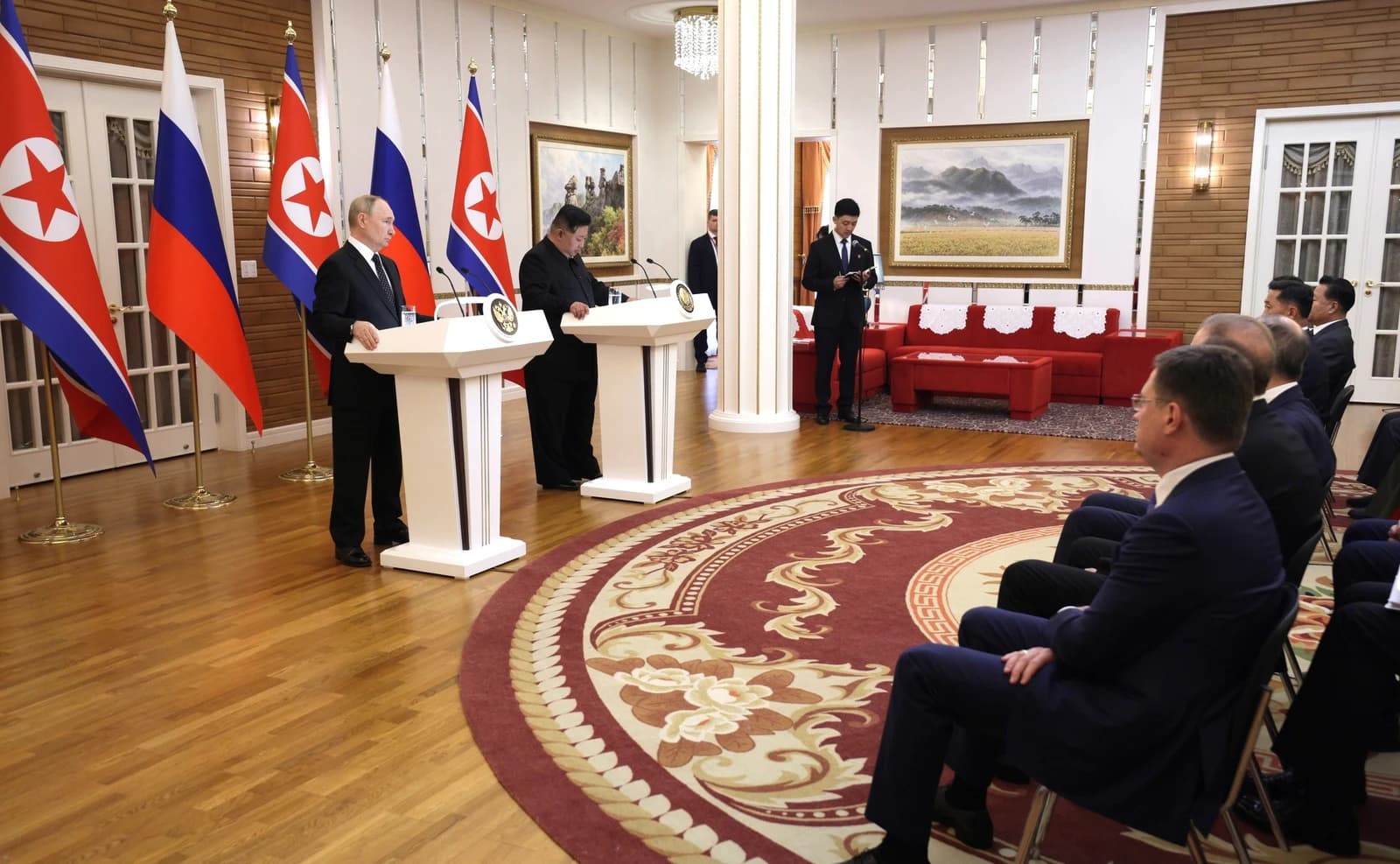
Russia’s warning that it could strike British military targets marks a sharp escalation in the Ukraine war’s spillover risk, raising the odds of a broader confrontation that markets have largely treated as manageable.
Russia Warning Raises UK Geopolitical Risk
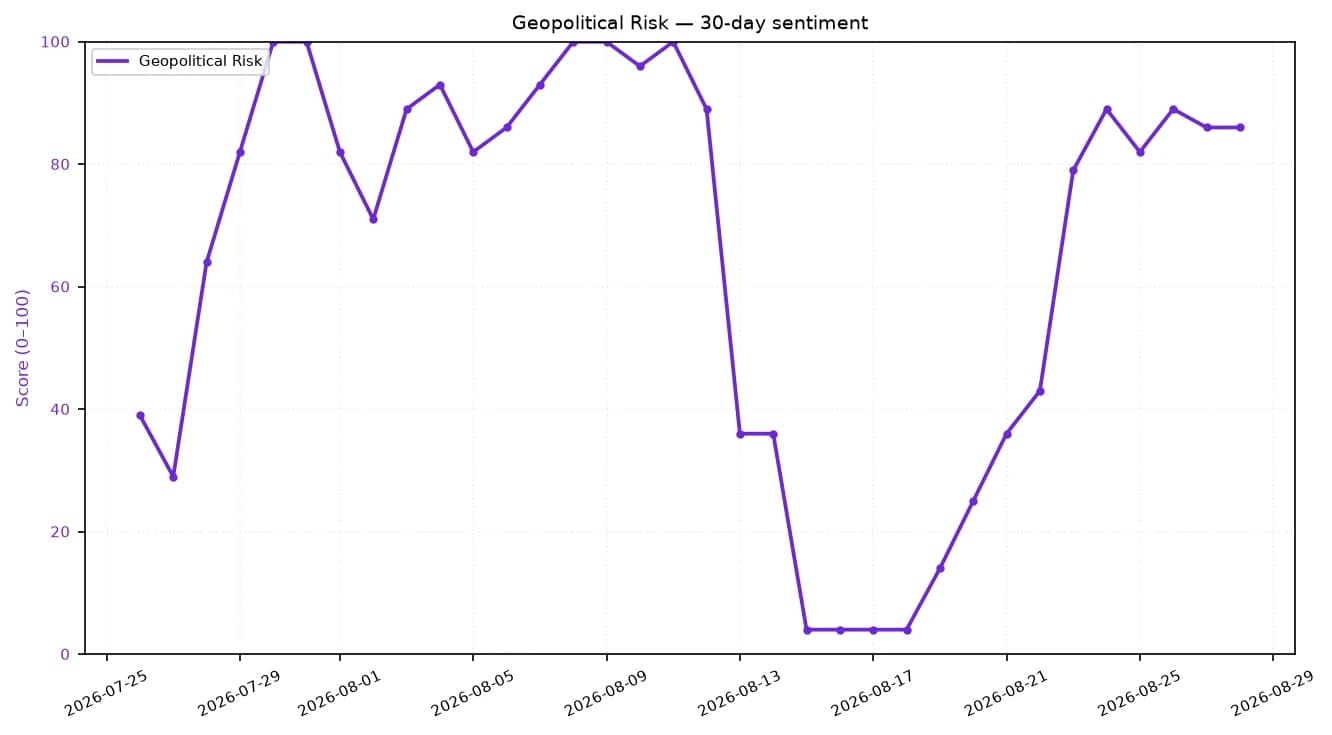
The immediate economic impact is not about London or Moscow’s rhetoric alone. It is about the likelihood that the West responds with more air defenses, more missiles and more military spending at a time when defense demand is already structurally elevated. That keeps the war economy expanding, pressures European budgets and reinforces the case for defense contractors, weapons suppliers and cybersecurity firms that sit inside the rearmament cycle.
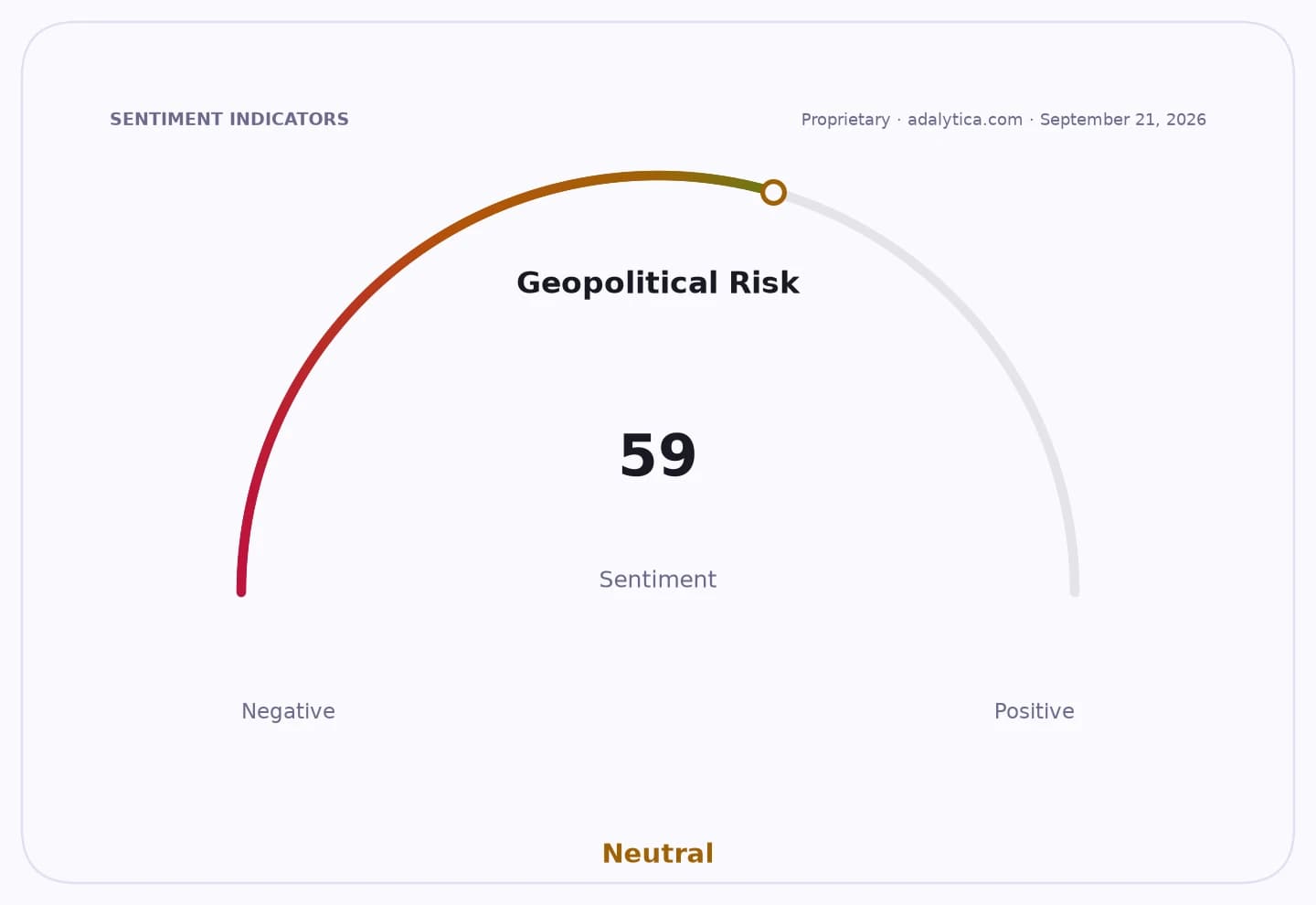
Sentiment IndicatorsⓘProprietary · adalytica.com · August 30, 2026
This is a snapshot — live sentiment, awareness and momentum for 130+ markets update continuously in the dashboard.Open AlphaPulse
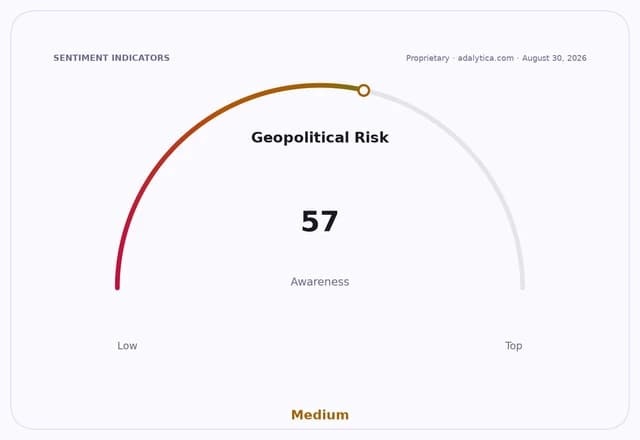
Britain’s continued support for Kyiv, including missile and drone deliveries, shows this is no longer just a proxy conflict on Ukraine’s border. Moscow is explicitly trying to deter Western capitals from deepening their involvement, and naming the UK makes the escalation more personal and more politically combustible. For investors, that matters because every step up in direct threat raises the probability of fresh sanctions, faster procurement decisions and longer-duration defense procurement across Europe.
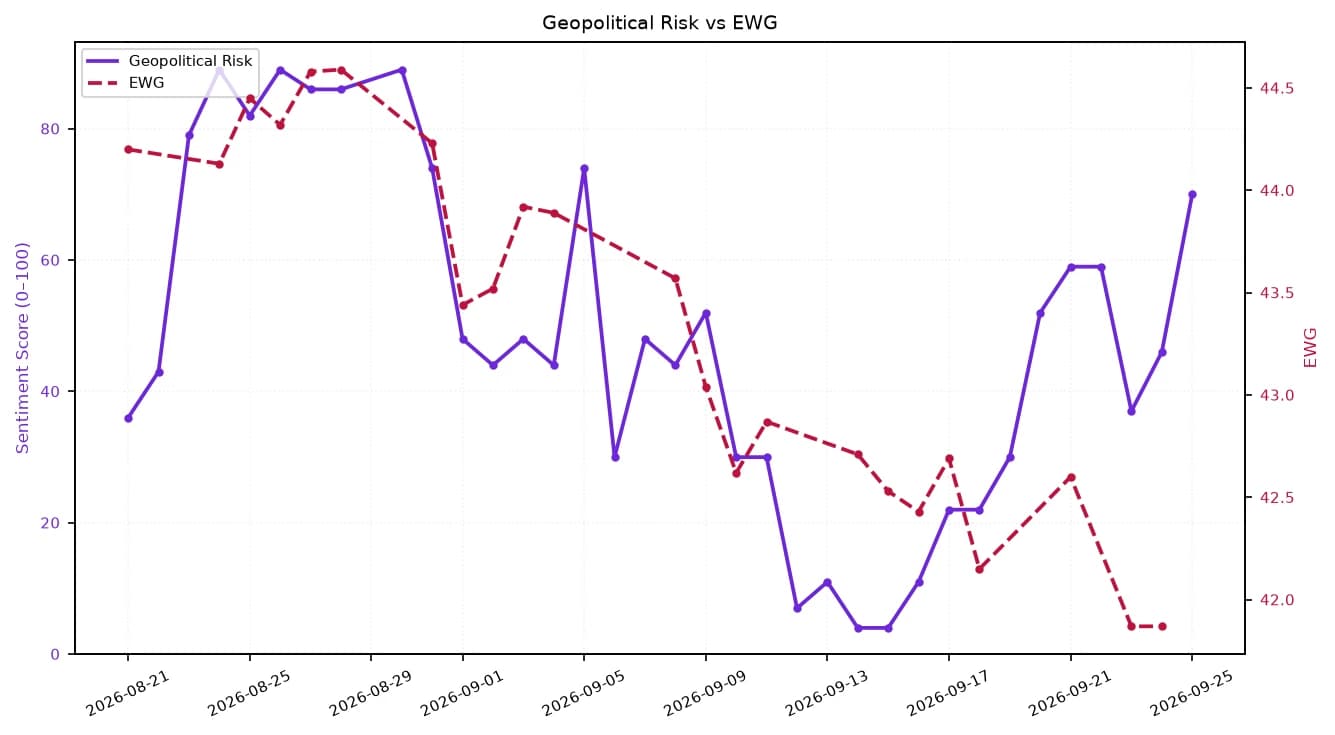
The market backdrop suggests investors are already positioning for more geopolitical stress. Gold has moved sharply higher in recent months, though short-term technical readings on the metal have cooled after a powerful rally, while the broad global-stability gauge from Adalytica sits at an extreme-greed reading, a sign complacency may still be elevated even as the risk premium rises. That combination is classic late-cycle behavior: assets can stay calm until a single headline forces faster repricing.
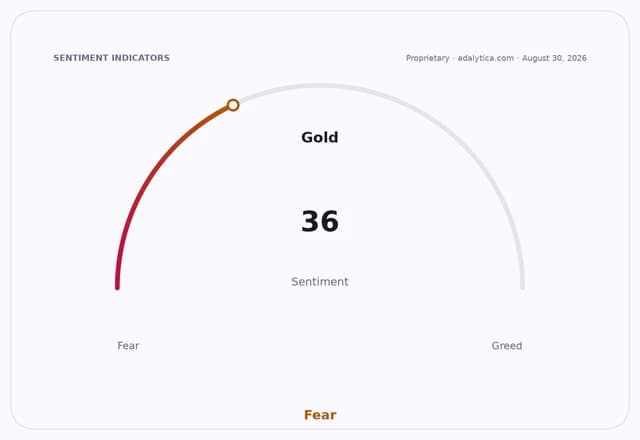
US Treasury yields near the mid-4% range also show that markets have not fully broken into panic mode. But if this confrontation widens, the second-order effects would be clear: stronger demand for hard assets, more pressure on European growth from higher defense outlays, and a bigger tailwind for companies exposed to missiles, air defense, drones, secure communications and battlefield software. The winners are the firms that sell urgency; the losers are importers, rate-sensitive equities and any European assets still priced as if the security shock is temporary.
Our thesis is straightforward: the market underestimates how often geopolitical escalation becomes a capex story. When governments fear exposure, they buy equipment faster, spend more and borrow longer. That is bullish for the defense supply chain and for select commodity and industrial names tied to weapons production, and it argues for staying overweight defense and gold while remaining cautious on Europe’s cyclical growth trade.
The next catalyst is whether Britain and its allies harden support for Ukraine further in response to Moscow’s warning. If they do, investors should expect another leg higher in defense spending expectations, more volatility in European risk assets and continued support for the stocks that profit from a world moving deeper into permanent security competition.
| Entity | Gains | Losses |
|---|---|---|
| Defense contractors | ▲More orders | ▼Budget scrutiny |
| Gold | ▲Safe-haven bids | ▼Complacent holders |
| UK and allies | ▲Deterrence leverage | ▼Escalation risk |
| Europe’s cyclical assets | ▲— | ▼Higher risk premium |