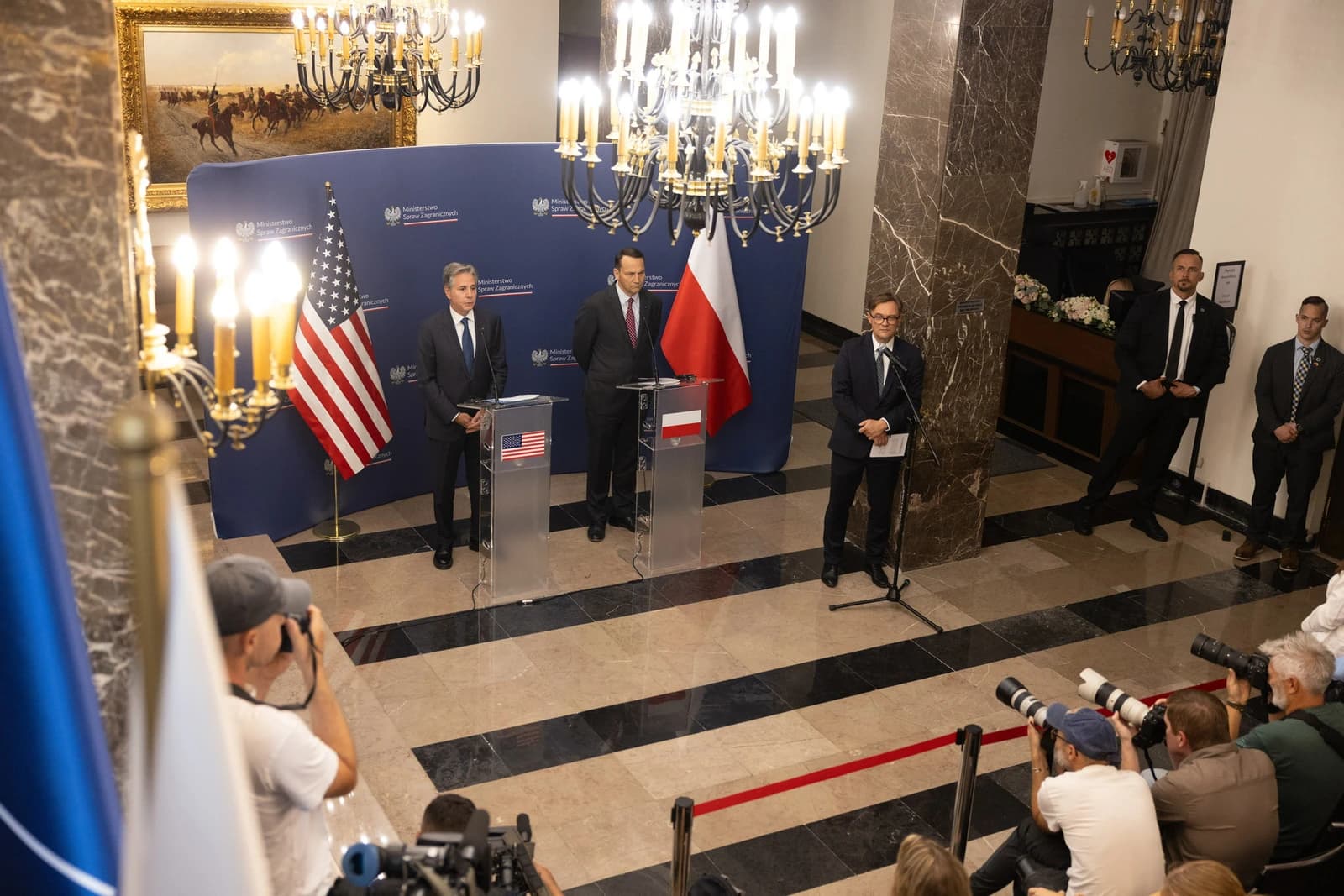
Russia is not preparing for war with Europe, Vladimir Putin said, even as drone and missile attacks on Ukraine continued to kill civilians and European governments hardened support for Kyiv amid growing fears that the conflict could spill beyond Ukraine’s borders.
Russia, Ukraine, and Europe face wider war risks
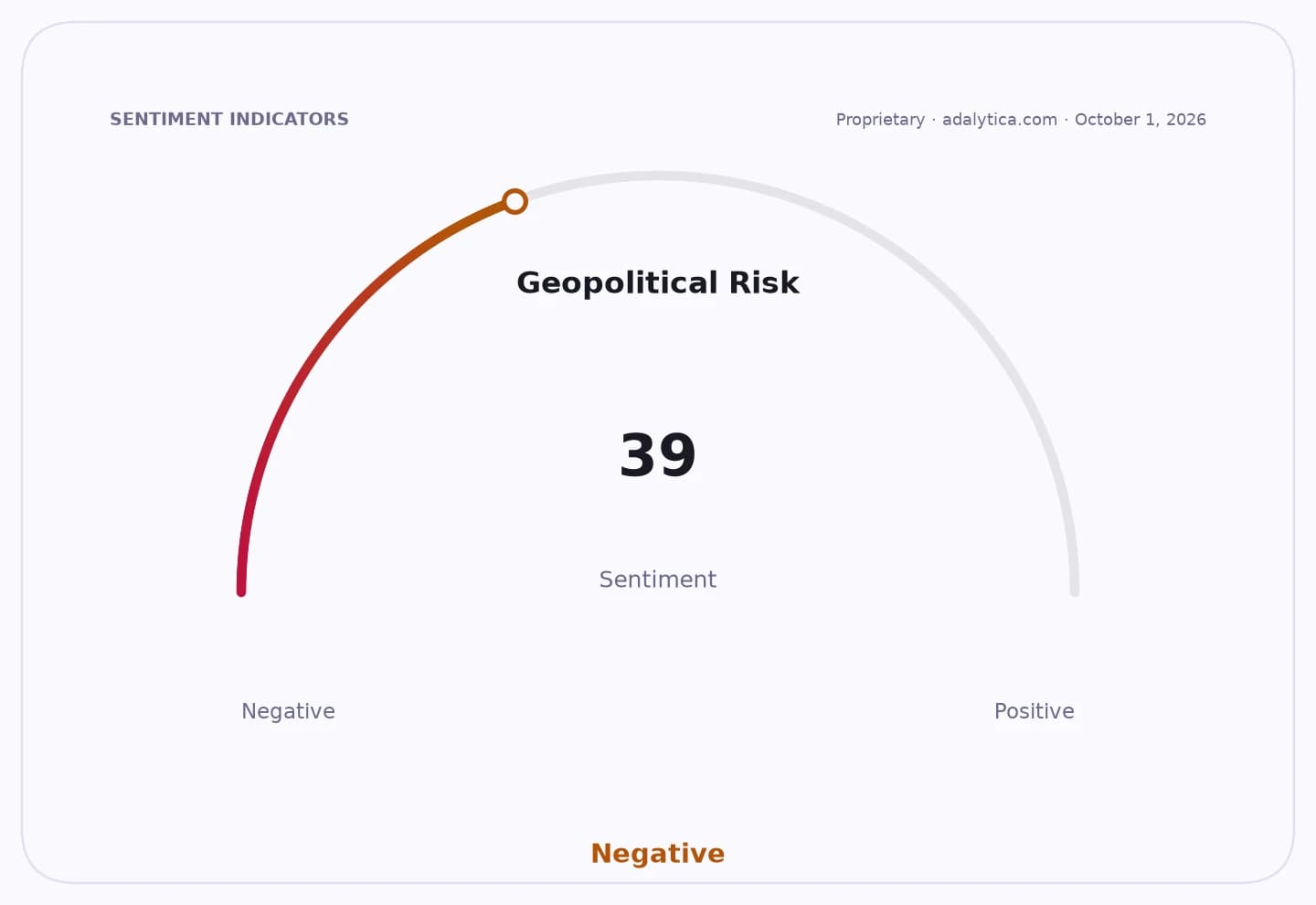
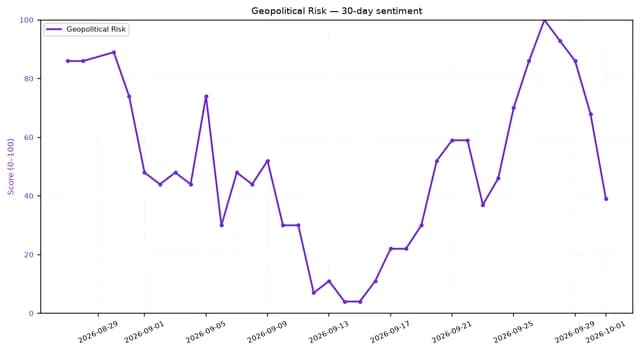
The Russian president’s reassurance comes at a moment when the war’s economic and security costs are spreading across the continent. Markets have already priced in a long conflict that keeps defense spending elevated, sustains sanctions risk and raises the odds of fresh disruption to energy, trade and logistics if Moscow’s confrontation with the West deepens.
Putin made the comments at a press briefing on the sidelines of a cultural forum in Saint Petersburg, saying Russia was not preparing “for fights of any sort with Europe.” The message was aimed squarely at European leaders who have warned of possible Russian sabotage, drone activity and hybrid operations after a string of incidents that have rattled NATO’s eastern flank.
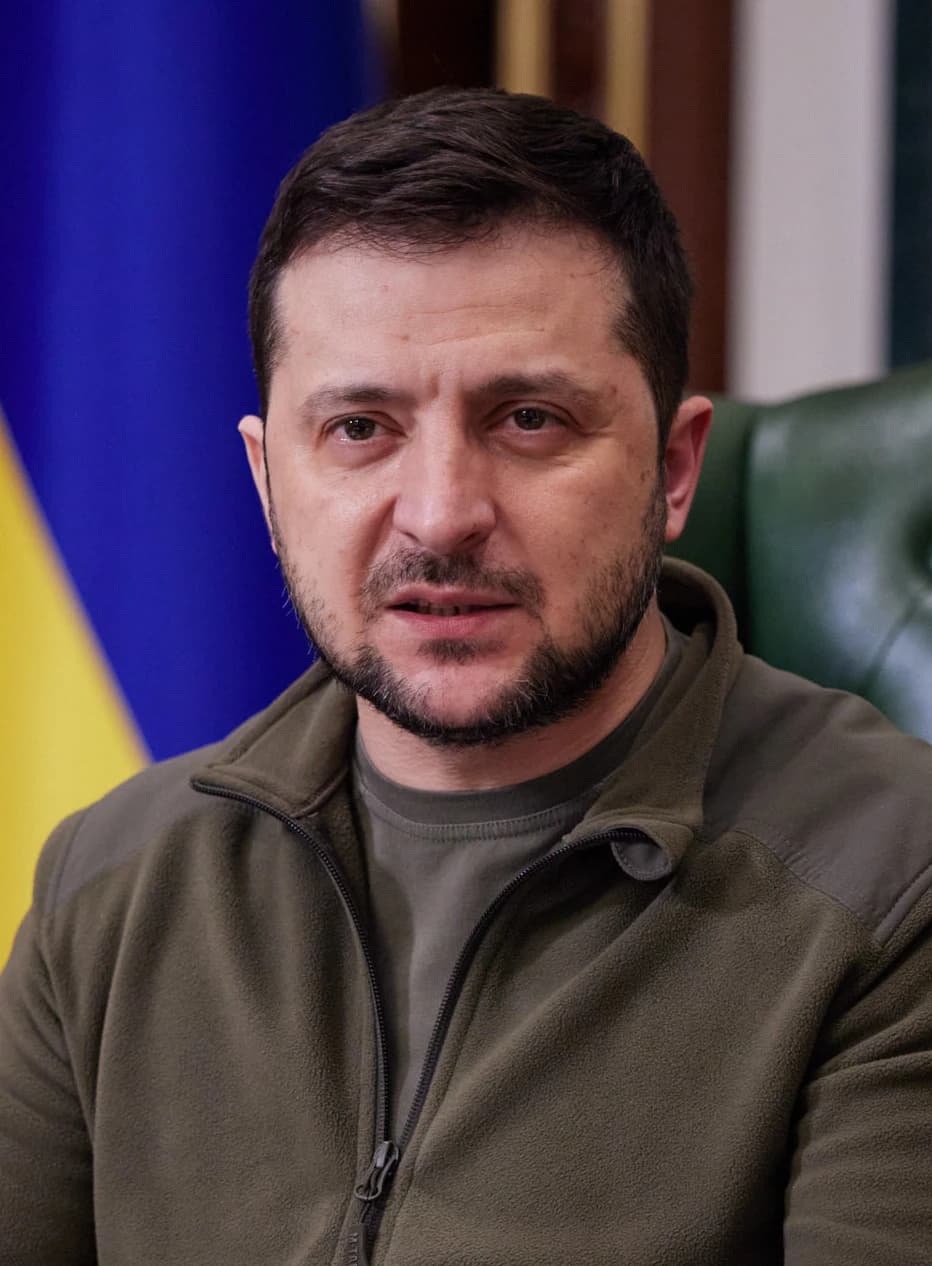
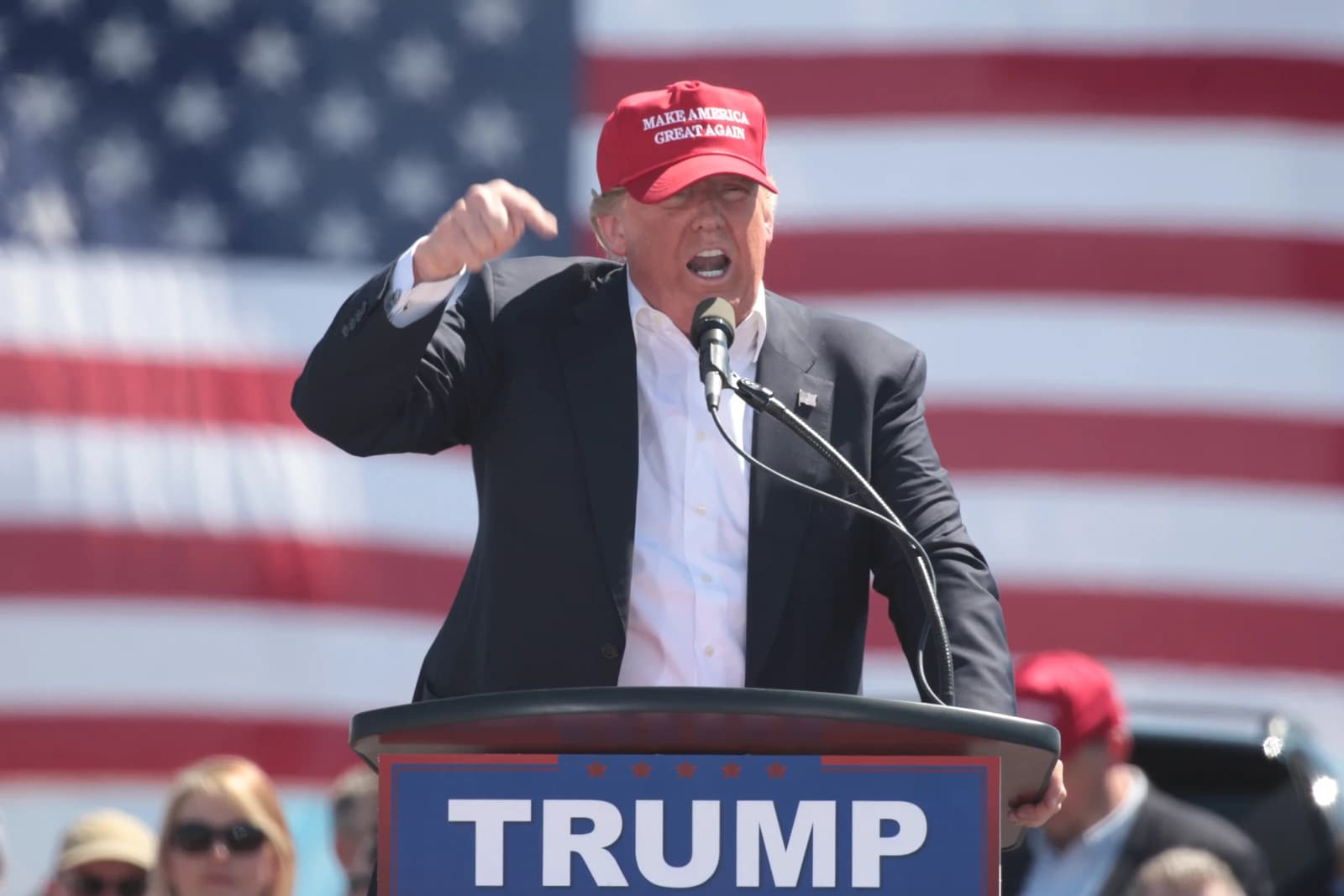
Those concerns were reinforced by fresh battlefield and security developments on Friday. Russian drone strikes killed civilians in Kyiv, while Ukrainian President Volodymyr Zelensky said Donald Trump had made a “final decision” to give Ukraine licenses to produce Patriot missile systems, a move that would strengthen Kyiv’s air defenses and potentially support related industrial activity.
Europe is also stepping up financial and military backing for Ukraine. The European Union agreed on 6.6 billion euros in financing tied to support already provided to Kyiv, including 4.7 billion euros to reimburse member states and additional funds for training and joint weapons projects. That matters for investors because it signals another layer of long-duration fiscal outlays for the bloc and reinforces demand for European defense contractors, logistics providers and parts of the industrial base tied to rearmament.
At the same time, the conflict is increasingly hitting corporate assets. ArcelorMittal said it can no longer operate its Kryvyi Rih steel plant safely after repeated Russian strikes, underscoring the direct damage war risk can inflict on production, labor and capital spending in Ukraine. For investors, the plant shutdown highlights the fragility of industrial assets in the region and the likelihood that war-related supply constraints will continue to distort steel, freight and reconstruction markets.
The geopolitical backdrop is also worsening beyond Ukraine. Danish military intelligence said the risk of limited Russian attacks on NATO neighbors is low but rising, while Poland has described an incident at a Starlink station as sabotage. Those warnings keep European risk premiums elevated and support the case for continued defense outlays, even if Putin is trying to project restraint toward the wider continent.
For markets, the key question is less whether Russia is preparing to invade Europe than whether the war stays confined enough to avoid a broader regional shock. Any sign that tensions are easing could pressure defense names and reduce safe-haven demand, but for now investors are likely to treat Putin’s comments as diplomatic signaling rather than a durable de-escalation.
| Entity | Gains | Losses |
|---|---|---|
| European defense contractors | ▲Higher military budgets | ▼Peace dividend hopes |
| Ukraine | ▲More air-defense support | ▼Civilian infrastructure |
| Russian government | ▲Diplomatic flexibility | ▼Credibility on escalation |
| ArcelorMittal and industrial operators in Ukraine | ▲Future reconstruction prospects | ▼Plant safety and output |