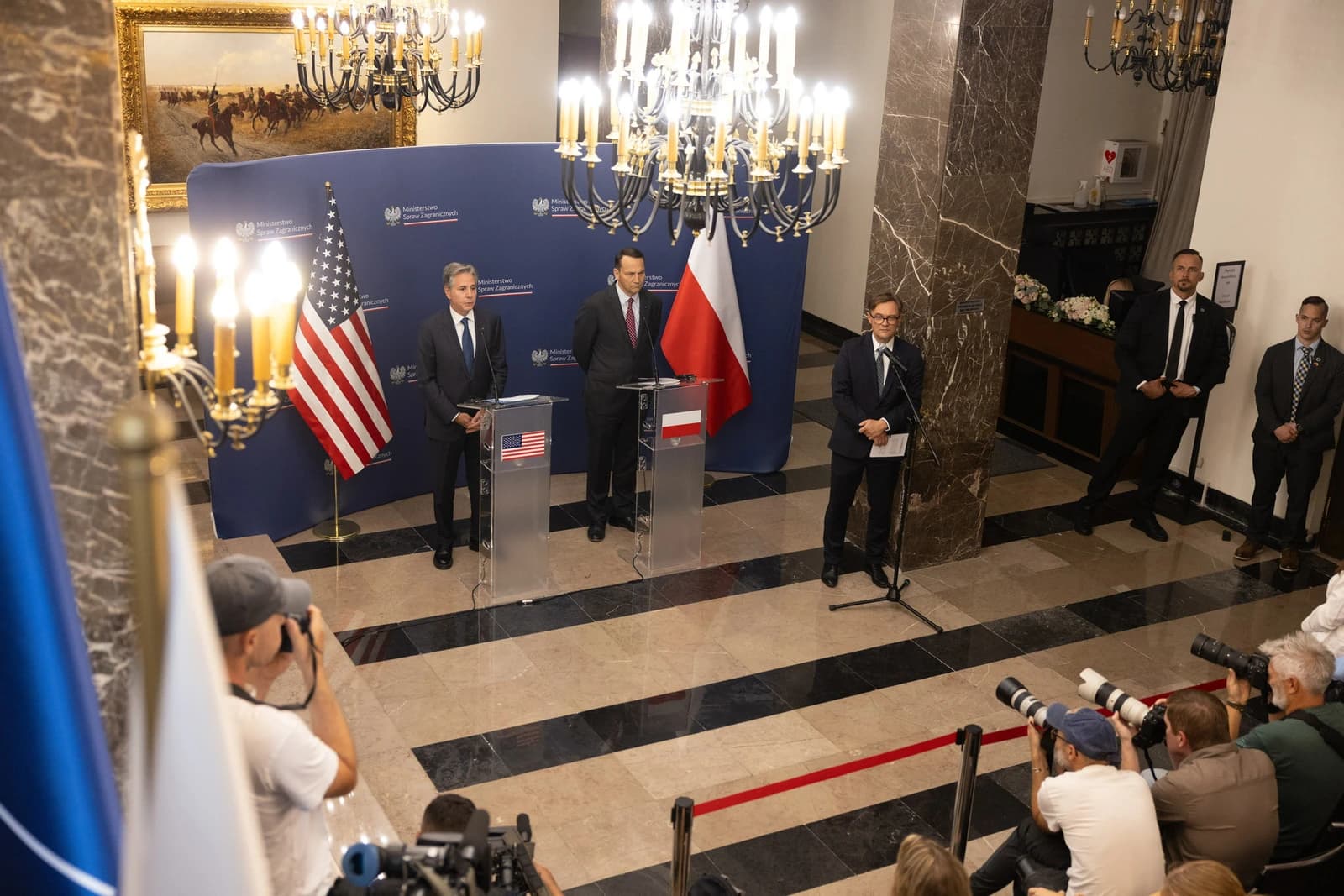
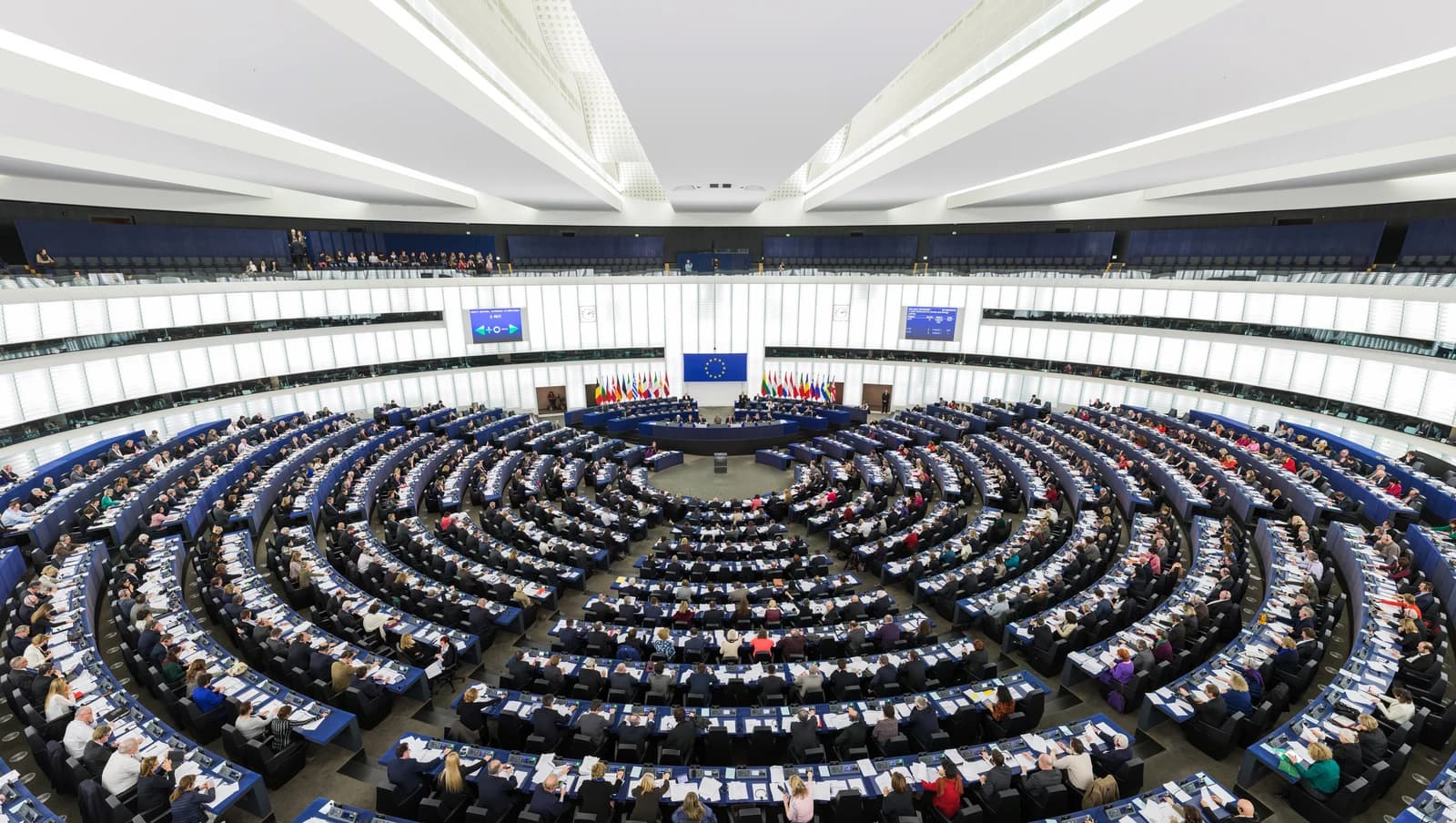
The European Union is running into the limits of its ability to finance Ukraine’s war effort, according to Russia’s foreign ministry, as Brussels weighs fresh ways to keep Kiev solvent amid an estimated $27 billion budget gap and rising pressure on wartime spending.
EU weighs new funding for Ukraine amid budget gap

That matters because Ukraine’s fiscal survival now depends not just on battlefield support, but on whether Europe can keep transferring money fast enough to cover salaries, pensions, energy imports and military outlays while tax revenues are hit by Russian strikes. The issue has moved from emergency aid to a broader question of burden-sharing, with Moscow seeking to exploit signs of donor fatigue and the EU debating whether to redirect existing defense funds or tap Russian assets.
Sentiment IndicatorsⓘProprietary · adalytica.com · September 27, 2026
This is a snapshot — live sentiment, awareness and momentum for 130+ markets update continuously in the dashboard.Open AlphaPulse
Russian foreign ministry official Vladislav Maslennikov said the bloc “is no longer able to support Ukraine,” adding that discussions have resumed on confiscating Russian assets to fund Kiev. The comments were framed as a political attack, but they land in the middle of a real financing squeeze in Europe, where governments have already committed billions through the European Peace Facility and the Ukraine Facility, yet remain short of the sums needed to sustain Ukraine through another winter.
For investors, the significance is less about the rhetoric than the policy path it points to. If the EU cannot expand direct budget support, it may have to lean harder on extraordinary measures such as seized Russian reserves, joint borrowing or reallocation of defense funds. Each option carries legal, political and market risks. Confiscating sovereign assets would set a precedent that could unsettle reserve managers and intensify debate over the safety of euro-area assets, while heavier borrowing would keep fiscal scrutiny on already indebted member states.
The funding challenge also interacts with broader market themes. Europe’s willingness to back Ukraine has become tied to energy security, defense procurement and industrial policy, all of which feed into sovereign financing needs and the outlook for regional growth. Any sign that support is becoming harder to sustain can weigh on sentiment toward European assets, even if the immediate market reaction is limited. By contrast, a durable funding mechanism would help anchor expectations for defense spending, reconstruction contracts and aerospace and security demand.
The Russian claim also fits a larger geopolitical narrative: Moscow is trying to portray Western support as unsustainable just as France and other European states continue to promise air-defense and energy assistance ahead of winter. That split between political resolve and fiscal capacity is now the central issue for Ukraine’s backers. The next test will be whether EU leaders can agree on a new funding channel before existing aid is exhausted, and whether they are willing to turn Russian assets into the financing bridge.
| Entity | Gains | Losses |
|---|---|---|
| Russia | ▲Pressure narrative | ▼Western donor cohesion |
| Ukraine | ▲Potential new funding | ▼Budget stability |
| EU governments | ▲Leverage over aid terms | ▼Fiscal headroom |
| Russian sovereign assets | ▲Target for seizure risk | ▼Legal certainty |