The European Union has turned what was once a six-month political cliff edge into a three-year sanction regime, giving investors, banks and governments a clearer read on how long the bloc intends to keep pressure on Russia over Ukraine.
EU extends Russia sanctions to 2029
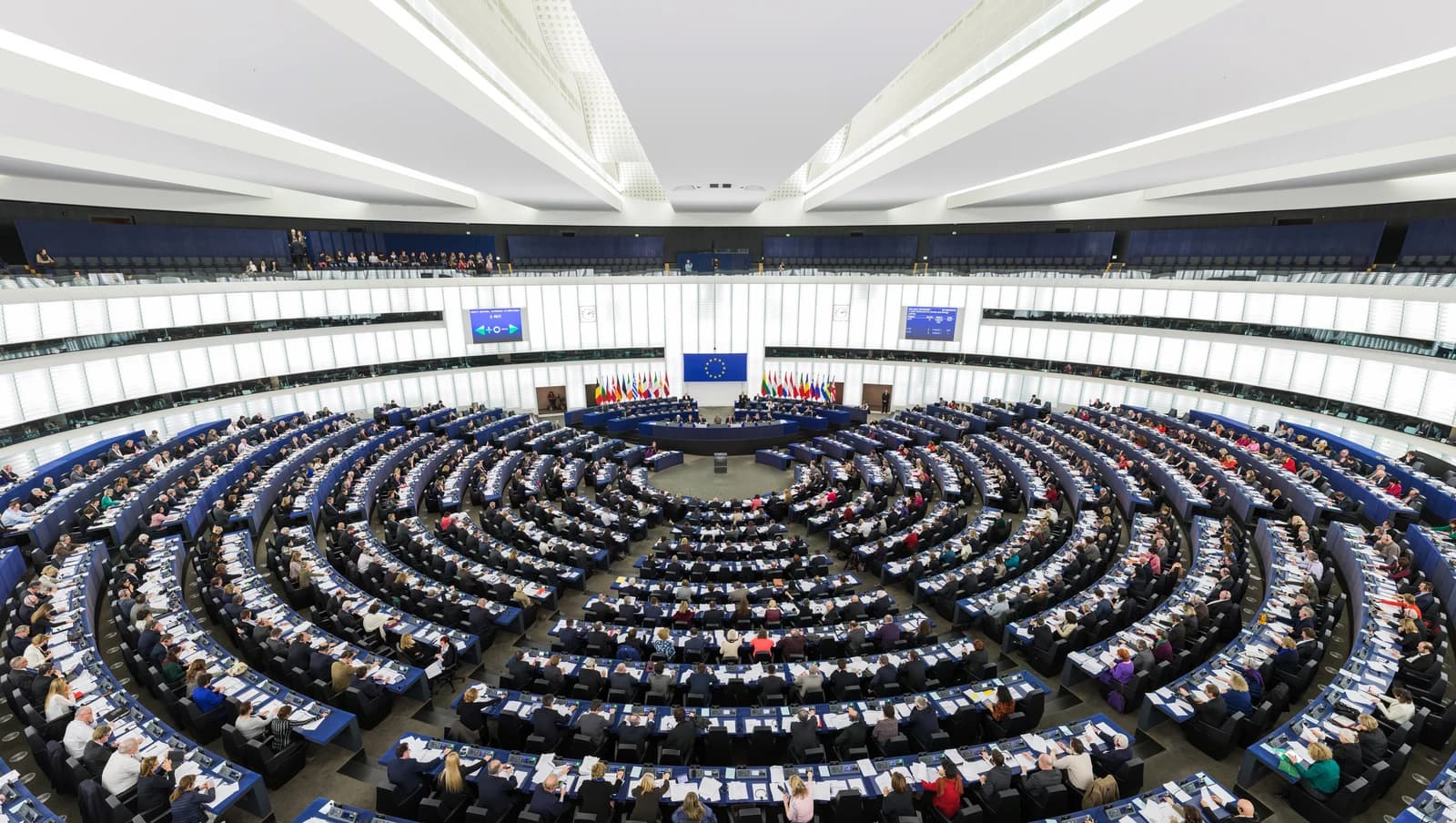
After two days of tense negotiations, EU members agreed to extend sanctions on more than 3,000 individuals and entities tied to the war through Sept. 22, 2029, the longest renewal since the asset-freeze system was created in 2014. That matters economically because sanctions are no longer just a diplomatic signal: they shape capital flows, energy trade, compliance costs and the legal treatment of frozen assets across Europe.
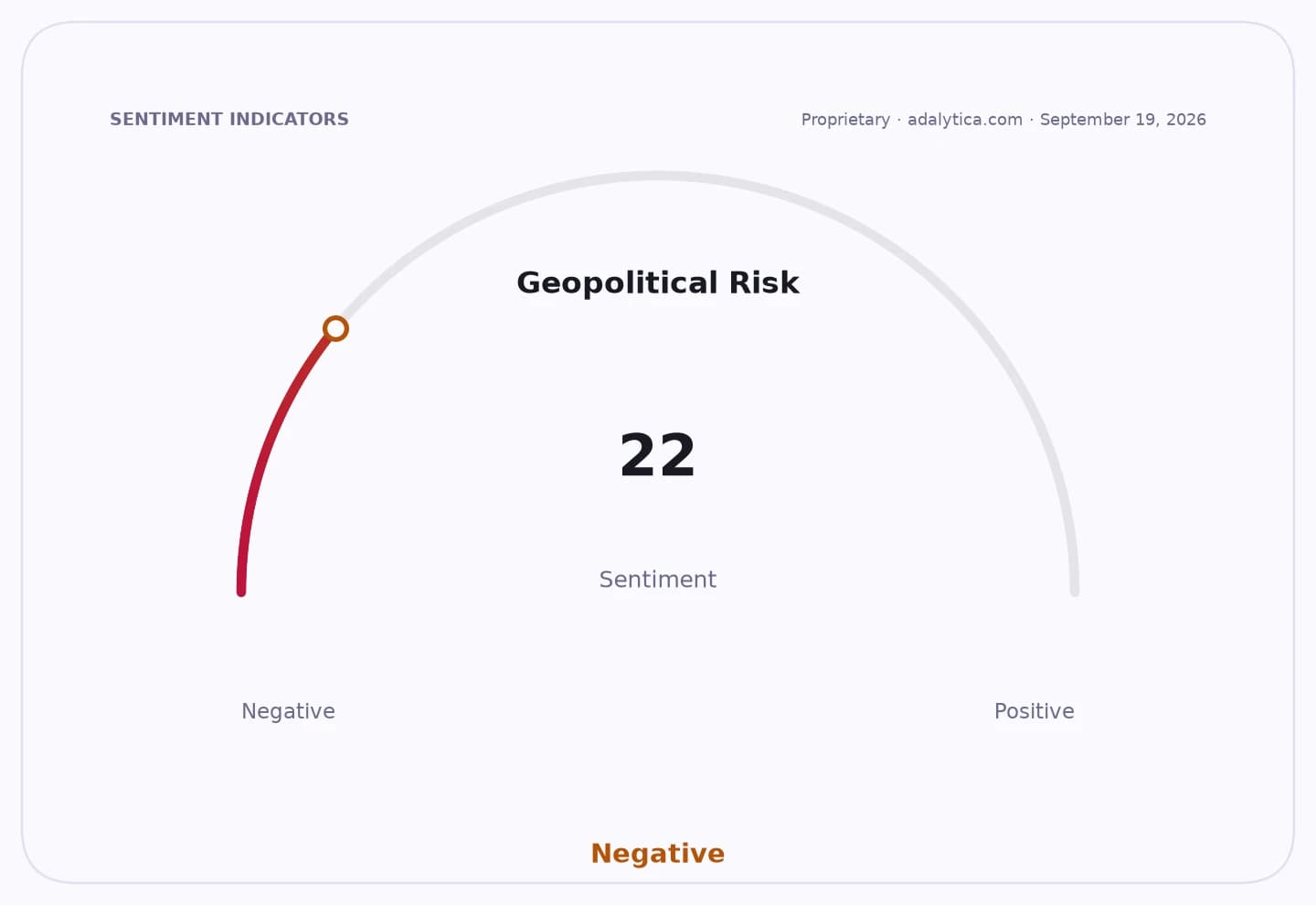
Sentiment IndicatorsⓘProprietary · adalytica.com · September 27, 2026
This is a snapshot — live sentiment, awareness and momentum for 130+ markets update continuously in the dashboard.Open AlphaPulse
For markets, the bigger message is that Europe is choosing durability over flexibility. Personal sanctions require unanimity from all 27 member states, and every six-month renewal had given capitals a chance to hold the list hostage to unrelated demands. A three-year extension reduces that recurring risk and gives banks, custodians and corporate compliance teams a much steadier framework for planning around blocked accounts, travel bans and restrictions on economic resources.
The decision also reinforces the broader Western strategy of constraining Russia’s wartime economy by limiting revenue from energy, cutting access to technology and markets, and hitting the defense-industrial base. That keeps the sanctions story tied directly to the macro outlook: the longer the restrictions last, the more they influence Russian growth, European energy exposure and the investment case for industries linked to commodities, logistics and cross-border finance.
The most sensitive issue remains frozen Russian state assets. The EU is holding about 210 billion euros of Russian central bank assets, much of it at Euroclear in Brussels, and the political fight over whether and how to use that pool to support Ukraine is far from over. Belgium has resisted efforts by several member states to repurpose the money, underscoring how sanctions can create as much intra-European friction as external pressure on Moscow.
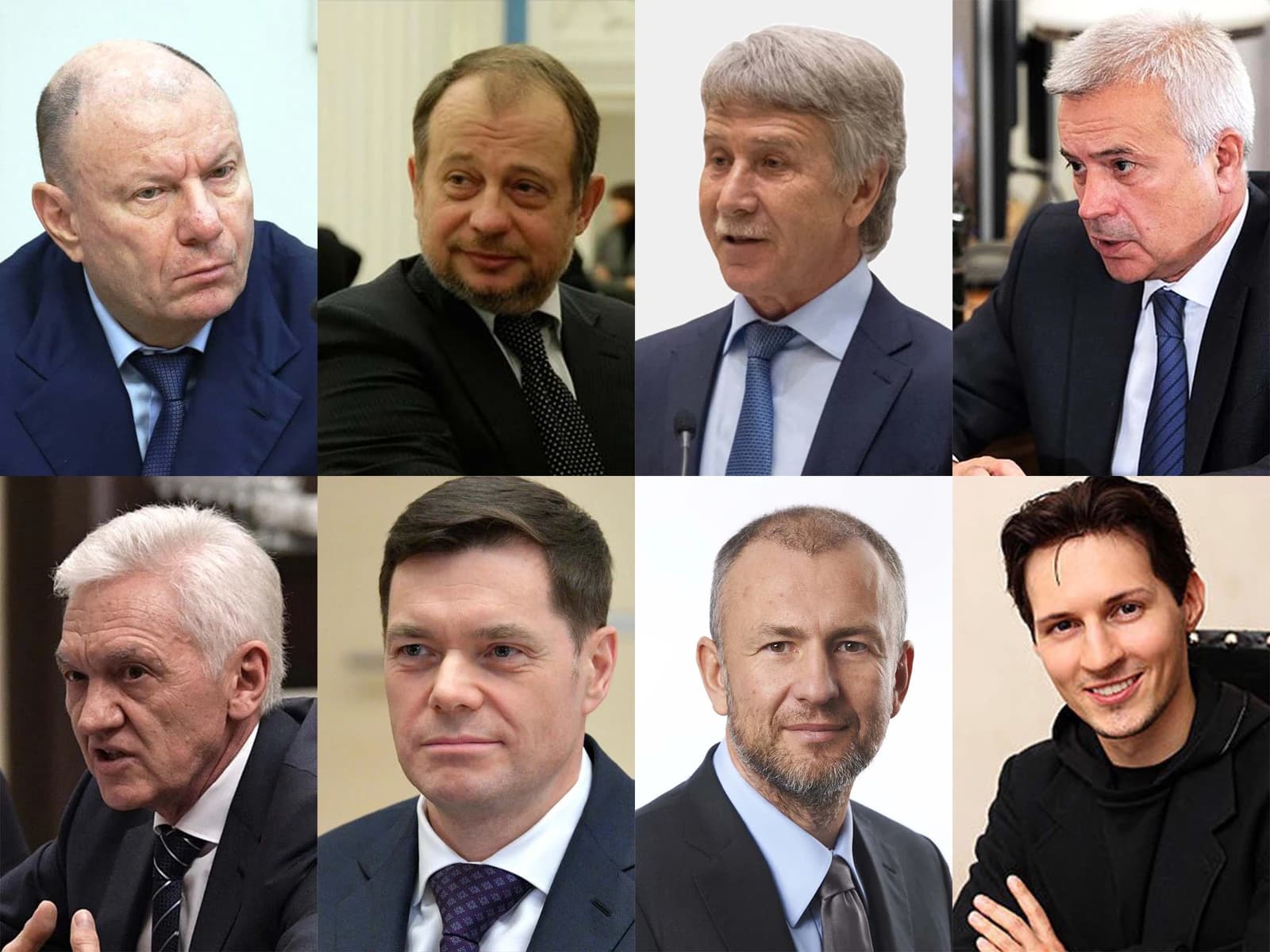
There were also cracks in the list itself. The bloc declined to renew sanctions on three individuals and one entity, and removed three deceased targets. Belgian media said the names dropped include Russian billionaires Alisher Usmanov and Mikhail Fridman, a reminder that sanctions policy is being shaped not only by geopolitics but also by court challenges, national-security arguments and lobbying from member states. Fridman is separately suing Luxembourg and the EU over frozen assets, showing how long sanctions can become a legal overhang for wealth, lenders and the jurisdictions that host them.
For investors, the takeaway is not a tradeable headline but a durable regime. Europe is signaling that Russia sanctions are becoming a structural feature of the investment landscape, not a temporary wartime measure. That supports sectors tied to defense, cybersecurity, energy security and European compliance services, while keeping pressure on Russia-exposed assets and any business that still depends on a fast thaw in East-West relations.
In that sense, this is less about one vote than about the horizon. By extending sanctions to 2029, the EU has made the cost of the war more predictable for its own institutions and more persistent for Moscow. Investors should treat that as a sign to stay diversified, assume a prolonged geopolitical risk premium, and keep Russia-Ukraine exposure on the watchlist rather than the bargain bin.
| Entity | Gains | Losses |
|---|---|---|
| EU banks and custodians | ▲Clearer compliance horizon | ▼Less flexibility on frozen assets |
| Ukraine and EU hawks | ▲Sustained pressure on Russia | ▼Ongoing war-related uncertainty |
| Russia and sanctioned elites | ▲Little to gain | ▼Asset freezes, travel bans, capital limits |
| Defense and energy-security themes | ▲Longer policy support | ▼Peace-hope rerating fades |