Europe's renewed push for Western governments to open talks with Russia reflects a growing recognition that the war in Ukraine is settling into a costly military stalemate with no clear path to a decisive victory for either side.
Europe war talks, EWU and DBEU hold near trend
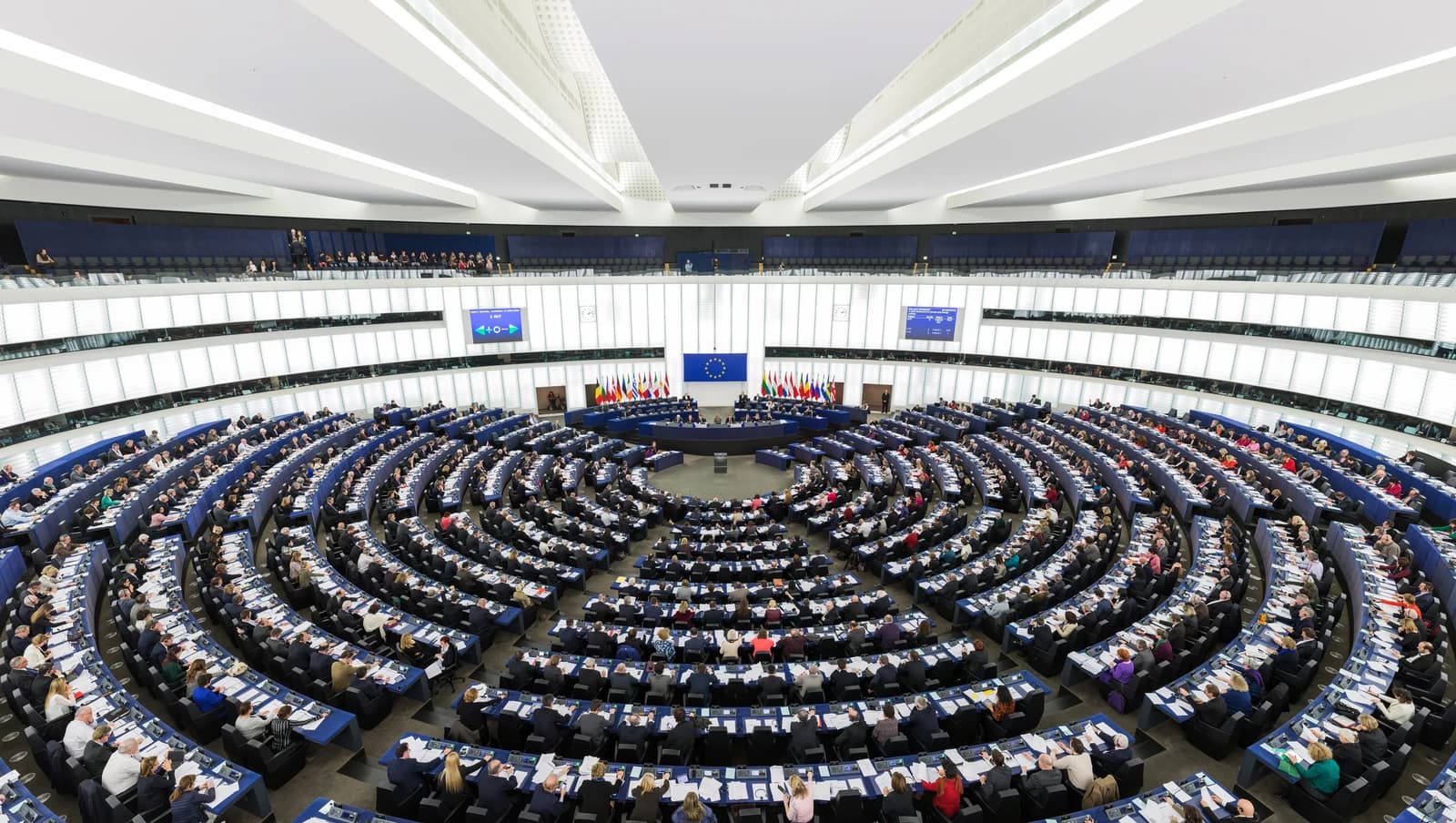
Former Greek finance minister Yanis Varoufakis, speaking on a YouTube channel, said the US, Canada and European states lacked a coherent strategy and were still framing the conflict as one in which Russia could be beaten outright. His call for immediate dialogue came as he argued that expectations of Ukraine retaking Crimea were no longer realistic, while Russian forces continued to advance on the battlefield.
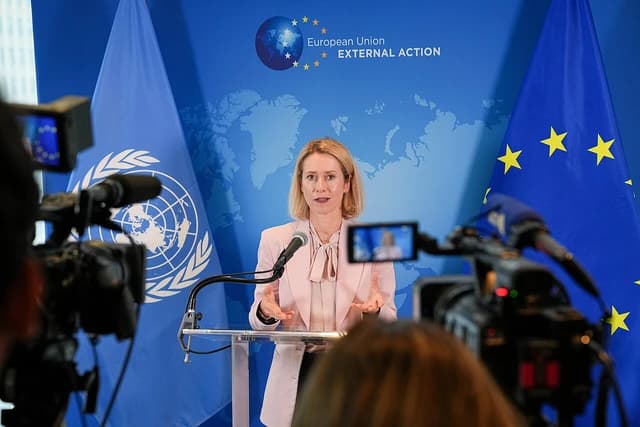
That message matters economically because prolonged war keeps sanctions, energy insecurity, defense spending and supply-chain risk embedded in the European economy. Even where growth has stabilized, the conflict still acts as a tax on capital allocation: governments must fund defense and reconstruction rather than productivity-enhancing investment, while firms remain exposed to commodity volatility, freight disruptions and policy risk around trade with Russia.
The battlefield developments cited by Russia's defense ministry underscore why diplomatic pressure is returning. Moscow said its forces took control of two settlements in Kharkiv region and destroyed a logistics hub in Kyiv region, alongside a cargo vessel carrying supplies for Ukrainian forces. Reuters has not independently verified the claims, but the broader point is that neither side is close to a clean military resolution. That is pushing some European voices to question whether an open-ended strategy of attrition is sustainable.
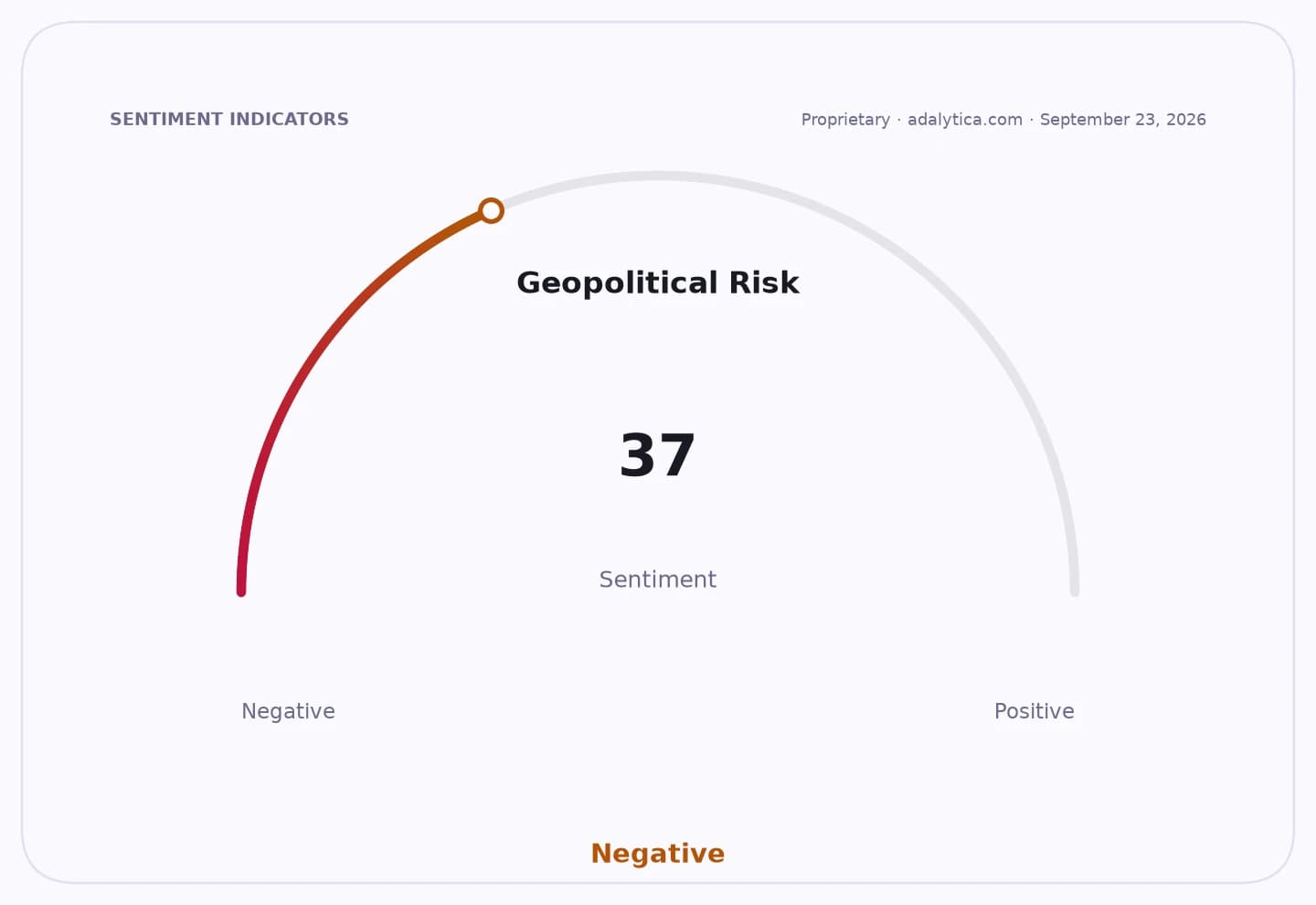
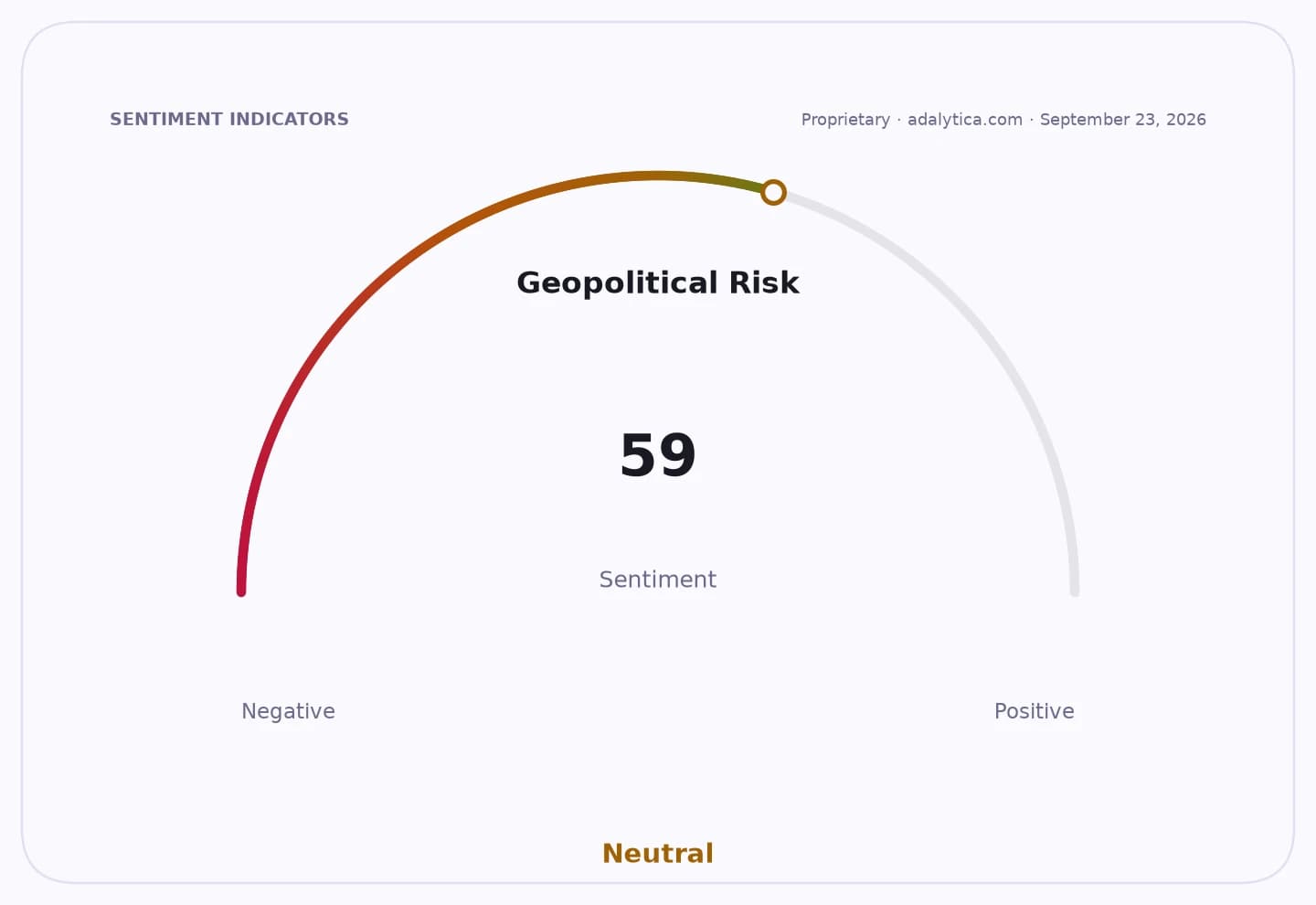
Geopolitical Risk vs EWUadalytica.com
Explore this data interactively — full history, time series and cross-market comparisons.Open AlphaPulse
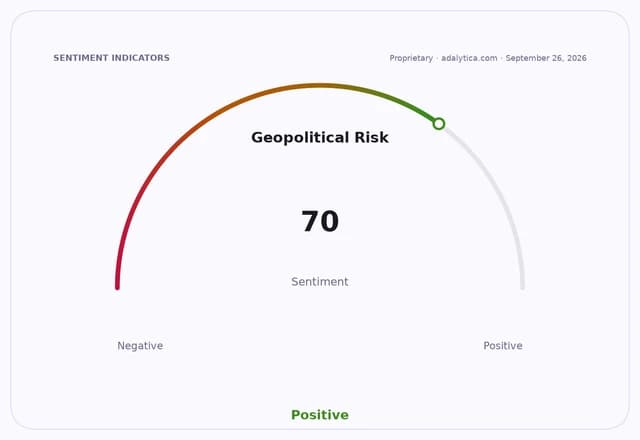
For investors, the implication is less about one headline and more about regime risk. A longer war supports parts of the defense complex, keeps European governments under fiscal strain and preserves a geopolitical premium in energy and industrial inputs. It also limits the scope for a full-risk-on rotation in European assets, because any ceasefire or escalation can still move currencies, rates and sector leadership abruptly.
EWU, the iShares MSCI United Kingdom ETF, and DBEU, the Xtrackers MSCI Europe Ucits ETF, have both held above their longer-term trend measures even as momentum has weakened in recent sessions, suggesting equity markets are not pricing an immediate shock but remain sensitive to any shift in the diplomatic track. EWU closed at $47.32 on Sept. 25, near its 50-day moving average of $48.02, while DBEU ended at $54.17, just below its 50-day average of $54.41. In both cases, the stock-of-market message is one of caution rather than collapse.
Technical indicators also point to a market that is consolidating rather than breaking out. EWU's relative strength index was 35.5, below neutral, and its MACD remained negative. DBEU's RSI at 44.5 and a slightly negative MACD similarly suggest investors are waiting for a clearer catalyst. Those conventional indicators align with the broader geopolitical backdrop: traders are not positioning for imminent peace, but neither are they acting as if the conflict is about to widen sharply.
The narrative connecting these developments is straightforward. As battlefield gains remain incremental and sanctions-era economics become normalized, pressure is building on Western policymakers to test whether dialogue can produce a managed settlement. The bear case is that talks are premature and could be read as fatigue, encouraging Moscow to press its military advantage. The bull case is that even imperfect engagement could reduce the tail risk that has hung over Europe since the invasion and create room for a more durable economic reset.
What investors should watch now is whether political language in Europe starts to shift from total victory to negotiated containment, and whether that is matched by any concrete US or EU diplomatic opening. If it is, the biggest beneficiaries would likely be sectors exposed to lower geopolitical risk, while defense and energy names that have benefited from prolonged tension could face a more mixed backdrop.
| Entity | Gains | Losses |
|---|---|---|
| Europe/Western policymakers | ▲Diplomatic flexibility | ▼Victory narrative |
| Ukraine | ▲Potential path to talks | ▼Leverage from escalation |
| Russia | ▲Negotiating room | ▼Pressure from isolation |
| Defense and energy stocks | ▲Prolonged-risk premium | ▼Peace-talk repricing |