China’s decades-long push into overseas ports is drawing fresh scrutiny because it gives Beijing commercial reach, strategic flexibility and potential leverage over global trade routes at a time when the Strait of Hormuz and other chokepoints are under pressure.
China port network spans 168 ports in 90 countries
The immediate question is not whether China wants to plant flags on foreign soil. It is why Beijing has spent 25 years financing, building and often operating ports from Greece to Pakistan, Panama and the Gulf, creating a network that now touches 168 ports in 90 countries, according to an AidData report cited in the source material.
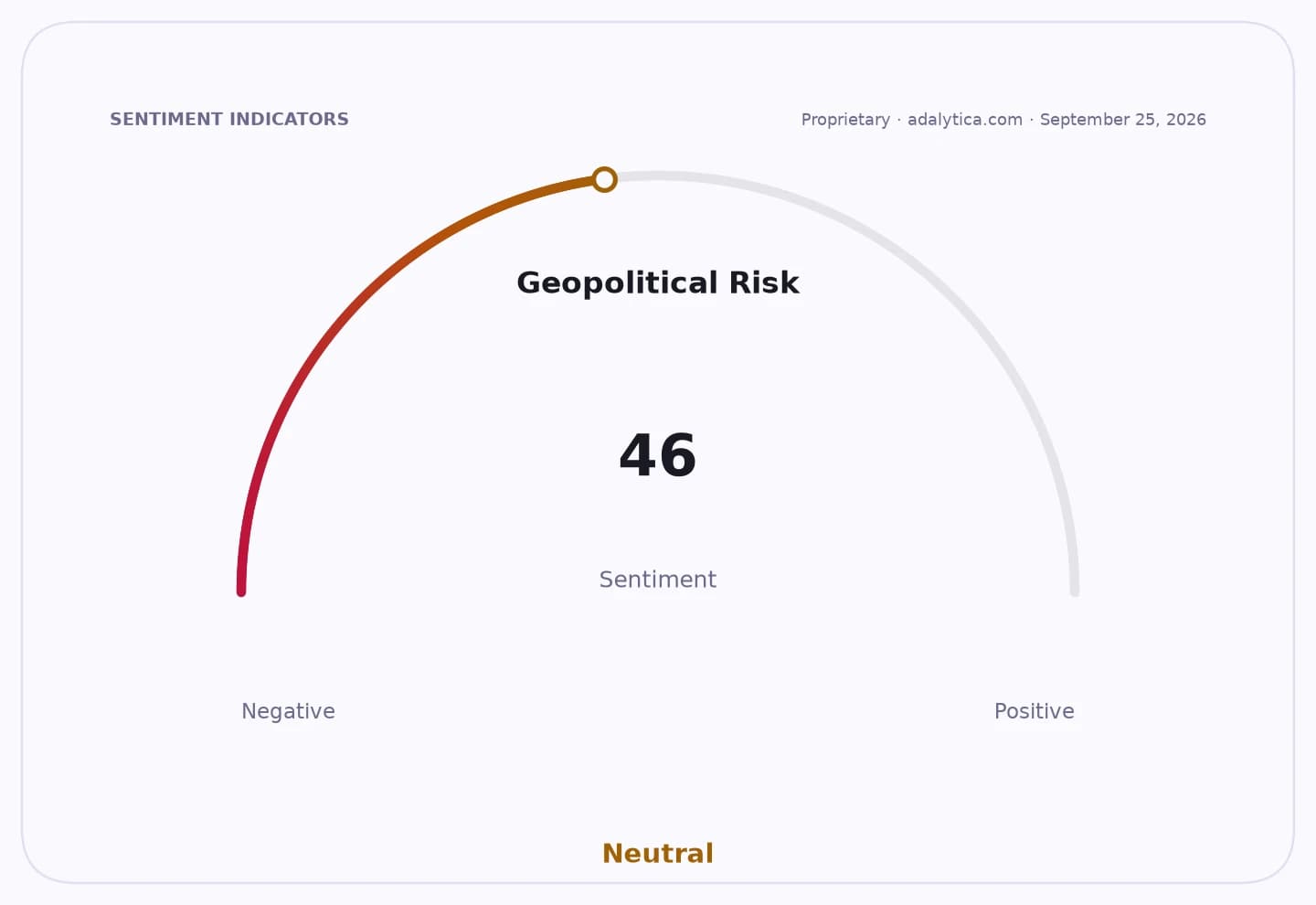
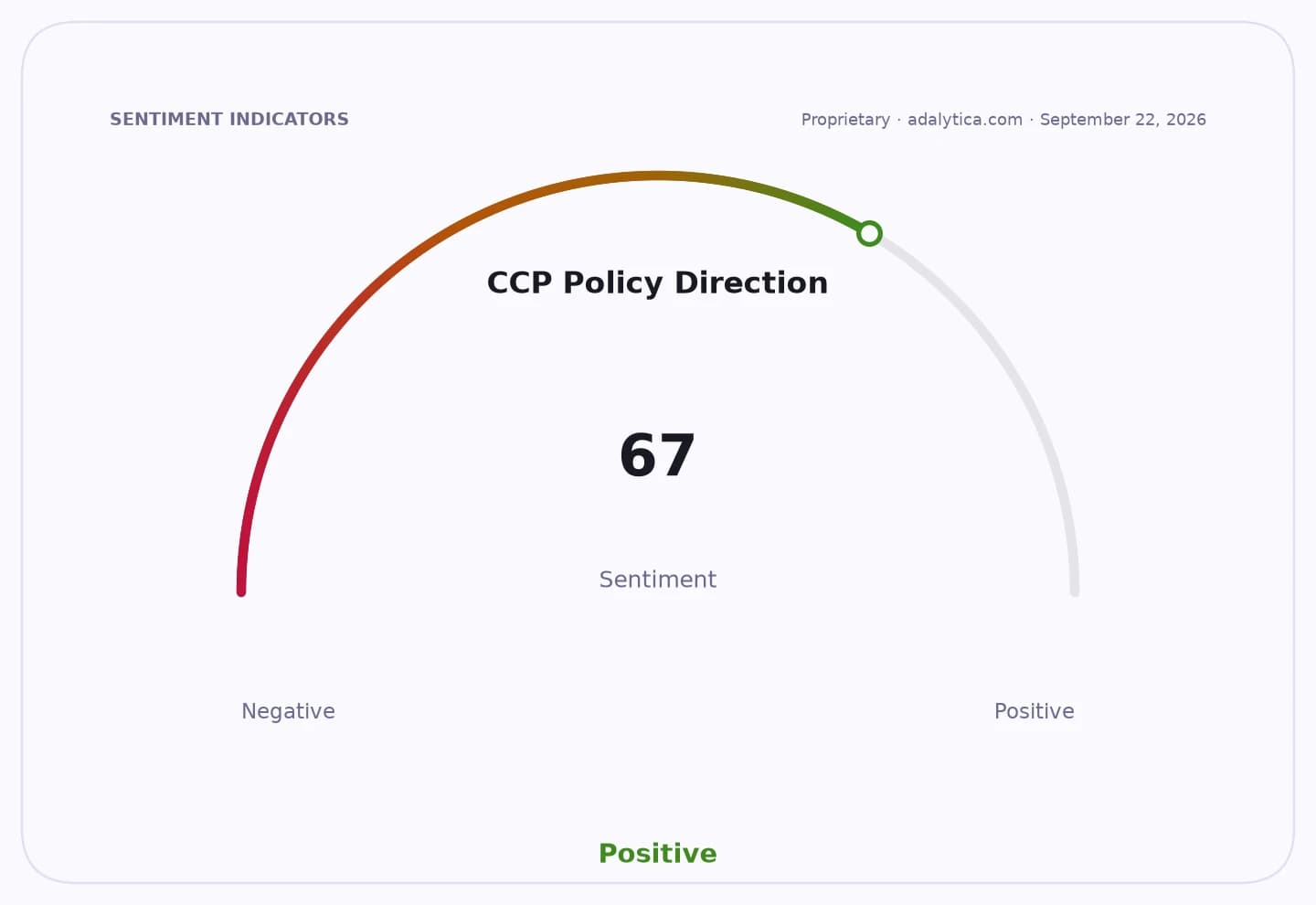
Sentiment IndicatorsⓘProprietary · adalytica.com · September 26, 2026
This is a snapshot — live sentiment, awareness and momentum for 130+ markets update continuously in the dashboard.Open AlphaPulse
That footprint matters economically because ports are where trade, data and logistics systems converge. Control over berths, scheduling, customs software, cranes and operating rights can shape cargo flows, lower costs for Chinese exporters and importers, and make host nations more dependent on Chinese capital and equipment.
It also matters geopolitically. The source material argues Beijing has shifted from simply acquiring assets to building an integrated maritime system that can support commodity imports, export routes and, in some cases, Chinese military access. More than half of ports in the dataset with Chinese or Hong Kong ownership stakes have hosted People’s Liberation Army Navy visits, the report says.
For investors, the implications stretch across shipping, port operators, commodities and defense. Chinese-backed terminals can strengthen trade corridors for dry bulk, tankers and containers, while also sharpening the strategic competition facing U.S., European and Indian maritime policy. That raises the odds of more scrutiny of Chinese-linked assets, more government intervention in port deals and more investment in alternative logistics networks.
The financial logic behind the expansion is straightforward: China had capital to deploy, developing countries needed infrastructure and Western lenders often stepped back. But the model has evolved beyond simple project finance into a broader “port-railway-mine” system that links coastal terminals with inland resource corridors, extending Beijing’s commercial influence deeper into supply chains.
That is why the debate now is bigger than ownership. A port can be private in name and still serve national strategy through software standards, operating systems, logistics platforms and shipping relationships that bind users to Chinese infrastructure. In a world where chokepoints are vulnerable and maritime trade is increasingly politicized, China’s port network has become both an economic asset and a form of insurance.
The likely next flashpoint is policy. Washington and its allies are pushing back with port strategies, shipbuilding plans and warnings to host countries, but the source material suggests they remain far behind China’s coordination. For investors, the key risk is that maritime assets once valued mainly on throughput and fees are now also exposed to sanctions, security reviews and geopolitical disruption.
| Entity | Gains | Losses |
|---|---|---|
| China | ▲Trade leverage; strategic reach | ▼Greater scrutiny |
| Host nations | ▲Port investment; infrastructure | ▼Policy dependence |
| US and allies | ▲None from current setup | ▼Maritime influence; corridor control |
| Shipping/port operators | ▲More capacity; cargo flows | ▼Sanctions and security risk |